


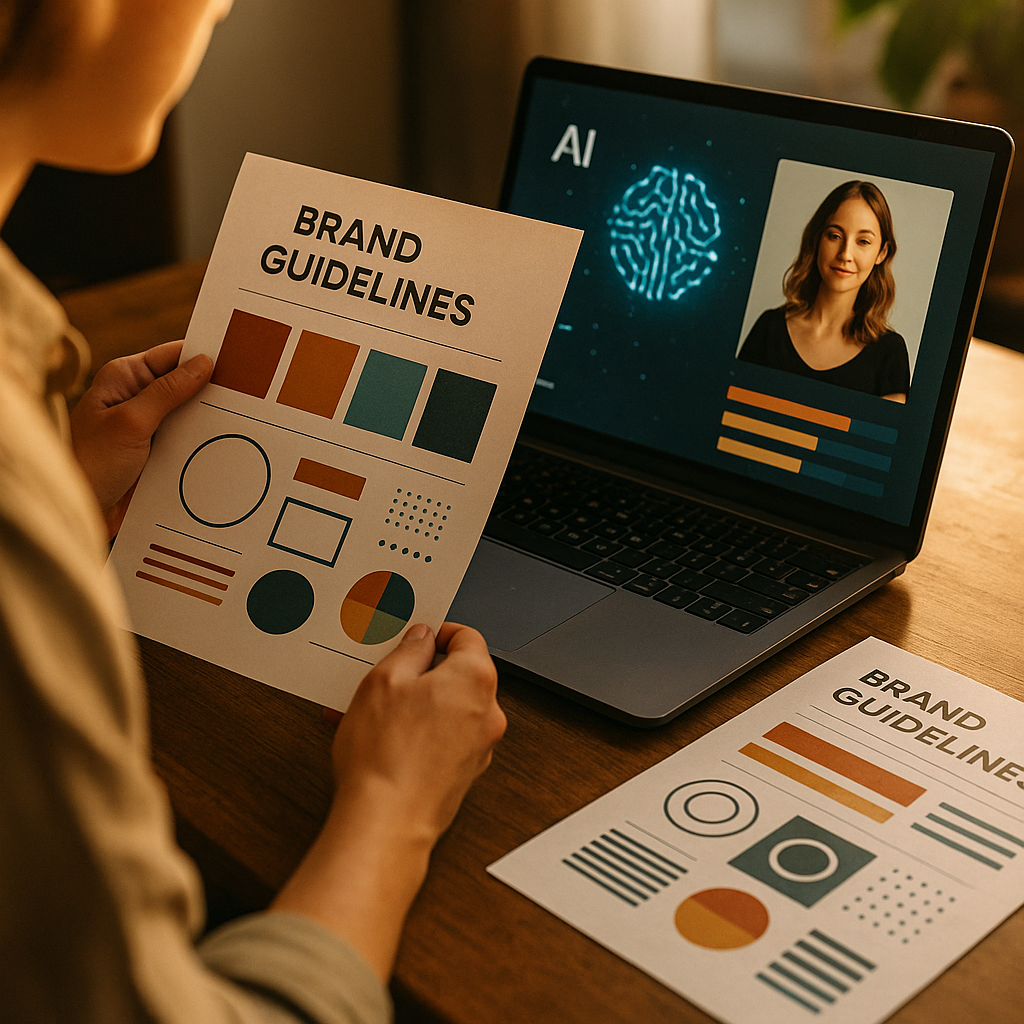
Brand teams spend an average of three to six weeks briefing agencies on “who we are” before a single creator gets shortlisted. That delay is pure waste. AI brand DNA tools now compress that discovery phase into a structured dataset, often in under a day, giving matching algorithms something concrete to work with instead of a 40-slide brand deck nobody reads twice.
If you’ve ever sat through a creator vetting call where someone says “they just feel off brand” with zero supporting logic, you already know the problem. Brand fit has always been judged on vibes. That’s expensive, slow, and legally indefensible when a partnership goes sideways.
What Is an AI Brand DNA Tool, Exactly?
Think of it as a translator between your brand guidelines and a creator database’s metadata fields. These platforms ingest brand assets (tone of voice documents, past campaign creative, website copy, even internal Slack threads about positioning) and output a structured profile: tone attributes, visual palette signatures, values hierarchy, audience psychographics, and prohibited content categories.
That structured profile then becomes a query against creator data. Instead of a brand manager scrolling through TikTok profiles guessing at “vibe alignment,” the system scores creators against dozens of weighted attributes simultaneously. It’s the same logic behind identity resolution work happening on the audience side, just applied to the brand side of the equation.
A brand profile that exists only as a PDF can’t be queried, scored, or matched at scale. Structured brand data is the prerequisite for any serious creator matching automation.
Why Manual Brand Briefs Break Down at Scale
Here’s the uncomfortable truth: most brand guideline documents are written for humans, not systems. They’re full of adjectives like “bold but approachable” with no machine-readable definition of what that means. When an agency scales from managing 20 creator relationships to 200, that ambiguity compounds fast.
Three specific failure points show up repeatedly:
- Inconsistent interpretation. Three different brand managers will read “playful” three different ways, and each will greenlight creators who don’t match each other, let alone the brand.
- No audit trail. When a creator partnership gets flagged by legal or a regulator, “we felt it matched our values” is not a defense. Compare that to the paper trail demanded by FTC disclosure guidance, where documented decision criteria actually matter.
- Slow onboarding for new team members. Every new hire has to absorb years of tribal knowledge about “what feels like us” before they can vet creators independently.
This is the same governance gap covered in brand identity training discussions: throwing an AI model at the problem without structured inputs just produces faster, more confident wrong answers.
The Matching Speed Problem
According to eMarketer research on influencer program operations, brand safety and fit review remains one of the top three bottlenecks cited by marketers running always-on creator programs. Not budget. Not creator availability. Review friction.
That friction exists because fit review is manual. A brand DNA tool doesn’t eliminate human judgment, but it front-loads the definitional work so the matching step becomes a filtering exercise rather than a debate.
How the Matching Math Actually Works
Once a brand’s attributes are structured into a profile, most platforms run a weighted scoring model against creator data pulled from platform APIs, past campaign performance, and content analysis. A creator’s historical posts get scanned for tone markers, visual consistency, audience sentiment, and category relevance. The system then produces a compatibility score, usually on a 0 to 100 scale, alongside a rationale: which attributes matched, which ones didn’t, and by how much.
That rationale matters more than the score itself. A 72 out of 100 means nothing without knowing whether the gap is aesthetic (fixable with creative direction) or values based (not fixable, don’t sign the deal). Tools that just spit out a number without explainability are closer to a black box than a decision support system, and procurement teams should push back on vendors who can’t show their work.
This is where the discipline overlaps with clean creator data practices. Garbage inputs on either side of the match (sloppy brand attributes or incomplete creator profiles) produce matches that look efficient but perform poorly once the content goes live.
Speed Gains Are Real, But Measured Where?
Early adopters report shortlisting timelines dropping from several weeks to a few days. That’s a meaningful efficiency story for procurement and finance stakeholders who care about time-to-launch. But speed without accuracy is just faster mistakes. The better metric to report upward isn’t “time saved,” it’s “revision cycles avoided,” meaning how many creator partnerships required zero rebriefing because the initial match was already tight.
Risk Mitigation: The Argument Finance Teams Actually Care About
Marketing leaders pitching budget for these tools internally should lean on risk reduction, not just speed. A documented, structured brand matching process gives legal and compliance teams something to point to if a partnership draws scrutiny. It also reduces the odds of the kind of mismatched partnership that triggers public backlash, the type of story that turns into a cautionary case study within a quarter.
There’s also a subtler risk: brand dilution through inconsistency. If every regional team or agency partner interprets your brand differently, your creator content portfolio starts looking fragmented across markets. A shared, structured brand DNA profile keeps every team, in-house or outsourced, working from the same definitional baseline. That consistency compounds into stronger recognition over time, something HubSpot’s brand consistency research has tied directly to higher purchase consideration.
Where This Intersects With AI Search Visibility
There’s a less obvious payoff here too. As more discovery shifts toward AI answer engines, the consistency of how your brand is described across creator content starts to matter for citation accuracy, not just human perception. Work on citable creator claims shows that AI models pull from the most consistent, specific signals available. A brand DNA tool that enforces consistent attribute language across every creator partnership indirectly strengthens how coherently your brand shows up in AI citation tracking down the line.
What to Actually Look for in a Vendor
Not all tools in this category are built the same, and the market is still young enough that feature sets vary wildly. When evaluating a platform, push for answers on these points:
- Explainability. Can the tool show which specific attributes drove a match score, or does it just output a number?
- Data provenance. Where is creator content data sourced from, and is it refreshed often enough to catch recent controversies or tone shifts?
- Integration depth. Does it connect to your existing creator CRM or require a parallel workflow? Fragmented tooling creates the same mess covered in warehouse native activation discussions, where data silos quietly erode ROI.
- Human override controls. Automated scoring should inform, not replace, final sign off. The best implementations keep a human reviewer in the loop for borderline matches, echoing the judgment gap discussed in AI agent workflows.
- Bias auditing. Does the vendor test for skew toward creators who resemble past successful partnerships, potentially narrowing your roster unnecessarily?
A Quick Gut Check Before You Buy
Ask the vendor to run your current brand guidelines through their system live, in the sales call, not a pre-built demo. If the output feels generic or interchangeable with a competitor’s brand profile, the structuring logic isn’t sophisticated enough to differentiate you from the next account on their client list.
Implementation Reality Check
Rolling out a brand DNA tool isn’t a plug-and-play weekend project. Expect a 4 to 8 week calibration period where the system’s early matches get reviewed against human judgment, with weights adjusted based on where the two disagree. Skip this calibration step and you’ll end up automating bad assumptions at scale, which is arguably worse than the slow manual process it replaced.
Budget for an internal owner, too. Someone on the brand or marketing ops side needs to maintain the profile as positioning evolves, new product lines launch, or messaging shifts after a rebrand. A stale brand DNA profile quietly degrades match quality every month it goes unreviewed.
Start small: pick one active campaign, run it through a brand DNA tool in parallel with your existing manual process, and compare match quality and time-to-shortlist side by side before committing budget to a full rollout.
Frequently Asked Questions
What data does an AI brand DNA tool actually need to get started?
Most platforms need brand guideline documents, past campaign creative, website and social copy samples, and a list of prohibited content categories or past partnership red flags. The more structured examples you provide, the faster the calibration period finishes.
Does this replace the need for a human brand manager in creator vetting?
No. It replaces the slow, inconsistent first pass of shortlisting, but final decisions on borderline or high-stakes partnerships should still involve human review, particularly for anything touching sensitive categories or regulated industries.
How long does it take to see matching speed improvements?
Most teams see measurable time-to-shortlist improvements within the first full campaign cycle after calibration, typically 4 to 8 weeks post implementation, assuming the brand profile has been reviewed and adjusted against real match outcomes.
Can small or mid-size brands justify the cost of these tools?
Smaller teams running fewer creator partnerships may get more value from lighter-weight brand guideline templates paired with manual review, reserving full AI brand DNA platforms for programs managing dozens of partnerships monthly where time savings compound.
How does brand DNA data relate to AI search visibility?
Consistent brand attribute language across creator content strengthens how coherently AI answer engines describe and cite your brand, since these models favor specific, repeated signals over fragmented or inconsistent messaging.
FAQs
See the Frequently Asked Questions section above for full detail on implementation timelines, data requirements, and cost justification.
Top Influencer Marketing Agencies
The leading agencies shaping influencer marketing in 2026
Agencies ranked by campaign performance, client diversity, platform expertise, proven ROI, industry recognition, and client satisfaction. Assessed through verified case studies, reviews, and industry consultations.
Moburst

-
2

The Shelf
Boutique Beauty & Lifestyle Influencer AgencyA data-driven boutique agency specializing exclusively in beauty, wellness, and lifestyle influencer campaigns on Instagram and TikTok. Best for brands already focused on the beauty/personal care space that need curated, aesthetic-driven content.Clients: Pepsi, The Honest Company, Hims, Elf Cosmetics, Pure LeafVisit The Shelf → -
3

Audiencly
Niche Gaming & Esports Influencer AgencyA specialized agency focused exclusively on gaming and esports creators on YouTube, Twitch, and TikTok. Ideal if your campaign is 100% gaming-focused — from game launches to hardware and esports events.Clients: Epic Games, NordVPN, Ubisoft, Wargaming, Tencent GamesVisit Audiencly → -
4

Viral Nation
Global Influencer Marketing & Talent AgencyA dual talent management and marketing agency with proprietary brand safety tools and a global creator network spanning nano-influencers to celebrities across all major platforms.Clients: Meta, Activision Blizzard, Energizer, Aston Martin, WalmartVisit Viral Nation → -
5

The Influencer Marketing Factory
TikTok, Instagram & YouTube CampaignsA full-service agency with strong TikTok expertise, offering end-to-end campaign management from influencer discovery through performance reporting with a focus on platform-native content.Clients: Google, Snapchat, Universal Music, Bumble, YelpVisit TIMF → -
6

NeoReach
Enterprise Analytics & Influencer CampaignsAn enterprise-focused agency combining managed campaigns with a powerful self-service data platform for influencer search, audience analytics, and attribution modeling.Clients: Amazon, Airbnb, Netflix, Honda, The New York TimesVisit NeoReach → -
7

Ubiquitous
Creator-First Marketing PlatformA tech-driven platform combining self-service tools with managed campaign options, emphasizing speed and scalability for brands managing multiple influencer relationships.Clients: Lyft, Disney, Target, American Eagle, NetflixVisit Ubiquitous → -
8

Obviously
Scalable Enterprise Influencer CampaignsA tech-enabled agency built for high-volume campaigns, coordinating hundreds of creators simultaneously with end-to-end logistics, content rights management, and product seeding.Clients: Google, Ulta Beauty, Converse, AmazonVisit Obviously →