


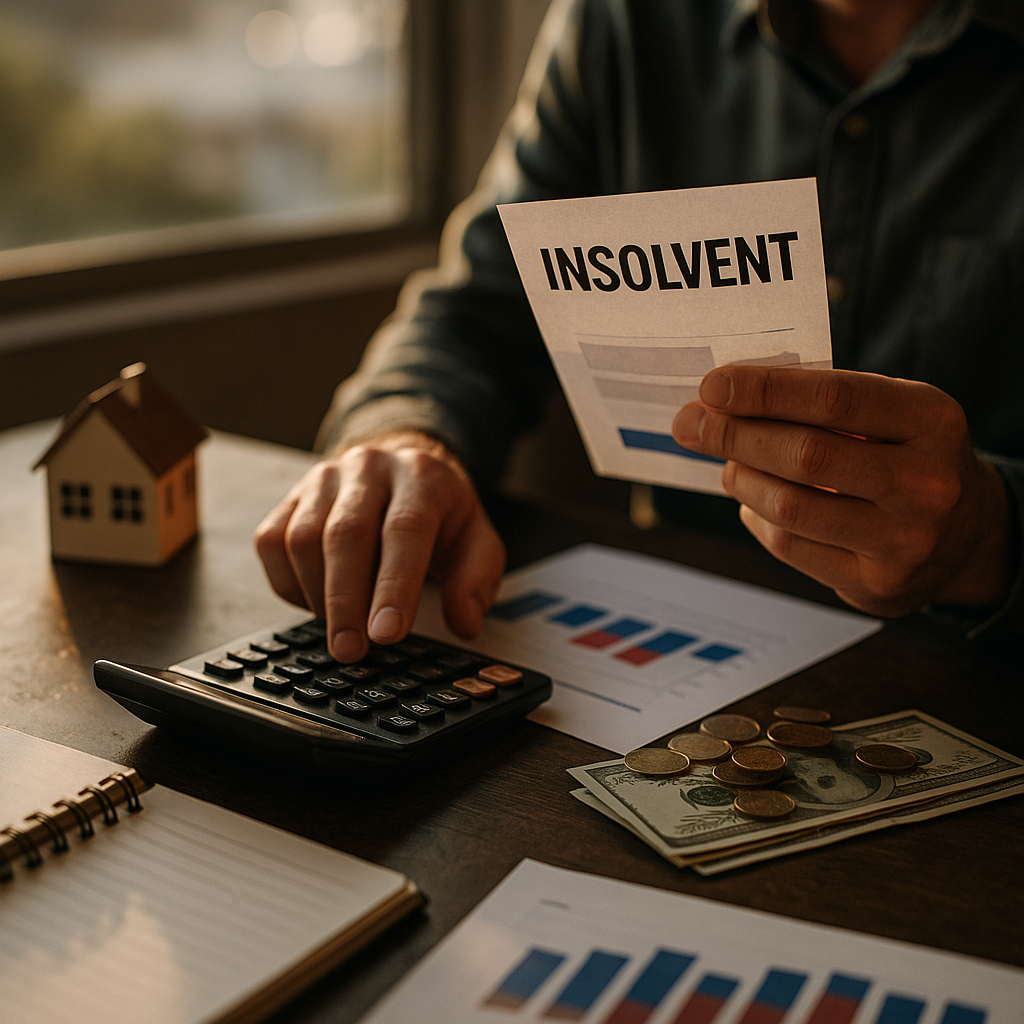
One in five small businesses in the United States fails within its first year, and creator-run agencies are no exception to that math. Except when a creator entity folds mid-campaign, it’s not just one founder losing sleep. It’s your brand’s Q3 budget, your deliverables timeline, and possibly a half-finished product launch sitting in legal limbo. Creator business insolvency risk is no longer a theoretical line item for legal teams. It’s a live budget threat that most influencer contracts simply were not built to handle.
Creators have become businesses. Many run LLCs, hire editors, lease studio space, and carry overhead that rivals a small agency. That’s great for professionalism, until it isn’t. Overhead means debt, and debt means exposure. When a creator’s LLC files for bankruptcy protection or simply dissolves without warning, your prepaid deposits can become unsecured claims in a filing you didn’t even know existed.
Why This Risk Is Suddenly Everywhere
The creator economy ballooned fast, and fast growth rarely comes with clean balance sheets. A lot of mid-tier creators scaled their production teams, signed studio leases, and took on agency staff during a boom period of brand spend. Now that CPMs are tighter and brand budgets are more selective, some of those same creators are carrying payroll obligations they can’t sustain.
Add in the fact that many creators operate through single-member LLCs or loose DBA structures with no real corporate governance, and you get a landscape where insolvency can happen quietly. There’s no earnings call. No press release. Sometimes the first sign a brand gets is a bounced deliverable and a dead phone number.
A creator entity doesn’t need to file formal bankruptcy to leave your campaign budget stranded. Simple dissolution, asset transfer to a new LLC, or quiet insolvency can all produce the same result: your money is gone and your deliverables never arrive.
This is why legal and procurement teams are starting to treat creator vetting the way they’d treat vendor due diligence for any other agency partner. For a deeper look at how creators structure their business entities and what that means for liability, see our piece on talent agency licensing risk.
What Insolvency Actually Looks Like in a Campaign
It rarely looks dramatic. More often it looks like a slow drift: a creator stops responding to Slack messages, deliverables ship late, then stop shipping at all. By the time your brand manager escalates to legal, the creator’s LLC has already been dissolved and reformed under a new name, sometimes with the exact same social handles still active.
Here’s the uncomfortable part. Under most state LLC laws, dissolving an entity doesn’t automatically wipe out contractual obligations, but it does make collection dramatically harder. Your brand becomes an unsecured creditor standing in line behind landlords, equipment lessors, and sometimes the IRS. Good luck getting your deposit back from that queue.
- Deposits paid upfront with no clawback mechanism
- Deliverables tied to a single creator entity with no succession language
- No visibility into the creator’s debt load or litigation history
- Payment schedules front-loaded before content is even drafted
Each of these is fixable at the contract stage. None of them are fixable once the creator has already gone dark.
The Contract Clauses That Actually Protect Budgets
Legal teams love to talk about “standard protections,” but most standard influencer agreements were written for a world where the biggest risk was a missed posting deadline, not a Chapter 7 filing. Here’s what actually needs to change.
Milestone Based Payment, Not Lump Sum Deposits
Tie every payment tranche to a verified deliverable. No content, no payment. This single change eliminates most insolvency exposure because you’re never holding more than one milestone’s worth of risk at a time. Yes, some creators will push back. Push back harder. Any creator business unwilling to accept milestone payments is quietly telling you something about their cash flow situation.
Material Adverse Change Clauses
Borrowed straight from M&A contracts, a material adverse change (MAC) clause lets your brand suspend or terminate payment obligations if the creator’s business undergoes a significant negative event, bankruptcy filing, entity dissolution, loss of key personnel, or a lawsuit that threatens solvency. Without a MAC clause, you have no contractual trigger to pull funding early, even if you see the warning signs.
Successor Entity and Assignment Restrictions
Creators sometimes dissolve one LLC and relaunch under a new name to shed debt. Your contract needs explicit language preventing the creator from assigning obligations to a successor entity without your written consent, and language that makes the original signatory personally liable if that kind of shell game happens. This is one of the most overlooked protections in standard templates, and it’s exactly the gap we broke down in our analysis of creator insolvency protections.
Escrow or Third Party Payment Holding
For high value campaigns, route payment through a third party escrow or payment platform rather than direct wire to the creator’s operating account. Platforms built for creator payouts can hold funds until deliverable verification, which removes the “money already spent on rent” problem entirely.
Right of Setoff and Clawback Language
If a creator fails to deliver after receiving payment, your contract should give the brand an explicit right to claw back funds, offset against future payments, or pursue setoff against any other active agreements with the same creator or agency. Without this clause spelled out, you’re relying on general breach of contract remedies, which are slower and more expensive to enforce.
The single most effective protection against creator insolvency isn’t a bigger legal team. It’s restructuring how and when you release money in the first place.
Due Diligence Before You Ever Sign
Contract clauses are the backstop. The real work happens before signature. Smart brand teams are now running basic financial health checks on creator LLCs before committing six figure campaign budgets, the same way they’d check a production vendor’s business standing.
That means checking state business registries for active status, searching for UCC filings that might indicate existing debt obligations against the creator’s assets, and asking direct questions about team size and overhead during the vetting call. Agencies representing creators should be willing to disclose basic solvency information, especially for multi-month retainer deals.
Platforms are catching up too. Several influencer marketing platforms now include basic business verification as part of their vetting layer, flagging entities with multiple dissolved LLCs or inconsistent business registrations. If you’re building out a vetting workflow, our guide on AI creator vetting tools covers how automated checks can catch red flags humans miss.
Industry data from eMarketer shows influencer marketing spend continuing to climb even as individual creator businesses face tighter margins, a gap that makes insolvency due diligence more important, not less. Brands pouring more dollars into fewer, larger creator relationships are concentrating risk exactly where they can least afford a collapse.
What Happens When It All Goes Wrong Anyway
Even with airtight contracts, insolvency can still happen. Here’s the practical playbook when it does.
- Document everything immediately: payment records, delivery timelines, and all communication attempts.
- Check for a filed bankruptcy case before attempting collection, since automatic stay provisions can halt most direct recovery efforts.
- File a proof of claim if a formal bankruptcy case exists, even for smaller amounts. It’s a low cost way to preserve your position.
- Loop in your E&O insurance carrier early. Many policies cover losses from vendor nonperformance, but only if notified within policy windows.
- Reassess your payment structure for every other creator relationship currently in flight. If one relationship went south, audit for similar exposure elsewhere.
For brands carrying E&O coverage, it’s worth reviewing how your policy actually treats creator nonperformance claims. Our breakdown of E&O insurance clauses covers the payout gaps most brands don’t discover until it’s too late to fix them.
There’s also a compliance angle here that gets missed. If payments to a now insolvent creator entity were routed through informal channels, your finance team may have gaps in documentation that complicate both tax reporting and anti money laundering review. Our piece on creator payment AML rules is worth a read if your payment ops team hasn’t already tightened that process.
Resources like the FTC’s business guidance and general contract best practices from HubSpot can help legal and marketing teams align on standard protective language, but the real protection comes from building insolvency specific clauses into your master services agreement template now, not after the next creator goes quiet.
Frequently Asked Questions
FAQs
What is creator business insolvency risk in influencer marketing contracts?
It refers to the financial exposure a brand faces when a creator’s business entity, often an LLC or small agency, becomes unable to meet its obligations due to bankruptcy, dissolution, or insolvency. This can leave prepaid deposits unrecoverable and deliverables unfinished.
Can a brand recover money from a creator who files for bankruptcy?
Usually only partially, and only after filing a proof of claim with the bankruptcy court. Brands typically rank as unsecured creditors, meaning they’re paid after secured debts, which often means receiving cents on the dollar or nothing at all.
What is a material adverse change clause and why does it matter for creator contracts?
A material adverse change clause lets a brand suspend or terminate payment obligations if the creator’s business experiences a significant negative event, such as bankruptcy, dissolution, or loss of key staff. It gives brands a contractual trigger to act before losses compound.
Should brands pay creators in milestones instead of lump sums?
Yes. Milestone based payment tied to verified deliverables significantly reduces insolvency exposure because the brand never holds more risk than a single payment tranche at any given time.
Does E&O insurance cover losses from a creator’s insolvency?
Some policies do cover vendor nonperformance losses, including those caused by insolvency, but coverage varies widely and often requires prompt notification. Brands should review their specific policy language and claim deadlines closely.
How can brands check a creator’s financial stability before signing a contract?
Brands can search state business registries for active entity status, check for UCC filings indicating existing debt, and ask direct questions about team size and overhead during vetting calls. Some influencer platforms now include automated business verification as part of their creator vetting tools.
Next step: Pull your current creator contract template and check for three things today: milestone based payments, a material adverse change clause, and successor entity restrictions. If any are missing, that’s your exposure, and it’s fixable before your next campaign signs.
Top Influencer Marketing Agencies
The leading agencies shaping influencer marketing in 2026
Agencies ranked by campaign performance, client diversity, platform expertise, proven ROI, industry recognition, and client satisfaction. Assessed through verified case studies, reviews, and industry consultations.
Moburst

-
2

The Shelf
Boutique Beauty & Lifestyle Influencer AgencyA data-driven boutique agency specializing exclusively in beauty, wellness, and lifestyle influencer campaigns on Instagram and TikTok. Best for brands already focused on the beauty/personal care space that need curated, aesthetic-driven content.Clients: Pepsi, The Honest Company, Hims, Elf Cosmetics, Pure LeafVisit The Shelf → -
3

Audiencly
Niche Gaming & Esports Influencer AgencyA specialized agency focused exclusively on gaming and esports creators on YouTube, Twitch, and TikTok. Ideal if your campaign is 100% gaming-focused — from game launches to hardware and esports events.Clients: Epic Games, NordVPN, Ubisoft, Wargaming, Tencent GamesVisit Audiencly → -
4

Viral Nation
Global Influencer Marketing & Talent AgencyA dual talent management and marketing agency with proprietary brand safety tools and a global creator network spanning nano-influencers to celebrities across all major platforms.Clients: Meta, Activision Blizzard, Energizer, Aston Martin, WalmartVisit Viral Nation → -
5

The Influencer Marketing Factory
TikTok, Instagram & YouTube CampaignsA full-service agency with strong TikTok expertise, offering end-to-end campaign management from influencer discovery through performance reporting with a focus on platform-native content.Clients: Google, Snapchat, Universal Music, Bumble, YelpVisit TIMF → -
6

NeoReach
Enterprise Analytics & Influencer CampaignsAn enterprise-focused agency combining managed campaigns with a powerful self-service data platform for influencer search, audience analytics, and attribution modeling.Clients: Amazon, Airbnb, Netflix, Honda, The New York TimesVisit NeoReach → -
7

Ubiquitous
Creator-First Marketing PlatformA tech-driven platform combining self-service tools with managed campaign options, emphasizing speed and scalability for brands managing multiple influencer relationships.Clients: Lyft, Disney, Target, American Eagle, NetflixVisit Ubiquitous → -
8

Obviously
Scalable Enterprise Influencer CampaignsA tech-enabled agency built for high-volume campaigns, coordinating hundreds of creators simultaneously with end-to-end logistics, content rights management, and product seeding.Clients: Google, Ulta Beauty, Converse, AmazonVisit Obviously →