


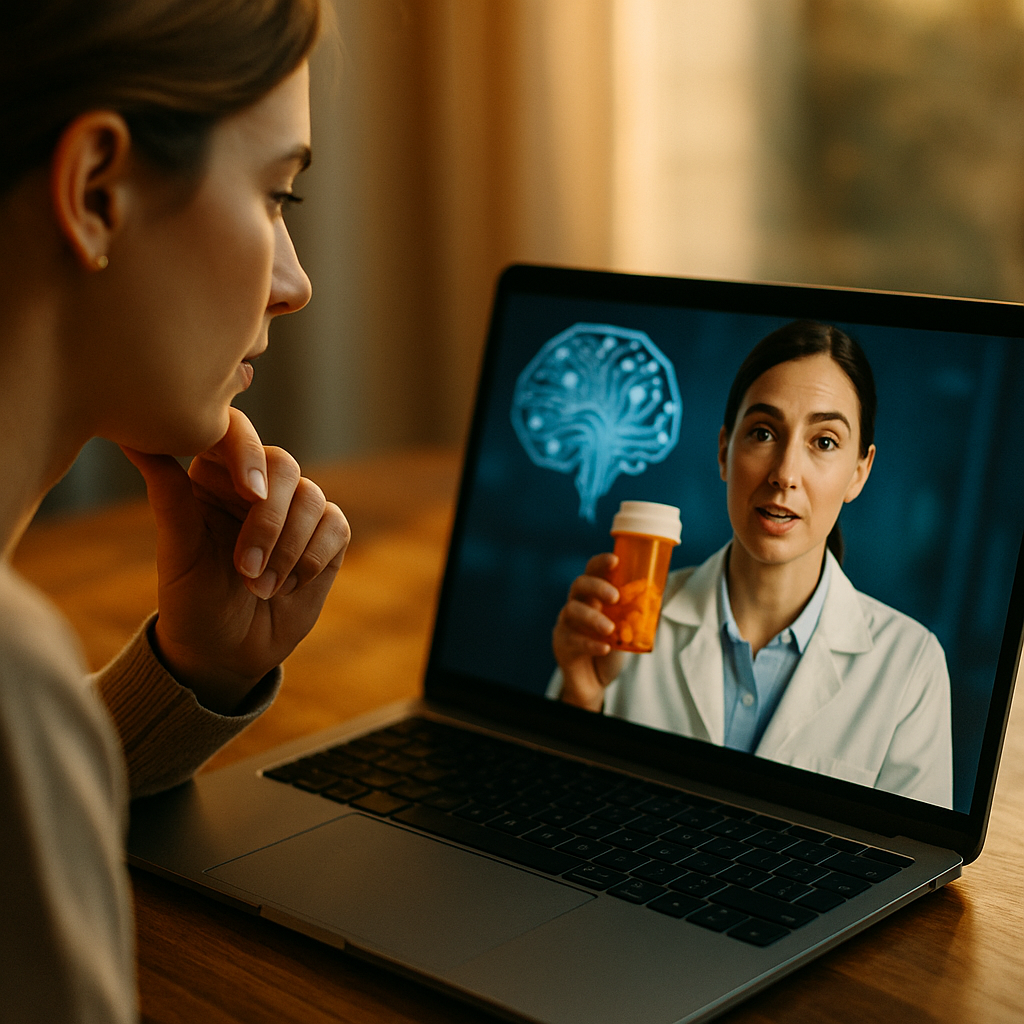
A synthetic spokesperson tells 400,000 TikTok viewers that a supplement “reverses inflammation in 48 hours.” No human ever said those words. No doctor reviewed the claim. Yet the brand’s logo sits right in the corner of the frame. When regulators come knocking, deepfake liability becomes the question that determines whether a compliance team survives the quarter or spends it in front of the FTC.
This isn’t a hypothetical anymore. AI-generated spokespeople are showing up in wellness, supplement, and pharma-adjacent marketing at a pace legal teams can’t match. And health claims are the one category where regulators have zero patience for “the AI said it, not us.”
The New Face of False Claims
Synthetic avatars built on tools like Synthesia, HeyGen, and Resemble AI have gotten cheap enough that a mid-size wellness brand can produce a dozen “testimonial” videos in an afternoon. No casting call, no usage fees, no awkward reshoots. The economics are irresistible, which is exactly why the risk has outpaced the guardrails.
Here’s the uncomfortable part: an AI actor doesn’t know what a substantiated claim looks like. It will say whatever the script tells it to say, with the same warm, trustworthy inflection a human spokesperson would use. That inflection is the problem. Studies on synthetic media trust gaps, referenced repeatedly by outlets like eMarketer, show viewers rate AI-generated testimonials as similarly credible to real ones, especially in health and wellness content where emotional framing does a lot of persuasive work.
When an AI avatar makes an unsubstantiated health claim, the FTC doesn’t ask who built the model. It asks who profited from the deception.
Who Actually Holds the Bag?
Liability in a deepfake health claim scenario doesn’t land on one party. It splits, unevenly, across four possible actors, and most brand teams have never mapped out where the splits actually fall.
- The brand: Under FTC endorsement guidance, the advertiser is responsible for substantiating claims regardless of who or what delivers them. An AI avatar is treated as a paid endorser, not a neutral tool.
- The agency or production partner: If the agency scripted the claim, selected the avatar vendor, or approved the final cut, it shares exposure, particularly in contracts that lack clear indemnification language.
- The AI avatar platform: Vendors like Synthesia generally disclaim responsibility for user-generated scripts in their terms of service, which pushes risk right back to the brand and agency.
- The creator or likeness owner: If a real influencer’s face or voice was licensed and then used to generate claims that creator never approved, there’s a separate right of publicity problem layered on top.
That last point matters more than most teams realize. Licensing an AI version of a real creator doesn’t give a brand unlimited creative license over what that digital twin says. Our breakdown of right of publicity law covers how state-level statutes are already catching up to synthetic likeness use, and health claims are a fast track to a lawsuit if a creator’s digital double is put in a position they never agreed to.
The FTC’s Position Is Already Clear
The FTC has not written a deepfake-specific health claims rule, and it probably won’t need to. Existing endorsement guides already require that any claim, human-delivered or synthetic, be truthful, non-misleading, and substantiated before it airs. The agency has signaled repeatedly, including through public statements on AI-generated endorsements, that it views synthetic spokespeople as functionally identical to human ones for liability purposes.
That means the standard disclosure and substantiation rules apply in full. If a brand wouldn’t let a human influencer say “clinically proven to cure anxiety” without data behind it, that same brand can’t let an AI avatar say it either. We covered the mechanics of this in our piece on AI spokesperson disclosure, and the enforcement gap there is widening fast. Brands are treating synthetic content as a lower-scrutiny category, and regulators are treating it as the opposite.
Health Claims Are a Different Beast
General product marketing gets some benefit of the doubt. Health claims do not. The FDA and FTC both have jurisdiction depending on whether the product is positioned as a drug, a supplement, or a general wellness item, and that dual exposure doubles the compliance burden for anything touching sleep, weight, mental health, pain, or immunity.
An AI avatar claiming a gummy “boosts your immune system by 60%” isn’t just an ad problem. It’s a potential FDA misbranding issue if the product is a food or supplement making a disease-related claim without the required disclaimers. Layer a synthetic actor on top, and you’ve added a second question: did anyone even run this script through legal before generating the video?
Most brands answer that question with an uncomfortable silence. A 2024 review cycle at a marketing automation platform is not the same as a pharma claims review process, and treating them interchangeably is how a 90-second video becomes a seven-figure settlement.
Contract Clauses That Actually Protect You
Liability allocation has to be written down before production starts, not negotiated after a regulator sends a letter. A handful of clauses do most of the work:
- Script approval and substantiation sign-off: No AI-generated script touches a health claim without a documented legal or regulatory review, with timestamps.
- Vendor indemnification carve-outs: Spell out exactly what the AI avatar platform is and isn’t responsible for, because most standard terms of service push everything back to you.
- Likeness scope limits: If using a licensed creator’s digital twin, restrict the categories of claims that twin is permitted to make, in writing.
- Audit trail requirements: Keep version history of every script, every edit, and every approval, since regulators will ask for a paper trail, not a verbal assurance.
We’ve written in detail about the specific clauses worth negotiating in AI actor likeness licensing, and it’s worth treating that checklist as a baseline, not a nice-to-have. The same logic extends to broader creator agreements. Our piece on AI negotiated creator contracts covers how insurance liability gaps show up when nobody reads the fine print on AI tooling until something goes wrong.
Watermarking Won’t Save You, But It Helps
Content provenance standards like C2PA are gaining traction as a way to label AI-generated media at the source. That’s useful for transparency, but it’s not a liability shield. Watermarking an AI avatar video discloses that it’s synthetic, it doesn’t make the health claim inside it true.
Still, provenance tooling adds a layer of defensibility. If regulators or consumers can verify when and how content was generated, brands have a cleaner story to tell about intent versus negligence. Our analysis of C2PA watermarking on creator content walks through where the friction is worth it and where it isn’t.
Building a Deepfake Risk Framework
Treating AI avatar content as a separate risk category, rather than folding it into standard influencer compliance, is the single biggest operational shift brands need to make right now. A few practical steps:
- Route every AI-generated health or wellness claim through the same substantiation process as traditional advertising claims, no exceptions for “it’s just a demo video.”
- Maintain a vendor registry documenting which AI avatar platforms are approved for use and what indemnification language each one carries.
- Require disclosure labeling on all synthetic spokesperson content, consistent with FTC guidance and platform policies from Meta and TikTok.
- Budget for crisis response. Synthetic content scandals move faster than traditional ones because the “it wasn’t really them” defense invites more scrutiny, not less. Our guide on creator cancellation insurance is a useful starting point for thinking about coverage gaps.
None of this is glamorous work. It’s checklist work, contract work, approval-chain work. But it’s the kind of work that determines whether a brand is explaining a mistake to a reporter or explaining a settlement to a board.
Frequently Asked Questions
FAQs
Who is legally responsible when an AI avatar makes a false health claim in an ad?
The advertiser (the brand) carries primary responsibility under FTC endorsement rules, regardless of whether the claim came from a human or a synthetic actor. Agencies and production partners can share liability if they scripted or approved the content, and AI avatar platforms typically disclaim responsibility for user-generated scripts in their terms of service.
Does FTC endorsement guidance apply to AI-generated spokespeople?
Yes. The FTC treats AI-generated endorsers the same way it treats human endorsers for the purposes of truthfulness, substantiation, and disclosure requirements. There is no synthetic media exemption.
Can a brand be held liable even if it didn’t write the AI script itself?
Generally, yes. If a brand commissioned, approved, or published the content, it bears responsibility for the claims made, even if an agency or freelancer generated the actual script using an AI tool.
What makes health claims riskier than other deepfake marketing content?
Health claims can trigger dual jurisdiction from both the FTC and FDA, especially for supplements, wellness products, and anything implying disease prevention or treatment. The substantiation bar is higher, and enforcement penalties tend to be more severe than general advertising violations.
Does disclosing that a spokesperson is AI-generated reduce liability for false claims?
Disclosure improves transparency and can support a defensibility argument, but it does not excuse an unsubstantiated or false health claim. Labeling content as synthetic addresses deception about the speaker, not deception about the product.
What contract language should brands require before using AI avatar platforms for health-related content?
Brands should require documented script approval workflows, vendor indemnification clauses specific to AI-generated claims, audit trails of edits and approvals, and defined scope limits on what a licensed digital likeness is permitted to say.
The brands that get ahead of this won’t wait for an enforcement action to define the rules. Build the substantiation workflow, lock down the vendor contracts, and treat every AI avatar script like it’s going in front of a regulator, because eventually, it might.
Top Influencer Marketing Agencies
The leading agencies shaping influencer marketing in 2026
Agencies ranked by campaign performance, client diversity, platform expertise, proven ROI, industry recognition, and client satisfaction. Assessed through verified case studies, reviews, and industry consultations.
Moburst

-
2

The Shelf
Boutique Beauty & Lifestyle Influencer AgencyA data-driven boutique agency specializing exclusively in beauty, wellness, and lifestyle influencer campaigns on Instagram and TikTok. Best for brands already focused on the beauty/personal care space that need curated, aesthetic-driven content.Clients: Pepsi, The Honest Company, Hims, Elf Cosmetics, Pure LeafVisit The Shelf → -
3

Audiencly
Niche Gaming & Esports Influencer AgencyA specialized agency focused exclusively on gaming and esports creators on YouTube, Twitch, and TikTok. Ideal if your campaign is 100% gaming-focused — from game launches to hardware and esports events.Clients: Epic Games, NordVPN, Ubisoft, Wargaming, Tencent GamesVisit Audiencly → -
4

Viral Nation
Global Influencer Marketing & Talent AgencyA dual talent management and marketing agency with proprietary brand safety tools and a global creator network spanning nano-influencers to celebrities across all major platforms.Clients: Meta, Activision Blizzard, Energizer, Aston Martin, WalmartVisit Viral Nation → -
5

The Influencer Marketing Factory
TikTok, Instagram & YouTube CampaignsA full-service agency with strong TikTok expertise, offering end-to-end campaign management from influencer discovery through performance reporting with a focus on platform-native content.Clients: Google, Snapchat, Universal Music, Bumble, YelpVisit TIMF → -
6

NeoReach
Enterprise Analytics & Influencer CampaignsAn enterprise-focused agency combining managed campaigns with a powerful self-service data platform for influencer search, audience analytics, and attribution modeling.Clients: Amazon, Airbnb, Netflix, Honda, The New York TimesVisit NeoReach → -
7

Ubiquitous
Creator-First Marketing PlatformA tech-driven platform combining self-service tools with managed campaign options, emphasizing speed and scalability for brands managing multiple influencer relationships.Clients: Lyft, Disney, Target, American Eagle, NetflixVisit Ubiquitous → -
8

Obviously
Scalable Enterprise Influencer CampaignsA tech-enabled agency built for high-volume campaigns, coordinating hundreds of creators simultaneously with end-to-end logistics, content rights management, and product seeding.Clients: Google, Ulta Beauty, Converse, AmazonVisit Obviously →