


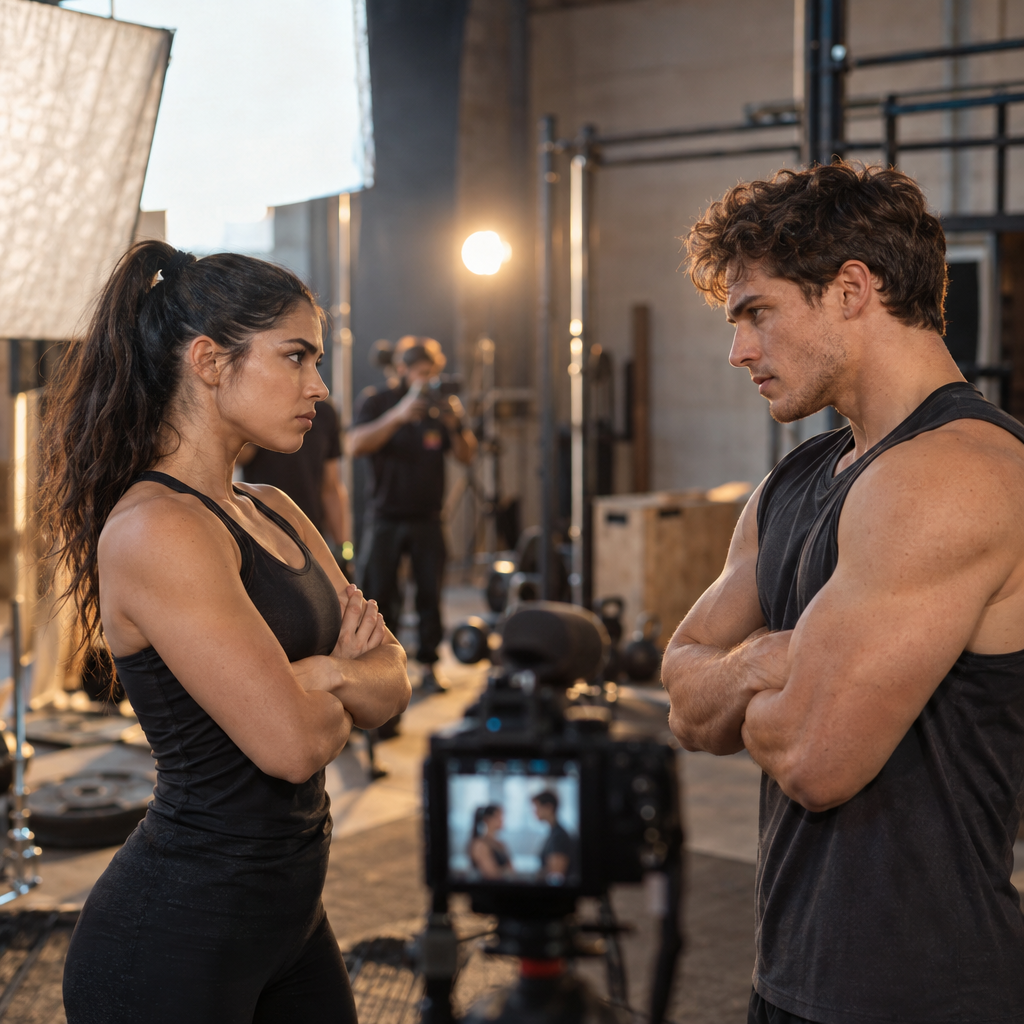
Seventy percent of consumers trust influencer recommendations over traditional ads, according to Statista research on branded content performance. But trust isn’t what makes a video travel. Conflict does. The versus challenge video format, two creators or two brands going head-to-head on a specific, visual claim, has quietly become one of the highest-shareability formats on TikTok and Reels. The problem? Most brands script them like product demos instead of rivalries, and the videos die at 400 views.
Why Versus Content Outperforms Standard Comparisons
A side-by-side comparison video tells viewers what to think. A versus challenge makes them pick a side. That distinction matters more than it sounds. Comparison content is informational; versus content is tribal. Once a viewer comments “Team Brand A” in the first ten seconds, the algorithm has a signal it loves: an engaged, divided audience arguing in real time.
This isn’t new psychology. Sports rivalries, political debates, even the Mac vs PC ads from two decades ago ran on the same fuel. What’s new is the format’s native fit for short-form video. A 30-second clip with a clear winner, a visible scoreboard, and a cliffhanger ending checks every box the TikTok and Reels algorithms reward: watch time, replays, and comment volume.
Versus content doesn’t just get watched, it gets argued about in the comments, and arguments are the cheapest distribution a brand will ever get.
The Four Beats of a Shareable Versus Script
Every versus challenge that actually breaks out follows a loose but consistent structure. Skip a beat and the video feels either staged or confusing, both of which kill shares.
- The setup (0 to 3 seconds): State the stakes immediately. “Two protein bars. One of us is lying about the sugar content.” No slow intros, no logo reveals.
- The rules (3 to 8 seconds): Define what counts as winning. Taste test, speed test, price per use, whatever it is, the audience needs a scoreboard before the contest starts.
- The contest (8 to 40 seconds): This is where brand-on-brand tension actually plays out. Quick cuts, reaction shots, visible scoring.
- The cliffhanger or verdict (final 5 seconds): Either declare a winner with a receipt (literal price tag, lab result, timer) or leave it open with “Part 2 tomorrow, you decide.”
Brands that skip the rules beat are the ones that get accused of rigging the contest. Viewers are forgiving of bias, oddly enough, but only if the scoring criteria were transparent from the start.
Picking the Right Opponent Brand
Here’s the part most marketing teams get wrong: they treat the “versus” as a creative device, not a partnership negotiation. If you’re running this as true brand-on-brand content (not just one creator mocking a generic competitor), you need the other brand’s legal and marketing sign-off, or you’re walking into a defamation and trademark minefield.
Three viable models exist:
- Co-branded friendly rivalry: Both brands agree to the format, split production costs, and cross-post. Lowest risk, highest production value, but requires real coordination.
- Creator-initiated, brand-approved: A creator proposes the battle, both brands supply product and review the script before publish. Faster to produce, still legally clean.
- Unaffiliated competitive roast: One brand sponsors a creator to compare against a named competitor without that competitor’s involvement. This is the riskiest version and the one that most often triggers takedown requests or FTC attention over substantiated claims.
Most brands should start with model two. It keeps creative control close to the brand while preserving the organic feel audiences respond to. If your legal team is nervous about comparative claims, review the FTC’s guidance on endorsements before locking a script, especially around superiority claims that need substantiation.
Scripting for the Algorithm, Not Just the Argument
A versus video can be entertaining and still underperform if it’s not built for the platform’s retention curve. The first three seconds carry disproportionate weight on watch-through rate, which is a lesson that applies across formats, not just this one. If you want a deeper breakdown of hook construction, the approach used in text overlay storytime hooks translates directly to versus openers: state the conflict before the context.
Pacing matters just as much as the hook. Versus videos that run longer than 45 seconds tend to lose the casual scroller, because the format promises a quick resolution and viewers feel cheated if it drags. Keep the “contest” section tight, cut on every reaction, and resist the urge to explain too much. Clarity beats completeness in a battle format.
Data from Sprout Social consistently shows that comment rate, not likes, is the engagement metric most correlated with algorithmic reach on short-form platforms, which makes versus content’s built-in debate structure a structural advantage over single-perspective formats.
Scoring Systems That Make the Battle Feel Fair
Viewers can smell a rigged game in about two seconds. If your brand wins every category, the comments section will turn against you faster than any competitor could. The fix isn’t to actually lose, it’s to build a scoring system with enough granularity that losing one or two rounds reads as credible, not catastrophic.
Practical scoring frameworks that work on camera:
- Category scorecards: Price, speed, taste, durability, each scored separately and shown on screen with a simple tally graphic.
- Blind testing: Creator doesn’t know which product is which until the reveal. This is the single most trust-building device in the format because it removes perceived bias entirely.
- Third-party judge: A second creator or even a random bystander scores the round, adding a layer of neutrality the brand can’t fake.
Blind testing in particular tends to outperform on shares, because the audience is watching an honest reaction, not a scripted one. If your product is genuinely strong on at least one measurable axis, blind format is almost always the better bet than a fully scripted win.
Disclosure Still Applies, Even When It’s a Battle
Versus videos often feel more like entertainment than advertising, which tempts brands to loosen up on disclosure. Don’t. If either side of the battle is sponsored, paid, or gifted, the FTC’s material connection rules apply exactly as they would to a standard review. This gets more complicated with two brands in one video, because both relationships may need separate disclosure depending on who paid whom. The same compliance logic covered in split screen videos scripting claims that survive compliance applies here almost word for word: disclose early, disclose per-platform, and don’t bury it in a caption nobody reads.
Comparative claims carry extra legal weight too. If a creator says “Brand A lasts twice as long as Brand B” on camera, that claim needs to be substantiated the same way it would in a print ad. Verbal claims in video are not exempt just because they feel casual.
Turning One Battle Into a Series
The highest-performing versus content rarely stays a one-off. Brands that get real traction treat the format like a recurring show: “Rematch Friday,” seasonal battles, or escalating stakes (round one is taste, round two is price, round three is a blind consumer panel). Series structure also solves a practical problem: it gives you a reason to post a follow-up even if round one didn’t go viral, buying a second shot at distribution without reshooting from scratch.
This mirrors a pattern already working well in other formats. The episodic approach detailed in Instagram features episodes applies directly: audiences return for format, not just for a single payoff. A versus series builds the same habit loop, except the hook each episode is “who wins this time” instead of “what happens next.”
Repurposing matters too. A strong 40-second battle can be sliced into a reaction clip, a “most shocking result” cutdown, and a behind-the-scenes outtake, the same multiplication logic covered in clipping long-form video into paid ad assets. One shoot, several assets, one recurring content calendar slot.
What to Track Before Scaling the Format
Before putting media spend behind a versus series, pull the raw numbers on the first attempt. Watch time retention past the 3-second mark, comment sentiment split (are people actually debating, or just confused), and share rate relative to your account average are the three signals that predict whether a second round is worth producing. If the hook framework in thumb stop metrics hasn’t cleared your usual benchmark, no amount of rivalry drama will save the ad spend behind it.
FAQs
Frequently Asked Questions
What makes a versus challenge video different from a standard comparison video?
A versus challenge creates a declared contest with rules, a scoreboard, and a winner, which invites audience debate. A standard comparison simply presents information side by side without inviting the viewer to pick a side, which tends to generate far less comment activity and sharing.
Do both brands need to approve the script in a brand-on-brand battle?
In most cases, yes. If the content includes a named competitor’s product, trademark, or direct comparative claim, getting sign-off from both brands’ legal teams avoids takedown requests and reduces exposure to defamation or false advertising disputes.
How do you avoid a versus video looking rigged?
Use blind testing where the creator doesn’t know which product is which until the reveal, build a transparent multi-category scorecard, or bring in a third-party judge. Losing at least one category on screen, even for the sponsoring brand, builds more long-term credibility than a clean sweep.
Does FTC disclosure still apply to versus and challenge formats?
Yes. If either brand paid for or gifted product in exchange for the content, that material connection must be disclosed clearly and early in the video, regardless of how entertaining or unscripted the format feels.
What length performs best for versus challenge videos?
Most high-performing versus videos run between 25 and 45 seconds. Longer videos tend to lose casual viewers because the format implicitly promises a quick resolution, and dragging the contest section reduces watch-through rate.
Should versus content be a one-off or a series?
Treating it as a recurring series, with rematches or escalating stakes, consistently outperforms one-off battles because it builds a repeat-viewing habit and gives the brand multiple chances at distribution without a full reshoot each time.
Start small: script one blind-tested versus battle with transparent scoring, clear disclosure, and a 30-second runtime, then measure comment sentiment before committing a media budget to a full series.
Top Influencer Marketing Agencies
The leading agencies shaping influencer marketing in 2026
Agencies ranked by campaign performance, client diversity, platform expertise, proven ROI, industry recognition, and client satisfaction. Assessed through verified case studies, reviews, and industry consultations.
Moburst

-
2

The Shelf
Boutique Beauty & Lifestyle Influencer AgencyA data-driven boutique agency specializing exclusively in beauty, wellness, and lifestyle influencer campaigns on Instagram and TikTok. Best for brands already focused on the beauty/personal care space that need curated, aesthetic-driven content.Clients: Pepsi, The Honest Company, Hims, Elf Cosmetics, Pure LeafVisit The Shelf → -
3

Audiencly
Niche Gaming & Esports Influencer AgencyA specialized agency focused exclusively on gaming and esports creators on YouTube, Twitch, and TikTok. Ideal if your campaign is 100% gaming-focused — from game launches to hardware and esports events.Clients: Epic Games, NordVPN, Ubisoft, Wargaming, Tencent GamesVisit Audiencly → -
4

Viral Nation
Global Influencer Marketing & Talent AgencyA dual talent management and marketing agency with proprietary brand safety tools and a global creator network spanning nano-influencers to celebrities across all major platforms.Clients: Meta, Activision Blizzard, Energizer, Aston Martin, WalmartVisit Viral Nation → -
5

The Influencer Marketing Factory
TikTok, Instagram & YouTube CampaignsA full-service agency with strong TikTok expertise, offering end-to-end campaign management from influencer discovery through performance reporting with a focus on platform-native content.Clients: Google, Snapchat, Universal Music, Bumble, YelpVisit TIMF → -
6

NeoReach
Enterprise Analytics & Influencer CampaignsAn enterprise-focused agency combining managed campaigns with a powerful self-service data platform for influencer search, audience analytics, and attribution modeling.Clients: Amazon, Airbnb, Netflix, Honda, The New York TimesVisit NeoReach → -
7

Ubiquitous
Creator-First Marketing PlatformA tech-driven platform combining self-service tools with managed campaign options, emphasizing speed and scalability for brands managing multiple influencer relationships.Clients: Lyft, Disney, Target, American Eagle, NetflixVisit Ubiquitous → -
8

Obviously
Scalable Enterprise Influencer CampaignsA tech-enabled agency built for high-volume campaigns, coordinating hundreds of creators simultaneously with end-to-end logistics, content rights management, and product seeding.Clients: Google, Ulta Beauty, Converse, AmazonVisit Obviously →