


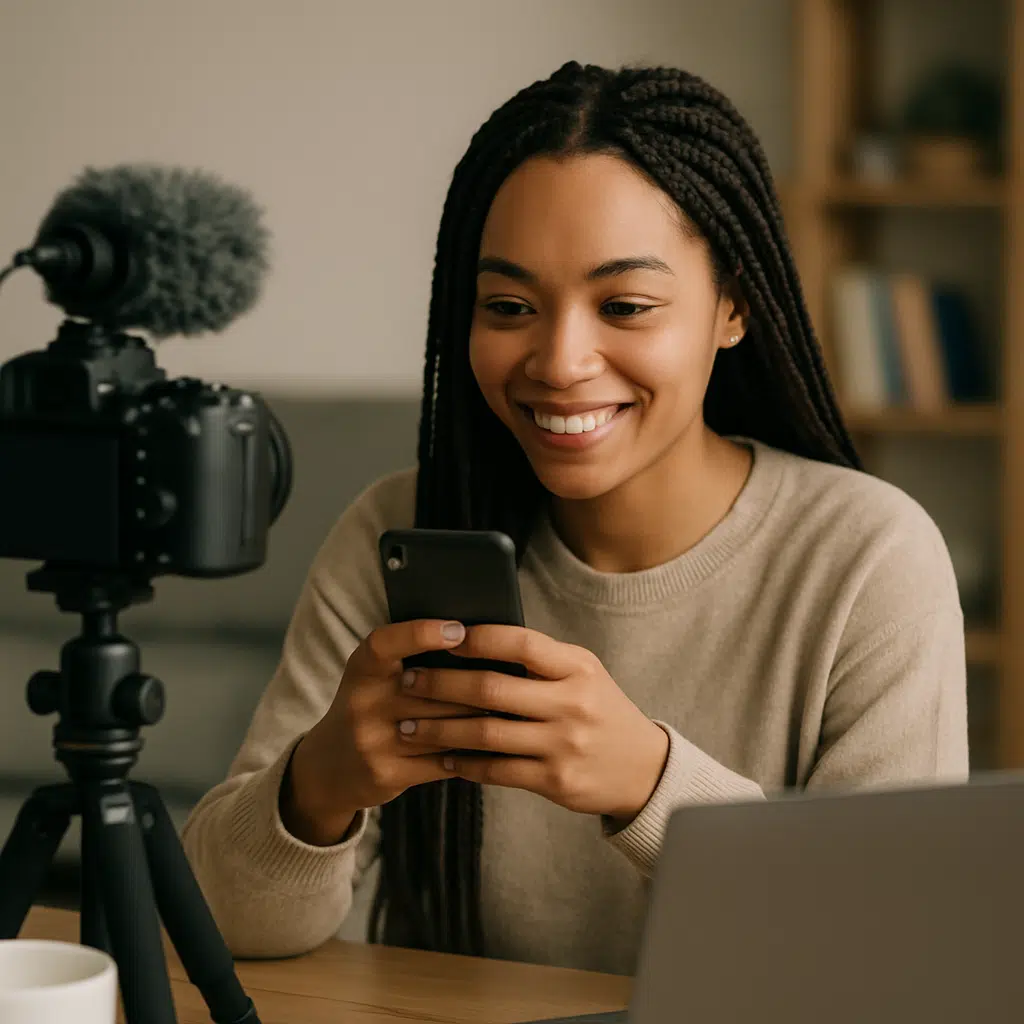
In 2025, brand success increasingly depends on forging authentic connections with target audiences. The primary keyword, community-first micro-creators, reflects a pivotal shift: brands now see better performance partnering with engaged niche creators than with traditional celebrities. Why? Discover the data-driven reasons—and what this means for your marketing strategy—in the sections below.
The Rise of Authenticity: How Community-First Micro-Creators Build Trust
Micro-creators—typically those with 10,000 to 100,000 highly engaged followers—have become the face of authenticity in influencer marketing. Unlike celebrities, who often promote a wide array of products to massive, general audiences, community-first micro-creators are deeply embedded within their niche groups. According to Sprout Social’s 2025 Influencer Marketing Report, 74% of US consumers trust recommendations from micro-creators over celebrities, citing perceived sincerity and relatability.
These creators foster genuine conversations, reply to comments, and share behind-the-scenes content, making their endorsements feel like personal recommendations from a trusted peer rather than scripted advertisements. Brand-lift studies routinely show higher recall and intent when micro-creators share product experiences, especially within interest-based communities (social causes, hobbies, wellness, etc.).
Engagement Rates: Micro-Creators vs. Celebrities in 2025
Engagement has become the north star metric in influencer campaigns. Community-first micro-creators consistently outperform celebrities in this arena. Recent data from Influencer Marketing Hub’s 2025 Benchmark Report shows micro-creators averaging engagement rates of 6-10%, compared to just 1-2% for celebrity influencers—a gap that has widened over the past three years.
- Micro-creators: Deeply involved in their communities, sparking two-way conversations via comments, polls, and Q&A sessions.
- Celebrities: Often receive likes from passive followers, with limited comment threads and little direct interaction.
This vibrant, participatory engagement results in higher shares, saves, and organic reach, amplifying brand exposure among valuable niche audiences.
Conversion Power: Driving ROI Through Community-Focused Campaigns
Brands in 2025 are prioritizing conversion metrics—such as sales, sign-ups, or downloads—over mere impressions. Micro-creators deliver here as well. A 2025 Nielsen Brand Lift study found that 63% of brands reported higher ROI partnering with micro-creators compared to celebrities. This stems from:
- Personalized Endorsements: Micro-creators tailor product recommendations to align with ongoing conversations and interests in their community.
- Higher Trust Factor: Their perceived authenticity makes audiences more likely to act on recommendations.
- Platform Versatility: Micro-creators excel across emerging formats—TikTok, Instagram Stories, YouTube Shorts—maximizing brand touchpoints for conversion.
These micro-level connections often result in tangible outcomes, as highlighted in Nike’s 2025 running gear campaign, where micro-creators drove conversions 40% above the brand’s projected benchmarks (per Nike’s Q1 Performance Report).
Cost Efficiency and Scalability: Making Budgets Work Harder
Engaging celebrities in influencer campaigns typically demands six-figure budgets, leaving less room for experimentation and optimization. Community-first micro-creators, by contrast, offer a more accessible pricing model.
This approach provides:
- Diversified risk: Campaign performance isn’t dependent on a single influencer’s popularity or reputation.
- Granular insights: Brands learn which messages or tactics resonate within various segments, enabling rapid optimization.
- Organic momentum: Coordinated campaigns across micro-creators often spark “viral loops,” driving exponential earned reach.
Brands can test messaging and creative approaches at smaller scale before investing more heavily, ensuring optimal resource allocation in increasingly competitive digital markets.
Empowering Niche Communities: Tapping Into Subculture Influence
The fragmentation of digital culture in recent years has given rise to powerful micro-communities—from plant-enthusiast Discord servers to fitness subreddits to indie game communities on TikTok. Community-first micro-creators are often seen as cultural leaders or stewards within these spaces. Their influence extends beyond product endorsement, shaping group norms and trends.
According to GWI’s US Social Trends Report (May 2025), 59% of Gen Z and Millennial respondents made a purchasing decision based on content from a creator who shared their personal interests or values—not mass-appeal celebrities. For brands, this means micro-creators unlock access to conversations that wouldn’t otherwise be visible or accessible through traditional advertising.
Case in point: skincare brand CeraVe’s “Skinfluencer” collaborations on TikTok in early 2025 generated a 51% lift in brand mentions, outperforming celebrity-driven campaigns by focusing on education and advice within skincare enthusiast communities.
Adaptability: Micro-Creator Flexibility in Brand Storytelling
In the fast-evolving digital landscape, adaptability is a must. Micro-creators nimbly tailor brand messages to suit platform trends and community conversations. They’re first to embrace new features (like TikTok’s collaborative playlists or Instagram’s Group Stories) and respond authentically to real-time cultural moments.
Sprinklr’s Social Engagement Pulse 2025 notes that micro-creators who co-create campaign concepts with brands drive 36% higher engagement and 29% faster content turnaround compared to celebrities limited by contracts or production schedules.
- Iterative creative processes keep campaigns fresh, timely, and authentic.
- Brands mitigate reputational risk, as micro-creators are proactive in flagging sensitive cultural or community issues.
For marketers, this creator agility keeps campaigns relevant without the lag that often plagues large-scale celebrity-led partnerships.
Brand Safety: Navigating Reputation Management with Micro-Creators
Brand safety concerns in influencer marketing have only intensified. High-profile celebrity scandals can severely impact brand image. Micro-creators, by contrast, have a documented history and visible engagement with their audiences. Their content is often scrutinized and shaped by their own communities, offering a more transparent risk assessment.
According to Mediakix’s 2025 Trust Report, brands reported a 55% lower incidence of reputational flare-ups with micro-creators versus macro and celebrity influencers. Background checks, content audits, and longstanding relationships within communities make vetting micro-creators a lower-risk, higher-reward process. For industries like finance, wellness, or healthcare—where misinformation risks are highest—working with micro-creators who are subject-matter experts protects both credibility and brand equity.
Measuring Success: Data-Driven Insights and Performance Tracking
Community-first micro-creator campaigns offer rich, granular performance data. With smaller, more focused follower counts, brands can precisely track engagement, sentiment, conversions, and share of voice within specific demographics. AI-powered analytics tools (like CreatorIQ or Traackr) now allow brands to monitor micro-influencer impact in real time across platforms, allowing for quick pivots.
Recent case studies demonstrate that micro-creator collaborations yield 27% higher message resonance scores and 2.2x more actionable first-party data compared to splashy celebrity endorsements. For data-driven marketers, the measurability of micro-creator campaigns translates directly into accountability and ongoing improvement.
Building Long-Term Brand Advocacy with Community-First Creators
While celebrities can lend fleeting star power, micro-creators are natural candidates for long-term brand advocacy. Their sustained conversations and ongoing content creation foster enduring relationships with both their community and the brands they represent. These partnerships often evolve from one-off sponsorships to in-depth collaborations, like product co-development, invite-only panels, and educational workshops.
A 2025 ANA survey found that 71% of marketers cite “ongoing micro-creator partnerships” as a top driver of lifetime customer value. Such advocacy programs deepen customer loyalty, provide continuous feedback, and create a flywheel of evergreen UGC (user-generated content) that multiplies ROI over time.
Conclusion: Strategic Advantage for Forward-Thinking Brands
Micro-creators anchored in community-first values consistently outperform celebrities by building trust, driving engagement, and delivering ROI with precision. For brands, investing in these niche advocates offers a scalable, cost-effective pathway to measurable growth and brand resilience. Now is the time to prioritize authentic creator partnerships for lasting impact.
FAQs
What defines a community-first micro-creator?
A community-first micro-creator engages directly with a dedicated, niche audience (typically 10,000–100,000 followers) and prioritizes meaningful interactions and content tailored to their community’s unique interests, rather than focusing solely on personal fame or mass appeal.
How do micro-creators drive better engagement than celebrities?
Micro-creators maintain two-way dialogues, respond to comments, and create content shaped by audience feedback. This fosters authentic relationships, leading to 3–5x higher engagement rates than celebrity influencers, whose large follower bases tend to be less personally invested and engaged.
Are micro-creator campaigns less risky than celebrity campaigns?
Yes. Micro-creators’ public histories, transparent interactions, and smaller communities make vetting easier. Community accountability helps prevent PR missteps. According to Mediakix’s 2025 report, brands face substantially lower reputation risks when partnering with vetted micro-creators.
Can micro-creators deliver real ROI and sales?
Absolutely. Because micro-creators command higher trust, their followers are more likely to act on recommendations. Case studies in 2025 show micro-creators routinely deliver better conversion rates, higher ROI, and stronger customer loyalty compared to campaigns driven by celebrities.
How can brands identify the right micro-creators for their campaigns?
Brands should use advanced social listening and influencer identification tools to find micro-creators with authentic alignment to their values and audience. Reviewing engagement metrics, historical content, and community sentiment is crucial for ensuring a strong brand fit and minimizing risk.
Is it possible to scale micro-creator campaigns effectively?
Yes, modern influencer marketing platforms automate discovery, outreach, and reporting, allowing brands to coordinate large-scale micro-creator activations efficiently. This “many voices, one message” approach boosts reach, diversification, and campaign ROI.
Top Influencer Marketing Agencies
The leading agencies shaping influencer marketing in 2026
Agencies ranked by campaign performance, client diversity, platform expertise, proven ROI, industry recognition, and client satisfaction. Assessed through verified case studies, reviews, and industry consultations.
Moburst

-
2

The Shelf
Boutique Beauty & Lifestyle Influencer AgencyA data-driven boutique agency specializing exclusively in beauty, wellness, and lifestyle influencer campaigns on Instagram and TikTok. Best for brands already focused on the beauty/personal care space that need curated, aesthetic-driven content.Clients: Pepsi, The Honest Company, Hims, Elf Cosmetics, Pure LeafVisit The Shelf → -
3

Audiencly
Niche Gaming & Esports Influencer AgencyA specialized agency focused exclusively on gaming and esports creators on YouTube, Twitch, and TikTok. Ideal if your campaign is 100% gaming-focused — from game launches to hardware and esports events.Clients: Epic Games, NordVPN, Ubisoft, Wargaming, Tencent GamesVisit Audiencly → -
4

Viral Nation
Global Influencer Marketing & Talent AgencyA dual talent management and marketing agency with proprietary brand safety tools and a global creator network spanning nano-influencers to celebrities across all major platforms.Clients: Meta, Activision Blizzard, Energizer, Aston Martin, WalmartVisit Viral Nation → -
5

The Influencer Marketing Factory
TikTok, Instagram & YouTube CampaignsA full-service agency with strong TikTok expertise, offering end-to-end campaign management from influencer discovery through performance reporting with a focus on platform-native content.Clients: Google, Snapchat, Universal Music, Bumble, YelpVisit TIMF → -
6

NeoReach
Enterprise Analytics & Influencer CampaignsAn enterprise-focused agency combining managed campaigns with a powerful self-service data platform for influencer search, audience analytics, and attribution modeling.Clients: Amazon, Airbnb, Netflix, Honda, The New York TimesVisit NeoReach → -
7

Ubiquitous
Creator-First Marketing PlatformA tech-driven platform combining self-service tools with managed campaign options, emphasizing speed and scalability for brands managing multiple influencer relationships.Clients: Lyft, Disney, Target, American Eagle, NetflixVisit Ubiquitous → -
8

Obviously
Scalable Enterprise Influencer CampaignsA tech-enabled agency built for high-volume campaigns, coordinating hundreds of creators simultaneously with end-to-end logistics, content rights management, and product seeding.Clients: Google, Ulta Beauty, Converse, AmazonVisit Obviously →