


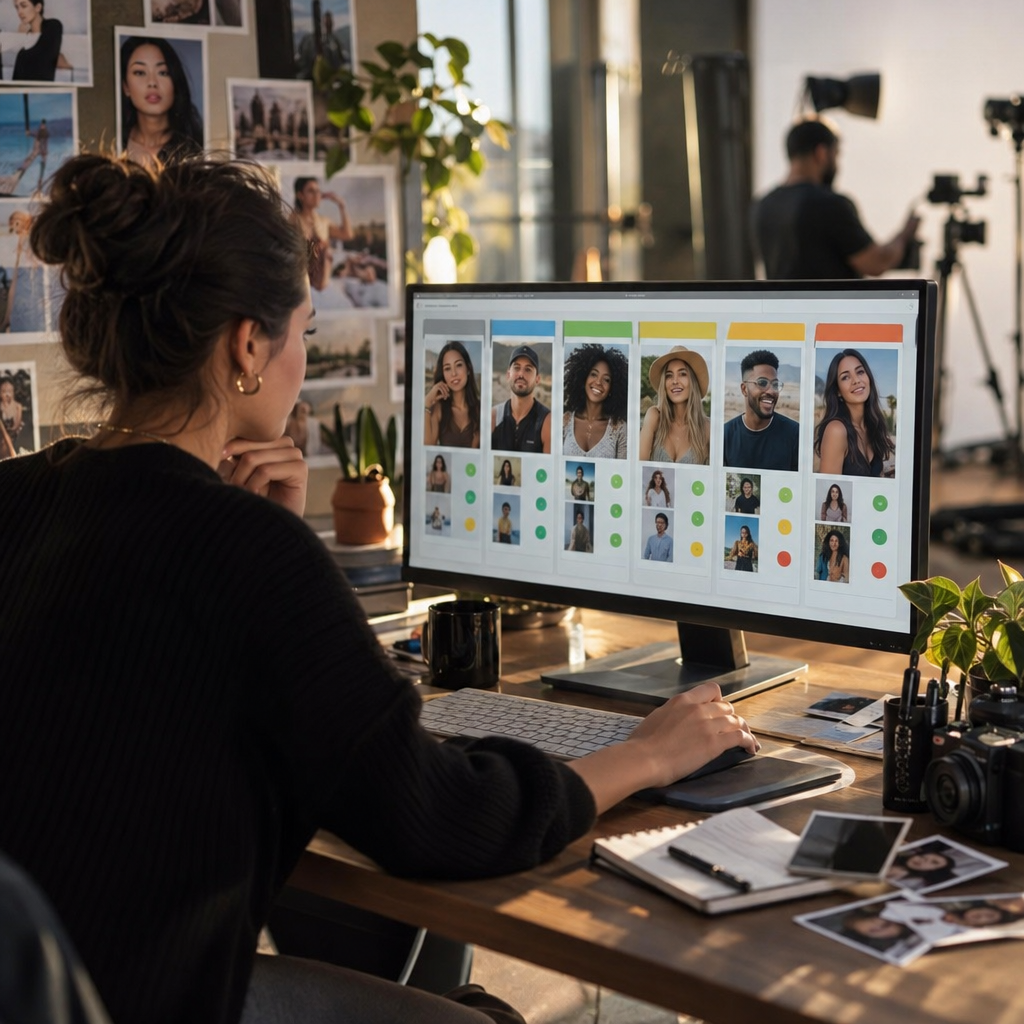
Nearly three in four brands expect to raise influencer budgets by 50% or more. Few have a repeatable creator sourcing system to spend it well. Budgets are climbing fast, yet most teams still source creators the way they did when spend was small. Without a process, more money just means more chaos.
Why ad hoc sourcing breaks at scale
Early on, sourcing is a founder scrolling TikTok and sending DMs. It works. Then you hit ten markets, five product lines and three agencies, and nobody can explain why a creator was picked.
The symptoms are familiar. Duplicate outreach to the same creator from two teams. Rates that swing wildly for similar reach. Disclosure checks that happen after the post goes live. And a bench that resets to zero every time a campaign manager leaves.
Many brands now run influencer programs largely in-house, which means sourcing quality depends on your own process, not an agency’s rolodex. That means sourcing quality depends on your own process, not an agency’s rolodex. If you are in that majority, the system is your competitive edge.
A sourcing system is not a creator database. It is a set of decisions (who qualifies, who decides, how fast) that survive staff turnover.
The five-part sourcing blueprint
Strip away the tooling and every durable system has the same five parts.
- A written creator profile. Audience geography, content format, category adjacency, brand safety floor, and a target cost range. One page, owned by a named person.
- Multiple intake channels. Platform marketplaces, customer and affiliate mining, AI discovery, agency referrals, and inbound applications. Each channel gets tracked separately.
- A scoring rubric. Weighted criteria, same for everyone.
- Stage gates. Screen, vet, test, scale. Each gate has an owner and a deadline.
- A bench. Approved creators, with performance notes and rate history, ready to activate.
Notice what is missing: a perfect tool. Tools feed the funnel. They do not replace the rubric.
Where do the leads actually come from?
Diversify intake, then measure it. Four sources earn their place in most programs.
- Your own customers. Creators who already buy and post about you convert cheaper and sound credible. Mine tagged posts and affiliate sign-ups monthly.
- Platform-native marketplaces. YouTube folded BrandConnect and the Creator Partnerships Hub into a single product called YouTube Creator Partnerships, live in seven markets including the US, UK, India and Brazil. If YouTube is on your plan, make it a standing intake channel.
- AI discovery. Creator discovery is one of the most common uses of AI in influencer workflows, so expect your team to reach for it. Treat it as a lead generator, not a decision maker.
- Agency and talent referrals. Useful for speed and for tier-one names. Our agency RFP framework helps you judge who is worth the markup.
Before trusting any matching engine, run it through an AI matching due diligence checklist. Ask what data trained it, how it handles fake engagement, and whether you can export your shortlists if you leave.
Score before you spend
Gut feel scales badly. A rubric scales well.
A workable version uses six criteria, each scored 1-5 and weighted to your goals:
- Audience fit (location, age, purchase intent)
- Content quality and format match
- Engagement authenticity (comment quality, not just rate)
- Brand safety history
- Commercial readiness (response time, past sponsored work, usage rights openness)
- Cost efficiency against your target range
Set a pass mark and a “needs review” band. Anyone below the pass mark is archived with a reason, not deleted. That archive saves hours when someone suggests the same creator six months later.
Which weights should you pick?
It depends on the goal. A launch aimed at awareness should weight audience fit and content quality. A conversion push should weight commercial readiness and cost efficiency. Document the weights per campaign type so reviewers do not relitigate them every time.
Compliance is a gate, not a cleanup
Put disclosure and brand safety inside the vetting stage. The FTC’s guidance states that if it needs to act, its focus usually falls on advertisers or their ad agencies, and it has a section on what advertisers are responsible for when others speak about their products on social media. Brands cannot hand that risk off to the creator.
Practical gate items: a signed disclosure clause, a review of the last 20 sponsored posts for clear labeling, and a content approval step before publishing. For UGC-heavy programs, see how AI moderation closes gaps that manual review misses.
Test small, then promote from the bench
Never go straight from “looks great” to a six-figure deal. Run a paid test: one deliverable, tracked code or link, a clear success threshold. Promote winners to a retainer or a performance-based contract.
Speed matters here. Speed matters here, because many brands now expect creator spend to pay back within weeks, not quarters. A test cycle that takes eight weeks cannot serve that expectation. Cap each stage at a set number of days and track cycle time like any other KPI.
What should the bench record? Rate paid, usage rights granted, performance versus forecast, and a one-line “would rehire” verdict. Next quarter’s brief starts with the bench, not a blank search.
Who runs it?
Systems die without owners. Name one person accountable for the pipeline, usually a creator partnerships lead, and give them authority over the rubric. If you are still deciding where that role sits, the staffing framework maps people to each stage. Review the pipeline monthly: leads per channel, pass rate, cost per qualified creator, test win rate, and days from intake to contract.
Next step: This week, write your one-page creator profile and a six-criterion rubric, then rescore your current top 20 creators against it. The gaps you find are your first sourcing priorities.
FAQs
What is a creator sourcing system?
It is a documented process for finding, scoring, vetting, testing and storing creators so results do not depend on one person’s instincts. It includes intake channels, a rubric, stage gates and a bench of approved talent.
How many creators should be in a bench?
Size it to your activation pace. A common rule is three to five vetted options for every slot you expect to fill each quarter, so a dropout never stalls a campaign.
Should we use AI to find creators?
Yes, as a lead generator. The Influencer Marketing Hub benchmark found AI is most used for creator discovery. Keep human review on audience fit, brand safety and authenticity before anyone is approved.
How do we keep sourcing compliant?
Build disclosure checks into the vetting gate, require signed disclosure terms, and review past sponsored posts. FTC guidance indicates enforcement often targets advertisers or their agencies, so the brand carries real exposure.
How fast should a sourcing cycle be?
Fast enough to match your payback window. With many brands expecting payback inside a month, aim for a few weeks from intake to a live test, and set a maximum number of days per stage.
In-house or agency sourcing?
Many brands run it in-house, but a hybrid often works: agencies for premium or new-market talent, your team for the core bench and rubric. Keep the scoring standard identical for both.
Top Influencer Marketing Agencies
The leading agencies shaping influencer marketing in 2026
Agencies ranked by campaign performance, client diversity, platform expertise, proven ROI, industry recognition, and client satisfaction. Assessed through verified case studies, reviews, and industry consultations.
Moburst

-
2

The Shelf
Boutique Beauty & Lifestyle Influencer AgencyA data-driven boutique agency specializing exclusively in beauty, wellness, and lifestyle influencer campaigns on Instagram and TikTok. Best for brands already focused on the beauty/personal care space that need curated, aesthetic-driven content.Clients: Pepsi, The Honest Company, Hims, Elf Cosmetics, Pure LeafVisit The Shelf → -
3

Audiencly
Niche Gaming & Esports Influencer AgencyA specialized agency focused exclusively on gaming and esports creators on YouTube, Twitch, and TikTok. Ideal if your campaign is 100% gaming-focused — from game launches to hardware and esports events.Clients: Epic Games, NordVPN, Ubisoft, Wargaming, Tencent GamesVisit Audiencly → -
4

Viral Nation
Global Influencer Marketing & Talent AgencyA dual talent management and marketing agency with proprietary brand safety tools and a global creator network spanning nano-influencers to celebrities across all major platforms.Clients: Meta, Activision Blizzard, Energizer, Aston Martin, WalmartVisit Viral Nation → -
5

The Influencer Marketing Factory
TikTok, Instagram & YouTube CampaignsA full-service agency with strong TikTok expertise, offering end-to-end campaign management from influencer discovery through performance reporting with a focus on platform-native content.Clients: Google, Snapchat, Universal Music, Bumble, YelpVisit TIMF → -
6

NeoReach
Enterprise Analytics & Influencer CampaignsAn enterprise-focused agency combining managed campaigns with a powerful self-service data platform for influencer search, audience analytics, and attribution modeling.Clients: Amazon, Airbnb, Netflix, Honda, The New York TimesVisit NeoReach → -
7

Ubiquitous
Creator-First Marketing PlatformA tech-driven platform combining self-service tools with managed campaign options, emphasizing speed and scalability for brands managing multiple influencer relationships.Clients: Lyft, Disney, Target, American Eagle, NetflixVisit Ubiquitous → -
8

Obviously
Scalable Enterprise Influencer CampaignsA tech-enabled agency built for high-volume campaigns, coordinating hundreds of creators simultaneously with end-to-end logistics, content rights management, and product seeding.Clients: Google, Ulta Beauty, Converse, AmazonVisit Obviously →