


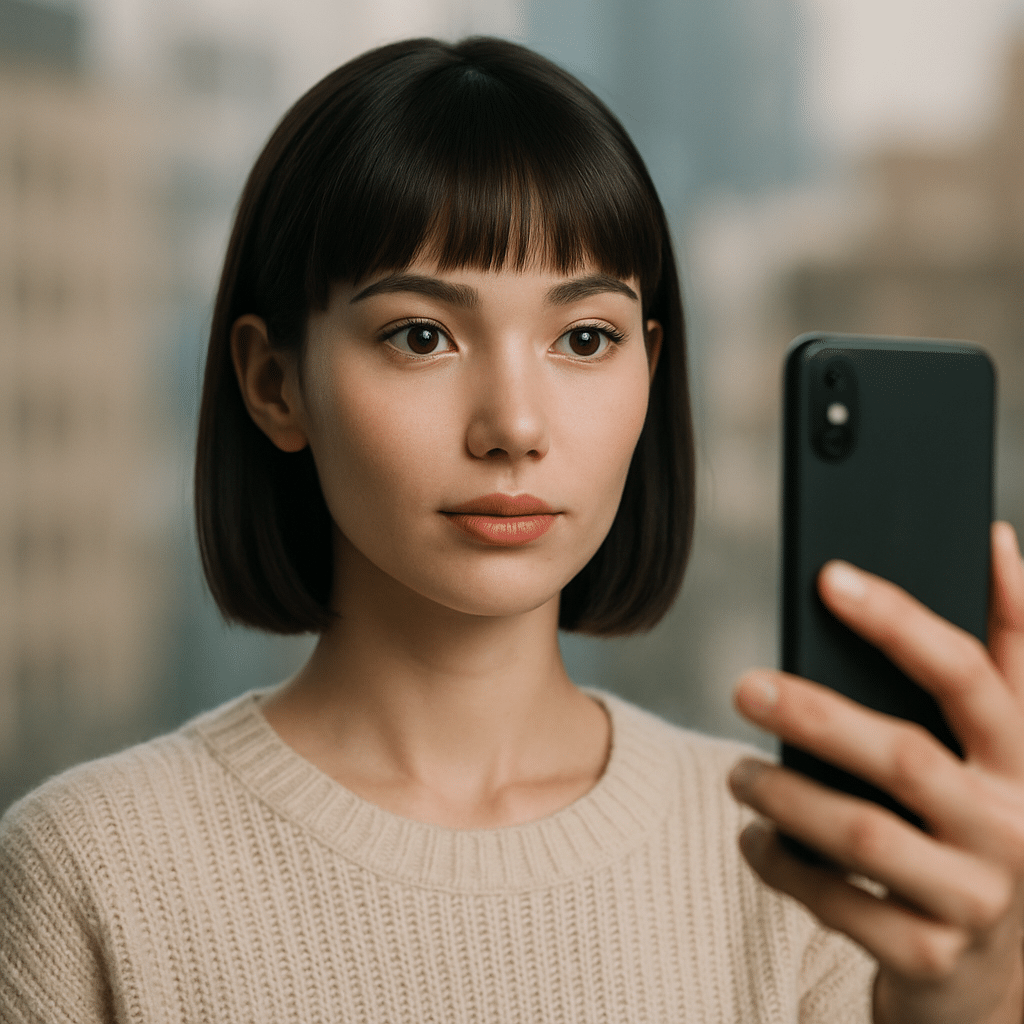
AI-generated virtual influencers have taken center stage in 2025, reshaping social media marketing and ethical debates. As brands leverage digital personalities for influence and engagement, the ethical implications are more important than ever. How do these virtual entities affect transparency, trust, and authenticity in online communities? Dive into the emerging ethical challenges shaping the future of AI-powered influencers.
The Rise of AI-Generated Virtual Influencers in 2025
Virtual influencers—computer-generated personalities powered by artificial intelligence—are now a fixture of digital marketing in 2025. These sophisticated avatars engage millions across platforms like Instagram, TikTok, and emerging metaverse spaces. Brands favor AI-generated influencers for their customizability, control, and 24/7 availability. Recent surveys indicate that over 58% of global marketers have incorporated at least one virtual influencer into their campaigns this year, signaling mainstream acceptance and rapid technological progression.
Technological innovations have enabled these virtual influencers to interact conversationally, generate original content, and even form “relationships” with followers. Consumers’ ability to instantly connect with impeccably curated digital personas, however, raises vital ethical questions about reality, representation, and intent. The current landscape demands thoughtful scrutiny of how these entities affect user perceptions and brand accountability.
Transparency in Virtual Influencer Marketing
Transparency is a cornerstone of ethical AI-generated content, especially as virtual influencers blur the lines between real and artificial. In 2025, regulators and social media platforms require explicit disclosure of non-human origin. Yet, the implementation varies. Some brands proactively label their AI-generated influencers, while others bury this information in fine print.
Lack of clear identification can mislead audiences, influencing consumer decisions based on a fabricated persona. A recent Global Digital Ethics Report finds that 67% of users believe they should always be notified when interacting with virtual entities online. For ethical marketers, ensuring users are fully aware of an influencer’s artificial nature reinforces trust and mitigates backlash or reputational harm.
- Clear disclaimers in bio and sponsored posts are now industry best practice.
- Brands are adopting AI transparency badges standardized by regulatory bodies.
- Social platforms may enforce new algorithms to auto-identify and tag virtual influencers by year’s end.
Trust, Authenticity, and Community Impact
The relationship between trust and authenticity is complex in the context of AI-generated influencers. While some followers revel in the novelty, others feel deceived by digital facsimiles posing as relatable individuals. In 2025, research from the International Journal of Digital Society shows that 42% of gen Z users value “digital authenticity”—which includes clear disclosure and ethical storytelling—over mere human origin.
Virtual influencers are curated for perfection, yet their interactions can set unrealistic expectations or present filtered versions of reality. Critics point to the risks of amplifying unattainable beauty standards, narrow worldviews, or highly commercialized lifestyles, which can negatively affect mental health and self-esteem. Ethical brands are addressing these concerns by crafting more diverse, transparent, and responsible AI personas, incorporating user feedback and fostering open dialogue within their communities.
- AI-generated influencers must reflect diverse identities and authentic experiences.
- Content should avoid glamorizing harmful stereotypes or impractical lifestyles.
- Engagement strategies should prioritize community well-being and inclusivity.
Data Privacy and AI Agency Concerns
Data privacy is a pressing issue as virtual influencers collect, learn from, and respond to vast user datasets. By 2025, AI systems are increasingly autonomous, making real-time decisions based on behavioral analytics and sentiment mapping. This raises questions regarding informed consent, data protection, and user agency.
The deployment of virtual influencers introduces two key ethical dilemmas:
- Informed Consent: Are users aware that their interactions data is analyzed by AI and potentially shared with brands or third-parties?
- Autonomy and Manipulation: How much autonomy should be allowed for AI influencers, especially when personalizing content that could influence purchasing decisions?
Brands and developers must abide by evolving data privacy regulations, such as the Global AI Transparency Act adopted by several countries this year. Ethical deployment hinges on stringent data governance, robust cybersecurity measures, and fully transparent data policies presented to users up front.
The Social Responsibility of Brands Using AI Influencers
Brands wield immense power when deploying AI-generated influencers, and with that comes heightened social responsibility. In 2025, there is a growing expectation for companies to go beyond profit, considering long-term societal impacts. Public backlash against misleading campaigns, algorithmic bias, or exploitative sponsorships can irreparably harm brand reputation in an era where digital literacy is at an all-time high.
Key practices for ethical brand stewardship include:
- Ethical Content Review: Establish independent review boards to assess the potential impact of AI influencer campaigns.
- Bias Mitigation: Routinely audit AI systems for stereotypes and discriminatory modeling.
- Stakeholder Engagement: Involve diverse user groups, regulators, and digital ethics experts in campaign planning and execution.
- Human Oversight: Ensure all AI influencer activities are monitored by responsible human agents, maintaining accountability and responsiveness.
Done right, AI-driven campaigns can champion inclusivity, innovation, and positive social trends—provided companies uphold rigorous ethical standards and listen to evolving community values.
Regulatory Landscape and Future Ethical Challenges
By 2025, national and international regulators increasingly emphasize clear guidelines for AI-generated virtual influencers. The recently enacted Digital Communications and Advertising Directive sets a new gold standard: AI personas must disclose their nature and comply with comprehensive data, advertising, and content integrity rules.
However, the pace of innovation often outstrips regulation. Emerging challenges on the horizon include:
- Deepfake misuse and proliferation of malicious AI influencers spreading misinformation.
- Balancing creative expression for brands with user rights to informed, bias-free content.
- Addressing cross-border legal complexities as virtual influencers transcend national boundaries.
Ongoing collaboration between governments, technology providers, and the public is required to close regulatory gaps and ensure AI-generated influencers operate ethically across all platforms.
Conclusion: Navigating the Ethics of Virtual Influencers
As AI-generated virtual influencers dominate digital landscapes in 2025, transparent, responsible practices are non-negotiable for brands. The future hinges on clear disclosures, user trust, data privacy, and meaningful oversight. By prioritizing ethical guidelines and community impact, marketers and developers can harness the power of virtual influencers while safeguarding authenticity and societal well-being.
Frequently Asked Questions (FAQs) about the Ethics of AI-Generated Virtual Influencers
-
Are virtual influencers required to disclose their AI nature in 2025?
Yes. In 2025, most global regulatory bodies require clear disclosure whenever users interact with AI-generated influencers. Transparent labeling has become both a legal and ethical necessity.
-
Can AI-generated influencers create misleading or harmful content?
AI influencers can generate content rapidly and at scale, increasing the risk of unintentional bias or misleading messaging. Ongoing human oversight, rigorous testing, and ethical review processes help minimize these risks.
-
Who is responsible when a virtual influencer violates advertising standards?
Brands, technology providers, and human overseers share responsibility. Most regulatory frameworks in 2025 require clear lines of accountability for AI-generated content, ensuring ethical compliance at every stage of influencer campaigns.
-
Do virtual influencers respect user data privacy?
Reputable brands and platforms follow international data protection laws and provide transparent privacy policies. Users should always be notified when data is collected or analyzed by AI-powered personas.
-
How can brands ensure their AI influencers are ethical?
Effective brands implement independent content audits, involve diverse stakeholders, maintain transparency, and continually update AI systems to detect and correct bias or misinformation.
Top Influencer Marketing Agencies
The leading agencies shaping influencer marketing in 2026
Agencies ranked by campaign performance, client diversity, platform expertise, proven ROI, industry recognition, and client satisfaction. Assessed through verified case studies, reviews, and industry consultations.
Moburst

-
2

The Shelf
Boutique Beauty & Lifestyle Influencer AgencyA data-driven boutique agency specializing exclusively in beauty, wellness, and lifestyle influencer campaigns on Instagram and TikTok. Best for brands already focused on the beauty/personal care space that need curated, aesthetic-driven content.Clients: Pepsi, The Honest Company, Hims, Elf Cosmetics, Pure LeafVisit The Shelf → -
3

Audiencly
Niche Gaming & Esports Influencer AgencyA specialized agency focused exclusively on gaming and esports creators on YouTube, Twitch, and TikTok. Ideal if your campaign is 100% gaming-focused — from game launches to hardware and esports events.Clients: Epic Games, NordVPN, Ubisoft, Wargaming, Tencent GamesVisit Audiencly → -
4

Viral Nation
Global Influencer Marketing & Talent AgencyA dual talent management and marketing agency with proprietary brand safety tools and a global creator network spanning nano-influencers to celebrities across all major platforms.Clients: Meta, Activision Blizzard, Energizer, Aston Martin, WalmartVisit Viral Nation → -
5

The Influencer Marketing Factory
TikTok, Instagram & YouTube CampaignsA full-service agency with strong TikTok expertise, offering end-to-end campaign management from influencer discovery through performance reporting with a focus on platform-native content.Clients: Google, Snapchat, Universal Music, Bumble, YelpVisit TIMF → -
6

NeoReach
Enterprise Analytics & Influencer CampaignsAn enterprise-focused agency combining managed campaigns with a powerful self-service data platform for influencer search, audience analytics, and attribution modeling.Clients: Amazon, Airbnb, Netflix, Honda, The New York TimesVisit NeoReach → -
7

Ubiquitous
Creator-First Marketing PlatformA tech-driven platform combining self-service tools with managed campaign options, emphasizing speed and scalability for brands managing multiple influencer relationships.Clients: Lyft, Disney, Target, American Eagle, NetflixVisit Ubiquitous → -
8

Obviously
Scalable Enterprise Influencer CampaignsA tech-enabled agency built for high-volume campaigns, coordinating hundreds of creators simultaneously with end-to-end logistics, content rights management, and product seeding.Clients: Google, Ulta Beauty, Converse, AmazonVisit Obviously →