


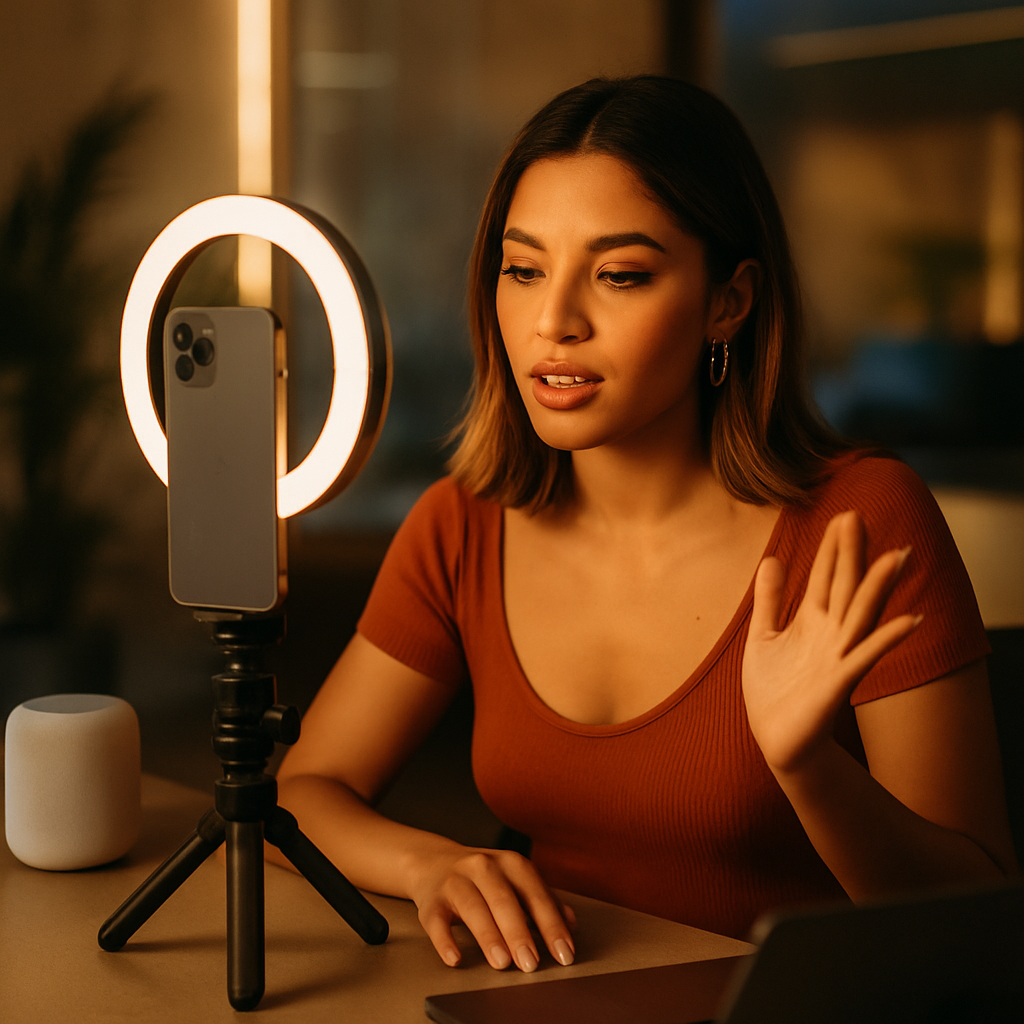
The rise of perfectly curated social feeds once fueled influencer marketing’s explosive growth, but some experts argue we’re moving towards a “post-authenticity” era in influencer content. Is performative relatability replacing genuine connection—and what does this mean for consumers and brands? Let’s explore what’s really driving the next evolution in digital influence, and why it matters now more than ever.
The Shift Toward Perceived Authenticity in Influencer Marketing
Early influencer content thrived on the promise of authenticity—a window into “real life” moments, unfiltered and unpolished. By 2025, however, audiences have grown more discerning, often questioning the sincerity behind supposedly genuine posts. Recent data from Influencer Marketing Hub notes that 72% of Gen Z can identify sponsored content without disclosures. The desire for trust has now morphed into a unique skepticism: Is what’s presented as authentic just another performance?
Many influencers now carefully craft their “relatable” content, balancing vulnerabilities with brand promotions. The lines between real life and digital persona blur further as creators use storytelling, product placement, and even staged “mistakes” to maintain engagement. This signals a clear trend: Perceived authenticity has become its own aesthetic.
Performance Versus Reality: The Hallmarks of the Post-Authenticity Era
As influencer culture evolves, “post-authenticity” describes an environment where audiences expect—and even appreciate—craftsmanship, not just candor. Experts from Creator IQ highlight emerging markers of this era:
- Curated Imperfection: Deliberate messiness, manufactured relatability, or oversharing orchestrated for impact
- Satirical Self-Awareness: Content that winks at the audience, openly acknowledging its commercial intent
- Layered Storytelling: Blending real experience with artifice to produce emotionally resonant narratives
Consumers now value content that feels relevant and well-produced—sometimes more than whether it’s 100% genuine. The conversation has shifted from “Is this real?” to “Does this content serve my needs, entertain, or inspire?”
Why Audiences Play a Key Role in Shaping Influencer Transparency
The post-authenticity era is not solely the result of creator choices—audiences are actively reshaping content standards. According to a 2025 Sprout Social survey, 61% of audiences accept that most personal stories online are curated, yet 58% still seek transparency in endorsements and partnerships. This paradox drives influencers to strike a balance between “real enough” and entertaining.
- Audiences crave behind-the-scenes glimpses, but they’re also entertained by highly produced content.
- Calls for brand transparency are louder, especially around #ad and #sponsored disclosures.
- Micro-moments of vulnerability—scripted or not—build parasocial relationships that foster loyalty.
The role of the audience is therefore dynamic: they both raise the bar for believability and reward looks behind the curtain—even when those looks are orchestrated.
Brand Strategy: Navigating Influence in the Post-Authenticity Age
For brands, navigating influencer partnerships in this shifting landscape requires flexibility and digital literacy. Consumers expect social accountability and swift responses to authenticity fails, but they also reward creative, self-aware campaigns. Major brands in 2025 are finding success by:
- Choosing Values-Driven Influencers: Collaborators whose personal brands align with a company’s mission—even if their content style leans into performativity.
- Prioritizing Disclosure: Clear endorsement statements foster trust, with leading ad bodies in 2025 demanding strict adherence to transparency guidelines.
- Embracing Diverse Storytelling: Working with nano- and micro-influencers to reach authentic micro-communities with compelling, hybrid content formats.
Brands now must evaluate influencer partnerships not just for audience reach, but for subtle markers of credibility, empathy, and real impact—even when content is constructed with a knowing wink to the “behind-the-scenes” nature of it all.
The Rise of AI and Deepfakes in Shaping Influence
AI-generated content and deepfakes are rapidly blurring the line between real and artificial influence. Influencers in 2025 increasingly use generative tools to create photorealistic visuals, clone their voices, or design personalized content at scale. While this drives innovation and efficiency, it also intensifies concerns around misinformation and manipulation.
To counteract skepticism, some creators openly disclose AI’s role in their production, flipping potential criticism into a transparency-driven selling point. For audiences, the dividing line is clear: It’s less about how content is made and more about why and whom it serves.
The Future of Influencer Content: Connection Over Perfection
Are we entering the “post-authenticity” era for good? The evidence suggests not a retreat from authenticity, but rather a redefined standard. As long as influencers and brands prioritize relevance, transparency, and true audience engagement, curated or AI-assisted content can still drive powerful connections.
In 2025, the new metric is not absolute genuineness, but resonance: Does this content understand and serve its community? Those who answer that question with nuance and honesty will stay influential, no matter how the landscape changes.
FAQs: Post-Authenticity and the Future of Influencer Marketing
-
What is the “post-authenticity” era in influencer content?
It’s a cultural shift where audiences recognize that most influencer content is curated or even performed. Authenticity is now about relatability, transparency, and emotional resonance, rather than strict realism.
-
Are audiences bothered by curated or AI-generated influencer content?
Most audiences accept that influencer content is crafted, and value storytelling and transparency. Clear disclosures and content that resonates are more important than total spontaneity.
-
How can brands maintain trust in this new era?
Brands succeed by partnering with values-aligned creators, practicing open disclosure, and supporting content that genuinely understands its target audience’s needs.
-
Does authenticity still matter for influencer marketing success?
Yes— but today’s authenticity is about delivering real value and cultural relevance rather than mere unfiltered moments. Influencers who mix performance with genuine community engagement remain trusted.
-
Will AI and deepfakes hurt influencer trust?
While concerns exist, clear disclosure and purposeful content creation can help maintain or even enhance trust. Audiences respond more to intent and transparency than the technology itself.
In summary, influencer content in the post-authenticity era relies less on unfiltered reality and more on transparent, values-driven storytelling. Both brands and creators can thrive by embracing transparency, listening to audiences, and focusing on meaningful connection—proving that trust and impact are still within reach, even as the digital landscape transforms.
Top Influencer Marketing Agencies
The leading agencies shaping influencer marketing in 2026
Agencies ranked by campaign performance, client diversity, platform expertise, proven ROI, industry recognition, and client satisfaction. Assessed through verified case studies, reviews, and industry consultations.
Moburst

-
2

The Shelf
Boutique Beauty & Lifestyle Influencer AgencyA data-driven boutique agency specializing exclusively in beauty, wellness, and lifestyle influencer campaigns on Instagram and TikTok. Best for brands already focused on the beauty/personal care space that need curated, aesthetic-driven content.Clients: Pepsi, The Honest Company, Hims, Elf Cosmetics, Pure LeafVisit The Shelf → -
3

Audiencly
Niche Gaming & Esports Influencer AgencyA specialized agency focused exclusively on gaming and esports creators on YouTube, Twitch, and TikTok. Ideal if your campaign is 100% gaming-focused — from game launches to hardware and esports events.Clients: Epic Games, NordVPN, Ubisoft, Wargaming, Tencent GamesVisit Audiencly → -
4

Viral Nation
Global Influencer Marketing & Talent AgencyA dual talent management and marketing agency with proprietary brand safety tools and a global creator network spanning nano-influencers to celebrities across all major platforms.Clients: Meta, Activision Blizzard, Energizer, Aston Martin, WalmartVisit Viral Nation → -
5

The Influencer Marketing Factory
TikTok, Instagram & YouTube CampaignsA full-service agency with strong TikTok expertise, offering end-to-end campaign management from influencer discovery through performance reporting with a focus on platform-native content.Clients: Google, Snapchat, Universal Music, Bumble, YelpVisit TIMF → -
6

NeoReach
Enterprise Analytics & Influencer CampaignsAn enterprise-focused agency combining managed campaigns with a powerful self-service data platform for influencer search, audience analytics, and attribution modeling.Clients: Amazon, Airbnb, Netflix, Honda, The New York TimesVisit NeoReach → -
7

Ubiquitous
Creator-First Marketing PlatformA tech-driven platform combining self-service tools with managed campaign options, emphasizing speed and scalability for brands managing multiple influencer relationships.Clients: Lyft, Disney, Target, American Eagle, NetflixVisit Ubiquitous → -
8

Obviously
Scalable Enterprise Influencer CampaignsA tech-enabled agency built for high-volume campaigns, coordinating hundreds of creators simultaneously with end-to-end logistics, content rights management, and product seeding.Clients: Google, Ulta Beauty, Converse, AmazonVisit Obviously →