


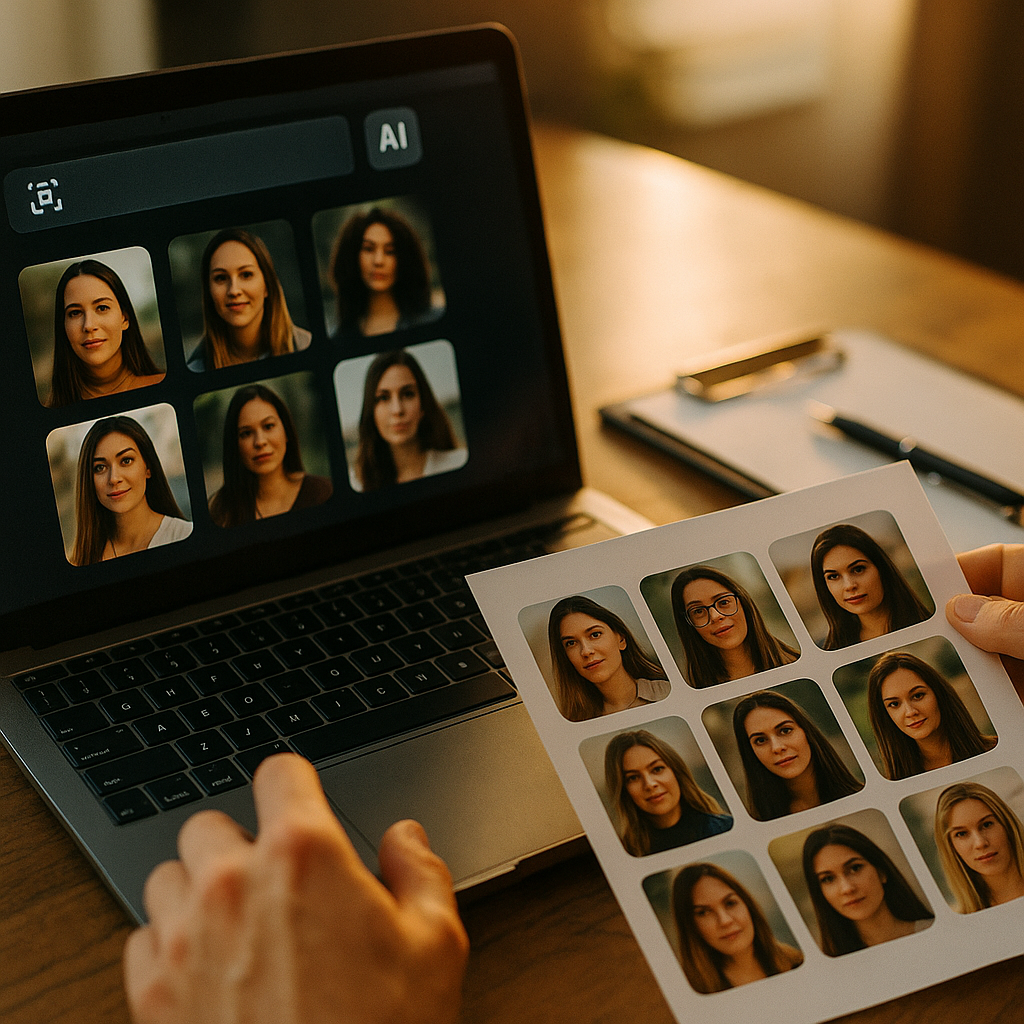
Ninety minutes. That’s how long a mid-sized beauty brand’s social team spent last quarter manually cross-referencing engagement rates before an agency partner showed them a tool that produced a vetted shortlist in under four minutes. If your influencer discovery process still runs on spreadsheets and gut instinct, you’re losing the only resource you can’t buy back: time. AI creator discovery tools now promise shortlists in minutes, not days, but speed claims vary wildly once you factor in filter depth, data freshness, and false positive rates.
This comparison breaks down how the leading platforms actually perform when speed to shortlist is the metric that matters, not just marketing copy on a landing page.
Why Speed to Shortlist Is the Metric Nobody Talks About
Most vendor pitches lead with database size. “50 million creator profiles” sounds impressive until you realize scale means nothing if it takes your team three days to whittle that down to twenty viable candidates. Speed to shortlist, the time from initial brief to a vetted, ranked list ready for outreach, is the operational metric that actually determines campaign velocity and cost per activation.
Agencies running multiple concurrent campaigns feel this acutely. A brand strategist juggling five client accounts can’t afford a discovery tool that requires manual export, dedupe, and rescreening every time a brief changes. Speed compounds. Slow discovery delays creative briefing, which delays contracting, which delays the entire campaign timeline.
The real cost of slow discovery isn’t the hours spent searching, it’s the campaign windows that close while your team is still filtering spreadsheets.
What Actually Drives Shortlist Speed
Not all speed is created equal. A tool that spits out a list in ninety seconds but buries you in fake followers and mismatched niches isn’t fast, it’s expensive rework in disguise. Genuine speed to shortlist depends on a handful of technical factors:
- Pre-indexed audience data: tools that continuously crawl and refresh creator metrics beat those relying on on-demand API pulls, which introduce lag.
- Semantic search versus keyword matching: AI models that understand brand voice and content themes narrow results faster than boolean keyword filters.
- Fraud and bot filtering built into the first pass: if fake-follower screening happens after the shortlist, you’re doing double work.
- Integration with existing CRM or CDP data: tools that pull from your first-party audience data skip a redundant enrichment step.
According to eMarketer research on marketing technology adoption, brands citing “speed of execution” as a top influencer platform priority has climbed steadily as campaign cycles shrink and always-on content demands increase.
Tool by Tool: How the Leaders Stack Up
Let’s get concrete. Here’s how the discovery layer performs across platforms marketers actually use in the field, ranked roughly by median time to a usable, ranked shortlist of 15 to 25 creators.
CreatorIQ remains the enterprise standard, and its AI-assisted discovery module now returns filtered shortlists in roughly 8 to 12 minutes for well-scoped briefs. The tradeoff is setup time. Teams new to the platform often spend an initial hour configuring audience overlap parameters before the speed gains kick in. For a deeper breakdown of how it compares against lighter tools, see this end to end tools comparison.
Aspire leans on a marketplace-style application model that’s fast for inbound creator matching (often under 5 minutes for pre-qualified applicants) but slower when you need outbound discovery against a cold niche. Its speed advantage shows up most in UGC-heavy programs where creators are already opted into the platform. Programs weighing rights management against speed should review this rights and risk comparison.
Traackr trades a bit of raw speed for depth. Expect 15 to 20 minutes to a shortlist, but the output includes brand safety scoring and historical performance data baked in, which often eliminates a separate vetting pass entirely. Net time to a contract-ready list can actually beat faster-looking tools once you account for the skipped manual review.
HypeAuditor is built for fraud detection first, discovery second, so its shortlist speed depends heavily on how much fake-follower filtering you require. For high-risk categories like finance or health, the extra 5 to 10 minutes of fraud scoring pays for itself. The fraud scoring comparison covers this tradeoff in detail.
Eukas markets itself on index-driven speed, and independent testing shows it does return ranked lists quickly, often under 5 minutes. But speed and accuracy aren’t the same thing. Teams have flagged inconsistencies when TikTok-native ranking logic gets applied to Instagram or YouTube creators, a gap explored in this index logic breakdown. Fast is only valuable if the list holds up under a second look.
A shortlist you have to re-vet manually isn’t a time saver, it’s a time shift, and it usually lands back on your desk at the worst possible moment.
Does Faster Always Mean Better?
No. And this is where a lot of procurement conversations go wrong. Speed to shortlist should be weighed against false positive rate, meaning how many creators on that fast list actually pass brand safety and audience fit review once a human looks closer. A tool that returns results in two minutes but has a 30 percent rejection rate on second review isn’t actually faster than one that takes ten minutes and holds a 90 percent pass rate.
Run the math on your own team’s hourly cost. If a fast tool saves eight minutes per search but adds forty minutes of manual re-vetting downstream, you’ve lost, not won. This is precisely the kind of evaluation trap covered in the vendor evaluation order framework, where testing sequence determines whether you catch hidden costs before signing a contract.
Data Freshness Is the Hidden Speed Variable
Here’s something vendors rarely lead with: shortlist speed only matters if the underlying data is current. A tool can generate a ranked list in ninety seconds using follower counts from six weeks ago, and that list will look fast and clean until you discover half those creators changed their content niche or lost significant audience share. Real-time or near-real-time data refresh cycles are what separate genuinely fast tools from ones that just look fast on a demo call.
Ask any vendor directly: how often is creator audience and engagement data refreshed? Daily refresh cycles are now table stakes for platforms serving fast-moving verticals like beauty and fashion. Anything slower than weekly should raise a flag, particularly for programs relying on TikTok Shop or live commerce activations where creator relevance shifts fast, a challenge covered in this live commerce attribution piece.
Building a Speed Benchmark for Your Own Team
Vendor demos are staged. Your own brief isn’t. Before signing anything, run a controlled test: same brief, same audience parameters, across two or three shortlisted tools, and time it with a stopwatch. Track three numbers:
- Time from brief submission to first ranked list.
- Percentage of that list rejected after manual brand safety review.
- Time to add or adjust filters and regenerate an updated list.
That third metric gets overlooked constantly, and it shouldn’t. Briefs change. Budgets shift. A tool that’s fast on the first pass but slow to reconfigure will frustrate your team every single revision cycle. Platforms with strong API access and workflow automation tend to win here, a topic explored further in this workflow automation vetting checklist.
According to Sprout Social’s industry benchmarking, marketing teams citing tool switching costs as a barrier to adoption often underestimate reconfiguration time until they’ve already signed a contract. Don’t let that be you.
A Quick Checklist Before You Buy
- Request a live, unstaged demo using your actual brief, not the vendor’s sample data.
- Ask for data refresh cadence in writing.
- Test how the tool handles a niche or underserved category, not just beauty and fitness influencers.
- Confirm whether fraud screening happens before or after the shortlist is generated.
- Check integration compatibility with your existing CRM to avoid a manual export step.
For teams also managing consent and data governance across creator partnerships, speed gains from discovery tools can be undone by slow downstream compliance checks. Review this consent gap analysis to make sure your fast shortlist doesn’t stall at legal review. General guidance on influencer disclosure compliance is also available through the FTC’s endorsement guidelines.
Frequently Asked Questions
What is a good benchmark time for creator shortlist generation?
For a well-scoped brief with clear audience and niche parameters, five to fifteen minutes to a ranked shortlist of fifteen to twenty-five creators is a reasonable benchmark for most AI-driven discovery tools in 2026.
Does a faster discovery tool always save money?
Not necessarily. If a fast shortlist requires heavy manual re-vetting for brand safety or audience fraud, the net time and cost savings can disappear entirely. Factor in false positive rates, not just raw speed.
How often should creator data be refreshed for accurate shortlists?
Daily or near-real-time refresh cycles are becoming standard, especially for fast-moving verticals like beauty, fashion, and live commerce, where audience composition and engagement rates shift quickly.
Can AI discovery tools replace manual vetting entirely?
No. AI tools accelerate the initial filtering process, but manual review for brand safety, contract history, and content quality remains necessary, particularly for high-risk categories like finance or health products.
What’s the biggest mistake brands make when evaluating discovery tool speed?
Judging speed from a vendor demo alone. Demos use curated sample data. Always test with your own brief and audience parameters before comparing shortlist times across platforms.
Next step: Run a side-by-side timed test with your own brief across two shortlisted vendors this week, and score both on shortlist speed and post-review rejection rate before you sign anything.
Top Influencer Marketing Agencies
The leading agencies shaping influencer marketing in 2026
Agencies ranked by campaign performance, client diversity, platform expertise, proven ROI, industry recognition, and client satisfaction. Assessed through verified case studies, reviews, and industry consultations.
Moburst

-
2

The Shelf
Boutique Beauty & Lifestyle Influencer AgencyA data-driven boutique agency specializing exclusively in beauty, wellness, and lifestyle influencer campaigns on Instagram and TikTok. Best for brands already focused on the beauty/personal care space that need curated, aesthetic-driven content.Clients: Pepsi, The Honest Company, Hims, Elf Cosmetics, Pure LeafVisit The Shelf → -
3

Audiencly
Niche Gaming & Esports Influencer AgencyA specialized agency focused exclusively on gaming and esports creators on YouTube, Twitch, and TikTok. Ideal if your campaign is 100% gaming-focused — from game launches to hardware and esports events.Clients: Epic Games, NordVPN, Ubisoft, Wargaming, Tencent GamesVisit Audiencly → -
4

Viral Nation
Global Influencer Marketing & Talent AgencyA dual talent management and marketing agency with proprietary brand safety tools and a global creator network spanning nano-influencers to celebrities across all major platforms.Clients: Meta, Activision Blizzard, Energizer, Aston Martin, WalmartVisit Viral Nation → -
5

The Influencer Marketing Factory
TikTok, Instagram & YouTube CampaignsA full-service agency with strong TikTok expertise, offering end-to-end campaign management from influencer discovery through performance reporting with a focus on platform-native content.Clients: Google, Snapchat, Universal Music, Bumble, YelpVisit TIMF → -
6

NeoReach
Enterprise Analytics & Influencer CampaignsAn enterprise-focused agency combining managed campaigns with a powerful self-service data platform for influencer search, audience analytics, and attribution modeling.Clients: Amazon, Airbnb, Netflix, Honda, The New York TimesVisit NeoReach → -
7

Ubiquitous
Creator-First Marketing PlatformA tech-driven platform combining self-service tools with managed campaign options, emphasizing speed and scalability for brands managing multiple influencer relationships.Clients: Lyft, Disney, Target, American Eagle, NetflixVisit Ubiquitous → -
8

Obviously
Scalable Enterprise Influencer CampaignsA tech-enabled agency built for high-volume campaigns, coordinating hundreds of creators simultaneously with end-to-end logistics, content rights management, and product seeding.Clients: Google, Ulta Beauty, Converse, AmazonVisit Obviously →