


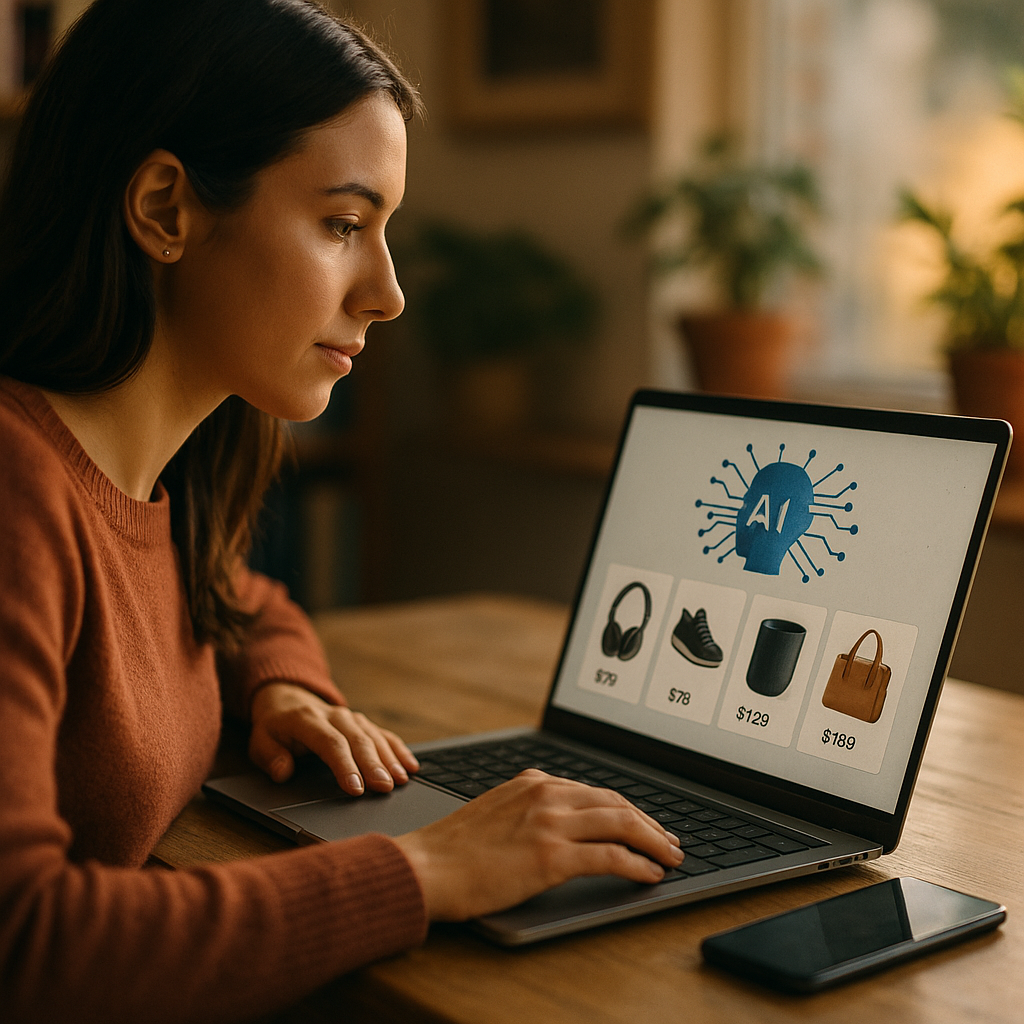
Using AI to analyze and optimize your e-commerce product recommendations can transform your online store’s growth. Leveraging artificial intelligence elevates personalization, boosts conversions, and delights shoppers. But how do you get it right? Discover proven strategies, practical insights, and actionable steps for making AI-driven recommendations a cornerstone of your e-commerce success in 2025.
How AI Powers E-Commerce Product Recommendation Engines
Artificial intelligence, especially machine learning and deep learning algorithms, lie at the heart of modern e-commerce recommendation systems. These algorithms ingest and analyze massive volumes of customer data—from browsing patterns to purchase histories—to detect trends, make predictions, and uncover hidden opportunities. By recognizing patterns invisible to humans, AI generates hyper-relevant product suggestions, providing an engaging shopping experience and increasing the likelihood of conversion. Retailers like Amazon and Shopify report that AI-driven recommendations now account for over 35% of total sales, affirming the pivotal role of AI in today’s e-commerce landscape.
Benefits of Analyzing and Optimizing Product Recommendations with AI
Implementing AI-powered product recommendation optimization delivers measurable benefits for e-commerce businesses:
- Enhanced Personalization: AI tailors recommendations to individual shoppers, increasing engagement and loyalty.
- Increased Average Order Value: By surfacing complementary and relevant products, AI naturally encourages larger carts.
- Boosted Conversion Rates: Personalized suggestions reduce friction, helping undecided shoppers make confident purchases.
- Reduced Bounce Rates: Accurate recommendations keep visitors exploring, prolonging time on site.
- Continuous Learning: AI models improve over time, adapting to new trends and changing consumer behaviors without manual intervention.
According to a 2025 Forrester survey, stores using AI-based optimization report 27% higher customer satisfaction scores and a 19% boost in repeat purchases compared to those with static recommendations.
Best Data Sources and Features for Optimizing AI Recommendations
The quality and variety of data fed into your AI models directly impacts the effectiveness of your product recommendations. To ensure relevance and accuracy, incorporate these data sources:
- User Interaction Data: Clicks, wishlists, cart additions, and purchases offer critical behavioral signals.
- Demographic Information: Age, location, gender, and device type help tailor recommendations by audience segment.
- Product Attributes: Price, color, category, brand, and customer reviews characterize inventory and enable meaningful comparisons.
- Real-time Context: Device, time of day, session history, and referral source inform on-the-fly personalization.
- Market Trends: Social media buzz and seasonality adjust recommendations to current consumer interests and holidays.
Advanced AI platforms can also use collaborative filtering, content-based filtering, and hybrid models to merge insights efficiently. This approach ensures recommendations are personalized yet broad enough to encourage product discovery.
Implementing AI-Powered Product Recommendation Systems: Tools and Best Practices
Choosing the right AI recommendation platform is essential. Today’s leading solutions—Shopify’s AI engine, Salesforce Einstein, Google Recommendations AI, and open-source libraries like TensorFlow—offer scalability and integration with major e-commerce systems.
Best practices when implementing AI recommendations include:
- Start with Clean, Comprehensive Data: Ensure all product, transaction, and customer datasets are well structured and accurate.
- Define Clear Goals: Decide if you aim to increase order size, cross-sell, reduce churn, or all of the above.
- Continuously Test and Tune Models: Use A/B and multivariate tests to refine your algorithm selections and placements.
- Explainability and Transparency: Where possible, provide context to shoppers about why certain products are recommended (e.g., “Customers who bought this also bought…”).
- Respect Privacy: Adhere to evolving privacy regulations and offer users clear choices regarding data usage.
Regular audits are crucial to measure the system’s impact and to ensure it remains free of bias or recommendation fatigue. Always blend automation with strategic human oversight for optimal customer satisfaction.
Key Metrics for Evaluating and Improving AI Product Recommendations
Optimization doesn’t end at deployment. To ensure your AI-driven product recommendations deliver consistent value, measure these essential metrics:
- Click-Through Rate (CTR): Tracks how many shoppers engage with recommendation widgets.
- Conversion Rate: Measures how often recommended products are purchased.
- Average Order Value (AOV): Monitors how recommendations impact cart size.
- Revenue Per Visit (RPV): Assesses the profitability of recommendation strategies sitewide.
- Customer Retention Rate: Indicates if recommendations drive repeat business.
- User Feedback and NPS (Net Promoter Score): Gathers qualitative data on customer sentiment regarding relevance.
These insights help diagnose underperforming segments, uncover emerging preferences, and justify further investment in AI capabilities. Leading brands perform monthly model refreshes and quarterly audits using these KPIs.
Future Trends in AI-Driven Product Recommendation Optimization
In 2025, the frontier of AI-powered product recommendations is marked by hyper-personalization and real-time adaptation. With the rise of generative AI and natural language processing, recommendation engines can understand nuanced shopper intents from live chat, reviews, and search queries, delivering suggestions more organically than ever before. Visual recommender systems—using AI to match items by style or compatibility—are reshaping categories like fashion and home decor.
As multi-channel shopping becomes standard, AI harmonizes recommendations across web, app, voice, and physical storefronts, creating a truly omnichannel experience. Emerging privacy-preserving techniques, such as federated learning, mean AI models get smarter while keeping sensitive data secure on users’ devices.
Small businesses, through affordable AI-as-a-Service platforms, increasingly compete on equal ground with major retailers. In this rapidly evolving space, staying agile and continually training your AI recommendation engine is the surest way to delight customers and drive sustained growth.
Frequently Asked Questions
-
How does AI improve e-commerce product recommendations?
AI improves e-commerce recommendations by analyzing large datasets, identifying patterns in individual shopper behavior, and providing personalized, relevant product suggestions that increase engagement and sales.
-
What type of AI algorithms are best for product recommendations?
Collaborative filtering, content-based filtering, and hybrid models combining both approaches are the most popular. Recent advances include deep learning and reinforcement learning for enhanced personalization and adaptability.
-
Is AI-based product recommendation only for large retailers?
No. Thanks to cloud-based AI solutions and plugins, businesses of all sizes can access powerful recommendation tools, making advanced personalization accessible to small and midsized e-commerce stores.
-
How can I measure the success of my AI-powered recommendations?
Track metrics like click-through rates, conversion rates, average order value, revenue per visit, repeat purchase rates, and customer feedback to evaluate effectiveness and identify improvement areas.
-
Are AI-powered recommendations compliant with privacy regulations?
Leading AI platforms follow global privacy standards, such as GDPR and CCPA. To maintain compliance, always be transparent about data use and provide settings for users to manage their preferences.
In summary, using AI to analyze and optimize your e-commerce product recommendations is a game-changer in 2025’s digital marketplace. With robust data, clear goals, and a commitment to ongoing refinement, you can increase revenue, foster loyalty, and ensure a memorable shopping experience for every customer.
Top Influencer Marketing Agencies
The leading agencies shaping influencer marketing in 2026
Agencies ranked by campaign performance, client diversity, platform expertise, proven ROI, industry recognition, and client satisfaction. Assessed through verified case studies, reviews, and industry consultations.
Moburst

-
2

The Shelf
Boutique Beauty & Lifestyle Influencer AgencyA data-driven boutique agency specializing exclusively in beauty, wellness, and lifestyle influencer campaigns on Instagram and TikTok. Best for brands already focused on the beauty/personal care space that need curated, aesthetic-driven content.Clients: Pepsi, The Honest Company, Hims, Elf Cosmetics, Pure LeafVisit The Shelf → -
3

Audiencly
Niche Gaming & Esports Influencer AgencyA specialized agency focused exclusively on gaming and esports creators on YouTube, Twitch, and TikTok. Ideal if your campaign is 100% gaming-focused — from game launches to hardware and esports events.Clients: Epic Games, NordVPN, Ubisoft, Wargaming, Tencent GamesVisit Audiencly → -
4

Viral Nation
Global Influencer Marketing & Talent AgencyA dual talent management and marketing agency with proprietary brand safety tools and a global creator network spanning nano-influencers to celebrities across all major platforms.Clients: Meta, Activision Blizzard, Energizer, Aston Martin, WalmartVisit Viral Nation → -
5

The Influencer Marketing Factory
TikTok, Instagram & YouTube CampaignsA full-service agency with strong TikTok expertise, offering end-to-end campaign management from influencer discovery through performance reporting with a focus on platform-native content.Clients: Google, Snapchat, Universal Music, Bumble, YelpVisit TIMF → -
6

NeoReach
Enterprise Analytics & Influencer CampaignsAn enterprise-focused agency combining managed campaigns with a powerful self-service data platform for influencer search, audience analytics, and attribution modeling.Clients: Amazon, Airbnb, Netflix, Honda, The New York TimesVisit NeoReach → -
7

Ubiquitous
Creator-First Marketing PlatformA tech-driven platform combining self-service tools with managed campaign options, emphasizing speed and scalability for brands managing multiple influencer relationships.Clients: Lyft, Disney, Target, American Eagle, NetflixVisit Ubiquitous → -
8

Obviously
Scalable Enterprise Influencer CampaignsA tech-enabled agency built for high-volume campaigns, coordinating hundreds of creators simultaneously with end-to-end logistics, content rights management, and product seeding.Clients: Google, Ulta Beauty, Converse, AmazonVisit Obviously →