


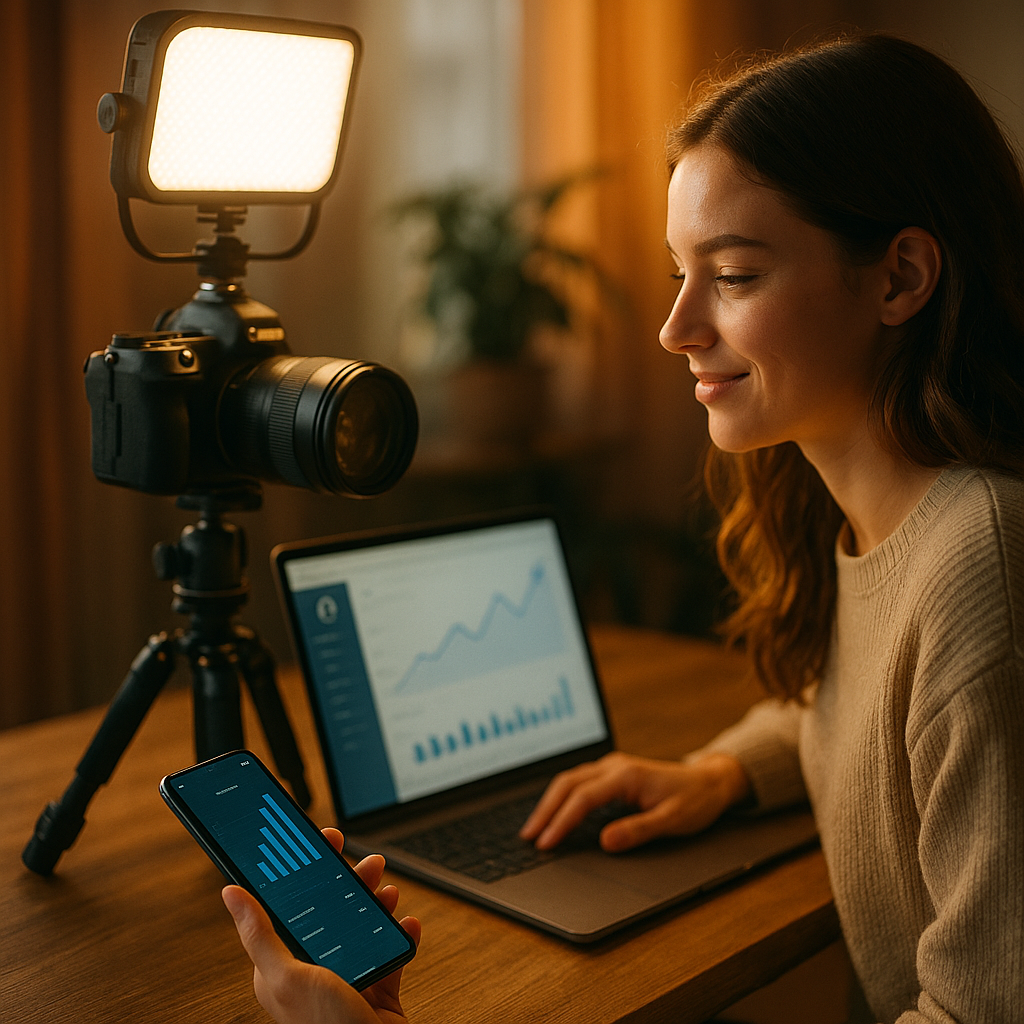
AI tools for creator audience lookalike modeling have transformed how digital creators, brands, and marketers expand reach in 2025. These advanced tools allow precision targeting by finding new, receptive users based on audience similarities. Want to unlock smarter audience growth and improve engagement with less guesswork? Discover how AI can elevate your creator strategy in the sections below.
Understanding Creator Audience Lookalike Modeling
At its core, creator audience lookalike modeling uses machine learning to identify new audiences that resemble a creator’s current followers. By analyzing behaviors, interests, and demographics, AI tools extrapolate valuable patterns from high-value audiences. For content creators, this practice is vital to scaling communities, monetizing platforms, and ensuring content is delivered to those most likely to engage or convert.
Lookalike modeling isn’t new, but AI makes it scalable and more accurate. Instead of relying on manual audience segmentation or intuition, AI digests massive data sets across platforms—social channels, email lists, website analytics, and even e-commerce data. This intelligence unlocks rapid and sustainable creator growth while avoiding wasted ad spend on irrelevant users.
Key AI Tools Empowering Creator Growth in 2025
Today’s top AI tools for creators offer fast, user-friendly, and transparent audience modeling. In 2025, leading solutions integrate directly with creator platforms like YouTube, Instagram, and TikTok, as well as CRM and analytics suites. They automate the process of extracting first-party data, learning user behaviors, and constructing actionable lookalike audience segments.
- Social Media Integrations: Tools that sync with social profiles analyze followers’ interactions, content consumption, and affinities, allowing for granular lookalike targeting.
- Cross-Platform Analysis: AI algorithms unify data from email, community forums, and websites, giving a holistic audience profile and more precise lookalike predictions.
- Real-Time Segmentation: Leading platforms update lookalike models in real time as audience behaviors shift, keeping creator campaigns relevant and effective without constant manual adjustments.
- Transparent Insights: Modern tools prioritize explainability. Creators can see which attributes drive lookalike matches, adding trust and actionable insights for future content strategies.
Popular examples in 2025 include tools developed by Meta, YouTube Analytics with built-in AI segmentation, and specialized SaaS platforms dedicated to influencer and creator analytics.
The Role of Data Privacy and Transparency
With increasing global scrutiny on data privacy, privacy-friendly AI audience modeling is critical for creators and brands. All major AI solutions now adopt industry-standard encryption, anonymize user data, and comply with international privacy laws, including the most recent “Global Digital Privacy Framework” enacted in 2025.
Creators can assure their audiences they are not exposing personal data—AI tools operate on aggregate, minimum-necessary data principles. Further, many platforms now offer “consent flows” where followers can opt-in to audience modeling, building community trust and reducing risks of compliance violations or reputational harm.
Transparency in AI is also growing. Tools outline which data points fuel predictions, and some even provide “ethical scoring” to measure how responsibly algorithms function. Choosing privacy-centric tools not only safeguards your reputation but also boosts long-term audience loyalty.
Best Practices for AI-Powered Lookalike Audience Strategies
To maximize the value of AI-powered lookalike audience strategies, creators must adhere to a systematic approach:
- Start with Clean Data: Ensure the audience data you upload—subscriber lists, engagement records, or customer files—is accurate and current. AI’s effectiveness depends on quality input data.
- Define Clear Goals: Are you growing subscribers, selling products, or driving engagement? Specify objectives so that the AI tool can optimize lookalike search for relevance, not just surface-level similarities.
- Test and Expand: Launch initial campaigns targeting AI-generated lookalikes. Monitor results—CTR, engagement, conversion—and iterate. AI models improve as more campaign data flows in.
- Integrate Insights: Use the reports and audience attributes highlighted by the AI to refine your content and offer strategy. Aligning creative with the interests of top lookalike segments ensures ongoing growth.
- Prioritize Consent and Communication: Proactively communicate your data usage policies to followers. Transparency not only builds trust but also increases opt-in rates for more robust lookalike pools.
Following these principles, creators can scale reliably and ethically with AI, keeping pace with platform changes and evolving audience behaviors.
Measuring Success: Metrics and Optimization
Evaluating lookalike campaign performance is essential for proving ROI and fine-tuning your strategy. AI tools in 2025 provide advanced dashboards tracking:
- Engagement Rates: Are lookalike audiences reacting as enthusiastically as your original followers?
- Conversion Metrics: Measure follower signups, sales, or any primary creator goal attributable to lookalike targeting. Advanced attribution modeling helps pinpoint which lookalike segments convert best.
- Audience Quality Scores: New AI “audience resonance” metrics rate how closely lookalikes mirror core audience values and behaviors—helpful for judging long-term community health.
- Lifetime Value (LTV): Monitor whether lookalike-sourced fans engage and purchase over time, informing future campaign investments.
Optimization remains a continuous process. The best creators in 2025 revisit their audience data regularly, launch A/B tests with updated lookalike segments, and leverage predictive recommendations from their AI tools. Those who prioritize data quality and ongoing analysis consistently see higher returns and lower acquisition costs.
Challenges and the Future of Audience Modeling
Despite its advantages, innovative lookalike audience modeling faces new challenges in 2025. Market saturation, privacy concerns, and rapid platform algorithm changes require constant adaptation. AI model bias—where prediction overfits certain demographics or interests—remains an issue, highlighting the importance of diverse input data and routine model audits.
Looking ahead, multimodal AI models are emerging, leveraging text, image, and behavioral signals together for richer profiles. We also see advancements in edge computing, where audience modeling can happen securely on creator-owned devices, reducing reliance on central servers and respecting user privacy. As platforms evolve, creators who embrace experimentation and transparent AI partnerships will maintain a strong, engaged, and compliant digital presence.
FAQs About AI Tools For Creator Audience Lookalike Modeling
-
How do AI audience lookalike tools work for creators?
They analyze your current followers’ key attributes and use machine learning to find similar users likely to engage with your content across multiple platforms.
-
Are AI-powered lookalike audiences safe for user privacy in 2025?
Yes, major platforms use anonymized and consent-based data with robust compliance for all international privacy standards enacted by 2025.
-
Can I use these tools without advanced technical skills?
Most leading AI tools are designed for creators and marketers with user-friendly interfaces and automated recommendations, requiring little to no coding knowledge.
-
What platforms do these AI tools support?
In 2025, you’ll find integrations for YouTube, Instagram, TikTok, email marketing tools, and more, plus open APIs for custom workflows.
-
How often should I refresh my lookalike audience models?
Best practice is to update or refresh lookalike models monthly or whenever there’s a significant shift in your content, audience, or engagement patterns.
In 2025, AI tools for creator audience lookalike modeling deliver high-impact growth by finding new, relevant fans while respecting privacy and driving efficiency. Embrace these advancements, and you’ll boost engagement, scale your reach, and remain at the forefront of ethical creator marketing.