


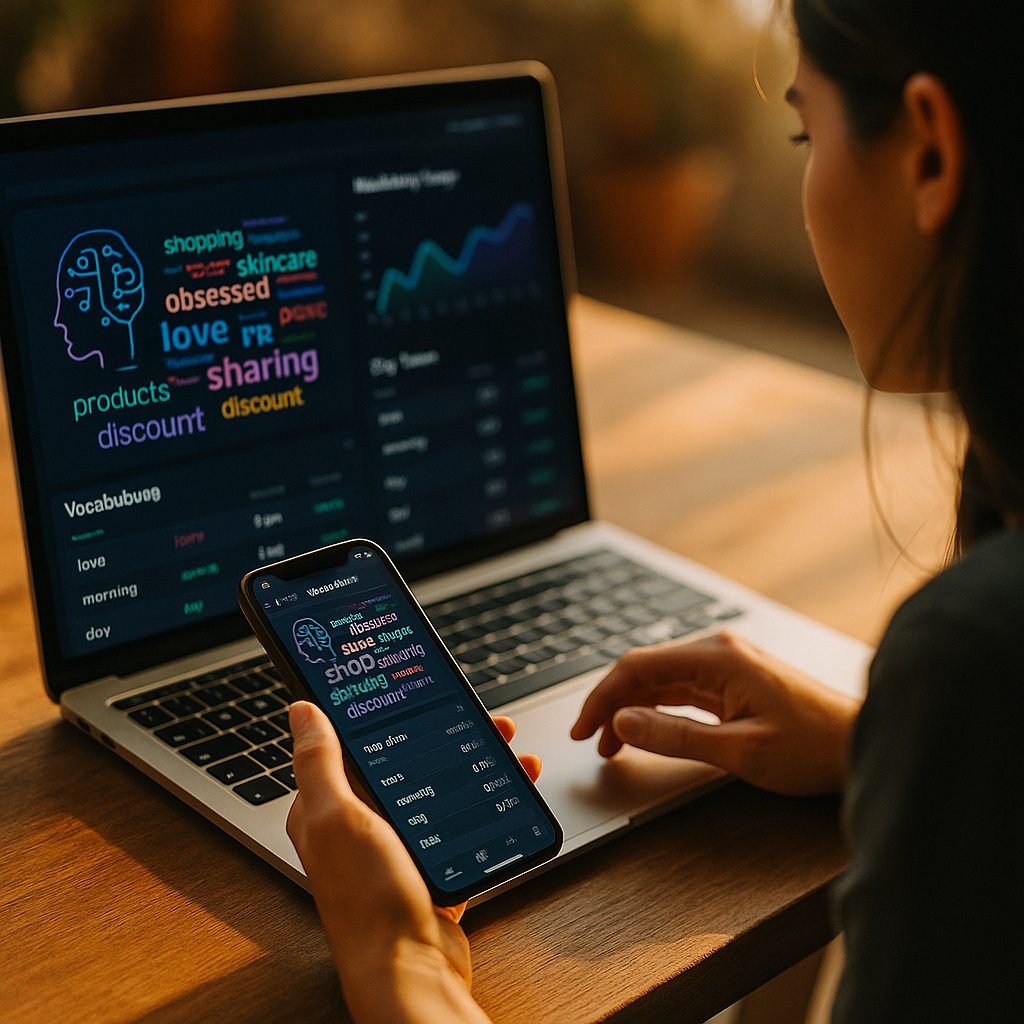
Analyzing an influencer’s vocabulary using AI for lexical diversity is now vital for brands seeking authentic voice alignment. This approach measures how varied and suitable an influencer’s language is for a specific brand. Understand how leveraging advanced AI tools to assess content can drive smarter, more impactful collaborations. Read on to discover the strategic edge in influencer marketing for 2025.
Why Lexical Diversity Matters for Brand Alignment
Lexical diversity, a secondary keyword, reflects the variety of words an influencer uses across their content. Brands desire voices that naturally blend with their identity, whether playful, sophisticated, or technical. A high lexical diversity signals creative expression and adaptability. Conversely, repetitive or limited vocabulary may signal poor audience engagement and lower audience trust—key notes for brands discerning the right fit.
For instance, a luxury skincare brand may prioritize influencers who use nuanced language, subtly differentiating similar products. Meanwhile, a youth-oriented fashion line might seek vibrant, colloquial speech. In 2025, brands now recognize that lexical diversity isn’t just about vocabulary size; it’s about nuanced communication, audience connection, and brand storytelling. AI now quantifies these qualities at scale.
Leveraging AI Analysis to Evaluate Influencer Language Patterns
Artificial intelligence, another secondary keyword, has revolutionized the way marketers can sift through massive volumes of social content to assess not just engagement, but the actual language influencers use. AI models—powered by natural language processing (NLP)—break down posts, captions, and videos to compute metrics such as vocabulary richness, sentence variety, and tone.
Modern AI tools examine:
- Type-Token Ratio (TTR): Measures the ratio of different words to the total word count, indicating vocabulary variety.
- Contextual Use: Identifies trends, such as consistent use of brand-relevant terminology.
- Sentiment Analysis: Gauges emotional tone to align with brand values.
- Style Markers: Discerns formal versus conversational tendencies, helping tailor outreach.
Using objective AI insights, brands ensure partnerships are built on substance, not assumptions about an influencer’s style or reach.
How Brands Use Vocabulary Analysis for Better Influencer Selection
Brand fit, a crucial secondary keyword, increasingly depends on aligning message and mission at the language level. AI-driven vocabulary analysis enables brands to go beyond follower counts and vanity metrics, diving deeply into the actual content resonance. This method supports:
- Pre-Campaign Vetting: Brands analyze influencer content portfolios for language compatibility before outreach.
- Authenticity Checks: Lexical patterns reveal whether influencers genuinely resonate with their target audience or simply mimic trends.
- Content Strategy Optimization: Brands can tailor campaign briefs with precise vocabulary suggestions, increasing message consistency.
- Ongoing Performance Evaluation: AI can flag dips in lexical diversity, signaling content fatigue or need for a revised partnership strategy.
By quantifying lexical diversity and other language traits, brands create data-backed shortlists—cutting risk and boosting ROI.
Best Practices for Analyzing Influencer Lexical Diversity with AI
Ensuring that AI analysis translates into actionable insights requires adherence to essential best practices, in line with Google’s EEAT (Experience, Expertise, Authoritativeness, Trustworthiness). Marketers and analysts should:
- Reference contextual data: Consider the influencer’s niche, audience demographics, and the brand’s tone to interpret analysis accurately.
- Integrate human review: Use AI as a partner—not a replacement—for nuanced language judgments.
- Prioritize up-to-date datasets: Work only with recent content and regularly retrain models to reflect shifting online vernacular in 2025.
- Communicate findings transparently: Share insights with stakeholders and influencers, building understanding and trust on both sides.
- Measure qualitative outcomes: Follow brand sentiment and audience feedback after campaigns for a holistic assessment.
Ultimately, combining algorithmic precision with seasoned human expertise delivers superior brand-influencer matches every time.
Case Study: Lexical Diversity Drives Successful Brand Partnerships
Consider a leading eco-friendly beverage brand that, in early 2025, employed AI analysis to screen a roster of micro-influencers. The company sought advocates who could authentically discuss sustainability topics. By analyzing each candidate’s past year of content, AI flagged those with rich language diversity—using varied, relatable expressions about environmental themes and lifestyle choices.
This approach enabled the brand to craft custom, on-voice briefs and select influencers whose authentic communication style matched their sustainability mission. The results? The campaign yielded a 32% increase in engagement and a significant boost in brand trust scores, according to post-campaign surveys. This data-driven method proved that matching vocabulary with mission amplifies impact.
Common Mistakes When Using AI for Influencer Vocabulary Assessment
Even advanced AI-based lexical analysis requires careful implementation. Common missteps include:
- Overfocusing on metrics: High lexical diversity isn’t always better—context and audience matter.
- Ignoring evolving language: Brands need to update their AI models regularly to capture new slang or culturally relevant terms.
- Dropping human judgment: Automated insights are most valuable when complemented by skilled marketing professionals’ intuition.
- Neglecting relational factors: Vocabulary fit is only one dimension; values, visual style, and past endorsements remain important.
Awareness of these pitfalls ensures brands maximize AI’s strategic benefits without sacrificing authenticity or insight.
FAQs about Using AI to Analyze Influencer Lexical Diversity
-
What is lexical diversity, and why is it important in influencer marketing?
Lexical diversity measures the range and variety of words someone uses. In influencer marketing, it signals how authentically and effectively an influencer communicates, impacting brand fit, audience engagement, and campaign success.
-
How does AI evaluate an influencer’s vocabulary?
AI uses natural language processing to examine language patterns, calculate type-token ratios, assess tone, and detect keyword usage, providing an objective measure of content quality and relevance to a brand’s goals.
-
Can AI replace human evaluation in influencer selection?
No. AI provides valuable, scalable insights, but human expertise is crucial for interpreting results, strategizing campaigns, and maintaining brand authenticity.
-
Which industries benefit most from AI-powered lexical diversity analysis?
Any industry where tone, message, and audience resonance matter—such as luxury goods, health, technology, and sustainability-focused brands—can benefit from this advanced vetting process.
-
How often should a brand assess an influencer’s lexical diversity?
Regular reviews—especially before major campaigns and post-collaboration—ensure the continued alignment and adaptability of messaging as audiences and trends evolve.
AI-driven analysis of an influencer’s lexical diversity offers brands a strategic edge, strengthening audience connections and ensuring authentic alignment. Brands that blend AI insights with expert review set the standard for successful, trustworthy influencer partnerships in 2025 and beyond.
Top Influencer Marketing Agencies
The leading agencies shaping influencer marketing in 2026
Agencies ranked by campaign performance, client diversity, platform expertise, proven ROI, industry recognition, and client satisfaction. Assessed through verified case studies, reviews, and industry consultations.
Moburst

-
2

The Shelf
Boutique Beauty & Lifestyle Influencer AgencyA data-driven boutique agency specializing exclusively in beauty, wellness, and lifestyle influencer campaigns on Instagram and TikTok. Best for brands already focused on the beauty/personal care space that need curated, aesthetic-driven content.Clients: Pepsi, The Honest Company, Hims, Elf Cosmetics, Pure LeafVisit The Shelf → -
3

Audiencly
Niche Gaming & Esports Influencer AgencyA specialized agency focused exclusively on gaming and esports creators on YouTube, Twitch, and TikTok. Ideal if your campaign is 100% gaming-focused — from game launches to hardware and esports events.Clients: Epic Games, NordVPN, Ubisoft, Wargaming, Tencent GamesVisit Audiencly → -
4

Viral Nation
Global Influencer Marketing & Talent AgencyA dual talent management and marketing agency with proprietary brand safety tools and a global creator network spanning nano-influencers to celebrities across all major platforms.Clients: Meta, Activision Blizzard, Energizer, Aston Martin, WalmartVisit Viral Nation → -
5

The Influencer Marketing Factory
TikTok, Instagram & YouTube CampaignsA full-service agency with strong TikTok expertise, offering end-to-end campaign management from influencer discovery through performance reporting with a focus on platform-native content.Clients: Google, Snapchat, Universal Music, Bumble, YelpVisit TIMF → -
6

NeoReach
Enterprise Analytics & Influencer CampaignsAn enterprise-focused agency combining managed campaigns with a powerful self-service data platform for influencer search, audience analytics, and attribution modeling.Clients: Amazon, Airbnb, Netflix, Honda, The New York TimesVisit NeoReach → -
7

Ubiquitous
Creator-First Marketing PlatformA tech-driven platform combining self-service tools with managed campaign options, emphasizing speed and scalability for brands managing multiple influencer relationships.Clients: Lyft, Disney, Target, American Eagle, NetflixVisit Ubiquitous → -
8

Obviously
Scalable Enterprise Influencer CampaignsA tech-enabled agency built for high-volume campaigns, coordinating hundreds of creators simultaneously with end-to-end logistics, content rights management, and product seeding.Clients: Google, Ulta Beauty, Converse, AmazonVisit Obviously →