


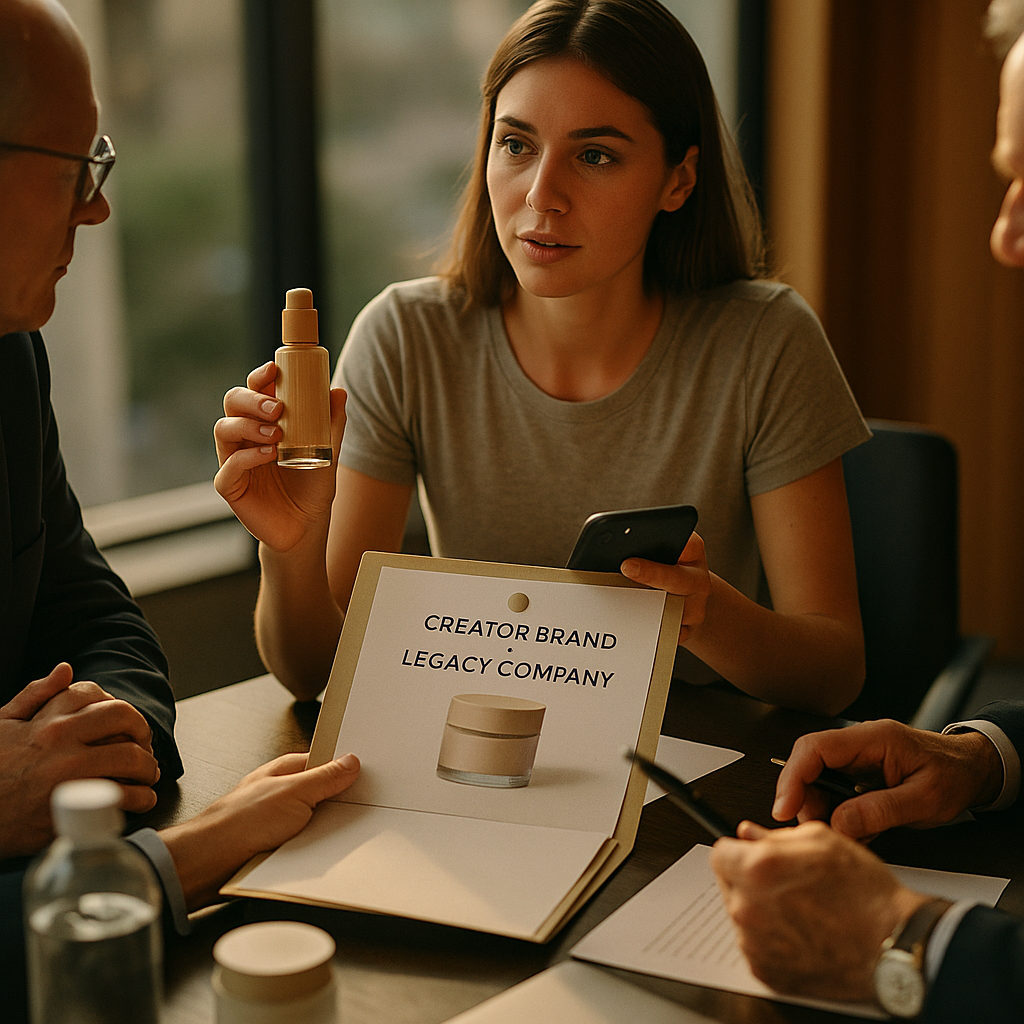
The great consolidation is reshaping the creator-led brand landscape as household names built by influencers are increasingly acquired by legacy companies. This sweeping trend alters how brands innovate, reach audiences, and sustain growth. But what does this mean for creators, consumers, and the industry’s future? Let’s examine why this new chapter is captivating creators and corporations alike.
Why Creator-Led Brands Are So Attractive to Legacy Companies
The rise of creator-led brands has fundamentally disrupted traditional business models. Legacy companies—think global conglomerates and century-old powerhouses—are increasingly eager to acquire these agile upstarts. Why? Because creator brands come with fiercely loyal communities, rich digital engagement, and a pulse on evolving trends. For example, according to a 2025 Nielsen study, creator-backed products outperform traditional advertising by 40% in engagement metrics.
Acquiring such brands doesn’t just mean tapping into niche markets—it allows legacy companies to access vibrant ecosystems built on trust and authenticity. These factors are highly prized in an age where consumers are skeptical of conventional marketing. When legacy companies buy into creator-led brands, they are effectively fast-tracking their own relevance among younger, more digitally savvy audiences.
The Evolution of the “Great Consolidation” in the Creator Economy
The great consolidation within the creator economy is a phenomenon rooted in digital transformation. Over the past decade, individual creators from YouTube, Instagram, and TikTok have evolved from content curators to entrepreneurs, launching their own products and direct-to-consumer brands. As these brands scale up, legacy companies seek entry points through strategic acquisitions, recognizing that internal innovation often lags behind the lightning pace of creator influence.
This evolution has also been driven by increased investor interest in the creator-to-consumer model. Venture capital has poured into startups born from viral personalities, validating the sector’s long-term potential. In response, established corporations expedite deal-making to avoid being left behind. The result is a crowded M&A landscape where flexibility, speed, and vision are more critical than ever.
Creator Brand Acquisitions: Benefits for Legacy Corporations
There are several compelling advantages when legacy companies acquire creator-led brands:
- Expanded Reach: Legacy companies gain immediate access to new customer bases, often in younger demographics that traditional marketing cannot reach as effectively.
- Enhanced Digital Playbook: By absorbing creator-led entities, acquirers leverage innovative digital marketing and distribution strategies perfected by social-native founders.
- Product Innovation: Creator brands are often at the forefront of product development, bringing newness to sometimes stagnant corporate portfolios.
- Authenticity Injection: With a creator still involved post-acquisition, the parent company can maintain an authentic, human voice—vital for today’s skeptical audiences.
These factors not only drive sales, but also reinvigorate brand perception and foster long-term sustainability. Case studies in the beauty, wellness, and apparel sectors have demonstrated that the right acquisitions can double digital sales within a single fiscal year.
What Do Creators Gain from the Great Consolidation?
Creator-founded brands often reach a crossroads: scale further independently, or join forces with powerful industry veterans. Acquisitions offer several advantages:
- Resource Access: Legacy companies provide capital, infrastructure, and global distribution networks that would take years for creators to build.
- Creative Freedom (with Guardrails): In successful transitions, creators retain a role in strategy and product innovation, allowing them to focus on strengths while shedding operational headaches.
- Risk Mitigation: A buyout provides financial security and reduces the risk of rapid industry change or platform algorithm shifts.
While creators sometimes worry about losing control or brand authenticity, many new acquisition models include multi-year partnerships, earn-outs, or even voting power to safeguard the founder’s vision post-sale. The evolving nature of these deals reflects lessons learned from early, rocky integrations.
The Impact on Consumers: More Choice or a Loss of Authenticity?
For consumers, the acquisition of creator-led brands by legacy players is a mixed bag. On one hand, customers often gain improved product quality, expanded distribution, and even lower prices as parent companies optimize manufacturing and logistics. On the other hand, loyal followers sometimes bristle at fears of “selling out” or diluted brand values.
Recent consumer surveys in 2025 suggest that 63% of shoppers remain loyal to creator brands post-acquisition, provided transparent communication and the ongoing involvement of the original founder. Brands that retain direct lines of dialogue—such as personal posts from creators or behind-the-scenes content—are more successful at maintaining authenticity in the eyes of their audience.
What’s Next? The Future of M&A in the Creator Economy
The great consolidation is far from over. Analysts predict that by the end of 2025, creator-driven brand acquisitions will account for nearly 20% of all consumer goods M&A activity. As this trend matures, expect more creative deal structures that prioritize collaboration and innovation over simple absorption.
The most successful mergers will be those where both parties commit to learning from one another. Creators must adapt to the complexities of large-scale operations, while legacy giants need to nurture what made these brands authentic in the first place. This hybrid approach—combining heritage with innovation—will shape brand-building for years to come.
FAQs: The Great Consolidation and Creator-Led Brand Acquisitions
-
Q: What is the great consolidation in the context of creator-led brands?
A: The great consolidation refers to the growing trend of large, established companies acquiring brands founded and built by individual content creators, especially in sectors like beauty, apparel, and health. -
Q: Why are legacy companies interested in acquiring creator-led brands?
A: Legacy companies are attracted to creator-led brands for their loyal audiences, innovative digital strategies, and ability to tap into younger demographics, expanding their reach and relevance. -
Q: How do acquisitions benefit the original creators?
A: Acquisitions give creators access to resources, broaden their brand’s reach, offer financial rewards, and often allow them to remain creatively involved while reducing operational burdens. -
Q: Will these deals affect product authenticity or quality?
A: Product quality often improves post-acquisition thanks to better resources and infrastructure. Authenticity is maintained when creators stay actively involved and communicate openly with their audiences. -
Q: What can brands and consumers do to ensure transparency during these transitions?
A: Open communication is key. Brands should share updates regarding changes, and consumers can seek out information from both the creator and the acquiring company about how the brand’s values and products will evolve.
As the great consolidation of creator-led brands continues, both legacy companies and creators face new opportunities and challenges. Success hinges on balance: preserving authenticity while leveraging scale, ensuring innovation without losing trust, and always keeping the consumer at the heart of every move.
Top Influencer Marketing Agencies
The leading agencies shaping influencer marketing in 2026
Agencies ranked by campaign performance, client diversity, platform expertise, proven ROI, industry recognition, and client satisfaction. Assessed through verified case studies, reviews, and industry consultations.
Moburst

-
2

The Shelf
Boutique Beauty & Lifestyle Influencer AgencyA data-driven boutique agency specializing exclusively in beauty, wellness, and lifestyle influencer campaigns on Instagram and TikTok. Best for brands already focused on the beauty/personal care space that need curated, aesthetic-driven content.Clients: Pepsi, The Honest Company, Hims, Elf Cosmetics, Pure LeafVisit The Shelf → -
3

Audiencly
Niche Gaming & Esports Influencer AgencyA specialized agency focused exclusively on gaming and esports creators on YouTube, Twitch, and TikTok. Ideal if your campaign is 100% gaming-focused — from game launches to hardware and esports events.Clients: Epic Games, NordVPN, Ubisoft, Wargaming, Tencent GamesVisit Audiencly → -
4

Viral Nation
Global Influencer Marketing & Talent AgencyA dual talent management and marketing agency with proprietary brand safety tools and a global creator network spanning nano-influencers to celebrities across all major platforms.Clients: Meta, Activision Blizzard, Energizer, Aston Martin, WalmartVisit Viral Nation → -
5

The Influencer Marketing Factory
TikTok, Instagram & YouTube CampaignsA full-service agency with strong TikTok expertise, offering end-to-end campaign management from influencer discovery through performance reporting with a focus on platform-native content.Clients: Google, Snapchat, Universal Music, Bumble, YelpVisit TIMF → -
6

NeoReach
Enterprise Analytics & Influencer CampaignsAn enterprise-focused agency combining managed campaigns with a powerful self-service data platform for influencer search, audience analytics, and attribution modeling.Clients: Amazon, Airbnb, Netflix, Honda, The New York TimesVisit NeoReach → -
7

Ubiquitous
Creator-First Marketing PlatformA tech-driven platform combining self-service tools with managed campaign options, emphasizing speed and scalability for brands managing multiple influencer relationships.Clients: Lyft, Disney, Target, American Eagle, NetflixVisit Ubiquitous → -
8

Obviously
Scalable Enterprise Influencer CampaignsA tech-enabled agency built for high-volume campaigns, coordinating hundreds of creators simultaneously with end-to-end logistics, content rights management, and product seeding.Clients: Google, Ulta Beauty, Converse, AmazonVisit Obviously →