


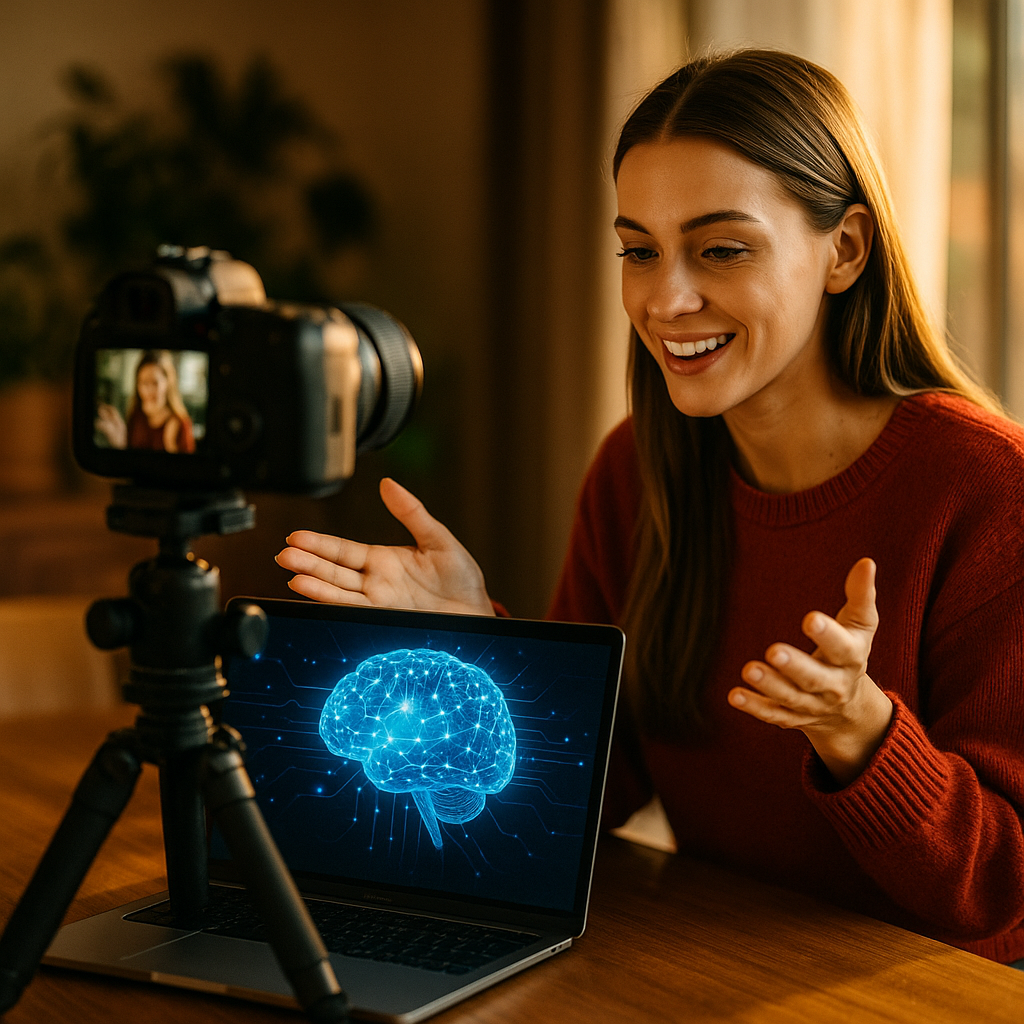
The power of using AI to analyze the vocal tone and speaking cadence of creators is revolutionizing how brands choose their ambassadors. Through advanced algorithms, brands can now ensure alignment between their values and creators’ style. This breakthrough eliminates guesswork, boosts consistency, and enables true authenticity in collaborations. Explore how AI brings brand-creator partnerships into sharper focus.
The Role of Vocal Tone Analysis in Brand Alignment
Analyzing vocal tone is more than just detecting emotion; it’s about understanding the nuances that define a creator’s essence. Brands use vocal tone analysis software to identify whether a creator’s delivery embodies enthusiasm, authority, warmth, or sophistication—qualities crucial for specific campaigns. As AI models in 2025 have grown exponentially in sensitivity, companies can now profile tone on micro and macro levels, matching influencers whose voices resonate with their unique audience expectations.
Vocal tone analysis rooted in machine learning provides quantifiable insights on aspects such as pitch, resonance, tempo, and inflection. By mapping these elements, AI allows brands to filter creator options beyond mere demographics or follower count. Instead, they can prioritize those communicators whose presence exudes trust, excitement, or calm—directly amplifying brand messaging objectives.
Speaking Cadence Detection: More Than Words
Modern AI models recognize that speaking cadence—how fast or slow, punctuated or fluid a delivery is—fundamentally shapes a creator’s perceived credibility and relatability. For instance, a steady, confident cadence may convey reliability, while an animated, variable rhythm can evoke energy and fun. Brands seeking these qualities are leveraging cadence detection tools to make data-driven choices.
Emerging research in 2025 confirms that cadence alignment increases message retention and follower engagement. Algorithms now parse speaking patterns from hours of content at scale, highlighting those whose rhythm matches the brand’s marketing vibe. This granular approach ensures every product pitch or brand statement is communicated with the intended emotional and cognitive impact.
How AI Delivers Greater Authenticity and Consistency
AI-powered vocal analysis isn’t just about fit—it’s about fostering authenticity. By aligning both vocal tone and cadence, brands avoid partnerships that feel forced or out of sync. Data-driven selection means influencers truly embody the message, eliminating tone-deaf or awkward campaigns that can damage trust.
Consistency is another major benefit. AI ensures that all branded content—no matter the platform or campaign—retains a coherent feel. With customizable benchmarks, brands set preferred tone and cadence profiles; AI then screens creators at scale for these exact attributes. This results in a unified brand voice that’s reinforced across all digital touchpoints.
Ethical Considerations and Transparent Use of Vocal AI in 2025
With increased reliance on AI, ethical best practices have taken center stage. Leading brands in 2025 prioritize transparency when using AI tools for vocal analysis. They inform creators about the evaluation process, obtain consent, and prioritize data privacy throughout. This open approach earns trust and upholds integrity in brand-creator relations.
It’s also vital that AI evaluations remain free of bias. Brands work with vendors using diverse training data sets, and routinely audit technologies for fairness. Human oversight and clear communication ensure AI complements, rather than replaces, human judgment in creative partnerships.
Tangible Business Impacts: ROI of AI-Driven Voice Analysis
Brands leveraging AI for vocal tone and cadence analysis are seeing measurable returns. Increased engagement rates and campaign effectiveness point to clear ROI. A 2025 industry report from CreatorIQ showed that voice-aligned influencer partnerships delivered a 24% higher brand affinity index versus traditional selection methods.
Moreover, these AI-driven collaborations reduce campaign risk. By eliminating mismatches before contracts are signed, brands save on costly post-production fixes or reputation management. Scalable AI analysis also slashes manual vetting time, enabling faster, more reliable go-to-market cycles.
- Higher audience engagement scores
- Improved brand recall and perception
- Streamlined creator vetting process
- Reduced expenditure on ineffective campaigns
Getting Started: Steps for Brands to Implement AI Voice Analysis
For brands ready to adopt AI-driven vocal assessment, a structured approach is vital. Start by identifying core brand values, then articulate the tone and cadence that embody those values. Next, evaluate AI vendors based on transparency, accuracy, and data privacy safeguards.
- Define desired vocal tone and cadence attributes with examples
- Engage creators openly about the evaluation process and secure buy-in
- Pilot AI vocal analysis tools with a small cohort
- Iterate selection criteria based on real campaign outcomes
- Continually monitor for fairness and accuracy in AI recommendations
By making data-driven decisions while communicating openly with partners, brands can leverage AI’s power responsibly and effectively.
Frequently Asked Questions (FAQs)
-
How does AI analyze vocal tone?
AI uses machine learning algorithms to evaluate audio features like pitch, tempo, inflection, and resonance. It creates a profile of a speaker’s emotional and stylistic tendencies, allowing brands to match a creator’s voice with their tonal requirements. -
Why is speaking cadence important for brand partnerships?
Cadence affects the credibility and emotional appeal of a speaker. By aligning with a brand’s preferred pace and rhythm, creators can help messages land with maximum clarity and effectiveness. -
Are there privacy concerns with using vocal AI?
Yes, but responsible brands mitigate this by informing creators, securing their consent, and ensuring data is stored and processed securely, in line with current privacy regulations. -
Can AI fully replace human judgment in talent vetting?
No. AI assists by providing analytical insights, but human input remains essential for evaluating cultural fit and creative versatility. -
What are the best tools for vocal tone analysis in 2025?
Industry leaders include platforms offering customizable analysis benchmarks, strong data privacy protocols, and transparent reporting, such as AI Voice Match by SoundSignal and the VocalID suite.
In summary, using AI to analyze the vocal tone and speaking cadence of creators delivers brands measurable advantages in authenticity, efficiency, and ROI. By embracing transparent, data-driven practices, companies can forge partnerships that truly resonate—creating deeper connections between brand, creator, and audience.
Top Influencer Marketing Agencies
The leading agencies shaping influencer marketing in 2026
Agencies ranked by campaign performance, client diversity, platform expertise, proven ROI, industry recognition, and client satisfaction. Assessed through verified case studies, reviews, and industry consultations.
Moburst

-
2

The Shelf
Boutique Beauty & Lifestyle Influencer AgencyA data-driven boutique agency specializing exclusively in beauty, wellness, and lifestyle influencer campaigns on Instagram and TikTok. Best for brands already focused on the beauty/personal care space that need curated, aesthetic-driven content.Clients: Pepsi, The Honest Company, Hims, Elf Cosmetics, Pure LeafVisit The Shelf → -
3

Audiencly
Niche Gaming & Esports Influencer AgencyA specialized agency focused exclusively on gaming and esports creators on YouTube, Twitch, and TikTok. Ideal if your campaign is 100% gaming-focused — from game launches to hardware and esports events.Clients: Epic Games, NordVPN, Ubisoft, Wargaming, Tencent GamesVisit Audiencly → -
4

Viral Nation
Global Influencer Marketing & Talent AgencyA dual talent management and marketing agency with proprietary brand safety tools and a global creator network spanning nano-influencers to celebrities across all major platforms.Clients: Meta, Activision Blizzard, Energizer, Aston Martin, WalmartVisit Viral Nation → -
5

The Influencer Marketing Factory
TikTok, Instagram & YouTube CampaignsA full-service agency with strong TikTok expertise, offering end-to-end campaign management from influencer discovery through performance reporting with a focus on platform-native content.Clients: Google, Snapchat, Universal Music, Bumble, YelpVisit TIMF → -
6

NeoReach
Enterprise Analytics & Influencer CampaignsAn enterprise-focused agency combining managed campaigns with a powerful self-service data platform for influencer search, audience analytics, and attribution modeling.Clients: Amazon, Airbnb, Netflix, Honda, The New York TimesVisit NeoReach → -
7

Ubiquitous
Creator-First Marketing PlatformA tech-driven platform combining self-service tools with managed campaign options, emphasizing speed and scalability for brands managing multiple influencer relationships.Clients: Lyft, Disney, Target, American Eagle, NetflixVisit Ubiquitous → -
8

Obviously
Scalable Enterprise Influencer CampaignsA tech-enabled agency built for high-volume campaigns, coordinating hundreds of creators simultaneously with end-to-end logistics, content rights management, and product seeding.Clients: Google, Ulta Beauty, Converse, AmazonVisit Obviously →