


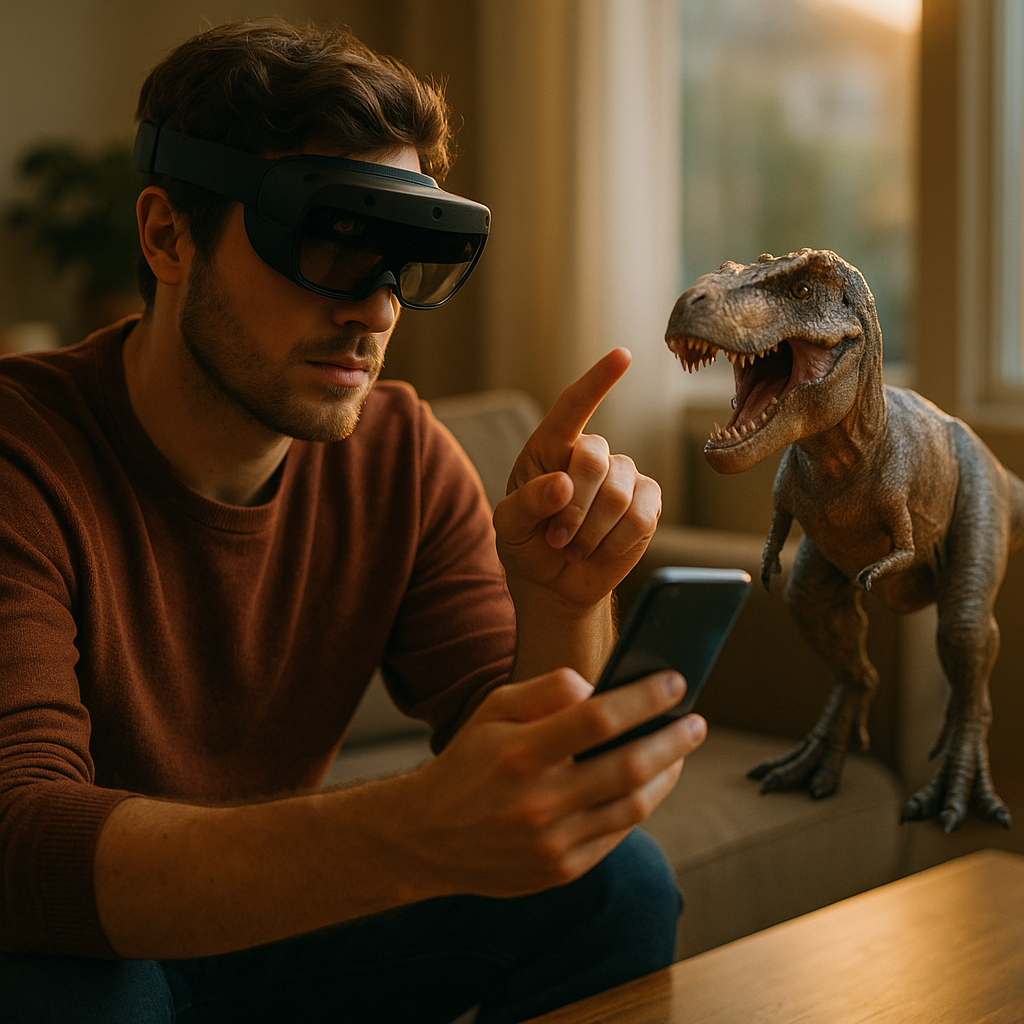
Immersive storytelling using AR filters and interactive 3D environments has redefined digital engagement in 2025. From creative marketing to transformative educational tools, these advanced experiences blur the boundaries between reality and imagination. Discover how AR and 3D innovation elevate narratives, captivate audiences, and drive memorable interactions—unlocking the future of storytelling for brands, educators, and creators.
AR Filters for Enhanced Visual Storytelling
Augmented reality (AR) filters offer storytellers the power to overlay digital effects on the physical world, unlocking unique visual narratives. In 2025, AR filters are seamlessly integrated across social media and branded mobile apps, with platforms like Instagram and Snapchat reporting record user engagement. According to Snap Inc., over 300 million daily Snapchat users now interact with AR filters, leading to higher retention and share rates for branded content.
Brands and creators use AR filters to:
- Personalize Interactions: Audiences step into the story, becoming characters or protagonists through facial tracking, background AR overlays, and gamified effects.
- Drive Emotional Connection: Immersive filters adapt to users’ facial expressions or environments, responding in real-time using AI-powered effects.
- Amplify Shareability: Interactive AR filters encourage users to share their experiences, virally spreading story-driven campaigns.
For content creators, developing AR filters is now more accessible thanks to intuitive software like Spark AR and Lens Studio. Advanced features such as real-time object recognition or AI-driven interactions allow for dynamic, user-specific story elements that foster meaningful engagement.
Interactive 3D Environments for Immersive Narratives
Interactive 3D environments transcend passive content consumption, inviting audiences to explore, discover, and participate in the storytelling journey. These virtual worlds—accessible via browsers, VR headsets, or AR glasses—offer:
- Spatial Storytelling: Users navigate through virtual landscapes, uncovering narrative layers by interacting with objects, solving puzzles, or conversing with AI-driven characters.
- Branded Worlds: Companies like Nike and Gucci deploy persistent 3D spaces, letting customers test products virtually, attend digital events, and connect socially—all within richly designed, interactive settings.
- Collaborative Experiences: Multiplayer 3D environments support shared exploration and real-time co-creation, ideal for education and remote collaboration.
In 2025, platforms such as Unity, Unreal Engine, and WebXR have made it easier for storytellers to craft immersive 3D narratives—even with modest development backgrounds. Real-time analytics empower creators to optimize story flow and engagement by tracking user movements, choices, and emotional responses within these environments.
Best Practices for Designing Story-Driven AR Engagements
Effective immersive storytelling hinges on thoughtful AR filter design. Adopting Google’s EEAT (Experience, Expertise, Authoritativeness, Trustworthiness) principles ensures high-quality, credible experiences:
- Understand Your Audience: Use analytics and direct feedback to shape AR narratives that resonate with users’ interests, ages, and digital behaviors.
- Prioritize User Experience: Simplicity is key. AR filters should load quickly, offer intuitive interactivity, and avoid overwhelming visual clutter.
- Maintain Technical Excellence: Optimize filters for various devices, balancing high-fidelity visuals with performance. Test for accessibility, ensuring inclusivity for all users.
- Tell a Cohesive Story: Every AR effect should serve a clear narrative goal, guiding users from introduction to resolution. Use branching interaction to reward curiosity.
- Respect Privacy: Transparent data handling builds trust. Clearly inform users about any data collection and strictly protect their privacy.
By focusing on value, usability, and credibility, creators can deliver AR filters that surpass fleeting novelty and offer genuine storytelling impact.
Crafting Compelling Interactive 3D Story Worlds
Interactive 3D environments thrive when their stories are tightly interwoven with world design. To structure a compelling 3D narrative in 2025:
- Establish Spatial Logic: Use architectural and visual cues to lead users intuitively through story milestones—think environmental storytelling with objects, lighting, and soundscapes guiding attention.
- Enable Agency: User-driven choices should affect outcomes, unlocking alternative paths, hidden secrets, or branching storylines. This sense of agency motivates deeper exploration and repeat visits.
- Leverage Multi-Sensory Elements: Blend visual, audio, and haptic feedback for a richly layered narrative experience. For example, spatial audio cues can evoke anticipation, while subtle vibration from AR wearables heightens immersion.
- Support Social Interaction: Design environments for group experiences—let users collaborate on challenges, share discoveries, or co-create story elements, building community around shared narratives.
Tools like AI-driven NPCs, dynamic weather or lighting, and live event triggers (such as timed reveals or community goals) can keep the environment evolving alongside users, ensuring the story remains fresh and engaging.
Leveraging Metrics to Optimize Immersive Storytelling
Measurement is vital for ongoing success in AR and 3D storytelling. 2025 analytics allow creators to:
- Track Engagement: Monitor how many users activate filters or enter 3D spaces, and how long they interact. This reveals story hooks’ effectiveness.
- Assess Interaction Flow: Heatmaps, gaze tracking, and path analysis show where users linger or drop out, identifying friction points or moments of delight.
- Analyze Outcomes: For brands, metrics like social shares, product trial rates, or coupon redemptions tie immersive storytelling directly to measurable business goals.
- Implement A/B Testing: Test different narrative branches, interaction mechanics, or visuals to learn which versions best drive engagement and conversion.
Data insights should fuel iteration, with creators refining both technology and story arcs based on real user behavior—ensuring each new campaign or story world is more engaging than the last.
Future Trends in Immersive Storytelling Technology
Looking ahead, several trends are shaping the next wave of immersive narratives:
- AI-Generated Content: Storytellers now use generative AI to create dynamic characters, adaptive storylines, and personalized environments on demand.
- Seamless Multiplatform Experiences: Users easily shift between AR apps, web 3D spaces, and XR headsets without losing context, making narratives persistent across devices and locations.
- Sensory Expansion: Haptic gloves, scent emitters, and brain-computer interfaces are beginning to layer additional senses onto immersive stories, intensifying emotional impact.
- Decentralized Worlds: Blockchain-powered environments enable true ownership—users carry assets, identities, and plot progress across multiple story ecosystems.
Brands, educators, and creators who adopt these trends early will stand at the forefront of experiential storytelling—offering audiences deeper connections, ethical engagement, and magical new dimensions to explore.
Conclusion: Unlocking Possibilities with AR and Interactive 3D Environments
Immersive storytelling using AR filters and interactive 3D environments delivers transformative value for brands, educators, and creators in 2025. By embracing innovative technology, user-centric design, and responsible analytics, you can craft captivating story experiences that inspire, engage, and endure in the digital landscape of tomorrow.
FAQs: Immersive Storytelling with AR Filters and 3D Environments
-
What equipment do I need to create AR filters?
Most AR filters can be designed using a laptop with creative software such as Spark AR or Lens Studio. No advanced hardware is needed—just a good webcam and, for testing, a smartphone or AR-ready device.
-
Can interactive 3D environments run in a web browser?
Yes. Today’s interactive 3D spaces built with WebXR or WebGL technology are accessible via standard browsers on desktop and mobile devices, allowing seamless entry without dedicated hardware.
-
How do immersive stories benefit brands?
Immersive storytelling delivers higher engagement, enhances emotional connection, and increases shareability. For brands, this translates into improved retention, greater brand affinity, and measurable business results such as higher conversion rates.
-
Is it expensive to produce immersive story experiences?
The cost varies based on complexity. Basic AR filters or simple 3D environments can be developed on a modest budget, while complex or large-scale experiences require higher investment in design, development, and testing.
-
How can I ensure accessibility in AR and 3D storytelling?
Follow accessibility best practices by providing alternative text, captions, and simple navigation. Test across diverse devices and consider users’ physical and cognitive needs to deliver inclusive experiences.
Top Influencer Marketing Agencies
The leading agencies shaping influencer marketing in 2026
Agencies ranked by campaign performance, client diversity, platform expertise, proven ROI, industry recognition, and client satisfaction. Assessed through verified case studies, reviews, and industry consultations.
Moburst

-
2

The Shelf
Boutique Beauty & Lifestyle Influencer AgencyA data-driven boutique agency specializing exclusively in beauty, wellness, and lifestyle influencer campaigns on Instagram and TikTok. Best for brands already focused on the beauty/personal care space that need curated, aesthetic-driven content.Clients: Pepsi, The Honest Company, Hims, Elf Cosmetics, Pure LeafVisit The Shelf → -
3

Audiencly
Niche Gaming & Esports Influencer AgencyA specialized agency focused exclusively on gaming and esports creators on YouTube, Twitch, and TikTok. Ideal if your campaign is 100% gaming-focused — from game launches to hardware and esports events.Clients: Epic Games, NordVPN, Ubisoft, Wargaming, Tencent GamesVisit Audiencly → -
4

Viral Nation
Global Influencer Marketing & Talent AgencyA dual talent management and marketing agency with proprietary brand safety tools and a global creator network spanning nano-influencers to celebrities across all major platforms.Clients: Meta, Activision Blizzard, Energizer, Aston Martin, WalmartVisit Viral Nation → -
5

The Influencer Marketing Factory
TikTok, Instagram & YouTube CampaignsA full-service agency with strong TikTok expertise, offering end-to-end campaign management from influencer discovery through performance reporting with a focus on platform-native content.Clients: Google, Snapchat, Universal Music, Bumble, YelpVisit TIMF → -
6

NeoReach
Enterprise Analytics & Influencer CampaignsAn enterprise-focused agency combining managed campaigns with a powerful self-service data platform for influencer search, audience analytics, and attribution modeling.Clients: Amazon, Airbnb, Netflix, Honda, The New York TimesVisit NeoReach → -
7

Ubiquitous
Creator-First Marketing PlatformA tech-driven platform combining self-service tools with managed campaign options, emphasizing speed and scalability for brands managing multiple influencer relationships.Clients: Lyft, Disney, Target, American Eagle, NetflixVisit Ubiquitous → -
8

Obviously
Scalable Enterprise Influencer CampaignsA tech-enabled agency built for high-volume campaigns, coordinating hundreds of creators simultaneously with end-to-end logistics, content rights management, and product seeding.Clients: Google, Ulta Beauty, Converse, AmazonVisit Obviously →