


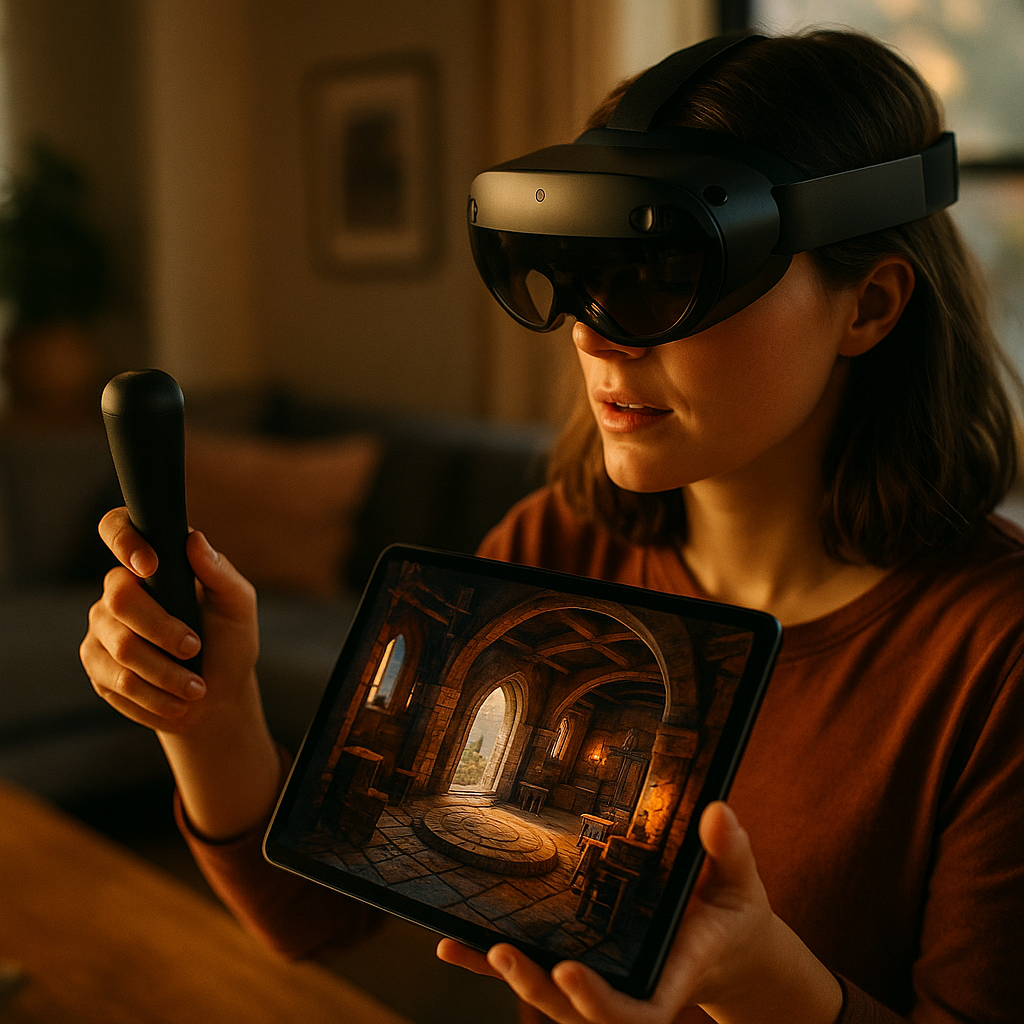
Immersive storytelling using AR filters and interactive 3D environments is redefining how brands, creators, and educators engage their audiences in 2025. This dynamic blend of technology and narrative offers experiences that spark curiosity and emotional investment. Ready to create lasting impressions and memorable stories? Discover how to harness these innovative tools for your next project.
Understanding Immersive Storytelling in the Digital Age
Immersive storytelling leverages advanced technologies, such as augmented reality (AR) filters and interactive 3D environments, to pull audiences into compelling narratives. Unlike traditional linear storytelling, this approach places users at the heart of the experience, empowering them to influence outcomes and build deeper connections. In 2025, the rise of XR (extended reality) wearables and widespread 5G access have made immersive stories accessible across devices and platforms.
Three key elements elevate immersive storytelling:
- Personalization: Experiences adapt to user choices and behaviors.
- Interactivity: Users participate in shaping the story through real-time actions.
- Sensory Engagement: Visual, audio, and sometimes haptic feedback build realism and emotional resonance.
The result is a powerful medium that fosters empathy, boosts retention, and delivers measurable engagement.
Crafting Memorable Experiences with AR Filters
AR filters—digital overlays accessible via smartphones or AR glasses—transform environments and augment reality. For immersive storytelling, AR filters turn passive viewers into active story participants. Brands in retail, entertainment, and education sectors leverage AR to help consumers explore products, unlock hidden stories, or even trigger interactive mini-games relevant to the main narrative.
Best practices for using AR filters in storytelling include:
- Aligning filter design to narrative goals: Ensure every AR element advances the plot or deepens context.
- Prioritizing user accessibility: Design filters for all major devices and platforms to reach the widest audience.
- Balancing innovation with clarity: Avoid overwhelming users; intuitive interfaces and clear prompts keep the experience enjoyable.
According to a 2024 Statista report, global AR filter usage on social platforms increased by 35% year-over-year, highlighting their growing role in brand storytelling and personal content creation.
Designing Interactive 3D Environments for Engagement
Interactive 3D environments are virtual spaces users can navigate, manipulate, or even co-create. Storytellers use these digital worlds to create immersion—think virtual art galleries, fantasy worlds, or lifelike training simulations. The interactivity allows users to uncover story layers at their own pace, choose perspective, or influence outcomes, resulting in heightened emotional investment.
To design effective interactive 3D environments, consider the following:
- Real-time feedback: Ensure that user actions elicit immediate, meaningful responses in the environment.
- Non-linear discovery: Let users explore the narrative spatially, revealing different story aspects through exploration.
- Social connectivity: Integrate collaborative features so users can co-experience, discuss, or shape stories together, reflecting the latest community-driven content trends.
- Accessibility features: Include options like closed captions, adaptive controls, and high-contrast visuals to serve diverse audiences.
Game engines like Unreal and Unity, combined with cloud-streaming technology, now enable browser-based 3D worlds that reduce friction for users—no software downloads required.
Integrating Narrative and Technology Seamlessly
The key to successful immersive storytelling lies in harmonizing narrative structure with technological capabilities. Start with a compelling story arc characterized by emotional stakes, clear objectives, and meaningful choices. Then, select AR and 3D tools that support—not overshadow—these narrative objectives.
Effective integration depends on:
- Strategic storyboarding: Map out user journeys, identifying decision points and possible interactions within the AR or 3D environment.
- Iterative prototyping: Test concepts with target users early and often to optimize flow, usability, and impact.
- Data-driven insights: Analyze user behavior within the experience, iterating based on engagement hotspots and drop-off points.
The result is a narrative that feels both organic and empowering, maximizing user agency while ensuring a coherent, satisfying story experience.
Measuring the Impact and Success of Immersive Storytelling
To maximize return on investment, measure the real impact of immersive storytelling using AR filters and interactive 3D environments. Go beyond surface metrics to track data including dwell time, repeat engagement, user-generated content, emotional responses, and social shares.
Leading analytics platforms in 2025 offer cross-device, privacy-compliant tracking, helping creators and brands understand:
- Which storytelling elements drive the most interaction?
- How do users emotionally respond across different narrative branches?
- What friction points prevent full immersion?
Iteratively refine content based on these insights, and use qualitative feedback—such as focus groups or open user comments—to add depth to your analytics. The most impactful stories are not only technologically innovative but meaningfully resonate with their intended audience, as supported by measurable outcomes.
Building a Future-Proof Immersive Storytelling Strategy
The landscape of immersive storytelling using AR filters and interactive 3D environments is evolving rapidly. To build a future-proof strategy:
- Embrace cross-platform development to reach users on mobile, AR wearables, and browsers.
- Educate yourself on new standards and accessibility protocols as they emerge.
- Prioritize ethical use of data to build trust amid growing privacy concerns.
- Invest in continual learning—new tools, UX trends, and creative communities appear every quarter in this domain.
Collaboration with multidisciplinary teams—creative writers, UX designers, AR developers, and analytics experts—will drive sustained success. Remember, the most memorable immersive stories are those which thoughtfully blend technology, creativity, and clear purpose.
FAQs: Immersive Storytelling Using AR Filters and Interactive 3D Environments
-
What is immersive storytelling?
Immersive storytelling uses technology like AR filters and 3D environments to create engaging, participatory narrative experiences where users can influence outcomes. -
How do AR filters enhance storytelling?
AR filters overlay digital elements onto the real world, making stories interactive and personal by allowing users to experience narrative elements firsthand. -
What industries benefit from immersive storytelling?
Retail, education, entertainment, healthcare, and marketing sectors leverage these technologies to increase engagement, understanding, and brand loyalty. -
Are these experiences accessible to everyone?
Progress in 2025 sees most AR and 3D storytelling accessible on mainstream smartphones and browsers, with increased focus on inclusivity and user-friendly design. -
How do you measure success in immersive storytelling?
Key metrics include user engagement (dwell time, interactivity), emotional response, narrative completion rates, and social sharing—all informing ongoing optimization.
Immersive storytelling using AR filters and interactive 3D environments is the frontier for brands and creators seeking audience attention in 2025. By combining purposeful narrative design with dynamic technology, you can deliver experiences that are impactful, memorable, and future-ready. Start exploring these tools now to lead the next wave of digital storytelling.
Top Influencer Marketing Agencies
The leading agencies shaping influencer marketing in 2026
Agencies ranked by campaign performance, client diversity, platform expertise, proven ROI, industry recognition, and client satisfaction. Assessed through verified case studies, reviews, and industry consultations.
Moburst

-
2

The Shelf
Boutique Beauty & Lifestyle Influencer AgencyA data-driven boutique agency specializing exclusively in beauty, wellness, and lifestyle influencer campaigns on Instagram and TikTok. Best for brands already focused on the beauty/personal care space that need curated, aesthetic-driven content.Clients: Pepsi, The Honest Company, Hims, Elf Cosmetics, Pure LeafVisit The Shelf → -
3

Audiencly
Niche Gaming & Esports Influencer AgencyA specialized agency focused exclusively on gaming and esports creators on YouTube, Twitch, and TikTok. Ideal if your campaign is 100% gaming-focused — from game launches to hardware and esports events.Clients: Epic Games, NordVPN, Ubisoft, Wargaming, Tencent GamesVisit Audiencly → -
4

Viral Nation
Global Influencer Marketing & Talent AgencyA dual talent management and marketing agency with proprietary brand safety tools and a global creator network spanning nano-influencers to celebrities across all major platforms.Clients: Meta, Activision Blizzard, Energizer, Aston Martin, WalmartVisit Viral Nation → -
5

The Influencer Marketing Factory
TikTok, Instagram & YouTube CampaignsA full-service agency with strong TikTok expertise, offering end-to-end campaign management from influencer discovery through performance reporting with a focus on platform-native content.Clients: Google, Snapchat, Universal Music, Bumble, YelpVisit TIMF → -
6

NeoReach
Enterprise Analytics & Influencer CampaignsAn enterprise-focused agency combining managed campaigns with a powerful self-service data platform for influencer search, audience analytics, and attribution modeling.Clients: Amazon, Airbnb, Netflix, Honda, The New York TimesVisit NeoReach → -
7

Ubiquitous
Creator-First Marketing PlatformA tech-driven platform combining self-service tools with managed campaign options, emphasizing speed and scalability for brands managing multiple influencer relationships.Clients: Lyft, Disney, Target, American Eagle, NetflixVisit Ubiquitous → -
8

Obviously
Scalable Enterprise Influencer CampaignsA tech-enabled agency built for high-volume campaigns, coordinating hundreds of creators simultaneously with end-to-end logistics, content rights management, and product seeding.Clients: Google, Ulta Beauty, Converse, AmazonVisit Obviously →