


Sixty-three percent of B2B buyers say creator-produced content influences their shortlisting decisions before they ever contact a vendor. If your demand gen strategy still treats LinkedIn thought leadership as a brand awareness play, you’re leaving pipeline on the table. The B2B creator economy has matured past vanity metrics, and the brands capturing enterprise opportunities are the ones who figured that out first.
Why Niche Beats Reach in B2B Creator Partnerships
The logic that drove consumer influencer marketing — bigger audience equals bigger impact — breaks down completely in B2B. A DevOps engineer with 22,000 YouTube subscribers who publishes weekly teardowns of CI/CD pipeline tools is worth more to a platform like Harness or CircleCI than a generic tech creator with 500,000 followers reviewing consumer gadgets. The audience is decision-relevant. The intent signals are real. And the CPM math reflects that reality: B2B video CPMs for professional creator content are running 3-5x higher than broad-reach placements, and brands are paying willingly because the conversion economics justify it.
What makes these micro-specialists powerful is credibility density. Their audiences don’t follow them for entertainment — they follow them to make better professional decisions. When a creator who has spent years inside security operations recommends a SIEM vendor, that recommendation carries the weight of peer advice, not advertising.
In B2B creator partnerships, a 20,000-subscriber channel with 60% audience job-title alignment to your ICP will consistently outperform a 500,000-subscriber channel with 8% alignment. Reach is a vanity metric. Relevance is a revenue metric.
LinkedIn and YouTube: Different Engines, Different Roles
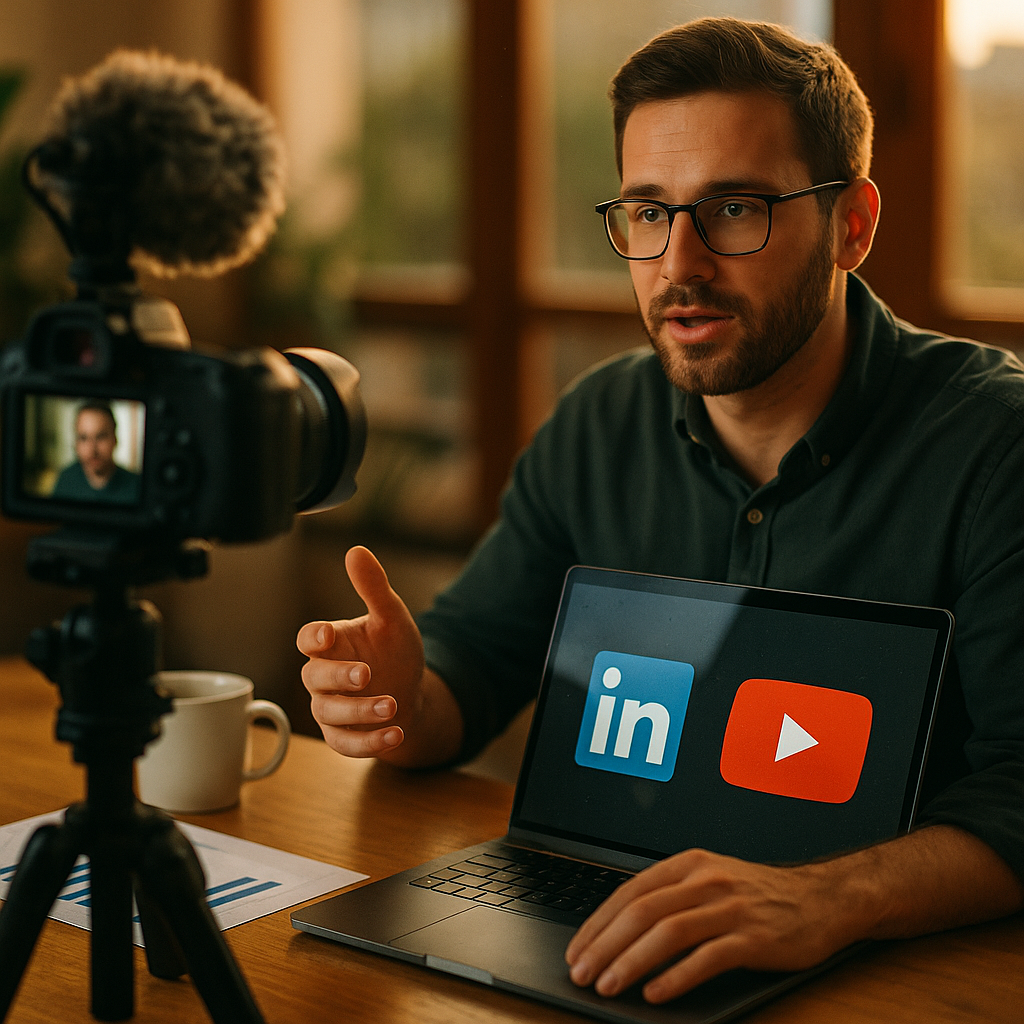
Brands getting this right are running LinkedIn and YouTube as complementary channels, not interchangeable ones. The mechanics are fundamentally different, and conflating them is an operational error that wastes budget.
LinkedIn is a conversation accelerator. A post from a recognized practitioner-creator — say, a former VP of Sales who now publishes frameworks on revenue operations — can put your brand name in front of a buying committee member the same week they’re evaluating vendors. The engagement is public, visible to professional networks, and often searchable by the buyer’s colleagues. LinkedIn’s own research consistently shows that content engagement on the platform influences purchase consideration at rates far higher than standard display advertising. The conversion path is rarely direct, but the pipeline velocity effect is real and measurable when you’re tracking influenced deals in your CRM.
YouTube operates on a longer attribution window but generates higher-intent signals. A 20-minute demo walkthrough from a trusted creator, or a side-by-side product comparison with real test data, drives the kind of watch time that indicates genuine evaluation behavior. Buyers watch these videos mid-funnel, often returning to them during internal stakeholder discussions. Brands like Notion, HubSpot, and monday.com have built entire creator programs around YouTube precisely because the platform’s search infrastructure means sponsored content continues generating pipeline for 18 to 24 months after publication.
The tactical implication: use LinkedIn creator partnerships for top-of-funnel awareness and deal acceleration among in-market buyers, and use YouTube creator content for mid-funnel education and the long-tail of search-driven discovery.
What “Measurable Pipeline” Actually Means Here
This is where most B2B marketing teams stumble. They greenlight a creator program, see engagement numbers, and declare success without connecting creator-attributed touches to revenue outcomes. That’s not measurement — that’s hope.
Sophisticated B2B teams are now building attribution frameworks that treat creator content like any other demand gen channel. The mechanics include custom UTM structures per creator, dedicated landing pages with gated assets, and discount or access codes that allow direct attribution. More importantly, the best programs are integrating creator touchpoints into multi-touch attribution models inside tools like Salesforce, HubSpot, or 6sense, so revenue operations teams can see when a creator touch preceded a demo request, even without a direct click.
One category where this is working particularly well: SaaS companies using creator-driven newsletters and LinkedIn content to warm accounts that are already in an ABM sequence. The creator touch doesn’t close the deal, but it shortens the sales cycle because the prospect arrives at the conversation already familiar with the product’s positioning. That’s pipeline velocity, and it shows up in average deal days when you’re tracking correctly.
For teams still building their attribution infrastructure, auditing your creator tech stack should be a prerequisite before scaling spend. The tooling you use to manage creators, track links, and sync data to your CRM determines the quality of your pipeline reporting.
The Compliance and Disclosure Layer Most B2B Brands Are Ignoring
B2B creator partnerships carry the same FTC disclosure obligations as consumer influencer marketing. Paid partnerships must be clearly disclosed, and “thought leadership” framing does not exempt a creator from the requirement to label sponsored content. The FTC’s endorsement guidelines apply regardless of whether the platform is LinkedIn, YouTube, or a creator’s private newsletter. Enterprise brands with legal exposure should be especially careful here — a poorly disclosed creator partnership that surfaces during a procurement audit can create reputational risk disproportionate to the marketing budget involved.
The operational fix is straightforward: standardize your creator brief templates to include disclosure requirements, and audit creator posts before they go live. This is a 10-minute process that most teams skip and occasionally regret.
Building a B2B Creator Roster That Scales
The temptation is to find one high-profile creator and build a campaign around them. That’s a consumer influencer mindset applied to a B2B context, and it creates concentration risk. A practitioner-creator who leaves their niche, changes their content focus, or publishes something misaligned with your brand values takes your program down with them if they’re your sole investment.
Enterprise technology and professional services brands building durable creator programs are instead building rosters of 8 to 15 niche specialists across different functional areas, seniority levels, and platform combinations. A cybersecurity platform might have four YouTube creators doing technical product reviews, three LinkedIn voices covering executive-level security strategy, and two podcast hosts with audiences of CISOs. That roster architecture distributes risk, covers the full buyer committee, and generates enough content volume to sustain always-on pipeline contribution.
Roster architecture for B2B programs requires different selection criteria than consumer programs. Prioritize creators who can demonstrate their audience’s job titles and seniority, who have produced sponsored content before without audience backlash, and whose editorial standards match the credibility expectations of your target buyer.
The VC investment wave into niche creators is also worth watching. Institutionally backed creator businesses are more stable long-term partners, with professional operations, legal infrastructure, and the capacity to deliver on complex deliverable schedules. For enterprise brands with rigorous vendor requirements, that operational maturity matters.
AI’s Role in B2B Creator Content Discovery and Amplification
Creator content is becoming a meaningful signal in AI-powered search and discovery. When a potential buyer asks an AI assistant to recommend project management tools for enterprise teams, the platforms that have generated substantial creator content — reviewed, compared, and discussed by credible professionals — have an advantage in that recommendation layer. This is not hypothetical. Creator-generated earned media is already influencing how AI search surfaces brands, and B2B marketers who understand this are treating creator content as both a demand gen asset and a generative search positioning strategy.
The implication for program design: brief your creators to produce content that is substantive enough to be indexed, referenced, and cited — not just content that performs well in a platform’s native feed. Long-form YouTube videos with detailed transcripts, LinkedIn articles with original analysis, and creator newsletters with specific product use cases all contribute to the kind of content ecosystem that AI models draw from when generating recommendations. If you need help thinking through how AI content strategy intersects with your creator program, the connection between AI maturity and creator strategy is worth reviewing before you build your next brief.
B2B creator content that earns citations in AI-generated responses is functioning as always-on demand generation. The brands briefing creators for depth and substance — not just engagement — are building a compounding asset, not a campaign.
Rates, Contracts, and Budget Allocation for Professional Creators
Budget benchmarks for B2B creator partnerships are different from consumer norms. A mid-tier LinkedIn creator with 50,000 engaged followers in a specific professional niche (say, supply chain or financial services technology) commands $3,000 to $8,000 per sponsored post in current market conditions. YouTube creators producing technical content with high production value are ranging from $8,000 to $25,000 per integration, depending on audience size and deliverable scope.
These rates are higher than equivalent consumer creator rates on a per-follower basis, and they should be. You are buying audience quality, not audience quantity. The contract structures that work best in B2B include multi-video commitments over 6 to 12 months rather than one-off activations, performance clauses tied to trackable outcomes (views, link clicks, demo requests), and content usage rights that allow you to amplify creator content through paid distribution and your own brand channels.
One underused tactic: paid amplification of top-performing creator content through LinkedIn’s document ads and YouTube’s video promotion tools. The creator establishes the credibility; the paid layer ensures the content reaches accounts that are in your ICP but haven’t yet discovered the creator organically. Paid amplification on top of creator fees is increasingly where the incremental pipeline comes from, and smart B2B programs are budgeting for both lines together, not treating them as separate decisions.
Finally, contracts should address exclusivity carefully. In B2B niches, the creator audience is small enough that a competitor sponsorship in the same content window genuinely dilutes your signal. Category exclusivity for the duration of a campaign is standard and negotiable, and it’s worth the incremental cost when you’re working in crowded categories like martech, cybersecurity, or ERP software. eMarketer’s B2B digital ad data confirms that spending in professional creator channels is accelerating, which means rate pressure is only going in one direction: up. Lock in longer-term agreements with your best performers now.
If your B2B creator program doesn’t have a 12-month roster, an attribution framework in your CRM, and a paid amplification budget line, you’re running a pilot — not a pipeline channel. Commit to the infrastructure, or don’t expect pipeline-level results.
FAQs
What types of creators work best for B2B influencer marketing?
Practitioner-creators who have hands-on professional experience in your target buyer’s function perform best. This means former or current practitioners — engineers, CFOs, operations leaders, security professionals — who have built audiences around their domain expertise. They carry peer credibility that traditional media placements and brand-produced content cannot replicate. Prioritize audience job-title alignment over follower count when evaluating fit.
How do you measure ROI from B2B creator partnerships?
The most reliable approach combines direct attribution (UTM-tracked links, creator-specific landing pages, promo codes) with influenced pipeline tracking inside your CRM. Multi-touch attribution models that capture creator content touches across the buyer journey give revenue operations teams the data to correlate creator activity with deal velocity and close rates. Expect a 60 to 90 day attribution window for most B2B creator partnerships, longer for enterprise deals with extended sales cycles.
Is LinkedIn or YouTube better for B2B creator campaigns?
They serve different functions and work best in combination. LinkedIn accelerates awareness and deal velocity among in-market buyers, with content surfacing in professional networks during active evaluation periods. YouTube drives mid-funnel education through high-intent search behavior, and well-produced creator content continues generating pipeline for 18 to 24 months post-publication. The most effective B2B creator programs use both platforms with distinct briefs and attribution setups for each.
How much should a B2B brand budget for creator partnerships?
Budget varies significantly by niche, audience size, and deliverable scope. LinkedIn practitioner-creators with engaged professional audiences typically range from $3,000 to $8,000 per sponsored post. YouTube technical creators with established audiences range from $8,000 to $25,000 per video integration. Plan for a paid amplification budget of 30 to 50 percent on top of creator fees to maximize reach within your ICP. Longer-term contracts of 6 to 12 months often unlock better rates and more integrated creative execution.
Do B2B creator partnerships require FTC disclosures?
Yes. FTC endorsement guidelines apply to B2B creator content exactly as they apply to consumer influencer marketing. Paid partnerships must be clearly disclosed regardless of whether the platform is LinkedIn, YouTube, or a creator newsletter. “Thought leadership” framing does not substitute for proper disclosure. Enterprise brands should standardize disclosure requirements in their creator briefs and audit content before publication to manage compliance risk.
Top Influencer Marketing Agencies
The leading agencies shaping influencer marketing in 2026
Agencies ranked by campaign performance, client diversity, platform expertise, proven ROI, industry recognition, and client satisfaction. Assessed through verified case studies, reviews, and industry consultations.
Moburst

-
2

The Shelf
Boutique Beauty & Lifestyle Influencer AgencyA data-driven boutique agency specializing exclusively in beauty, wellness, and lifestyle influencer campaigns on Instagram and TikTok. Best for brands already focused on the beauty/personal care space that need curated, aesthetic-driven content.Clients: Pepsi, The Honest Company, Hims, Elf Cosmetics, Pure LeafVisit The Shelf → -
3

Audiencly
Niche Gaming & Esports Influencer AgencyA specialized agency focused exclusively on gaming and esports creators on YouTube, Twitch, and TikTok. Ideal if your campaign is 100% gaming-focused — from game launches to hardware and esports events.Clients: Epic Games, NordVPN, Ubisoft, Wargaming, Tencent GamesVisit Audiencly → -
4

Viral Nation
Global Influencer Marketing & Talent AgencyA dual talent management and marketing agency with proprietary brand safety tools and a global creator network spanning nano-influencers to celebrities across all major platforms.Clients: Meta, Activision Blizzard, Energizer, Aston Martin, WalmartVisit Viral Nation → -
5

The Influencer Marketing Factory
TikTok, Instagram & YouTube CampaignsA full-service agency with strong TikTok expertise, offering end-to-end campaign management from influencer discovery through performance reporting with a focus on platform-native content.Clients: Google, Snapchat, Universal Music, Bumble, YelpVisit TIMF → -
6

NeoReach
Enterprise Analytics & Influencer CampaignsAn enterprise-focused agency combining managed campaigns with a powerful self-service data platform for influencer search, audience analytics, and attribution modeling.Clients: Amazon, Airbnb, Netflix, Honda, The New York TimesVisit NeoReach → -
7

Ubiquitous
Creator-First Marketing PlatformA tech-driven platform combining self-service tools with managed campaign options, emphasizing speed and scalability for brands managing multiple influencer relationships.Clients: Lyft, Disney, Target, American Eagle, NetflixVisit Ubiquitous → -
8

Obviously
Scalable Enterprise Influencer CampaignsA tech-enabled agency built for high-volume campaigns, coordinating hundreds of creators simultaneously with end-to-end logistics, content rights management, and product seeding.Clients: Google, Ulta Beauty, Converse, AmazonVisit Obviously →