


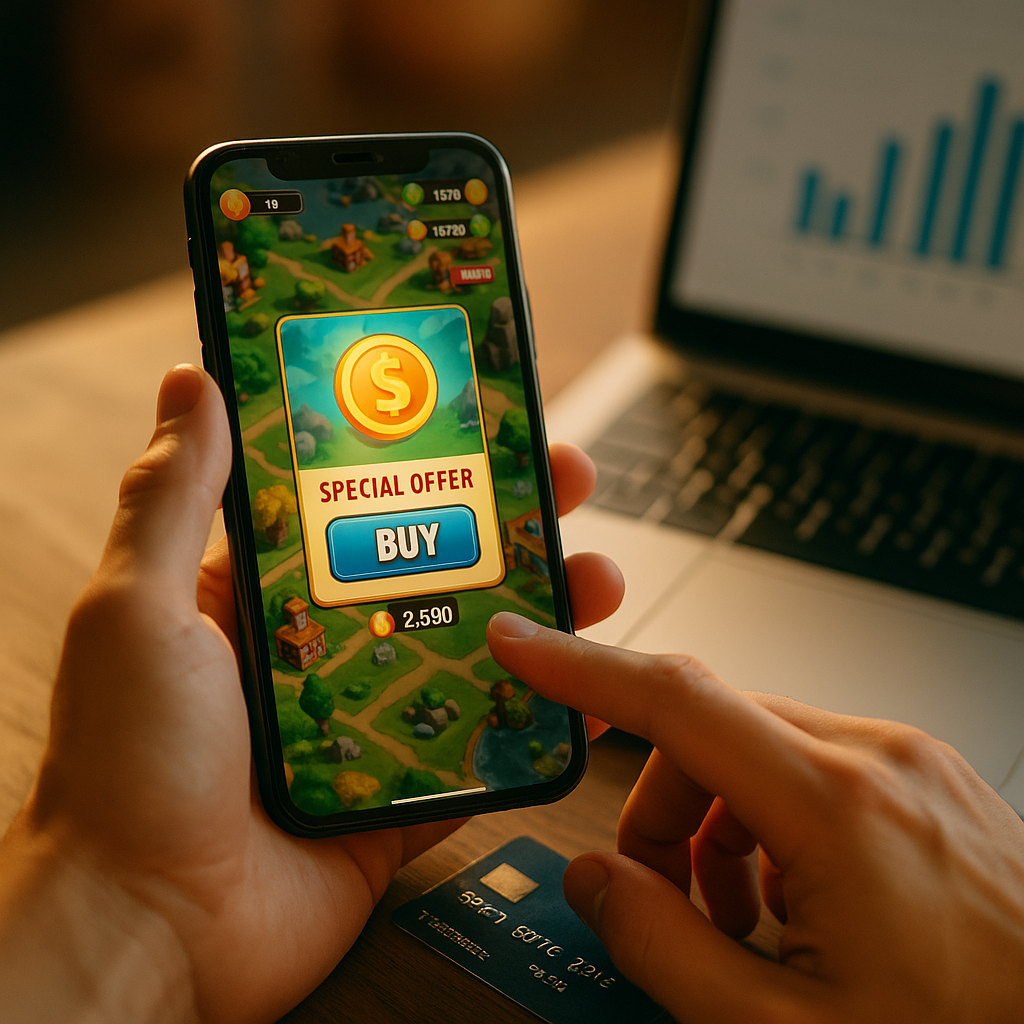
Wondering how to design a campaign that drives in-app purchases for mobile games? Effective campaign design unlocks higher revenues and player engagement. This guide shows you proven strategies, current best practices, and actionable steps to create campaigns that convert casual players into loyal, paying customers. Ready to turn downloads into dollars? Let’s explore the tactics that work in today’s market.
Understanding In-App Purchase Motivation
To build a campaign that drives in-app purchases, you must first understand what motivates players to spend. According to a 2024 Sensor Tower report, emotional connection and perceived value are key drivers. Players pay for enhancements that offer real benefits—whether it’s unlocking exclusive content or progressing faster through the game. Align your campaign messaging with these intrinsic motivators to create a compelling offer in your mobile game marketing strategy.
- Progression: Items or boosts that help users advance faster.
- Customization: Skins, avatars, and decorative elements offer personalization.
- Exclusivity: Limited-time offers or rare items build urgency.
- Competitive Edge: Power-ups or upgrades that help players outperform others.
Conduct user surveys and analyze behavior data to identify which motivators resonate most with your audience. Integrate these insights early in your campaign planning to improve relevance and conversion rates.
Segmentation and Targeting for Player Personas
Not every player is equally likely to make purchases. Campaigns that drive in-app purchases for mobile games perform best when based on segmentation and targeting. Use robust analytics tools to group your users by their behavior, demographics, and purchase history. In 2025, machine learning-based segmentation can identify subgroups such as whales, dolphins, and minnows.
- Identify high-value segments: Focus on the top 10-20% of spenders and those with high engagement metrics.
- Create tailored offers: Serve special incentives based on player’s past interactions. For example, offer personalized bundles for new payers or loyalty rewards for frequent buyers.
- Leverage dynamic messaging: Use in-app notifications and push messages that adapt to player activity and transaction data.
Keep privacy and transparency at the forefront. Ensure all targeting complies with global data regulations and communicates how data is used in clear, user-friendly language.
Crafting Irresistible Offers and Creatives
The heart of any successful mobile game campaign is the offer itself. Whether it’s a deep discount, a unique item, or a time-limited bundle, your campaign’s value proposition must be clear and compelling. Focus on these proven tactics:
- Time-limited events: Create a sense of urgency by offering special deals for a set period—flash sales, countdowns, and holiday events work well.
- Value bundling: Combine several popular items together at a discount to increase perceived value without reducing individual item prices.
- Bonus incentives: Add limited-edition visuals, achievement badges, or early access as purchase sweeteners.
- A/B testing: Regularly test creatives, pricing tiers, and call-to-actions to determine what resonates with different audience segments.
Apply current design trends, such as bold visuals and clear, one-sentence copy on banners. Keep mobile responsiveness top of mind, and ensure creatives look appealing across all devices and screen sizes.
Integrating Omnichannel Communication
No campaign designed to increase in-app purchases for mobile games is complete without a strong communication plan. Effective campaigns send the right message at the right moment through the right channel. In 2025, the best campaigns employ an omnichannel approach:
- Push Notifications: Deliver reminders and offers directly to a user’s device to capture fleeting attention.
- In-App Messaging: Contextual messages during gameplay or at the payment screen convert high-intent users.
- Email Campaigns: Re-engage lapsed spenders or celebrate milestones with personalized deals.
- Social Integration: Enable easy sharing of achievements and offers to extend campaign reach organically.
Consolidate user communication preferences to avoid notification fatigue. Use automation to trigger timely messages based on real-time user activity. Measure effectiveness by tracking open rates, click-throughs, and conversion rates across each channel.
Analyzing Performance and Optimizing Results
Tracking and optimization are essential to designing a campaign that drives in-app purchases for mobile games. Set clear goals (such as ARPU, transaction volume, or retention rates) before launching your campaign. Utilize built-in analytics or third-party platforms to:
- Monitor user journeys: Identify friction points that cause users to abandon purchases.
- Analyze cohort data: Compare how different segments respond to various campaign elements.
- Adjust in real-time: Modify offer placements, creatives, or incentives based on live performance data.
- Gather feedback: Use post-purchase surveys and app store reviews to capture voice of the customer.
Regularly conduct retrospective analyses after each campaign to collect learnings and refine future offer strategies. As player behaviors shift in 2025, agile, data-driven campaigns will consistently outperform those relying on static tactics.
Building Long-Term Value Through Engagement
The most profitable mobile game campaigns create recurring value, not just one-time sales. Design your approach to nurture ongoing engagement and future purchases. Achieve this through:
- Loyalty programs: Reward players for repeat purchases with points, special ranks, or early access to new content.
- Seasonal content: Release regular themed updates to keep offerings fresh and the game top of mind.
- Community features: Foster social interactions, leaderboards, and events to build player investment and emotional connection.
Set up feedback loops where user input informs future campaign design, ensuring your offers remain relevant and players feel recognized. This long-term approach underpins both higher revenue and stronger brand equity in a crowded marketplace.
In summary, designing a campaign that drives in-app purchases for mobile games requires deep audience understanding, personalized targeting, compelling offers, strategic communication, and ongoing optimization. Master these elements to unlock sustainable growth and a loyal, paying player base. Take action today—your next campaign’s success starts with a thoughtful, data-driven approach.
FAQs: Campaigns That Drive In-App Purchases for Mobile Games
-
What type of in-app offers work best for mobile games in 2025?
Limited-time bundles, exclusive content, and personalized discounts are the most effective. Align offers with player motivations such as progression, customization, and competition.
-
How do I know which players to target in my campaign?
Segment users by engagement level, spending history, and gameplay patterns using analytics. Prioritize high-engagement and high-value segments with personalized communications.
-
What is the best channel for communicating in-app purchase campaigns?
An omnichannel approach—combining in-app messaging, push notifications, and emails—yields the highest results. Tailor your methods to user preferences and behaviors.
-
How can I measure campaign effectiveness?
Track metrics such as purchase conversion rate, average revenue per user, retention, and engagement. Use cohort analysis and A/B testing to optimize results.
-
What are common mistakes to avoid?
Avoid generic offers, over-messaging, and neglecting user feedback. Always test campaigns, personalize offers, and respect user privacy for the best outcomes.
Top Influencer Marketing Agencies
The leading agencies shaping influencer marketing in 2026
Agencies ranked by campaign performance, client diversity, platform expertise, proven ROI, industry recognition, and client satisfaction. Assessed through verified case studies, reviews, and industry consultations.
Moburst

-
2

The Shelf
Boutique Beauty & Lifestyle Influencer AgencyA data-driven boutique agency specializing exclusively in beauty, wellness, and lifestyle influencer campaigns on Instagram and TikTok. Best for brands already focused on the beauty/personal care space that need curated, aesthetic-driven content.Clients: Pepsi, The Honest Company, Hims, Elf Cosmetics, Pure LeafVisit The Shelf → -
3

Audiencly
Niche Gaming & Esports Influencer AgencyA specialized agency focused exclusively on gaming and esports creators on YouTube, Twitch, and TikTok. Ideal if your campaign is 100% gaming-focused — from game launches to hardware and esports events.Clients: Epic Games, NordVPN, Ubisoft, Wargaming, Tencent GamesVisit Audiencly → -
4

Viral Nation
Global Influencer Marketing & Talent AgencyA dual talent management and marketing agency with proprietary brand safety tools and a global creator network spanning nano-influencers to celebrities across all major platforms.Clients: Meta, Activision Blizzard, Energizer, Aston Martin, WalmartVisit Viral Nation → -
5

The Influencer Marketing Factory
TikTok, Instagram & YouTube CampaignsA full-service agency with strong TikTok expertise, offering end-to-end campaign management from influencer discovery through performance reporting with a focus on platform-native content.Clients: Google, Snapchat, Universal Music, Bumble, YelpVisit TIMF → -
6

NeoReach
Enterprise Analytics & Influencer CampaignsAn enterprise-focused agency combining managed campaigns with a powerful self-service data platform for influencer search, audience analytics, and attribution modeling.Clients: Amazon, Airbnb, Netflix, Honda, The New York TimesVisit NeoReach → -
7

Ubiquitous
Creator-First Marketing PlatformA tech-driven platform combining self-service tools with managed campaign options, emphasizing speed and scalability for brands managing multiple influencer relationships.Clients: Lyft, Disney, Target, American Eagle, NetflixVisit Ubiquitous → -
8

Obviously
Scalable Enterprise Influencer CampaignsA tech-enabled agency built for high-volume campaigns, coordinating hundreds of creators simultaneously with end-to-end logistics, content rights management, and product seeding.Clients: Google, Ulta Beauty, Converse, AmazonVisit Obviously →