


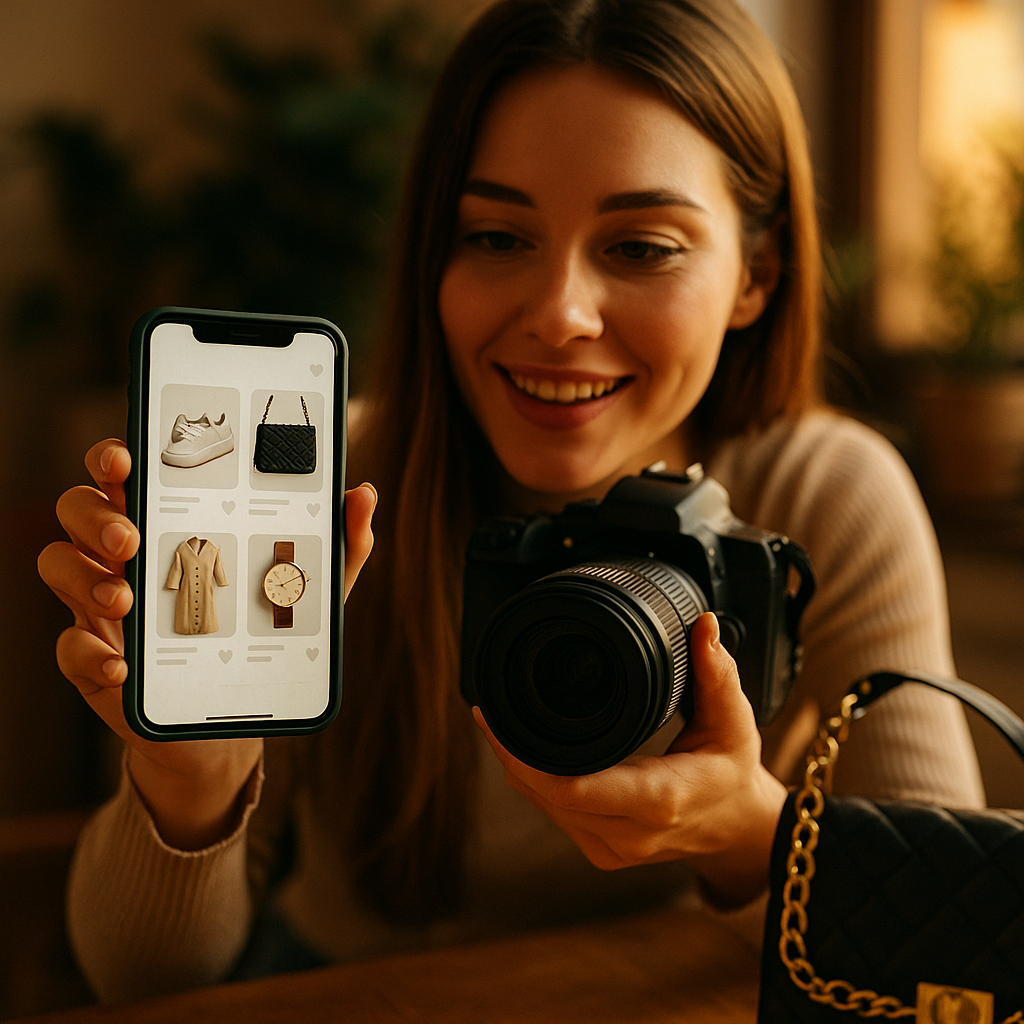
Crafting an influencer campaign that drives product wishlist adds is one of the most effective ways to turn social buzz into concrete buying intent in 2025. In this guide, discover the must-know strategy and actionable tips to ensure your next influencer campaign doesn’t just get likes—but actually fills up customer wishlists.
Understanding Influencer Marketing for Wishlist Engagement
Before diving into campaign design, it’s critical to grasp how influencer marketing can affect consumer behavior—especially around wishlist adds. Customers follow influencers they trust for product inspiration. According to a 2024 Statista report, 74% of Gen Z shoppers discover new brands through influencers. When influencers spotlight products positively, their followers are far more likely to signal purchase intent by adding products to wishlists or carts, bridging the gap between interest and action.
By leveraging influencers authentically, brands can nudge followers at the evaluation stage—prompting those all-important wishlist interactions rather than simply driving fleeting awareness or likes.
Identifying the Right Influencers for Wishlist Add Campaigns
Not all influencers are created equal when your goal is to drive product wishlist adds. The key is to seek out those whose audiences match your buyer persona, and who have a track record of high engagement and trust. Here’s how to ensure influencer selection aligns precisely with your objective:
- Match audience demographics: Collaborate with influencers whose followers align with your target market age, location, interests, and shopping behaviors.
- Check engagement, not just reach: Prioritize influencers who drive meaningful conversations and actions—comments and saves outperform likes as signals.
- Review past collaborations: Assess whether the influencer has prompted wishlist adds, signups, or similar click-through actions for other brands.
Influencer platforms like Aspire and Upfluence offer granular data in 2025, so use these resources to validate your choices before outreach.
Designing Campaign Content That Inspires Wishlist Actions
To drive product wishlist adds, your influencer content must do more than entertain. It should create a clear, compelling reason to save your item for later. Here’s how to design engaging content for this objective:
- Feature product solutions: Ask influencers to demonstrate real, relevant use-cases, emphasizing why viewers should want the product in their lives.
- Include a narrative “save for later” hook: Encourage influencers to mention wishlist features directly. For instance, they can say, “This went straight to my wishlist because…”
- Use platform-native wishlist prompts: If your campaign runs on Instagram, educate influencers on the “Save” feature, or on your eCommerce platform’s native wishlist tool.
- Showcase scarcity and urgency: When appropriate, highlight limited editions or quantity limits, giving followers a reason to wishlist before the item sells out.
Remember: authentic influencer storytelling outperforms scripted endorsements. Give creators room to express genuine enthusiasm for your products.
Optimizing Calls to Action and User Experience
An effective influencer campaign must pair great content with seamless wishlist functionality. Streamline the wishlist process and calls to action (CTAs) so it’s frictionless for the user:
- Clear, trackable CTAs: Ask influencers to say or display direct prompts, like “Tap the link in my bio to add this to your wishlist.” Use campaign-specific landing pages for tracking.
- Mobile optimization: Ensure your wishlist experience is smooth on all devices. Over 70% of wishlist interactions occur via mobile in 2025.
- Visual cues and reminders: Add wishlist iconography next to influencer UGC, and consider retargeting ads to users who viewed but didn’t save the product.
- Swift sign-in or guest modes: Don’t frustrate users with lengthy sign-up steps—enable social or one-click wishlisting where possible.
Every extra step risks dropping potential wishlists. Audit your process and remove obstacles before campaign launch.
Measuring Success and Optimizing for Wishlist Conversions
To truly maximize your ROI, focus on metrics that go beyond typical influencer campaign vanity numbers. Monitor:
- Total and incremental wishlist adds: Track how many wishlists are created as a direct result of influencer content.
- Attribution mapping: Use UTM codes, dedicated influencer links, or affiliate dashboard tools to connect adds to specific creators or posts.
- Wishlist-to-purchase rate: Analyze the frequency with which wishlist adds convert to sales. High add rates are valuable, but conversion closes the revenue loop.
- User journey analysis: Map customer pathways from influencer touch to wishlist to purchase, identifying drop-off points.
Continually refine your influencer mix, messaging, and UX based on these insights. Share clear reporting with influencers, so they, too, can evolve their approach for greater impact.
Complying with FTC and Platform Guidelines
In 2025, transparency and compliance remain essential for sustainable performance in influencer campaigns. The Federal Trade Commission (FTC) has expanded disclosure requirements to include wishlist incentivization. Ensure every influencer:
- Properly discloses partnerships: Use clear language like #ad or #sponsored in all posts and videos.
- Avoids manipulative CTAs: CTAs should invite rather than pressure wishlist adds.
- Follows platform rules: Each network—Instagram, TikTok, YouTube—has up-to-date policies for affiliate mentions and commerce integrations.
Educating influencers about these standards not only prevents account penalties but also builds consumer trust, which correlates closely with wishlist conversions.
Conclusion: Turn Influence Into Intent With Wishlist Campaigns
A well-planned influencer campaign that drives product wishlist adds converts social engagement into concrete intent—moving customers closer to purchase. By strategically choosing partners, crafting targeted content, simplifying the user experience, and measuring results, you’ll ensure every influencer post fills up customer wishlists and fuels lasting brand growth.
FAQs: Influencer Campaigns and Product Wishlist Adds
-
What type of products benefit most from wishlist add campaigns?
Products with higher price points, limited editions, or gift potential perform best in wishlist campaigns. These items benefit from the “save now, buy later” behavior that wishlists encourage.
-
How do I track how many wishlist adds came from influencers?
Use unique campaign URLs, UTM tags, and your eCommerce platform’s analytics to monitor wishlist activity from influencer content. Many platforms in 2025 offer direct influencer attribution dashboards.
-
Which platforms are best for driving wishlist adds via influencers?
Instagram, TikTok, and Pinterest are particularly effective, thanks to visual shopping features and integrated wishlist or save functionalities. Choose the platform where your audience is most active.
-
Should I incentivize influencers based on wishlist adds?
Yes, consider performance-based compensation. Offer bonuses for hitting wishlist add targets, but ensure agreements comply with ethical and disclosure standards set by the FTC in 2025.
-
How can I convert wishlisters into buyers post-campaign?
Leverage retargeting ads, personalized emails, and special offers to those who added items to their wishlist during the campaign. Highlight urgency or exclusive deals to move them further down the purchase funnel.
Top Influencer Marketing Agencies
The leading agencies shaping influencer marketing in 2026
Agencies ranked by campaign performance, client diversity, platform expertise, proven ROI, industry recognition, and client satisfaction. Assessed through verified case studies, reviews, and industry consultations.
Moburst

-
2

The Shelf
Boutique Beauty & Lifestyle Influencer AgencyA data-driven boutique agency specializing exclusively in beauty, wellness, and lifestyle influencer campaigns on Instagram and TikTok. Best for brands already focused on the beauty/personal care space that need curated, aesthetic-driven content.Clients: Pepsi, The Honest Company, Hims, Elf Cosmetics, Pure LeafVisit The Shelf → -
3

Audiencly
Niche Gaming & Esports Influencer AgencyA specialized agency focused exclusively on gaming and esports creators on YouTube, Twitch, and TikTok. Ideal if your campaign is 100% gaming-focused — from game launches to hardware and esports events.Clients: Epic Games, NordVPN, Ubisoft, Wargaming, Tencent GamesVisit Audiencly → -
4

Viral Nation
Global Influencer Marketing & Talent AgencyA dual talent management and marketing agency with proprietary brand safety tools and a global creator network spanning nano-influencers to celebrities across all major platforms.Clients: Meta, Activision Blizzard, Energizer, Aston Martin, WalmartVisit Viral Nation → -
5

The Influencer Marketing Factory
TikTok, Instagram & YouTube CampaignsA full-service agency with strong TikTok expertise, offering end-to-end campaign management from influencer discovery through performance reporting with a focus on platform-native content.Clients: Google, Snapchat, Universal Music, Bumble, YelpVisit TIMF → -
6

NeoReach
Enterprise Analytics & Influencer CampaignsAn enterprise-focused agency combining managed campaigns with a powerful self-service data platform for influencer search, audience analytics, and attribution modeling.Clients: Amazon, Airbnb, Netflix, Honda, The New York TimesVisit NeoReach → -
7

Ubiquitous
Creator-First Marketing PlatformA tech-driven platform combining self-service tools with managed campaign options, emphasizing speed and scalability for brands managing multiple influencer relationships.Clients: Lyft, Disney, Target, American Eagle, NetflixVisit Ubiquitous → -
8

Obviously
Scalable Enterprise Influencer CampaignsA tech-enabled agency built for high-volume campaigns, coordinating hundreds of creators simultaneously with end-to-end logistics, content rights management, and product seeding.Clients: Google, Ulta Beauty, Converse, AmazonVisit Obviously →