


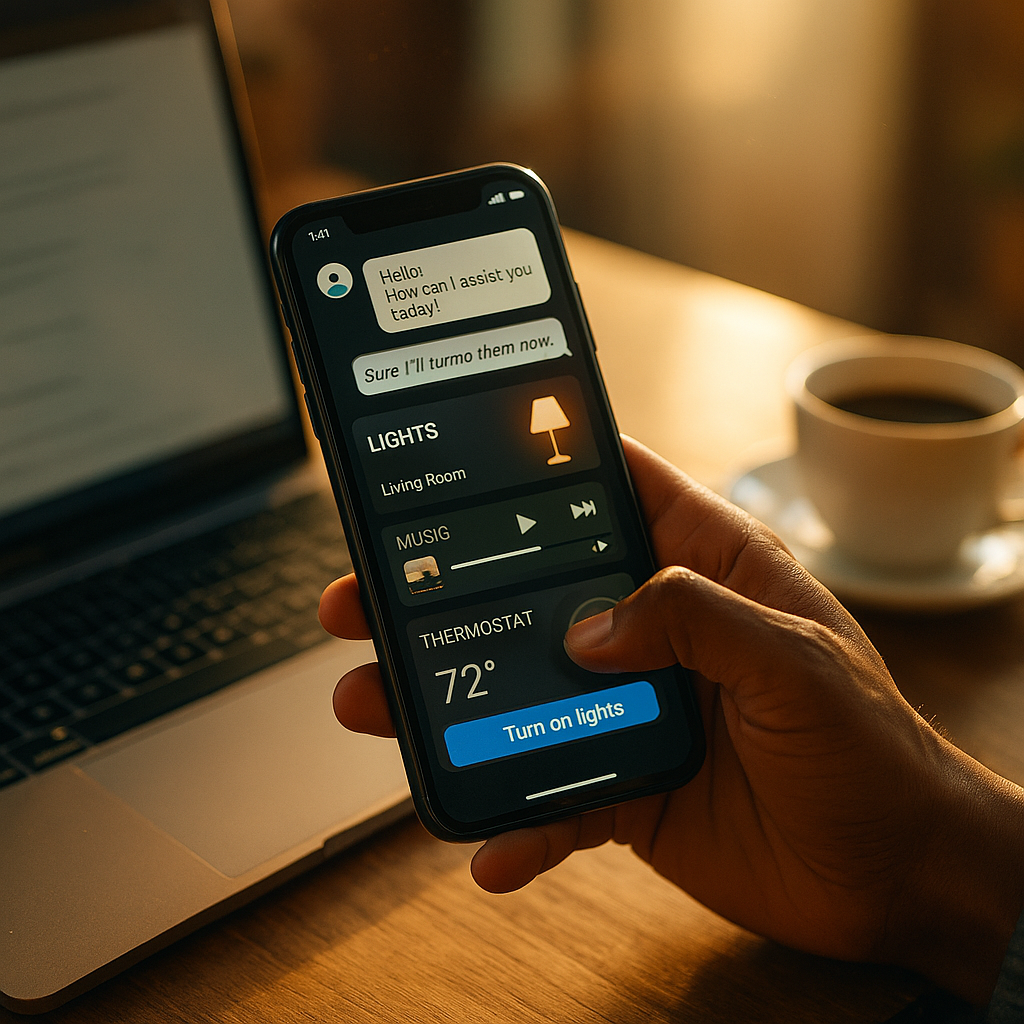
Gartner predicts that by 2027, chatbots will handle 15% of customer service interactions without human agents, but that stat already undersells what’s happening in creator marketing stacks right now. Braze conversational agents aren’t just smarter chatbots. They’re goal-seeking systems that negotiate, schedule, and escalate on their own, and that single shift rewires how brands manage creator campaign messaging, consent, and risk.
The Old Chatbot Model Was Never Built for Creator Workflows
Traditional chatbots were decision trees wearing a friendly interface. A creator messages a brand’s support inbox asking about payment timing, the bot matches keywords, serves a canned response, and if the query doesn’t fit a pre-mapped branch, it dead-ends into “let me connect you with a human.” Fine for FAQ triage. Terrible for managing hundreds of creator relationships that each have different contract terms, posting windows, and approval statuses.
Creator campaigns generate a messy mix of structured data (contract terms, deliverable deadlines) and unstructured conversation (creators asking about usage rights, flagging shipping delays, negotiating extra posts). Chatbots could only ever handle the scripted half. Everything else routed to a human, which is exactly why so many influencer teams still run messaging through spreadsheets and Slack threads instead of their martech stack.
What Actually Changes With Conversational Agents
Braze’s conversational agents operate differently because they’re built on intent and action, not scripted replies. Instead of matching a query to a pre-written answer, the agent interprets what the creator or customer is actually trying to accomplish and then executes a task: rescheduling a post, pulling updated FTC disclosure language, checking inventory before confirming a seeding seed-unit shipment, or escalating a contract dispute to the right human reviewer.
The core difference isn’t tone or fluency. It’s that a conversational agent can take an action inside your systems, while a chatbot can only describe one.
That distinction matters enormously for creator campaign operations. A chatbot might tell a creator “your payment is being processed.” An agent can actually check the payment system, confirm status, and if there’s a delay, trigger a notification to the finance team with the specific creator ID and contract reference attached. One is customer service theater. The other is operational execution.
This is part of a broader pattern across the martech landscape. As we covered in our look at how conversational AI agents execute tasks rather than just replying, the industry is moving from “answer the question” software to “complete the job” software. Braze’s rollout is one of the clearer enterprise examples because it’s wired directly into campaign orchestration, not bolted on as a separate support widget.
Why This Matters More for Influencer Programs Than General Marketing
Creator campaigns have a unique operational burden: every individual creator is simultaneously a vendor, a media channel, and a brand voice. That triple role means messaging can’t just be transactional. It has to track contract compliance, content approval status, FTC disclosure requirements, and payment terms, often across dozens or hundreds of creators running in parallel.
A scripted chatbot can’t hold that much context. Conversational agents can, because they’re designed to query live campaign data and act on it mid-conversation. Imagine a mid-tier creator asking “can I post Thursday instead of Tuesday?” A chatbot gives a static answer. An agent checks the campaign calendar, confirms Thursday doesn’t conflict with a paid media flight or another creator’s exclusivity window, and either approves the change or routes it for human sign-off, all within the same thread.
This lines up with what we found when examining Braze, Salesforce, and Adobe AI agents weighed on risk and ROI: the platforms making real gains aren’t the ones with the flashiest demo, they’re the ones that tie agent actions to existing governance rails.
Where ROI Actually Shows Up
Marketers evaluating this shift should care about three measurable outcomes, not the novelty of “talking to AI.”
- Faster creator response cycles. Agents resolving routine logistics questions (shipping status, posting windows, usage rights) free up account managers to focus on negotiation and relationship work that actually drives campaign quality.
- Lower escalation volume. Because agents can act instead of just answering, fewer conversations need to bounce to a human, which cuts labor cost per creator managed.
- Tighter compliance tracking. Every agent action generates a data trail (what was approved, when, by whom), which matters enormously if the FTC ever asks for documentation on disclosure compliance across a creator roster.
That last point deserves emphasis. Brands running influencer programs at scale are under growing scrutiny from regulators on disclosure practices. The FTC’s endorsement guidelines make clear that brands bear responsibility for ensuring creators disclose material connections, and an agent that automatically surfaces disclosure language mid-conversation and logs the exchange is a meaningfully stronger compliance posture than relying on a creator to remember a line buried in a contract PDF.
The Governance Catch Nobody’s Solved Yet
Here’s the uncomfortable part. Giving an AI system the ability to act, not just reply, raises the stakes if that action is wrong. A chatbot’s worst failure mode is an unhelpful answer. A conversational agent’s worst failure mode is an incorrect action taken inside a live system, like confirming a posting schedule that conflicts with an exclusivity clause, or approving a usage rights extension the brand never authorized.
We’ve tracked this tension closely. Our reporting on Braze AI decisioning forcing a real time governance rethink found that most marketing teams adopting agentic tools haven’t updated their approval workflows to match the new speed of execution. The agent can act in seconds. The governance layer reviewing that action often still runs on a daily or weekly cadence, which creates a window where mistakes compound before anyone catches them.
Speed without a matching governance layer isn’t efficiency, it’s just risk moving faster.
This is a real problem for influencer teams specifically, because creator relationships are reputational assets. A single wrong automated action, like an agent miscommunicating payment terms to a creator who then posts about it publicly, can do brand damage well beyond the operational cost of fixing the error. Teams considering this shift should look closely at how Braze and comparable platforms handle approval gates, as we outlined in coverage of Braze AI approvals skipping humans and the compliance gaps that creates.
Practical Questions to Ask Before You Flip the Switch
Before rolling conversational agents into creator messaging, marketing leads should get clear answers on a short list of operational questions:
- Which actions can the agent take autonomously, and which require a human approval step before execution?
- Is there a full audit log of every agent action, timestamped and tied to a specific creator and campaign?
- How does the agent handle ambiguity, does it default to escalation or does it guess?
- What’s the rollback process if an agent takes an incorrect action inside a live campaign?
- Who owns the agent’s performance metrics, marketing ops, legal, or a shared function?
Teams that skip this checklist tend to discover the gaps the hard way, usually mid-campaign, which is the worst possible time. The three bucket framework for splitting marketing tasks is a useful starting point for deciding which creator messaging tasks are low risk enough for full automation versus which need a human in the loop every time.
How This Plays Out Across the Campaign Lifecycle
Conversational agents don’t just live in the support inbox. In a well-built Braze implementation, the same agent logic touches outreach, negotiation support, content approval nudges, and post-campaign reporting conversations. A creator asking “did my last post hit the engagement benchmark” can get a live answer pulled from analytics, not a promise that someone will check and get back to them.
This connects to a theme we’ve covered repeatedly: AI’s biggest wins in creator marketing come from fusing previously siloed data sources. Our piece on how AI fuses CRM and creator data while governance gaps remain applies directly here. Conversational agents are only as good as the systems they’re wired into. An agent that can message a creator fluently but can’t actually query the CRM for accurate contract terms is just a chatbot with better grammar.
Brands that have done this well typically start narrow: automate the lowest risk, highest volume conversation type first (shipping status updates, posting reminders), prove the governance model holds up, then expand scope. Brands that try to automate negotiation or dispute resolution on day one tend to regret it.
Industry data backs up the caution. eMarketer research on AI adoption in marketing consistently shows that programs with phased rollouts and clear human checkpoints outperform full-automation bets on both efficiency and brand safety metrics. The pattern holds in creator marketing too: trust gets built incrementally, not switched on.
FAQs
Frequently Asked Questions
What’s the core difference between a chatbot and a conversational agent in Braze?
A chatbot matches queries to pre-scripted responses and can only describe information. A conversational agent interprets intent and takes action inside connected systems, like checking payment status, rescheduling content, or logging compliance data, rather than just replying with text.
Do conversational agents replace human account managers on creator campaigns?
No. They absorb routine logistics and status queries, which frees human managers to focus on negotiation, relationship building, and judgment calls that still require a person. Most effective implementations keep humans in the loop for anything involving contract changes or disputes.
What compliance risks come with letting an agent message creators automatically?
The main risk is an agent taking an unauthorized action, like confirming terms or extending usage rights without approval. Brands should maintain an audit log of every agent action and define clearly which tasks require human sign-off before execution.
How should a brand decide which creator messaging tasks to automate first?
Start with low risk, high volume tasks like shipping updates or posting reminders. Prove the governance model holds before expanding to higher stakes conversations like negotiation or dispute resolution.
Does adopting conversational agents require rebuilding a brand’s entire martech stack?
Not necessarily, but it does require the agent to have real access to CRM, campaign, and compliance data. An agent without that integration behaves like a chatbot regardless of how it’s marketed.
The brands getting value from Braze’s conversational agents aren’t the ones chasing novelty, they’re the ones pairing every new automated action with a matching governance checkpoint. Audit your current creator messaging flow, flag which tasks are safe to automate now, and leave the judgment calls to humans until your approval infrastructure catches up.
Top Influencer Marketing Agencies
The leading agencies shaping influencer marketing in 2026
Agencies ranked by campaign performance, client diversity, platform expertise, proven ROI, industry recognition, and client satisfaction. Assessed through verified case studies, reviews, and industry consultations.
Moburst

-
2

The Shelf
Boutique Beauty & Lifestyle Influencer AgencyA data-driven boutique agency specializing exclusively in beauty, wellness, and lifestyle influencer campaigns on Instagram and TikTok. Best for brands already focused on the beauty/personal care space that need curated, aesthetic-driven content.Clients: Pepsi, The Honest Company, Hims, Elf Cosmetics, Pure LeafVisit The Shelf → -
3

Audiencly
Niche Gaming & Esports Influencer AgencyA specialized agency focused exclusively on gaming and esports creators on YouTube, Twitch, and TikTok. Ideal if your campaign is 100% gaming-focused — from game launches to hardware and esports events.Clients: Epic Games, NordVPN, Ubisoft, Wargaming, Tencent GamesVisit Audiencly → -
4

Viral Nation
Global Influencer Marketing & Talent AgencyA dual talent management and marketing agency with proprietary brand safety tools and a global creator network spanning nano-influencers to celebrities across all major platforms.Clients: Meta, Activision Blizzard, Energizer, Aston Martin, WalmartVisit Viral Nation → -
5

The Influencer Marketing Factory
TikTok, Instagram & YouTube CampaignsA full-service agency with strong TikTok expertise, offering end-to-end campaign management from influencer discovery through performance reporting with a focus on platform-native content.Clients: Google, Snapchat, Universal Music, Bumble, YelpVisit TIMF → -
6

NeoReach
Enterprise Analytics & Influencer CampaignsAn enterprise-focused agency combining managed campaigns with a powerful self-service data platform for influencer search, audience analytics, and attribution modeling.Clients: Amazon, Airbnb, Netflix, Honda, The New York TimesVisit NeoReach → -
7

Ubiquitous
Creator-First Marketing PlatformA tech-driven platform combining self-service tools with managed campaign options, emphasizing speed and scalability for brands managing multiple influencer relationships.Clients: Lyft, Disney, Target, American Eagle, NetflixVisit Ubiquitous → -
8

Obviously
Scalable Enterprise Influencer CampaignsA tech-enabled agency built for high-volume campaigns, coordinating hundreds of creators simultaneously with end-to-end logistics, content rights management, and product seeding.Clients: Google, Ulta Beauty, Converse, AmazonVisit Obviously →