


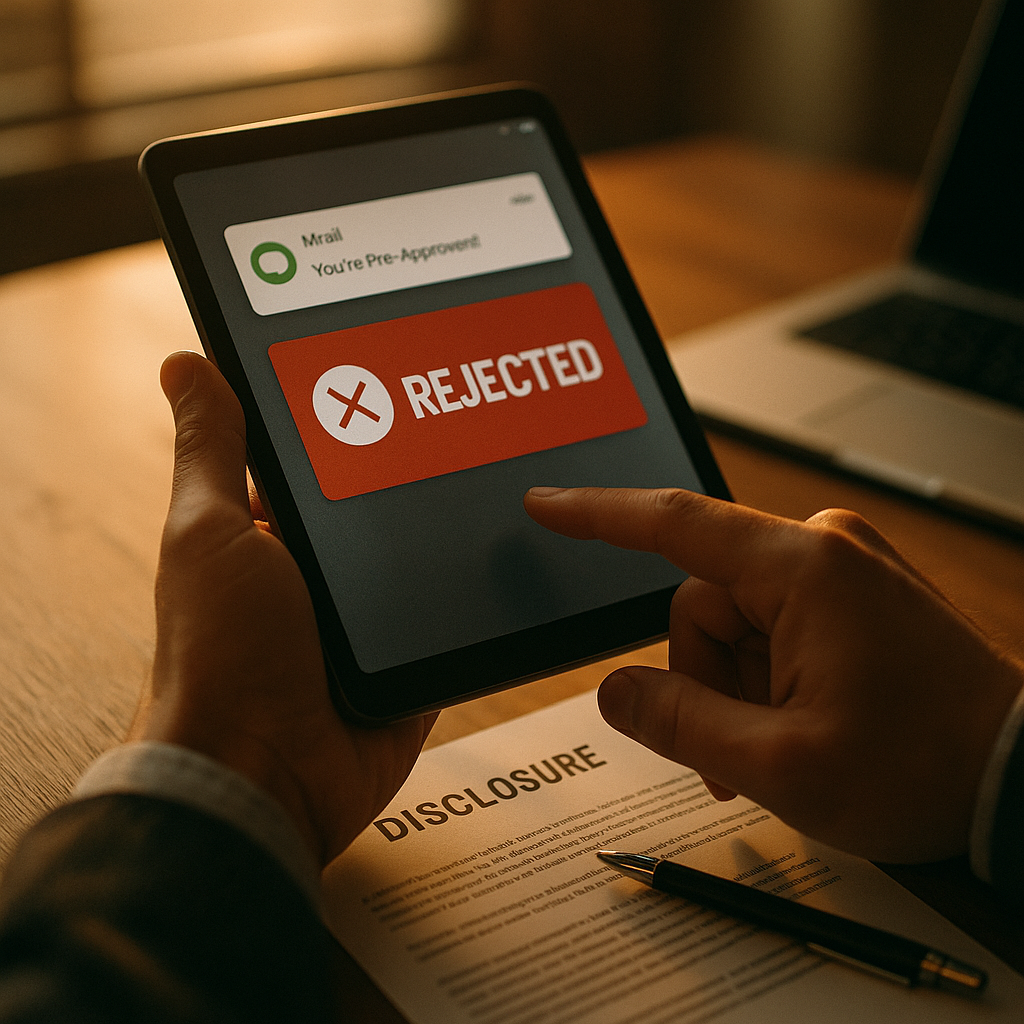
Braze claims its Operator AI agent can cut campaign QA turnaround by more than half. We ran it against 40 live creator briefs over several weeks to see whether that number holds up once legal disclosures, brand voice, and FTC language enter the picture. The short answer: Braze Operator auto approve is fast, confident, and wrong often enough that nobody should unplug human review yet.
What Braze Operator Actually Does
Operator sits inside Braze’s orchestration layer and makes real time decisions about campaign content, send timing, and audience eligibility without a human clicking approve. For creator marketing teams, the pitch is obvious: instead of a brand manager manually checking fifty influencer posts against a brief, Operator reads the content, scores it against your rules, and either greenlights it or flags it for review.
In theory, this collapses a QA process that used to take days into something closer to minutes. Braze positions it as an extension of its existing AI decisioning tools, and the company has been vocal about wanting Operator to handle increasingly complex judgment calls, not just simple rule matching.
That ambition is exactly what makes it worth testing hard. AI agents replacing if-then rules sounds great in a product demo. It gets messier when the content involves a creator’s personal voice, a regulated product category, and a disclosure requirement that varies by platform.
The Test: 40 Creator Briefs, One AI Gatekeeper
We pulled briefs from three verticals: beauty, fintech, and supplements, because each carries different compliance stakes. Supplements and fintech content needs airtight disclosure language. Beauty content is lower regulatory risk but high brand voice risk, since a single off tone caption can tank a campaign’s credibility with an audience that smells inauthenticity fast.
Each brief went through Operator configured for auto approve mode, meaning content meeting the defined thresholds shipped without a human touching it. We then had a senior QA reviewer independently check the same 40 pieces, blind to Operator’s decision, so we could compare judgment calls apples to apples.
- Disclosure compliance: Did the post meet FTC and platform-specific disclosure rules?
- Brand voice match: Did tone and messaging align with the approved brief?
- Factual accuracy: Were product claims within approved language?
- Platform fit: Did format and length match the destination channel’s norms?
This mirrors the methodology we used when evaluating other agentic QA suites built for real-time campaign review, which gave us a useful baseline for what “good” automated QA looks like.
Where Auto Approve Got It Right
Operator was genuinely strong at the mechanical stuff. Hashtag presence, link tracking parameters, caption length against platform limits, and basic keyword matching against the brief all came back clean in nearly every case. If your QA bottleneck is checking whether a creator remembered the UTM code or the required #ad tag, Operator handles that reliably and fast.
It also flagged the obvious violations correctly. Content missing disclosure language entirely got caught every time in our sample. That’s not nothing. According to FTC guidance, undisclosed endorsements remain one of the most common enforcement triggers in influencer marketing, so catching the glaring misses at scale has real value.
Speed was the other win. Average time to decision across the 40 briefs was under four minutes per asset, compared to roughly 35 minutes for our human reviewer working through the same batch with full documentation. For teams running high creator volume, that delta compounds quickly into real headcount savings.
Operator caught 100% of the outright compliance misses in our sample, but it also approved three pieces of content with subtly non-compliant disclosure placement that a trained human reviewer flagged immediately.
Where It Broke: The Failure Modes
This is the part that should slow down anyone planning to flip auto approve on for an entire creator roster. Three failure patterns showed up repeatedly.
Buried disclosures. Three posts had the required disclosure language technically present but positioned below a “see more” fold on Instagram, meaning most viewers would never scroll to it. Operator scored these as compliant because the text existed in the caption field. It had no concept of visual placement risk, which is exactly the kind of nuance regulators care about.
Tonal drift. A fintech brief required a cautious, non-hyperbolic tone around a credit product. One approved post used language bordering on a guaranteed outcome claim, phrased casually enough that keyword filters didn’t catch it. A human reviewer flagged it instantly because context and implication matter more than individual word choice.
Synthetic or AI-generated testimonial language. Two posts contained phrasing patterns consistent with AI-assisted copywriting dressed up as personal experience. This overlaps directly with concerns we’ve raised about synthetic testimonial detection becoming a necessary layer in any automated QA stack, not an optional add-on.
None of these failures are shocking on their own. What’s notable is that Operator’s confidence score on all three didn’t differ meaningfully from its confidence on genuinely clean content. The system wasn’t uncertain. It was wrong and sure of itself, which is a worse combination than being wrong and flagging for review.
Is Auto Approve Worth the Risk?
Run the math honestly. If Operator saves 31 minutes per asset and you’re pushing 500 creator posts a month, that’s roughly 258 hours of reviewer time back. At a loaded hourly cost of $45 for a QA specialist, that’s over $11,000 a month in theoretical savings.
Now price the downside. A single FTC inquiry into undisclosed endorsement, even one that resolves without penalty, can cost tens of thousands in legal review, PR management, and creator relationship repair. One brand voice miss that goes viral for the wrong reasons costs more in reputational terms than months of QA labor savings combined.
The efficiency math only works if the failure rate stays near zero. A 7.5% miss rate on compliance-adjacent decisions, which is what we saw, is not a rounding error. It’s a liability line item.
This echoes a pattern we’ve flagged before: teams measuring AI tools purely on speed often miss that reported efficiency gains don’t survive a proper operational audit once rework and risk exposure get factored in. Braze Operator auto approve is not an exception to that pattern. It’s a textbook case of it.
Setting Up Guardrails If You Deploy It
None of this means Operator is unusable. It means auto approve needs scope limits, not blanket deployment. A few practical rules based on what we saw:
- Tier your content by risk category. Let Operator auto approve low-stakes, non-regulated content (giveaways, unboxing videos with no claims) and route anything touching health, finance, or performance claims to mandatory human review.
- Build a confidence floor, not just a pass/fail gate. Require human eyes on anything where Operator’s internal confidence score dips below a set threshold, even if it technically passed.
- Audit the auto-approved pile weekly. Spot check a random 10% sample of everything that went out without human review. This is the single highest-leverage control we tested.
- Keep a human in the loop for brand voice, full stop. Tone and implication are still where these systems stumble most, a finding consistent with what we found when testing other AI QA agents built to automate campaign setup.
Also worth reading before go-live: our breakdown of how Operator’s guardrails blur risk ownership between brand, agency, and platform when something slips through. Knowing who owns the mistake matters as much as preventing it. Pair that with a guardrails checklist for AI decisioning layers before you let any agent touch live creator content.
For broader context on how marketing orgs are staffing around these tools, HubSpot’s research on AI adoption in marketing teams and eMarketer’s creator economy forecasts both point to the same trend: automation is scaling fast, but oversight structures are lagging behind deployment speed in most organizations, not just at Braze.
The Verdict
Braze Operator auto approve is a legitimate productivity tool for the mechanical layer of creator QA: tagging, tracking, format checks, and catching the obvious disclosure violations. It is not yet reliable enough to replace human judgment on tone, nuance, and regulatory gray areas, and treating it that way invites exactly the kind of risk the automation was supposed to eliminate. Deploy it tiered, audit it weekly, and keep a human owning the final call on anything regulated.
FAQs
What is Braze Operator’s auto approve feature?
Auto approve is a setting within Braze Operator that lets the AI agent approve creator content or campaign assets without requiring a human reviewer, based on rules and thresholds a team configures in advance.
Can Braze Operator replace a human QA reviewer entirely?
Not reliably yet. In testing, Operator caught clear compliance violations consistently but missed subtler issues around disclosure placement, tonal claims, and synthetic testimonial language that a trained human reviewer identified.
What types of creator content are safest to auto approve?
Lower-risk, non-regulated content such as unboxing videos, giveaways, or general lifestyle posts without specific product claims are generally safer for auto approve. Content involving health, finance, or performance claims should route to human review.
How much time does Braze Operator save on campaign QA?
In our test sample, Operator processed assets in roughly four minutes on average compared to about 35 minutes for a human reviewer, though the time savings need to be weighed against the compliance miss rate observed.
What is the biggest risk of using AI auto approve for creator campaigns?
The biggest risk is high-confidence false approvals, where the system passes non-compliant or off-brand content without flagging uncertainty, creating exposure to regulatory action or reputational damage that outweighs the time saved.
Next step: audit your current creator QA workflow before you touch auto approve settings, tier your content by regulatory risk, and pilot Operator only on the lowest-stakes category for one full campaign cycle before expanding its scope.
Top Influencer Marketing Agencies
The leading agencies shaping influencer marketing in 2026
Agencies ranked by campaign performance, client diversity, platform expertise, proven ROI, industry recognition, and client satisfaction. Assessed through verified case studies, reviews, and industry consultations.
Moburst

-
2

The Shelf
Boutique Beauty & Lifestyle Influencer AgencyA data-driven boutique agency specializing exclusively in beauty, wellness, and lifestyle influencer campaigns on Instagram and TikTok. Best for brands already focused on the beauty/personal care space that need curated, aesthetic-driven content.Clients: Pepsi, The Honest Company, Hims, Elf Cosmetics, Pure LeafVisit The Shelf → -
3

Audiencly
Niche Gaming & Esports Influencer AgencyA specialized agency focused exclusively on gaming and esports creators on YouTube, Twitch, and TikTok. Ideal if your campaign is 100% gaming-focused — from game launches to hardware and esports events.Clients: Epic Games, NordVPN, Ubisoft, Wargaming, Tencent GamesVisit Audiencly → -
4

Viral Nation
Global Influencer Marketing & Talent AgencyA dual talent management and marketing agency with proprietary brand safety tools and a global creator network spanning nano-influencers to celebrities across all major platforms.Clients: Meta, Activision Blizzard, Energizer, Aston Martin, WalmartVisit Viral Nation → -
5

The Influencer Marketing Factory
TikTok, Instagram & YouTube CampaignsA full-service agency with strong TikTok expertise, offering end-to-end campaign management from influencer discovery through performance reporting with a focus on platform-native content.Clients: Google, Snapchat, Universal Music, Bumble, YelpVisit TIMF → -
6

NeoReach
Enterprise Analytics & Influencer CampaignsAn enterprise-focused agency combining managed campaigns with a powerful self-service data platform for influencer search, audience analytics, and attribution modeling.Clients: Amazon, Airbnb, Netflix, Honda, The New York TimesVisit NeoReach → -
7

Ubiquitous
Creator-First Marketing PlatformA tech-driven platform combining self-service tools with managed campaign options, emphasizing speed and scalability for brands managing multiple influencer relationships.Clients: Lyft, Disney, Target, American Eagle, NetflixVisit Ubiquitous → -
8

Obviously
Scalable Enterprise Influencer CampaignsA tech-enabled agency built for high-volume campaigns, coordinating hundreds of creators simultaneously with end-to-end logistics, content rights management, and product seeding.Clients: Google, Ulta Beauty, Converse, AmazonVisit Obviously →