


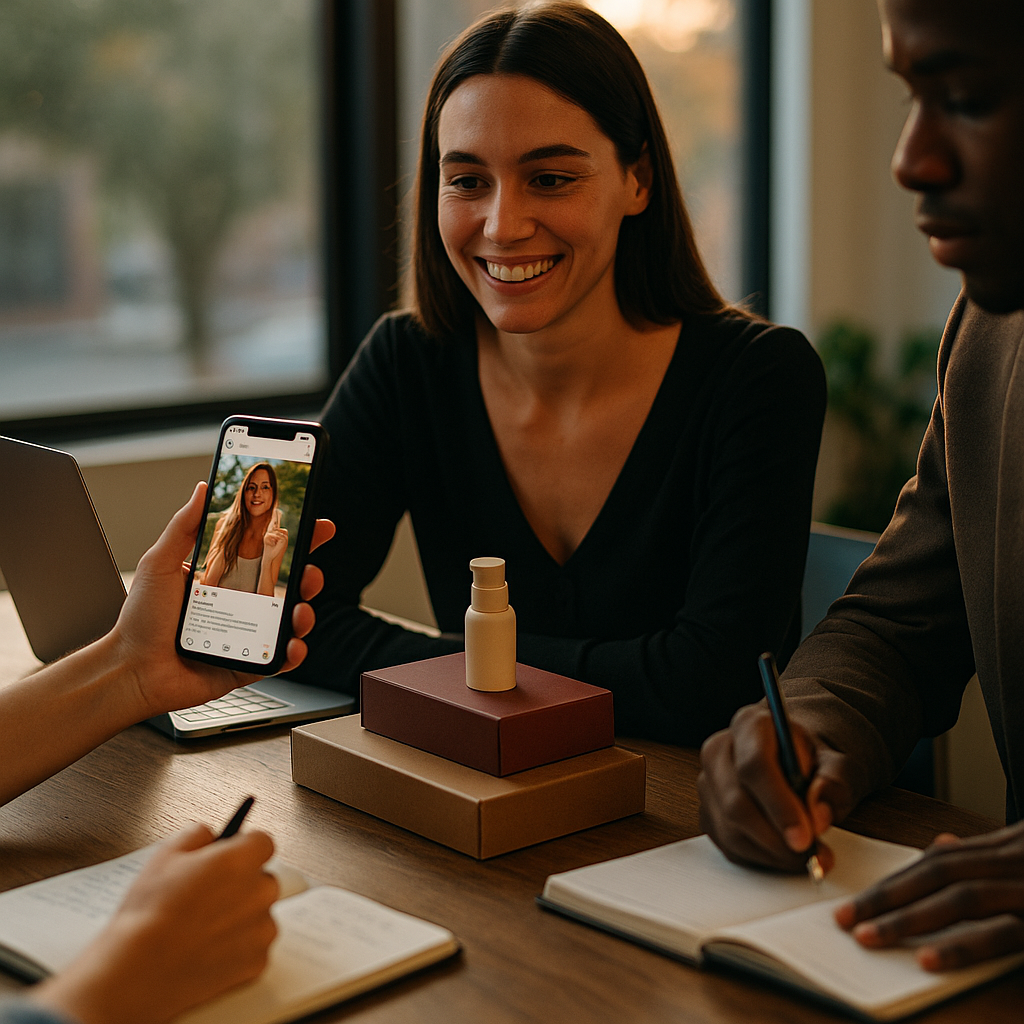
Launching an impactful influencer program doesn’t have to drain your resources. With the right strategy, building an influencer program with zero budget is both achievable and rewarding, especially by leveraging in-kind partnerships. Read on for expert tips and proven tactics to transform limited resources into striking influencer campaigns—without spending a cent.
Understanding In-Kind Partnerships for Influencer Programs
In-kind partnerships are collaborations where products, experiences, or services replace cash payments. In 2025, these arrangements are increasingly popular, as creators value unique brand experiences as much as monetary compensation. In-kind campaigns offer win-win scenarios: brands gain authentic promotion, while influencers receive goods, exclusives, or early access that resonates with their audience.
According to a 2024 Influencer Marketing Hub study, over 65% of micro-influencers prefer product collaborations over paid partnerships when the offer aligns with their niche. With cost barriers gone, even startups and small businesses can harness influencer reach by focusing on what they do best—delivering quality and value through their offerings.
Identifying and Attracting Micro-Influencers for In-Kind Collaborations
Micro-influencers, typically with 1,000–50,000 highly engaged followers, are an ideal fit for in-kind partnerships. Their audiences trust their recommendations, making collaborations feel natural and organic rather than overtly commercial.
- Target authenticity: Seek creators genuinely interested in your industry or product. Engagement metrics often trump follower counts here.
- Personalized outreach: Craft pitches acknowledging the influencer’s specific style or value. Share how your offering fits their interests or content themes.
- Offer real value: Position your product or service as something that elevates their experience or solves a pain point for their audience.
For example, a new eco-friendly skincare brand might offer limited-edition kits to sustainability advocates, sparking excitement for both influencer and followers. Targeted, respectful collaboration requests see much higher acceptance rates than generic pitches.
Designing Effective In-Kind Offers and Campaign Briefs
Your product must be genuinely useful or desirable to the selected influencer. Align your offer with trends—such as health, wellness, tech, or sustainability—for best results. Transparency is vital: be clear about deliverables (e.g., number of posts, stories, reviews) and any deadlines or creative guidelines.
- Emphasize exclusivity: Early access, limited editions, or behind-the-scenes previews increase the perceived value of your in-kind offer.
- Custom-tailor experiences: Let the influencer personalize their experience with your product or service. This inspires authentic stories, boosting credibility.
- Offer flexibility: Let creators retain creative freedom. A 2025 survey by Later.com found that 78% of influencers achieve better engagement when they craft content in their own style.
Solid briefs set expectations while inspiring creativity, resulting in content that resonates, not just advertises.
Building Relationships and Encouraging Repeat Collaborations
One-off trades pale in comparison to authentic, ongoing influencer relationships. Start by showing genuine appreciation: share their posts, engage with their community, and provide feedback or testimonials. Consistent communication, updates about new releases, and occasional bonus gifts nurture positive sentiment.
Many top influencers in 2025 cite brand trust and long-term collaboration opportunities as key motivations. Invite feedback after campaigns, recognize their contributions in your social channels, and consider establishing “insider programs” for recurring contributors. These touches turn transactional exchanges into thriving partnerships.
Tracking Results and Optimizing Your Zero-Budget Influencer Program
Even without a cash investment, data-driven measurement is crucial. Set clear objectives before launching each campaign—are you looking for increased brand awareness, new followers, newsletter sign-ups, or direct sales?
- Track engagement: Monitor likes, shares, comments, and content saves. Tools like Google Analytics, Instagram Insights, and affiliate links help assess performance.
- Collect qualitative feedback: Ask influencers about follower reactions and document any testimonials or user-generated content sparked by the campaign.
- Refine offers: Adjust your approach based on which products or experiences generate the most excitement or conversions.
Analysis not only validates your efforts but also builds the case for future budget increases or expanded in-kind offerings.
Legal and Ethical Considerations in In-Kind Influencer Campaigns
Even non-monetary exchanges require clear agreements. Disclose all partnerships according to local regulations—most platforms require labeling gifted items as “ad” or “gifted.” Provide written agreements specifying deliverables, timelines, rights to content usage, and protocols for unforeseen issues.
Transparency protects both parties’ reputations and ensures compliance with advertising standards. It also builds public trust, an essential asset as consumers demand authenticity and honesty in 2025’s digital landscape.
FAQs: Building an Influencer Program with In-Kind Partnerships
- Can in-kind partnerships work for any brand size?
Yes, both startups and established brands can leverage in-kind collaborations if their product delivers genuine value or unique experiences relevant to the influencer’s audience. - What is the best way to find micro-influencers?
Search hashtags specific to your industry, explore your current customer base, and use influencer discovery tools. Personalize your outreach to boost response rates. - Are in-kind collaborations less effective than paid ones?
Not necessarily. When the product aligns with an influencer’s interests and audience, in-kind partnerships can yield high engagement and authentic advocacy, sometimes outperforming paid campaigns. - What should be included in a campaign brief?
Define campaign objectives, deliverables (type and number of posts), timelines, key messages, creative guidelines, and any legal disclaimers regarding disclosure. - How can success be measured for in-kind partnerships?
Track engagement, reach, traffic, follower growth, and user-generated content. Qualitative feedback from influencers and their communities also offers valuable insight.
With strategic planning, genuine outreach, and clear communication, building an influencer program with zero budget is not only possible—it can deliver outstanding results. Focus on creating thoughtful in-kind partnerships and leverage the power of authentic advocacy to propel your brand in 2025 and beyond.
Top Influencer Marketing Agencies
The leading agencies shaping influencer marketing in 2026
Agencies ranked by campaign performance, client diversity, platform expertise, proven ROI, industry recognition, and client satisfaction. Assessed through verified case studies, reviews, and industry consultations.
Moburst

-
2

The Shelf
Boutique Beauty & Lifestyle Influencer AgencyA data-driven boutique agency specializing exclusively in beauty, wellness, and lifestyle influencer campaigns on Instagram and TikTok. Best for brands already focused on the beauty/personal care space that need curated, aesthetic-driven content.Clients: Pepsi, The Honest Company, Hims, Elf Cosmetics, Pure LeafVisit The Shelf → -
3

Audiencly
Niche Gaming & Esports Influencer AgencyA specialized agency focused exclusively on gaming and esports creators on YouTube, Twitch, and TikTok. Ideal if your campaign is 100% gaming-focused — from game launches to hardware and esports events.Clients: Epic Games, NordVPN, Ubisoft, Wargaming, Tencent GamesVisit Audiencly → -
4

Viral Nation
Global Influencer Marketing & Talent AgencyA dual talent management and marketing agency with proprietary brand safety tools and a global creator network spanning nano-influencers to celebrities across all major platforms.Clients: Meta, Activision Blizzard, Energizer, Aston Martin, WalmartVisit Viral Nation → -
5

The Influencer Marketing Factory
TikTok, Instagram & YouTube CampaignsA full-service agency with strong TikTok expertise, offering end-to-end campaign management from influencer discovery through performance reporting with a focus on platform-native content.Clients: Google, Snapchat, Universal Music, Bumble, YelpVisit TIMF → -
6

NeoReach
Enterprise Analytics & Influencer CampaignsAn enterprise-focused agency combining managed campaigns with a powerful self-service data platform for influencer search, audience analytics, and attribution modeling.Clients: Amazon, Airbnb, Netflix, Honda, The New York TimesVisit NeoReach → -
7

Ubiquitous
Creator-First Marketing PlatformA tech-driven platform combining self-service tools with managed campaign options, emphasizing speed and scalability for brands managing multiple influencer relationships.Clients: Lyft, Disney, Target, American Eagle, NetflixVisit Ubiquitous → -
8

Obviously
Scalable Enterprise Influencer CampaignsA tech-enabled agency built for high-volume campaigns, coordinating hundreds of creators simultaneously with end-to-end logistics, content rights management, and product seeding.Clients: Google, Ulta Beauty, Converse, AmazonVisit Obviously →