


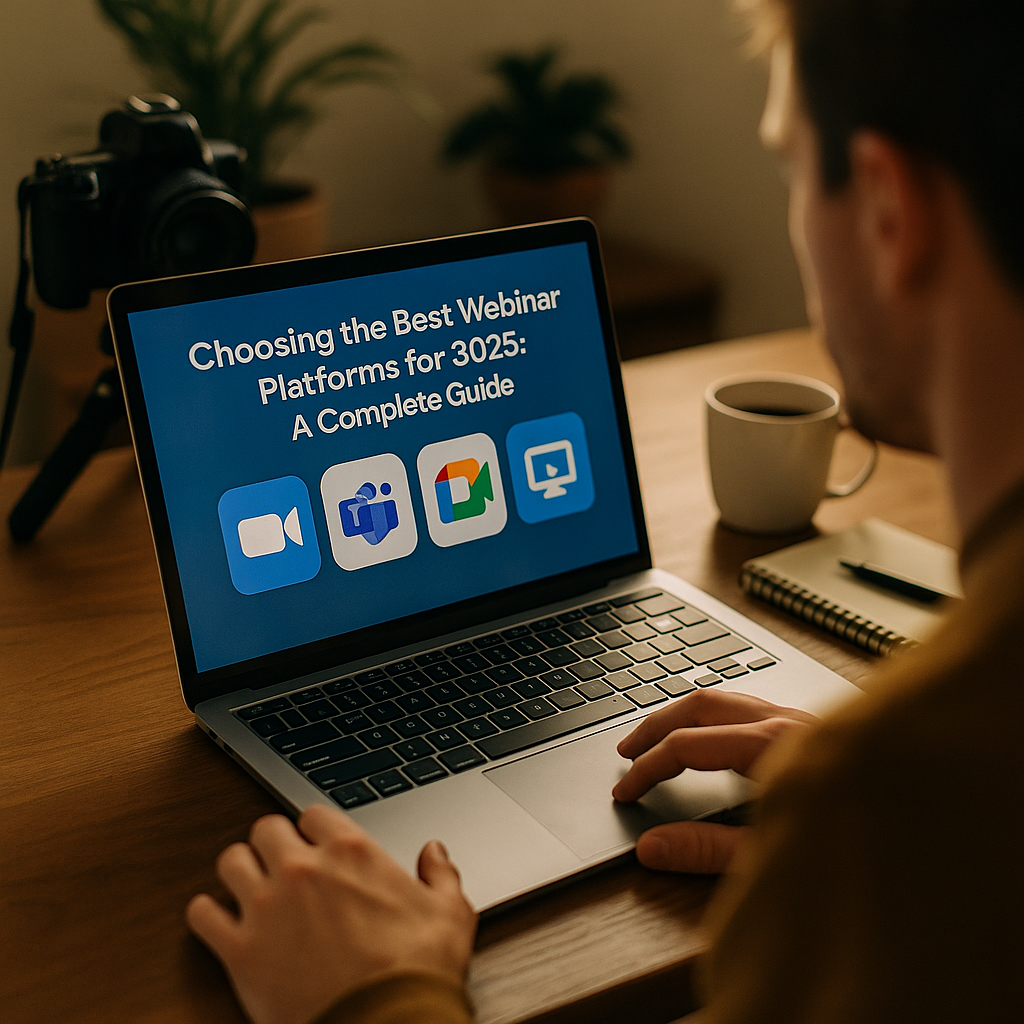
Webinar and virtual event platforms have become indispensable tools for businesses, educators, and event organizers adapting to hybrid and remote engagement. As options multiply and features evolve, making the right choice is more challenging—and important—than ever. This review examines the top webinar and virtual event platforms in 2025, spotlighting essential features, user experience, integration capabilities, pricing, and real-world applications.
Top Webinar Software Platforms: Features and Innovations
Leading webinar software platforms in 2025 deliver far more than basic video streaming. They emphasize interactivity, scalability, and advanced analytics. Popular choices such as Zoom, ON24, GoTo Webinar, and Livestorm have innovated to keep pace with rising expectations. Interactive features in these platforms include live polls, Q&A sessions, breakout rooms for networking, HD recording, and automated workflows for registrations and reminders.
Recent improvements in virtual event software also offer immersive 3D environments, real-time translation, and AI-powered engagement tools. For example, Zoom Events now supports immersive branding, while ON24 provides predictive analytics on attendee engagement. As a result, organizers can deliver personalized experiences and actionable insights, maximizing the value of every online session.
User Experience and Accessibility in Virtual Event Platforms
User experience (UX) is crucial for participant retention and event success. In 2025, platforms are prioritized for intuitive interfaces, easy joining processes, and accessibility for all participants. Leading solutions incorporate one-click join, clear navigation, and compatibility with screen readers for those with disabilities.
Rocket.Chat, for instance, excels in offering seamless integrations and customizable dashboards, while Hopin remains a favorite for its visually engaging, easy-to-navigate virtual expo halls. Good UX also includes robust security settings, granular permission controls, and low-latency streams—even across global audiences. These advances reduce technical barriers and support an inclusive virtual event environment for diverse attendees.
Integration with Business Tools: Streamlining Your Event Tech Stack
Integration capability is a dealbreaker for organizations seeking to maximize their webinar and virtual event investments. The top-performing platforms in 2025 provide plug-and-play integrations with leading marketing automation systems, CRMs (such as Salesforce and HubSpot), reporting tools, and learning management systems (LMS).
For instance, Livestorm and ON24 offer native connectors and APIs to ensure that registration data, engagement analytics, and attendee feedback automatically sync with existing business software. This streamlines event management and maximizes ROI by giving sales, marketing, and HR teams real-time data on lead quality and behavioral patterns. Seamless integrations translate to more efficient follow-up and better data-driven decision-making post-event.
Pricing Models: Understanding Costs in 2025
Pricing remains a key consideration when selecting webinar and virtual event software. In 2025, most platforms offer flexible, tiered subscription plans based on features, attendee limits, and event volume. Some—like Zoom Events—offer pay-per-event options, making them appealing for irregular use or pilot projects.
ON24 and Livestorm provide enterprise-level packages with advanced engagement analytics and dedicated support. Meanwhile, platforms such as BigMarker and Hopin include à-la-carte features for customization. Transparent pricing, clear terms, and scalable plans are the standard, helping organizations avoid hidden fees as their virtual event strategy matures. Always review official platform documentation, as promotional offers and nonprofit discounts are common in the competitive virtual event landscape.
Real-World Use Cases: Maximizing Hybrid and Online Events
The utility of webinar and virtual event platforms extends far beyond basic presentations. In 2025, companies leverage these solutions for product launches, employee onboarding, virtual trade shows, customer education, community town halls, and hybrid conferences. Platforms that deliver interactive elements—like polling, live chat, and gamification—see higher satisfaction and repeat attendance rates.
Recent case studies highlight how brands in technology, education, health, and non-profits achieve positive outcomes by choosing platforms aligned with their goals and audience preferences. Dynamic sponsorship areas, branded networking lounges, and data-rich post-event analytics are now the norm, enabling robust reporting and ongoing audience engagement. By reviewing real-world applications, decision-makers can better match platform features to their unique event goals.
Webinar and Virtual Event Platforms: How to Choose the Right One
Choosing the right webinar and virtual event platform depends on several core factors:
- Audience size and interactivity needs: Large-scale conferences may require more breakout and networking features.
- Integration and workflow: Ensure the platform connects smoothly with your existing tools.
- Security and compliance: Especially vital for regulated industries; look for ISO certifications and GDPR/CCPA compliance.
- Accessibility: Assess usability for diverse participants, including those requiring assistive technologies.
- Support and training: Consider platforms that offer onboarding and live support, especially for high-stakes events.
Solicit feedback from end-users and test shortlisted platforms through demos or free trials. Ultimately, an informed choice balances must-have features, budget, and the intended audience experience.
Frequently Asked Questions (FAQs)
-
What are the most important features in a virtual event platform?
Top features include high attendee capacity, interactive tools (chat, Q&A, polling), customizable branding, comprehensive reporting, robust security, and integrations with marketing or CRM systems.
-
How do webinar platforms ensure attendee data privacy?
Leading platforms comply with global privacy regulations like GDPR and CCPA, deploy secure encryption, allow customizable access controls, and offer data residency options for regulated sectors.
-
Are virtual event platforms suitable for hybrid events?
Yes, the latest platforms support hybrid events by enabling streaming, live interactivity, and shared analytics for both in-person and remote attendees, providing a seamless integrated experience.
-
What factors influence the cost of webinar software?
Cost depends on attendee capacity, included engagement tools, level of support, number of organizers or events, and integration needs. Add-on features or API access may incur additional charges.
-
Can I host multi-day conferences using these platforms?
Yes, many platforms support multi-day events, offering session schedules, sponsor areas, exhibitor booths, and attendee networking to create an immersive conference experience online.
Webinar and virtual event platforms in 2025 offer unprecedented engagement, flexibility, and data-driven insights. By evaluating features, integrations, pricing, and real-world applications, you can select a solution that fits your strategic goals and maximizes virtual event success. Take advantage of evolving technology to deliver outstanding, memorable experiences for your audience.
Top Influencer Marketing Agencies
The leading agencies shaping influencer marketing in 2026
Agencies ranked by campaign performance, client diversity, platform expertise, proven ROI, industry recognition, and client satisfaction. Assessed through verified case studies, reviews, and industry consultations.
Moburst

-
2

The Shelf
Boutique Beauty & Lifestyle Influencer AgencyA data-driven boutique agency specializing exclusively in beauty, wellness, and lifestyle influencer campaigns on Instagram and TikTok. Best for brands already focused on the beauty/personal care space that need curated, aesthetic-driven content.Clients: Pepsi, The Honest Company, Hims, Elf Cosmetics, Pure LeafVisit The Shelf → -
3

Audiencly
Niche Gaming & Esports Influencer AgencyA specialized agency focused exclusively on gaming and esports creators on YouTube, Twitch, and TikTok. Ideal if your campaign is 100% gaming-focused — from game launches to hardware and esports events.Clients: Epic Games, NordVPN, Ubisoft, Wargaming, Tencent GamesVisit Audiencly → -
4

Viral Nation
Global Influencer Marketing & Talent AgencyA dual talent management and marketing agency with proprietary brand safety tools and a global creator network spanning nano-influencers to celebrities across all major platforms.Clients: Meta, Activision Blizzard, Energizer, Aston Martin, WalmartVisit Viral Nation → -
5

The Influencer Marketing Factory
TikTok, Instagram & YouTube CampaignsA full-service agency with strong TikTok expertise, offering end-to-end campaign management from influencer discovery through performance reporting with a focus on platform-native content.Clients: Google, Snapchat, Universal Music, Bumble, YelpVisit TIMF → -
6

NeoReach
Enterprise Analytics & Influencer CampaignsAn enterprise-focused agency combining managed campaigns with a powerful self-service data platform for influencer search, audience analytics, and attribution modeling.Clients: Amazon, Airbnb, Netflix, Honda, The New York TimesVisit NeoReach → -
7

Ubiquitous
Creator-First Marketing PlatformA tech-driven platform combining self-service tools with managed campaign options, emphasizing speed and scalability for brands managing multiple influencer relationships.Clients: Lyft, Disney, Target, American Eagle, NetflixVisit Ubiquitous → -
8

Obviously
Scalable Enterprise Influencer CampaignsA tech-enabled agency built for high-volume campaigns, coordinating hundreds of creators simultaneously with end-to-end logistics, content rights management, and product seeding.Clients: Google, Ulta Beauty, Converse, AmazonVisit Obviously →