


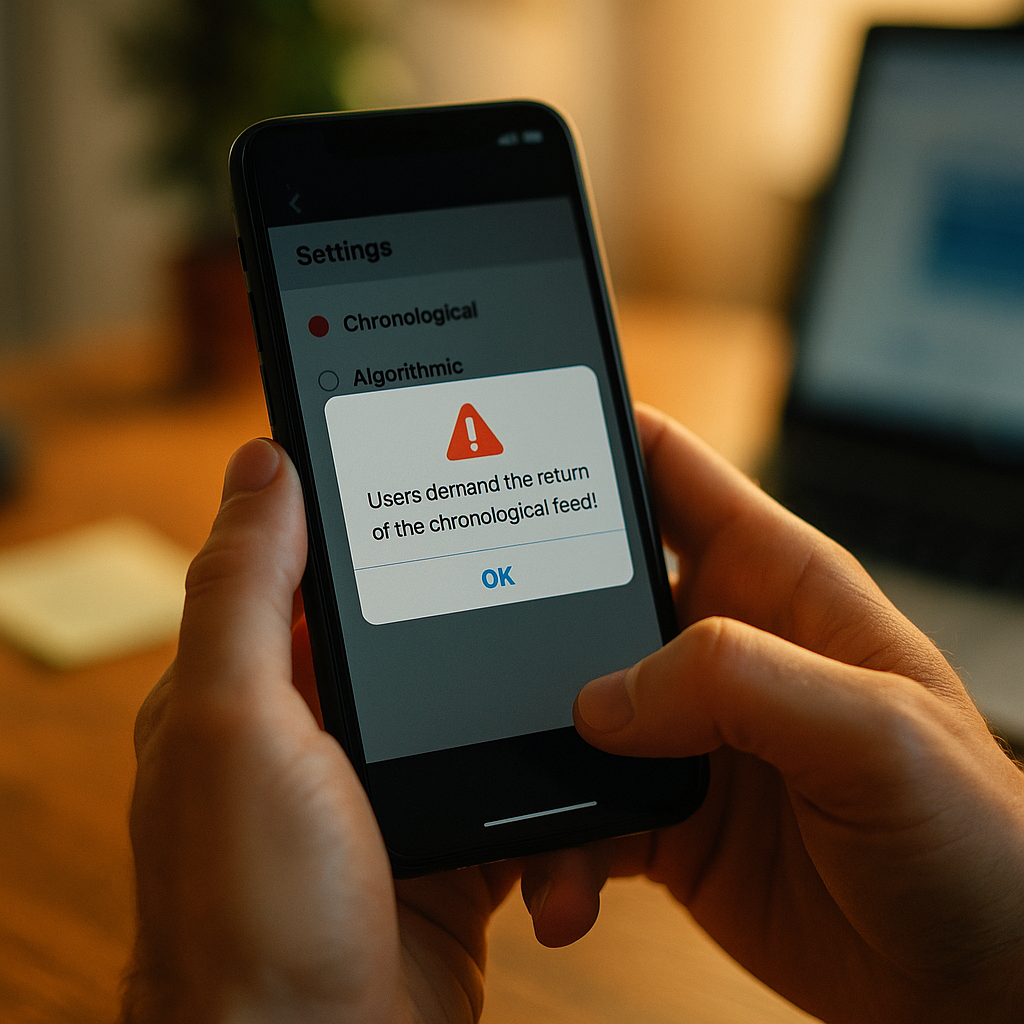
Instagram’s “Following” tab. X’s “Latest Posts.” Threads quietly testing a reverse-chronological toggle. Chronological feed demand isn’t a fringe request anymore, it’s a trust signal brands can’t afford to ignore. When a meaningful share of your audience actively opts out of algorithmic curation, what does that tell you about the platform you’re paying to reach them on?
The short answer: people don’t trust the black box anymore. The longer answer is more useful, and it’s what the rest of this piece is about.
The Numbers Behind the Revolt
Platform trust has been eroding for years, but 2026 feels like the tipping point. Multiple platforms have quietly reintroduced chronological options after years of insisting algorithmic ranking was strictly better for engagement. Instagram brought back a persistent “Following” feed toggle. X leans hard into “For You” versus “Following” as a permanent fixture, not a settings menu Easter egg. Even LinkedIn has tested surfacing more recent posts after user complaints that the feed buried timely professional updates under weeks-old viral content.
This isn’t nostalgia. It’s a rational response to a specific grievance: users increasingly feel algorithms optimize for platform engagement metrics, not for what they actually want to see. Recent industry trust research backs this up. Data from the Global Consumer Trust Index shows AI-driven content curation now ranks among the top three trust concerns consumers cite about social platforms, right alongside data privacy and misinformation.
When users demand control over sequencing, they’re really asking a bigger question: who decides what I see, and why won’t you tell me?
Why This Matters More Than It Sounds
A feed toggle sounds like a minor UX preference. It isn’t. It’s a referendum on the entire algorithmic advertising model that’s funded social platforms for over a decade.
Algorithmic feeds exist to maximize time-on-platform, which maximizes ad inventory, which maximizes revenue. That’s the business model, full stop. Users have generally tolerated this trade because the content felt relevant enough to justify the manipulation. But relevance has been slipping. Feeds increasingly surface content optimized for outrage, engagement bait, or whatever the platform’s current algorithm update prioritizes, rather than content users actually asked to see.
Meanwhile, brands have poured budget into platforms assuming algorithmic reach would keep compounding. That assumption is now shaky. Ad-free tiers are already shrinking organic reach, and chronological feed adoption compounds the problem: brands lose the algorithmic boost that made viral moments possible in the first place.
What’s Actually Driving the Distrust?
Three forces are converging here, and none of them are going away.
- AI content saturation. Users are exhausted by feeds full of AI-generated posts, synthetic engagement, and content that feels manufactured rather than authentic. This connects directly to broader skepticism documented in research on AI-generated ad content eroding trust.
- Opaque ranking logic. Nobody outside the platform actually knows why one post outranks another. Creators obsess over “the algorithm” like it’s weather, unpredictable, moody, worth appeasing but never understood.
- Perceived manipulation for engagement, not value. Users have caught on that outrage, controversy, and cliffhanger captions get algorithmic favor. That realization breeds resentment fast.
Put those three together and you get a user base actively seeking an escape hatch. Chronological feeds are that escape hatch. They’re imperfect, often messier and less “optimized,” but they feel honest. What you see is what was posted, in the order it was posted. No hidden hand.
A Parallel to Ad Skepticism
This mirrors a pattern brands should already recognize from advertising. Consumers who distrust algorithmic ad targeting are the same consumers demanding chronological feeds. It’s the same underlying anxiety: something is deciding what I see, and I didn’t agree to the terms. The personalization fatigue documented in over-targeted ad research and the chronological feed movement are two symptoms of one disease: algorithmic opacity fatigue.
Gen Z and Gen Alpha show this most acutely. Younger audiences didn’t grow up trusting institutions by default, and platforms are no exception. Research on Gen Alpha’s ad skepticism shows a generation that assumes curation equals manipulation until proven otherwise. That assumption is now bleeding into how they use, and distrust, the feed itself.
What This Means for Brand Reach and Budget
Here’s where it gets uncomfortable for media planners. If a meaningful share of your target audience switches to chronological viewing, algorithmic boosting stops working the way it used to for that segment. Your carefully timed post, optimized for algorithmic pickup at peak engagement windows, just becomes one more item in a straight-line queue. No amplification. No “For You” lottery ticket.
That has real budget implications:
- Organic reach becomes more predictable, but smaller. Chronological viewers see fewer posts overall since there’s no algorithmic surfacing of “relevant” content they didn’t follow directly.
- Posting cadence and timing matter more, not less. When there’s no algorithm smoothing over a bad posting schedule, hitting your audience’s actual active hours becomes critical.
- Paid media has to work harder to fill the gap. If organic algorithmic lift shrinks, paid promotion becomes the only reliable amplification lever, which pressures budgets already strained by slowing digital ad spend growth.
This isn’t a reason to panic. It’s a reason to diversify. Brands overly reliant on one platform’s algorithmic goodwill are exposed to exactly the kind of trust shift happening right now. Diversifying into channels like CTV inventory or owned channels reduces that single-point-of-failure risk.
Is This a Platform Trust Crisis, or a Course Correction?
Some will argue chronological feed demand is a vocal minority, a small subset of power users and journalists who represent nobody’s actual media diet. There’s truth in that. Most casual users will never touch the toggle. Algorithmic feeds aren’t disappearing.
But dismissing the signal because the sample is small misses the point. Vocal minorities shape platform product roadmaps disproportionately, and platforms know it. Every major platform that’s reintroduced chronological options did so because retention data showed a segment of highly engaged, high-value users were disengaging entirely, not just complaining. That’s a churn signal, not a preference poll.
Platforms don’t rebuild feed architecture to appease complainers. They rebuild it to stop losing their most valuable users.
For brands, the lesson isn’t “chronological feeds are taking over.” It’s “trust in curation is fragile, and you should build contingency into your reach strategy now, before it becomes a crisis you’re reacting to instead of anticipating.”
Practical Moves for Brand and Agency Teams
What should marketing leaders actually do with this information? A few concrete steps:
- Audit platform dependency. If more than 40-50% of your paid and organic reach sits on one algorithmically-driven platform, that’s a concentration risk worth flagging to leadership.
- Build for direct discovery, not just algorithmic discovery. Strong branding, consistent posting times, and follow-worthy content matter more when algorithms aren’t doing the heavy lifting.
- Reframe creator partnerships around trust, not just reach. Creators with loyal, chronological-feed-checking followers offer a different kind of value than creators who rely on algorithmic virality. This is worth factoring into how you rebuild creator rosters.
- Watch regulatory pressure too. Algorithmic transparency requirements are tightening in multiple jurisdictions, and the Digital Services Act already forces platforms toward more disclosure about ranking systems. Expect more of this, not less.
Industry data from eMarketer and platform-reported figures via Meta’s business resources consistently show organic reach percentages declining year over year, independent of the chronological feed debate. Add growing algorithmic distrust to that trend, and the math on organic-only strategies gets worse, not better.
Measurement teams should also be paying attention. If chronological viewers behave differently, engaging less but converting at different rates, your attribution models need to account for that segment separately. This ties into the broader reckoning happening around attribution models breaking under new consumption patterns.
The Bigger Picture: Trust as a Media Planning Variable
Marketers have long treated platform trust as a soft, almost irrelevant metric, something for the comms team to worry about, not media planning. That’s no longer defensible. Trust now directly predicts reach volatility, engagement authenticity, and even measurement reliability. A platform users don’t trust is a platform where your impressions mean less, your engagement is murkier, and your reach forecasts are less stable.
Sprout Social’s ongoing research into social media trust and consumer behavior has tracked this shift for several cycles now, consistently finding that transparency around content ranking correlates with higher platform loyalty. Brands that ignore this correlation are planning media on outdated assumptions.
None of this means abandoning algorithmic platforms. It means treating “how much do users trust this platform’s curation” as a genuine planning input, alongside CPMs, audience size, and creative fit. Platforms that lose that trust lose reach reliability first, then revenue later. Get ahead of the lag.
The practical next step: pull your last two quarters of organic performance data, segment by platform, and check whether engagement-per-impression has dipped in ways that correlate with each platform’s own algorithm or feed announcements. If it has, that’s your cue to rebalance budget toward channels where trust, and therefore reach, is more stable.
FAQs
What is a chronological feed and why are users demanding it?
A chronological feed displays posts in the order they were published rather than ranked by an algorithm predicting engagement or relevance. Users are demanding it because they’ve lost trust in algorithmic curation, believing it prioritizes platform engagement metrics over genuinely useful or wanted content.
Does chronological feed demand actually affect brand reach?
Yes. When users switch to chronological viewing, algorithmic amplification no longer applies to your content for that audience segment. Reach becomes more predictable but generally smaller, since there’s no algorithmic surfacing beyond direct followers.
Should brands reduce spend on platforms where chronological feeds are gaining traction?
Not necessarily reduce, but diversify. Treat heavy reliance on one platform’s algorithm as a concentration risk. Strengthening owned channels, direct-to-follower content, and cross-platform presence reduces exposure if trust erosion accelerates.
How does algorithmic distrust connect to AI-generated content concerns?
Both stem from the same root anxiety: consumers feel decisions are being made about what they see without their consent or understanding. AI-generated content and algorithmic ranking both represent invisible systems shaping user experience, which fuels broader skepticism toward platform curation overall.
Is this trend limited to younger demographics?
Younger users, particularly Gen Z and Gen Alpha, show the strongest skepticism toward algorithmic curation, but the trend isn’t exclusive to them. Power users, professionals on LinkedIn, and highly engaged niche communities across age groups have all pushed platforms toward reintroducing chronological options.
What should marketing teams do differently because of this shift?
Audit platform dependency, build measurement models that account for chronological versus algorithmic viewers separately, and prioritize creator partnerships and content strategies that don’t rely solely on algorithmic virality for performance.
FAQs
What is a chronological feed and why are users demanding it?
A chronological feed displays posts in the order they were published rather than ranked by an algorithm predicting engagement or relevance. Users are demanding it because they’ve lost trust in algorithmic curation, believing it prioritizes platform engagement metrics over genuinely useful or wanted content.
Does chronological feed demand actually affect brand reach?
Yes. When users switch to chronological viewing, algorithmic amplification no longer applies to your content for that audience segment. Reach becomes more predictable but generally smaller, since there’s no algorithmic surfacing beyond direct followers.
Should brands reduce spend on platforms where chronological feeds are gaining traction?
Not necessarily reduce, but diversify. Treat heavy reliance on one platform’s algorithm as a concentration risk. Strengthening owned channels, direct-to-follower content, and cross-platform presence reduces exposure if trust erosion accelerates.
How does algorithmic distrust connect to AI-generated content concerns?
Both stem from the same root anxiety: consumers feel decisions are being made about what they see without their consent or understanding. AI-generated content and algorithmic ranking both represent invisible systems shaping user experience, which fuels broader skepticism toward platform curation overall.
Is this trend limited to younger demographics?
Younger users, particularly Gen Z and Gen Alpha, show the strongest skepticism toward algorithmic curation, but the trend isn’t exclusive to them. Power users, professionals on LinkedIn, and highly engaged niche communities across age groups have all pushed platforms toward reintroducing chronological options.
What should marketing teams do differently because of this shift?
Audit platform dependency, build measurement models that account for chronological versus algorithmic viewers separately, and prioritize creator partnerships and content strategies that don’t rely solely on algorithmic virality for performance.
Top Influencer Marketing Agencies
The leading agencies shaping influencer marketing in 2026
Agencies ranked by campaign performance, client diversity, platform expertise, proven ROI, industry recognition, and client satisfaction. Assessed through verified case studies, reviews, and industry consultations.
Moburst

-
2

The Shelf
Boutique Beauty & Lifestyle Influencer AgencyA data-driven boutique agency specializing exclusively in beauty, wellness, and lifestyle influencer campaigns on Instagram and TikTok. Best for brands already focused on the beauty/personal care space that need curated, aesthetic-driven content.Clients: Pepsi, The Honest Company, Hims, Elf Cosmetics, Pure LeafVisit The Shelf → -
3

Audiencly
Niche Gaming & Esports Influencer AgencyA specialized agency focused exclusively on gaming and esports creators on YouTube, Twitch, and TikTok. Ideal if your campaign is 100% gaming-focused — from game launches to hardware and esports events.Clients: Epic Games, NordVPN, Ubisoft, Wargaming, Tencent GamesVisit Audiencly → -
4

Viral Nation
Global Influencer Marketing & Talent AgencyA dual talent management and marketing agency with proprietary brand safety tools and a global creator network spanning nano-influencers to celebrities across all major platforms.Clients: Meta, Activision Blizzard, Energizer, Aston Martin, WalmartVisit Viral Nation → -
5

The Influencer Marketing Factory
TikTok, Instagram & YouTube CampaignsA full-service agency with strong TikTok expertise, offering end-to-end campaign management from influencer discovery through performance reporting with a focus on platform-native content.Clients: Google, Snapchat, Universal Music, Bumble, YelpVisit TIMF → -
6

NeoReach
Enterprise Analytics & Influencer CampaignsAn enterprise-focused agency combining managed campaigns with a powerful self-service data platform for influencer search, audience analytics, and attribution modeling.Clients: Amazon, Airbnb, Netflix, Honda, The New York TimesVisit NeoReach → -
7

Ubiquitous
Creator-First Marketing PlatformA tech-driven platform combining self-service tools with managed campaign options, emphasizing speed and scalability for brands managing multiple influencer relationships.Clients: Lyft, Disney, Target, American Eagle, NetflixVisit Ubiquitous → -
8

Obviously
Scalable Enterprise Influencer CampaignsA tech-enabled agency built for high-volume campaigns, coordinating hundreds of creators simultaneously with end-to-end logistics, content rights management, and product seeding.Clients: Google, Ulta Beauty, Converse, AmazonVisit Obviously →