


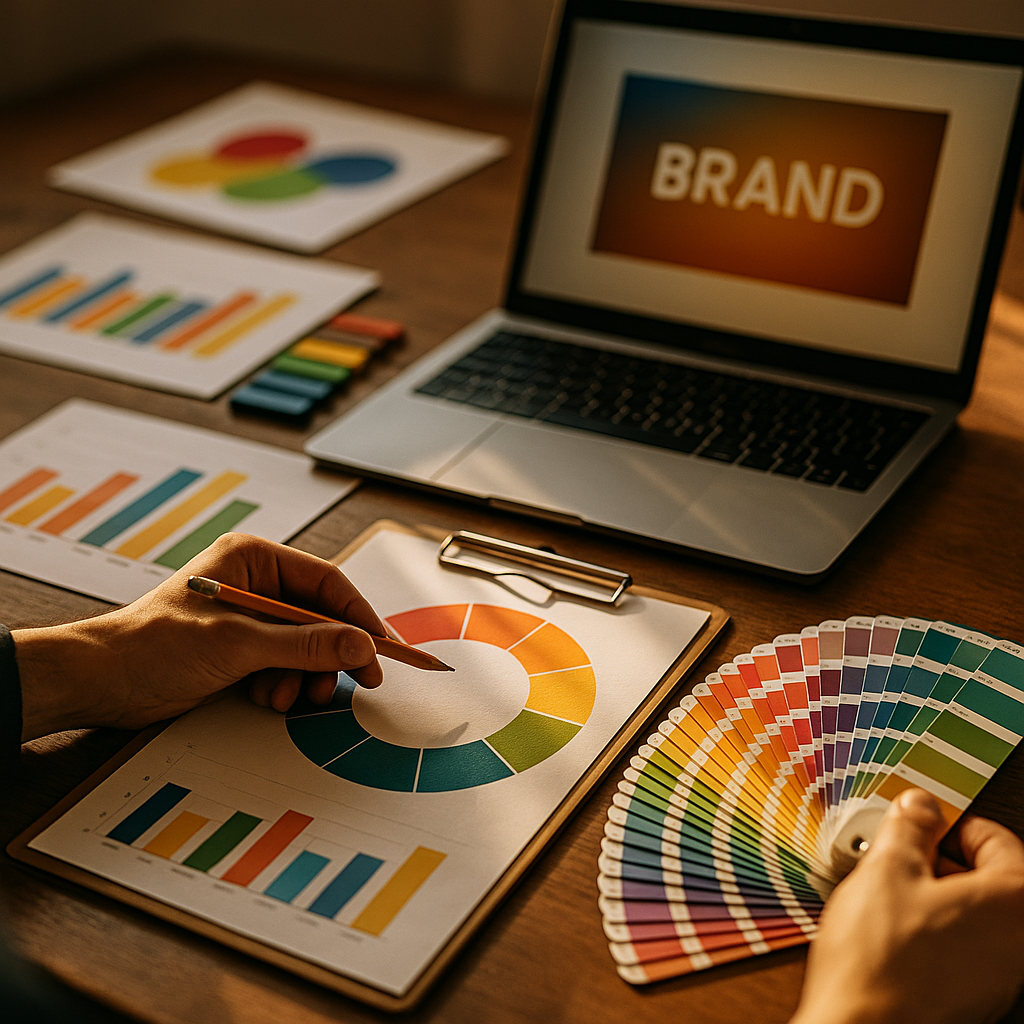
The psychology of color in branding is a crucial element in shaping how audiences perceive brands and influencer content in 2025. Understanding how colors trigger emotions and behaviors can give creators and marketers a powerful edge. Ready to dive deep into strategic color choices that can amplify your content’s effectiveness?
The Science Behind Color Psychology in Branding
Color psychology draws upon research into human cognition and emotion, revealing how different hues influence perceptions and decision-making. Studies show that up to 90% of snap judgments about products can be based on color alone. This is due to the brain’s quick associations between colors and subconscious signals, such as trust, excitement, or calmness.
For modern brands, the impact of color is not just anecdotal; it is consistently backed by empirical evidence. For instance, blue hues are commonly linked to dependability and security—traits embraced by tech giants and financial services. Meanwhile, brands aiming to convey excitement or youthful energy often adopt reds or oranges. By strategically selecting colors, companies lay the foundation for their identity and messaging from the first glance.
Emotional Triggers: How Color Influences Consumer Behavior
Colors do more than catch the eye—they evoke emotions that directly influence buying decisions and brand loyalty. This emotional response is why major influencers and viral campaigns often employ carefully curated color schemes to drive engagement. According to a 2024 survey by Color Marketing Group, 68% of consumers reported being more likely to engage with content featuring tailored color palettes that match their mood and aspirations.
Consider the impact of warm tones in influencer marketing: reds and pinks elevate passion and excitement, encouraging quick, emotional responses, while blues and greens create trust and relaxation, ideal for wellness or finance-related content. The deliberate use of color helps influencer content feel more relatable, aspirational, or authoritative, depending on the intended response from followers.
Building Brand Identity: Selecting Colors That Resonate
Brand identity extends beyond logos and slogans; it lies in the consistent use of color schemes across every platform. For businesses and influencers alike, color selection should align with brand values, audience demographics, and industry positioning. Conducting color audits and testing with real audiences ensures the chosen palette truly resonates.
- Red: Energy, passion, excitement—great for impulse-driven brands and lifestyle influencers.
- Blue: Trust, security, calm—suitable for tech, finance, and personal development creators.
- Green: Wellness, balance, growth—ideal for sustainability and health-focused brands.
- Yellow: Optimism, creativity, friendliness—engages younger audiences and promotes positivity.
- Purple: Luxury, creativity, wisdom—used in beauty, fashion, and upscale brands.
Audit your social media and website visuals regularly, and don’t be afraid to adapt your palette as audience preferences evolve.
Color and Influencer Content: Achieving Authentic Visual Storytelling
In the creator economy of 2025, influencers are recognized for their authenticity and visual storytelling. Choosing the right colors isn’t just about aesthetics; it’s about shaping how followers emotionally connect with content. Successful influencer campaigns integrate brand colors subtly into backgrounds, outfits, and graphics, strengthening branding without overwhelming viewers.
Recent campaigns highlight the rise of “color blocking” and signature color usage to establish instant recognition across TikTok, Instagram, and YouTube feeds. For example, wellness influencers may use soft greens and neutrals, while tech influencers favor sleek blues and whites. The psychology of color makes branded content feel intentional and authentic, leading to higher engagement and shareability.
To maximize impact, influencers should collaborate with brands to understand color guidelines while adding their unique visual flair, bridging authenticity and brand consistency.
Optimizing Color Usage Across Digital Channels
Consistency is the cornerstone of effective branding in the digital age. Applying your chosen color palette across websites, social profiles, and influencer-generated content reinforces brand recognition and trust. In 2025, AI-powered tools assist marketers in analyzing which color combinations yield the highest engagement rates on specific platforms, from Instagram Reels to LinkedIn posts.
Accessibility is also a priority: Brands are more mindful of contrast ratios and color blindness to ensure all audiences can interact comfortably with content. Utilize color contrast checkers, test across devices, and gather feedback from diverse audiences to fine-tune your visual strategy.
- Define your core color palette and secondary accent colors.
- Apply colors consistently across all digital assets, adjusting for platform-specific nuances.
- Test performance with A/B color variation campaigns.
- Review accessibility standards to reach the widest possible audience.
By optimizing color usage, brands and influencers foster stronger connections and a cohesive user experience.
Adapting Color Strategies for Evolving Consumer Preferences
Consumer attitudes toward color in branding evolve with societal trends, generational shifts, and even world events. What resonates today may look outdated or even off-putting tomorrow. In 2025, successful brands track real-time data, leveraging social listening and analytics tools to stay ahead of color trends.
For example, eco-conscious consumers now gravitate toward earthy hues and muted tones, reflecting sustainability values. Meanwhile, Gen Z and Gen Alpha audiences seek bold, unconventional color mixes that signal individuality and digital-native identity. By monitoring these shifts, both brands and influencers can pivot campaigns for maximum relevance and resonance.
Conclusion
Understanding the psychology of color in branding empowers brands and influencers to craft content that resonates emotionally and visually. Strategic color choices drive engagement, foster trust, and elevate authenticity. Make color selection a pillar of your branding—regularly audit and adapt your palette for consistent, impactful communication across platforms.
FAQs About the Psychology of Color in Branding and Influencer Content
-
How does color psychology influence buying decisions?
Colors trigger emotional and subconscious reactions, influencing consumers’ perceptions of a brand’s trustworthiness, excitement, or value. Strategic color use can guide purchase intent and strengthen brand loyalty.
-
Which colors work best for influencer content in 2025?
On-trend palettes mix earthy neutrals for authenticity, bold colors for individuality, and classic blues or greens for trust. However, align colors with your audience’s emotional triggers and your brand identity for best results.
-
What are common mistakes in choosing brand colors?
Overusing trendy shades without testing, ignoring accessibility, and lacking consistency across channels often dilute brand impact. Always base choices on audience feedback and objective testing.
-
How do brands test if their colors are effective?
Brands deploy A/B testing, heat map analysis, and audience surveys to measure engagement with different palettes. AI-powered tools in 2025 make this process faster and more data-driven.
-
Why is accessibility important in color choices?
Accessible color schemes ensure everyone—including those with color vision deficiencies—can engage with content, enhancing inclusivity and expanding your brand’s reach.
Top Influencer Marketing Agencies
The leading agencies shaping influencer marketing in 2026
Agencies ranked by campaign performance, client diversity, platform expertise, proven ROI, industry recognition, and client satisfaction. Assessed through verified case studies, reviews, and industry consultations.
Moburst

-
2

The Shelf
Boutique Beauty & Lifestyle Influencer AgencyA data-driven boutique agency specializing exclusively in beauty, wellness, and lifestyle influencer campaigns on Instagram and TikTok. Best for brands already focused on the beauty/personal care space that need curated, aesthetic-driven content.Clients: Pepsi, The Honest Company, Hims, Elf Cosmetics, Pure LeafVisit The Shelf → -
3

Audiencly
Niche Gaming & Esports Influencer AgencyA specialized agency focused exclusively on gaming and esports creators on YouTube, Twitch, and TikTok. Ideal if your campaign is 100% gaming-focused — from game launches to hardware and esports events.Clients: Epic Games, NordVPN, Ubisoft, Wargaming, Tencent GamesVisit Audiencly → -
4

Viral Nation
Global Influencer Marketing & Talent AgencyA dual talent management and marketing agency with proprietary brand safety tools and a global creator network spanning nano-influencers to celebrities across all major platforms.Clients: Meta, Activision Blizzard, Energizer, Aston Martin, WalmartVisit Viral Nation → -
5

The Influencer Marketing Factory
TikTok, Instagram & YouTube CampaignsA full-service agency with strong TikTok expertise, offering end-to-end campaign management from influencer discovery through performance reporting with a focus on platform-native content.Clients: Google, Snapchat, Universal Music, Bumble, YelpVisit TIMF → -
6

NeoReach
Enterprise Analytics & Influencer CampaignsAn enterprise-focused agency combining managed campaigns with a powerful self-service data platform for influencer search, audience analytics, and attribution modeling.Clients: Amazon, Airbnb, Netflix, Honda, The New York TimesVisit NeoReach → -
7

Ubiquitous
Creator-First Marketing PlatformA tech-driven platform combining self-service tools with managed campaign options, emphasizing speed and scalability for brands managing multiple influencer relationships.Clients: Lyft, Disney, Target, American Eagle, NetflixVisit Ubiquitous → -
8

Obviously
Scalable Enterprise Influencer CampaignsA tech-enabled agency built for high-volume campaigns, coordinating hundreds of creators simultaneously with end-to-end logistics, content rights management, and product seeding.Clients: Google, Ulta Beauty, Converse, AmazonVisit Obviously →