


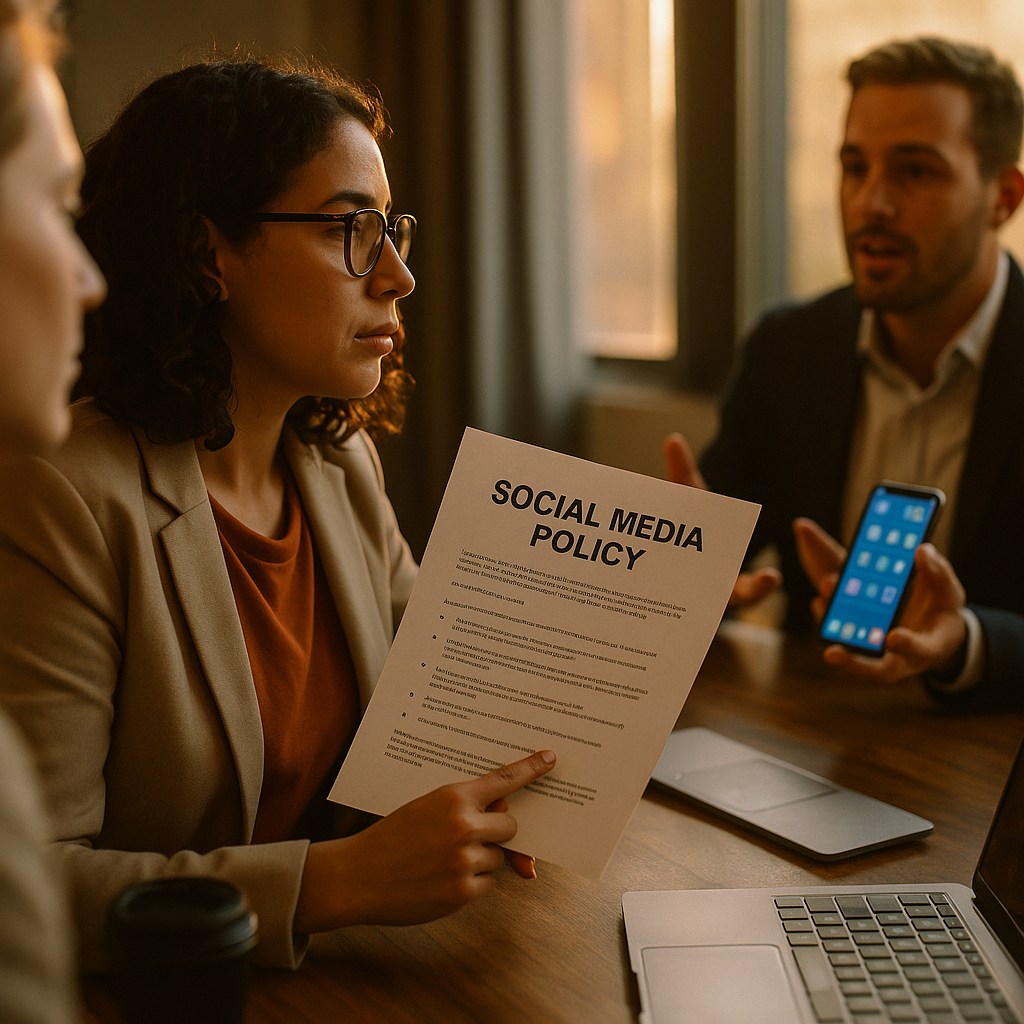
Crafting a robust employee advocacy and social media policy is essential for organizations aiming to protect their brand and empower their teams online. A well-defined policy clarifies what’s acceptable, fosters trust, and maximizes positive engagement. Ready to build a clear, effective framework that safeguards your business and amplifies your employees’ voices? Let’s dive into the key steps and best practices.
Understanding the Importance of an Employee Advocacy Policy
An effective employee advocacy policy is more than a set of rules—it’s a strategic tool that guides teams on how to represent the company online. According to a 2025 Sprout Social survey, 74% of employees see clear social media guidelines as crucial for protecting both themselves and their employer. A solid policy mitigates risks, encourages responsible sharing, and aligns personal expression with the company’s values.
By setting transparent boundaries, you not only reduce potential PR crises but also nurture confident brand ambassadors who know when and how to amplify your message.
Building Blocks of a Social Media Policy
Drafting a comprehensive social media policy requires a blend of legal compliance, brand voice, and practical guidance. Include these core elements for clarity and consistency:
- Purpose Statement: Outline the policy’s goals and expected outcomes.
- Scope: Specify which channels (public and internal) it covers—Facebook, LinkedIn, X (Twitter), TikTok, and others.
- Employee Responsibilities: Define expectations around privacy, brand alignment, copyright, and disclosure.
- Prohibited Activities: List restricted behaviors, such as sharing confidential information, bullying, hate speech, or representing opinions as those of the company.
- Legal Considerations: Ensure guidance aligns with GDPR, copyright laws, and relevant employment legislation.
- Reporting Process: Provide a clear route for employees to raise concerns or report breaches safely and anonymously if necessary.
Customize these guidelines to your company’s size, industry, and risk profile for maximal relevance.
Clarifying Employee Advocacy Guidelines
Encouraging employee advocacy on social media can supercharge your brand’s reach—when managed responsibly. Advocacy guidelines should define:
- Brand Voice: How employees should speak about the company online, including tone, style, and approved hashtags.
- Content Sharing: What types of company content can be shared (news, achievements, culture moments), and how to source or customize them appropriately.
- Disclosures & Transparency: When and how to state their affiliation with your brand, meeting 2025 influencer and advertising standards.
- Personal Opinions: Clarify the difference between personal and professional views and when disclaimers are necessary.
- Respect and Engagement: Guidelines for handling negative comments, respecting others’ privacy, and upholding company values even off-duty.
Offer examples or pre-approved messaging templates to help your team create authentic yet compliant content.
Training and Reinforcement for Employee Social Media Policies
Even the best-crafted policy falls short without education and support. Employee training ensures your social media policy is understood and embraced. Consider these strategies:
- Onboarding Sessions: Integrate policy training for all new hires.
- Regular Updates: Provide refreshers annually or as platforms and regulations evolve.
- Scenario-Based Learning: Use real-world examples to demonstrate do’s and don’ts.
- Accessible Resources: Keep guidelines visible on your intranet or HR platform for quick reference.
Empowering employees with knowledge reduces the risk of accidental missteps and encourages proactive brand advocacy.
Monitoring, Feedback, and Policy Evolution
A dynamic social media environment requires ongoing policy monitoring and updates. In 2025, rapid changes in tech and online behavior demand adaptive strategies:
- Track Performance: Use analytics tools to gauge advocacy efforts, engagement, and compliance.
- Solicit Feedback: Gather input from employees about challenges or gray areas in real situations.
- Legal Review: Ensure regular review by legal or compliance teams as new regulations appear.
- Iterate Quickly: Update the policy and share changes promptly across the organization.
Continuous improvement helps maintain relevance and effectiveness, protecting the company while fostering trusted employee voices online.
Encouraging a Positive Culture Around Social Media Advocacy
A clear employee advocacy and social media policy isn’t about restriction—it’s about building trust and encouraging positive company culture. Recognize and celebrate great examples of advocacy within the organization, provide incentives, and highlight the impact of authentic employee stories. When employees feel supported and recognized, their advocacy will be both enthusiastic and responsible.
Nurturing this culture boosts recruitment, retention, and brand reputation—a trifecta every modern company should strive for in 2025.
Conclusion
A transparent, actionable employee advocacy and social media policy enables your team to confidently share ideas while safeguarding your brand. With clear guidelines, proactive training, and regular updates, you create a trust-driven framework. Embrace the opportunity to empower your employees—your strongest brand ambassadors—and let their authentic voices amplify your message responsibly.
FAQs: Employee Advocacy and Social Media Policy
-
What is an employee advocacy and social media policy?
It’s a set of guidelines that defines how employees engage online about their company, aiming to protect the brand, comply with laws, and empower employees to speak positively and responsibly.
-
Why is having a clear policy important in 2025?
With rapid changes in social platforms, legal requirements, and public expectations, a clear policy helps prevent reputational damage, supports compliance, and nurtures brand trust through consistent employee behavior.
-
How often should you update your social media policy?
Review and update your policy at least once a year or whenever significant changes in technology, social trends, or laws occur. Regular feedback from employees can help spot emerging issues early.
-
Should employees disclose their relationship to the company when posting?
Yes, transparency is key. Employees should identify their connection to the company whenever discussing business-related topics to comply with advertising and endorsement guidelines in 2025.
-
What’s the best way to encourage advocacy without risking compliance?
Offer clear guidance, provide pre-approved content, conduct ongoing training, and foster a culture where employees are confident about what they can share. Recognize responsible advocacy publicly to reinforce best practices.
Top Influencer Marketing Agencies
The leading agencies shaping influencer marketing in 2026
Agencies ranked by campaign performance, client diversity, platform expertise, proven ROI, industry recognition, and client satisfaction. Assessed through verified case studies, reviews, and industry consultations.
Moburst

-
2

The Shelf
Boutique Beauty & Lifestyle Influencer AgencyA data-driven boutique agency specializing exclusively in beauty, wellness, and lifestyle influencer campaigns on Instagram and TikTok. Best for brands already focused on the beauty/personal care space that need curated, aesthetic-driven content.Clients: Pepsi, The Honest Company, Hims, Elf Cosmetics, Pure LeafVisit The Shelf → -
3

Audiencly
Niche Gaming & Esports Influencer AgencyA specialized agency focused exclusively on gaming and esports creators on YouTube, Twitch, and TikTok. Ideal if your campaign is 100% gaming-focused — from game launches to hardware and esports events.Clients: Epic Games, NordVPN, Ubisoft, Wargaming, Tencent GamesVisit Audiencly → -
4

Viral Nation
Global Influencer Marketing & Talent AgencyA dual talent management and marketing agency with proprietary brand safety tools and a global creator network spanning nano-influencers to celebrities across all major platforms.Clients: Meta, Activision Blizzard, Energizer, Aston Martin, WalmartVisit Viral Nation → -
5

The Influencer Marketing Factory
TikTok, Instagram & YouTube CampaignsA full-service agency with strong TikTok expertise, offering end-to-end campaign management from influencer discovery through performance reporting with a focus on platform-native content.Clients: Google, Snapchat, Universal Music, Bumble, YelpVisit TIMF → -
6

NeoReach
Enterprise Analytics & Influencer CampaignsAn enterprise-focused agency combining managed campaigns with a powerful self-service data platform for influencer search, audience analytics, and attribution modeling.Clients: Amazon, Airbnb, Netflix, Honda, The New York TimesVisit NeoReach → -
7

Ubiquitous
Creator-First Marketing PlatformA tech-driven platform combining self-service tools with managed campaign options, emphasizing speed and scalability for brands managing multiple influencer relationships.Clients: Lyft, Disney, Target, American Eagle, NetflixVisit Ubiquitous → -
8

Obviously
Scalable Enterprise Influencer CampaignsA tech-enabled agency built for high-volume campaigns, coordinating hundreds of creators simultaneously with end-to-end logistics, content rights management, and product seeding.Clients: Google, Ulta Beauty, Converse, AmazonVisit Obviously →