


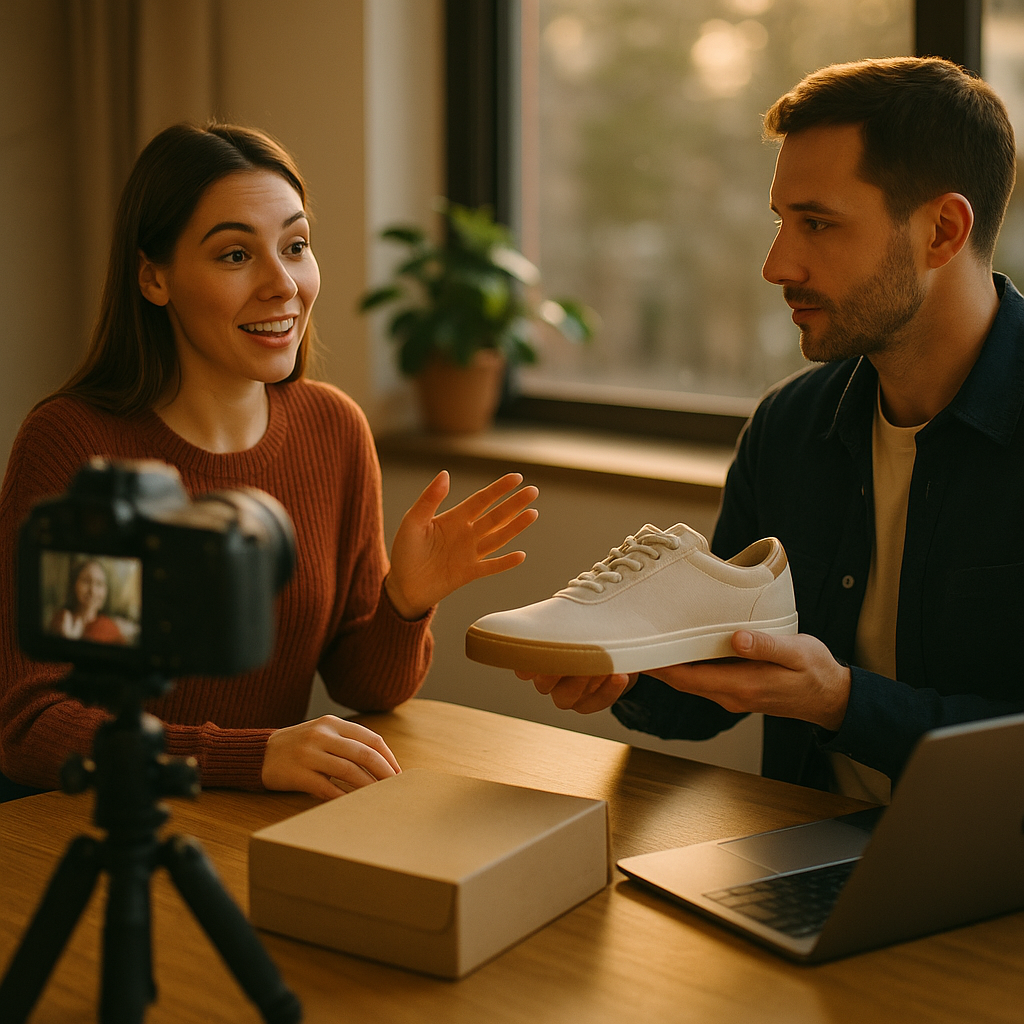
Creator-led brands have energized the digital economy in 2025, blending influencer authenticity with entrepreneurial drive. As established companies confront innovative creator brands, businesses face a pivotal question: are creator-led brands competitors or partners? Unpacking this relationship unlocks vital strategies for brands, marketers, and creators hoping to thrive in an evolving marketplace.
The Rise of Creator Brands: Digital Entrepreneurship Redefined
In 2025, creator-led brands are redefining entrepreneurship. Building on loyal communities from platforms like YouTube, TikTok, and Instagram, creators leverage personal trust to launch and scale successful ventures. According to Statista, global influencer marketing spending surpassed $23 billion in recent years, and creator-led products now outperform traditional celebrity lines in key markets.
Unlike traditional startups, creator brands begin with a built-in audience. These brands develop around the creator’s persona and values, offering products that reflect their unique niche, voice, and direct consumer feedback. This enables rapid product validation, lower marketing costs, and viral word-of-mouth growth—advantages established companies must acknowledge when competing or collaborating.
Competitor Or Partner? Strategic Implications for Established Brands
Established brands often debate: are creator-led brands disruptive competitors, or valuable partners? In many verticals, creator-led brands have swiftly eroded market share, particularly in beauty, wellness, apparel, and tech accessories. Their ability to engage hyper-niche communities cultivates fierce customer loyalty—a challenge for large, heritage brands.
Yet, many businesses are seizing the partnership potential. Brand-collaborations, co-branded product launches, or content-driven campaigns allow companies to tap into creator audiences authentically. According to Insider Intelligence, 65% of marketers in 2025 have prioritized long-term partnerships with creators over one-off sponsorships, indicating a shift from competition to valuable alliance.
The Power of Community: Why Audiences Choose Creator-Led Brands
Consumers in 2025 crave connection, transparency, and relatability—traits that traditional brands often struggle to emulate. Creator-led brands respond to these demands by
- Prioritizing authenticity: Unlike faceless corporations, creators leverage their personal stories, struggles, and experiences, forging deep emotional bonds with buyers.
- Inviting community participation: Many creators crowdsource feedback, involving their audience in product ideation, design, beta testing, and launching limited-edition collections based on real input.
- Providing transparency: From ingredient sourcing to behind-the-scenes glimpses, creator brands reveal process details most major brands guard closely. This builds credibility and trust.
Such intimacy and genuine connection translate into measurable loyalty. In a 2025 HubSpot survey, 70% of Gen Z consumers ranked “trust in the brand founder” as a top purchase factor—above logo recognition or price.
Collaboration Models: Unlocking Mutual Value
For established brands, collaborating with creator-led brands evolves beyond simple influencer marketing. Today, many successful partnerships include:
- Co-created products: Major companies like Nike and Maybelline have launched limited-edition lines co-designed by creators, driving instant sell-outs and social buzz.
- Equity partnerships: Forward-thinking brands are offering creators equity stakes, aligning incentives for joint success. This deepens the collaboration and ensures mutual investment in outcomes.
- Content and commerce integration: Brands and creators align on content strategies—educational videos, live shopping events, and exclusive digital experiences—that convert audiences directly into loyal buyers.
These models cultivate brand relevance while providing creators with operational expertise, manufacturing scale, and access to global distribution networks.
Risk, Reward, and Reputation: Navigating Pitfalls
Despite the upsides, both parties must avoid pitfalls. Companies should carefully vet creator reputations to mitigate brand safety risks—past controversies and shifting creator values can impact corporate image. On the other hand, creators must maintain transparency with their audiences to avoid accusations of “selling out.”
Best practices for successful partnerships include:
- Clear contractual agreements on deliverables, timelines, and revenue or equity splits.
- Shared governance on creative decisions, ensuring the creator’s voice is genuinely amplified.
- Open, ongoing communication between brand, creator, and their respective teams.
These steps—as recommended by marketing strategists in 2025—help ensure enduring positive outcomes and minimize reputational risks.
Looking Forward: The Future of Creator-Brand Synergy
As audiences grow more discerning and digital platforms mature, the relationship between creator-led brands and established companies is poised to deepen. Rather than fearing competition, adaptable brands will embrace the creator economy, prioritizing genuine collaboration and shared value creation.
For creators, carefully navigating partnerships while staying true to their community is paramount. The most successful brand-creator alliances moving forward will balance transparency, shared purpose, and innovative product offerings—all underpinned by authentic storytelling and mutual respect.
In summary, creator-led brands in 2025 are reshaping the business landscape. Rather than seeing them solely as competitors, forward-thinking companies find greater success as partners, fueling innovation and growth for all involved.
FAQs About Creator-Led Brands & Brand Partnerships
-
What is a creator-led brand?
A creator-led brand is a business founded, owned, or heavily influenced by digital creators or influencers who have built dedicated online audiences.
-
Why do consumers trust creator-led brands?
Consumers trust creator-led brands for their authenticity, transparency, and personal engagement. Creators often involve their community in the product process and share genuine stories.
-
Can established brands compete with creator-led brands?
Established brands can compete by innovating, but many win by partnering—co-creating products, sharing content, and leveraging creator communities for fresh relevance.
-
What are the risks of brand-creator partnerships?
Risks include potential misalignment on values, brand safety concerns, and reputation management. Contracts, transparency, and shared creative input help limit these risks.
-
How do creator-led brands benefit from partnerships with large brands?
Creator-led brands gain access to manufacturing, logistics, funding, and marketing resources, helping scale their business while retaining creative influence.
Top Influencer Marketing Agencies
The leading agencies shaping influencer marketing in 2026
Agencies ranked by campaign performance, client diversity, platform expertise, proven ROI, industry recognition, and client satisfaction. Assessed through verified case studies, reviews, and industry consultations.
Moburst

-
2

The Shelf
Boutique Beauty & Lifestyle Influencer AgencyA data-driven boutique agency specializing exclusively in beauty, wellness, and lifestyle influencer campaigns on Instagram and TikTok. Best for brands already focused on the beauty/personal care space that need curated, aesthetic-driven content.Clients: Pepsi, The Honest Company, Hims, Elf Cosmetics, Pure LeafVisit The Shelf → -
3

Audiencly
Niche Gaming & Esports Influencer AgencyA specialized agency focused exclusively on gaming and esports creators on YouTube, Twitch, and TikTok. Ideal if your campaign is 100% gaming-focused — from game launches to hardware and esports events.Clients: Epic Games, NordVPN, Ubisoft, Wargaming, Tencent GamesVisit Audiencly → -
4

Viral Nation
Global Influencer Marketing & Talent AgencyA dual talent management and marketing agency with proprietary brand safety tools and a global creator network spanning nano-influencers to celebrities across all major platforms.Clients: Meta, Activision Blizzard, Energizer, Aston Martin, WalmartVisit Viral Nation → -
5

The Influencer Marketing Factory
TikTok, Instagram & YouTube CampaignsA full-service agency with strong TikTok expertise, offering end-to-end campaign management from influencer discovery through performance reporting with a focus on platform-native content.Clients: Google, Snapchat, Universal Music, Bumble, YelpVisit TIMF → -
6

NeoReach
Enterprise Analytics & Influencer CampaignsAn enterprise-focused agency combining managed campaigns with a powerful self-service data platform for influencer search, audience analytics, and attribution modeling.Clients: Amazon, Airbnb, Netflix, Honda, The New York TimesVisit NeoReach → -
7

Ubiquitous
Creator-First Marketing PlatformA tech-driven platform combining self-service tools with managed campaign options, emphasizing speed and scalability for brands managing multiple influencer relationships.Clients: Lyft, Disney, Target, American Eagle, NetflixVisit Ubiquitous → -
8

Obviously
Scalable Enterprise Influencer CampaignsA tech-enabled agency built for high-volume campaigns, coordinating hundreds of creators simultaneously with end-to-end logistics, content rights management, and product seeding.Clients: Google, Ulta Beauty, Converse, AmazonVisit Obviously →