


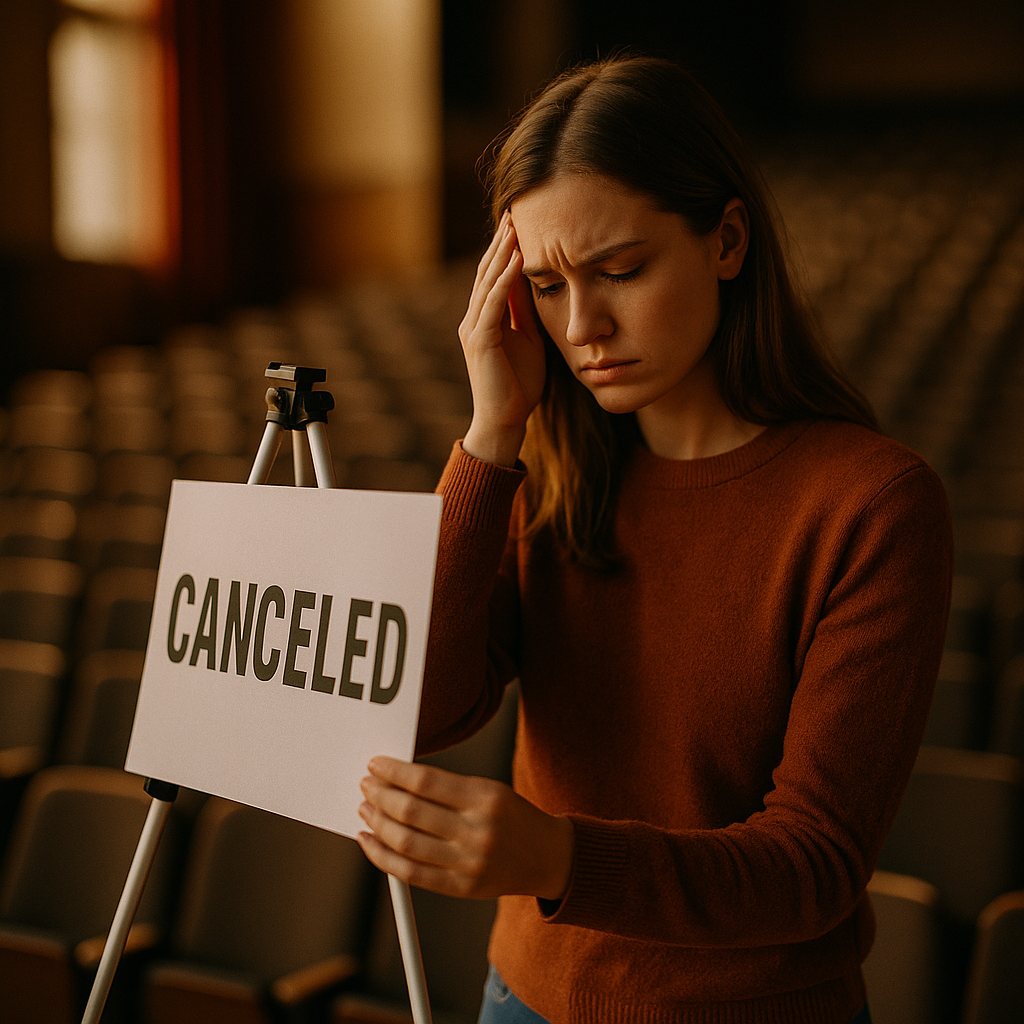
A recent creator-led event was unexpectedly canceled due to low ticket sales, sparking conversations throughout the online community. This post-mortem examines the factors behind its cancellation, lessons learned for creators, and what comes next for fan-led experiences. Read on to understand how creator events can better resonate—and sell—in an increasingly competitive entertainment landscape.
Understanding Creator-Led Event Cancellations
Creator-led event cancellations, especially due to low ticket sales, have become more common as the influencer economy matures. In 2025, audiences are discerning, evaluating the value, uniqueness, and accessibility of an event before committing. While traditional factors—such as venue selection or scheduling—remain relevant, digital creators must now contend with unique challenges like parasocial fatigue, online competition, and shifting fan expectations. Recognizing these realities is crucial for future event planning.
Main Causes of Low Ticket Sales in Creator Conferences
Why did this event fail to sell enough tickets? A post-mortem analysis reveals several possible causes:
- Misjudging the Audience: Creators may overestimate their audience’s willingness to attend physical events or travel.
- Poor Promotional Strategy: Relying solely on organic reach or last-minute marketing often leads to low awareness.
- Event Saturation: The rise in similar events dilutes excitement, especially when fans have limited budgets and time.
- Pricing Missteps: Setting prices without considering demographic realities or alternative event offerings can hinder sales.
- Underdelivering on Value: Vague agendas, unclear guest lineups, or failing to communicate the experience’s uniqueness deter potential attendees.
Most notably, audience research and tailored messaging remain the foundation for successful creator events in 2025.
Best Practices for Creator Event Promotion
Low ticket sales often reflect missed promotional opportunities. Incorporating proven strategies can significantly improve turnout:
- Leverage Multiple Channels: Mix organic content, paid ads, partnerships, and newsletters to maximize reach. Recent case studies show multi-channel campaigns outperform single-platform promotion by over 40%.
- Create FOMO: Early bird sales, limited-edition perks, and audience shout-outs drive urgency. Gamification and countdowns can further support conversions.
- Feature Community Input: Involve your followers in event planning via polls and Q&As. Fans who feel ownership are more likely to purchase tickets.
- Highlight Clear Value: Disclose guest appearances, exclusive experiences, and learning opportunities to differentiate your event from others.
- Analyze and Pivot: Regularly monitor ticket sales data and feedback. If numbers are low, adapt your messaging or consider incentives such as group discounts.
Timely, transparent updates also build trust. In 2025, fans expect two-way communication and behind-the-scenes honesty.
Learning from Event Cancellation: Mitigating Future Risks
Event cancellations, though disappointing, offer invaluable lessons for both creators and the wider influencer industry. Risk management can minimize negative impacts:
- Flexible Contracts: Negotiate vendor and venue agreements with clear cancellation clauses and refundable deposits.
- Tiered Launch Strategies: Test demand with pre-registration or crowdfunding before fully committing.
- Hybrid and Virtual Options: Offer accessible alternatives to increase inclusivity and reduce reliance on in-person attendance.
- Transparent Communication: Keep fans informed about sales milestones, challenges, and contingency plans, fostering goodwill even if cancellation is required.
Post-cancellation, seek honest feedback and publish detailed debriefs to demonstrate accountability—a key EEAT factor for creators and event organizers in 2025.
The Evolution of Fan-Led Events in 2025
The canceled creator event highlights broader trends shaping live and hybrid fan experiences:
- Rising Expectations: Today’s audiences expect interactive, participatory formats rather than passive consumption.
- Community-Centric Models: Events that amplify community voices, integrate user-generated content, or support social causes see higher engagement.
- Accessibility First: Pricing, remote access, and regional diversity are vital for reaching wider audiences—especially as digital fans span continents.
- Transparent Storytelling: Sharing both successes and setbacks resonates with modern audiences, who value authenticity over perfection.
Successful events in 2025 are those that listen actively, adapt rapidly, and invest in both digital and in-person communities.
Actionable Steps for Creators Planning Events
For creators considering future events, the lessons from this post-mortem are clear:
- Prioritize Audience Research: Use surveys, social listening, and data analytics to assess interest before making commitments.
- Collaborate with Other Creators: Co-hosting diversifies your reach and risk while providing fans a unique collaborative experience.
- Invest in Ethical Partnerships: Work with brands and vendors who align with your values, ensuring positive audience associations.
- Prepare for Multiple Scenarios: Develop a flexible event plan with backup formats, speakers, and incentives as needed.
By addressing community needs and setting realistic goals, creator-led events can thrive, avoiding the pitfalls that led to this cancellation.
FAQs: Creator-Led Event Cancellations and Low Ticket Sales
- Why do creator-led events get canceled?
Most cancellations happen due to factors like low ticket sales, inadequate planning, scheduling conflicts, or unforeseen logistical challenges. - How can creators accurately predict event demand?
Conduct pre-event surveys, assess engagement statistics, and use waitlists or pre-registrations to measure genuine fan interest before finalizing logistics. - What should ticket pricing consider in 2025?
Prices should reflect your audience’s demographics, include fair value for perks, and remain competitive relative to similar digital and local events. - What are best practices to communicate a cancellation?
Announce promptly, provide full explanations, issue refunds where necessary, and invite feedback for future improvements to maintain goodwill. - Can canceled events recover their reputation?
Yes—transparent communication, learning from feedback, and offering compensation (such as digital experiences) can rebuild trust and loyalty over time.
In summary, the post-mortem of this creator-led event cancellation reveals the importance of research, transparency, and adaptability. Success in 2025 means prioritizing your audience’s needs, communicating openly, and evolving with community feedback. Thoughtful event planning sets the stage for more impactful and sustainable creator experiences in the years ahead.
Top Influencer Marketing Agencies
The leading agencies shaping influencer marketing in 2026
Agencies ranked by campaign performance, client diversity, platform expertise, proven ROI, industry recognition, and client satisfaction. Assessed through verified case studies, reviews, and industry consultations.
Moburst

-
2

The Shelf
Boutique Beauty & Lifestyle Influencer AgencyA data-driven boutique agency specializing exclusively in beauty, wellness, and lifestyle influencer campaigns on Instagram and TikTok. Best for brands already focused on the beauty/personal care space that need curated, aesthetic-driven content.Clients: Pepsi, The Honest Company, Hims, Elf Cosmetics, Pure LeafVisit The Shelf → -
3

Audiencly
Niche Gaming & Esports Influencer AgencyA specialized agency focused exclusively on gaming and esports creators on YouTube, Twitch, and TikTok. Ideal if your campaign is 100% gaming-focused — from game launches to hardware and esports events.Clients: Epic Games, NordVPN, Ubisoft, Wargaming, Tencent GamesVisit Audiencly → -
4

Viral Nation
Global Influencer Marketing & Talent AgencyA dual talent management and marketing agency with proprietary brand safety tools and a global creator network spanning nano-influencers to celebrities across all major platforms.Clients: Meta, Activision Blizzard, Energizer, Aston Martin, WalmartVisit Viral Nation → -
5

The Influencer Marketing Factory
TikTok, Instagram & YouTube CampaignsA full-service agency with strong TikTok expertise, offering end-to-end campaign management from influencer discovery through performance reporting with a focus on platform-native content.Clients: Google, Snapchat, Universal Music, Bumble, YelpVisit TIMF → -
6

NeoReach
Enterprise Analytics & Influencer CampaignsAn enterprise-focused agency combining managed campaigns with a powerful self-service data platform for influencer search, audience analytics, and attribution modeling.Clients: Amazon, Airbnb, Netflix, Honda, The New York TimesVisit NeoReach → -
7

Ubiquitous
Creator-First Marketing PlatformA tech-driven platform combining self-service tools with managed campaign options, emphasizing speed and scalability for brands managing multiple influencer relationships.Clients: Lyft, Disney, Target, American Eagle, NetflixVisit Ubiquitous → -
8

Obviously
Scalable Enterprise Influencer CampaignsA tech-enabled agency built for high-volume campaigns, coordinating hundreds of creators simultaneously with end-to-end logistics, content rights management, and product seeding.Clients: Google, Ulta Beauty, Converse, AmazonVisit Obviously →