


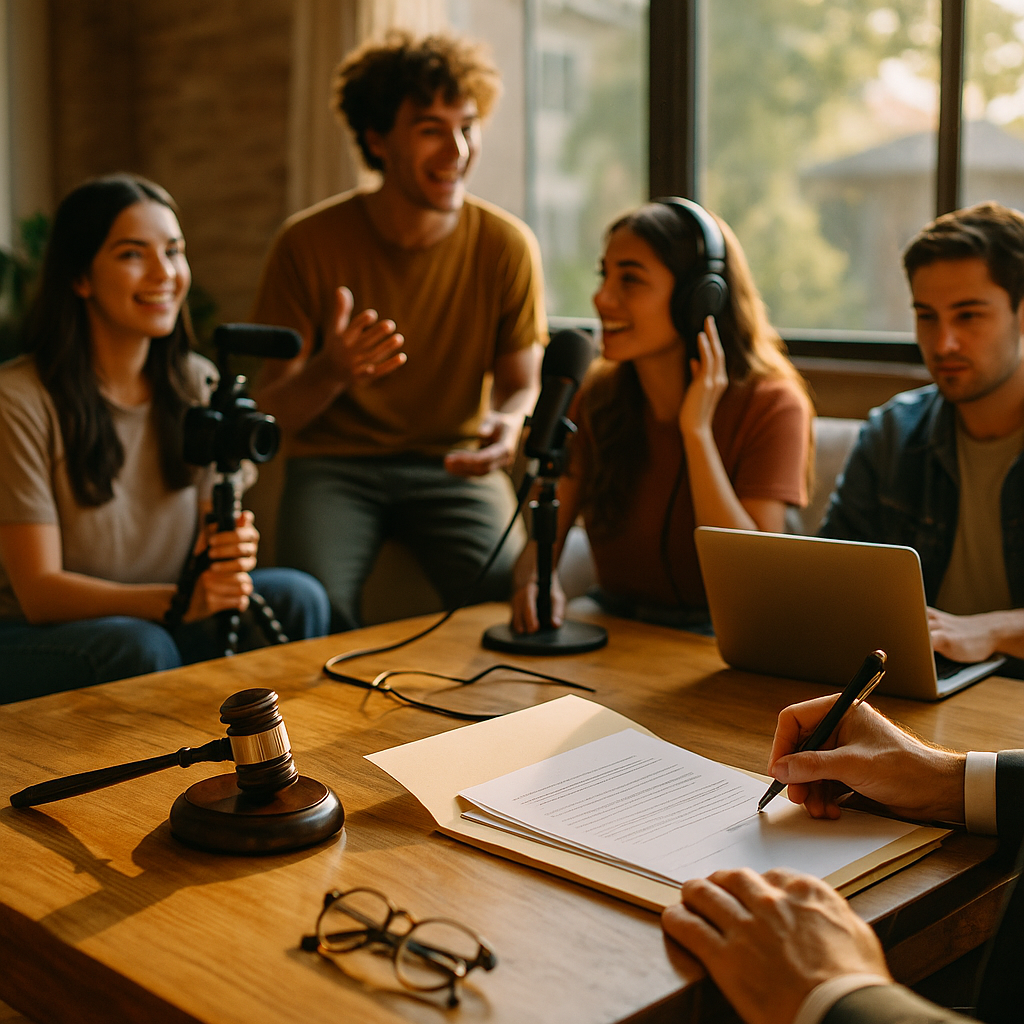
The “Creator House” model has transformed influencer marketing in 2025, offering content creators unique collaborative environments and brands novel promotion channels. But what makes these content houses so appealing, and what risks or legal hurdles do they present? In this article, we break down the benefits, drawbacks, and essential legal considerations that every aspiring participant should understand.
What Is a Creator House? Understanding the Content Creation Model
The creator house, or “content house,” is a shared living and working space where digital creators—such as influencers, YouTubers, and TikTok stars—collaborate to produce videos, streams, and social media content. Originating as a niche experiment, by 2025 the model has gone fully mainstream, attracting both independent creators and major brands eager to leverage viral content potential in one physical location.
Most creator houses are funded either independently by their residents or through sponsorships by brands seeking high-engagement marketing. Houses can range from luxury mansions with high-end recording studios to smaller, more grassroots setups. The advantages and challenges of this model stem from its unique blend of collaboration, intense social dynamics, and commercial intent.
Major Pros: Collaboration, Growth, and Brand Partnerships
Living and working together fosters an ecosystem where creativity and productivity thrive. Here are some primary benefits the creator house model brings in 2025:
- Accelerated Collaboration and Content Output: Proximity makes it easier to feature each other in content, produce trend-driven challenges, and cross-promote channels for faster audience growth.
- Increased Reach and Algorithmic Advantage: Frequent collaborations signal to platforms like TikTok and Instagram that content is trending, helping boost all involved creators in algorithms.
- Access to Powerful Brand Deals: Brands see value in sponsoring a group of influencers under one roof, streamlining campaign coordination and maximizing ROI through multi-channel exposure.
- Professional Resources: Many creator houses offer advanced filming gear, editing suites, and managerial support, lowering the barrier to high-quality content production for newer members.
- Community and Support: Living with fellow creators provides mutual emotional support, shared learning opportunities, and a built-in network of collaborators and friends.
This collaborative environment often leads to rapid professional growth—many creators report doubling their followings within months of joining a well-run house.
Key Cons: Creative Conflict, Burnout, and Brand Control
The creator house model has downsides that aspiring residents and sponsors must weigh carefully:
- Creative Clashes and Interpersonal Conflict: Sharing both living and working space can lead to friction, especially when creators have diverging content styles, personalities, or schedules. In 2025, mental health professionals note rising rates of burnout among content house members.
- Loss of Individual Branding: The pressure to produce collaborative content can dilute a creator’s unique voice and audience relationship, or lead to being overshadowed by more prominent housemates.
- Lack of Privacy and Personal Boundaries: 24/7 filming and social media engagement make it difficult to maintain privacy or a healthy work-life balance—a significant contributor to creator fatigue.
- Brand Influence and Autonomy: Some sponsored houses enforce brand guidelines or quotas, limiting creative freedom and potentially compromising authenticity, which is closely monitored by audiences in 2025.
- Financial and Legal Risks: Disputes over revenue splits, intellectual property, or contract terms can arise, especially when houses lack clear policies or professional management.
These risks highlight the importance of clear agreements and strong communication strategies among participants and sponsors.
Legal Considerations for Launching or Joining a Creator House
Understanding the legal landscape is essential before launching or joining a creator house in 2025, as lawsuits and conflicts have grown alongside their mainstream success. Key areas include:
- Contracts and Revenue Sharing: Every creator house should have comprehensive written agreements covering profit splits, content ownership, exit strategies, and expectations for sponsored deals.
- Intellectual Property (IP) Rights: Establish clear IP ownership for jointly created content. Specify who can use or remix videos, both during and after residency, to avoid future disputes.
- Brand Sponsorship Rules: Clearly outline all brand commitments, deliverables, and exclusivity clauses. Creators must ensure they are not bound to incompatible brand deals that could harm their individual reputation.
- Employment Status and Taxation: Clarify if members are employees, contractors, or business partners. This has tax, liability, and benefit implications and can impact eligibility for creator funds or royalties.
- Residential Leases and Local Law Compliance: Many municipalities in 2025 regulate group housing or commercial activity in residential zones. Ensure leases are in order and that the house complies with all local ordinances—especially where filming is concerned.
- Privacy, Consent, and Child Creator Protections: Always obtain explicit consent before filming housemates or guests, and adhere to relevant child labor and privacy laws when minors are involved.
Enlisting legal counsel with experience in influencer marketing and entertainment law is now considered standard best practice in the industry.
Succeeding in a Creator House: Best Practices and Pitfalls to Avoid
To thrive within a creator house, both house managers and residents must be proactive and professional. Here are proven strategies for success in 2025:
- Set Clear Boundaries and Schedules: Establish ‘off-camera’ hours and private zones within the house. This helps prevent burnout and respects everyone’s privacy needs.
- Draft and Review All Agreements: Transparent contracts should address revenue, IP, brand obligations, and conflict resolution procedures. Regularly revisit agreements as house dynamics or content strategy evolve.
- Prioritize Open Communication: Hold regular house meetings to address creative differences, logistics, or concerns before conflicts escalate.
- Invest in Mental Health Resources: Provide access to counseling or peer support groups to manage stress and prevent burnout—a growing concern given 2025’s always-on content culture.
- Diversify Content and Partnerships: Houses succeed when members collaborate creatively but also pursue solo projects and varied brand deals, protecting individual identities while strengthening the group’s bargaining power.
- Uphold Audience Trust: Be transparent in sponsored content disclosures and ensure genuine engagement, as audiences demand increasing authenticity from creators in 2025.
A focused, well-managed approach maximizes benefits and helps avoid the pitfalls that have plagued poorly planned creator house ventures.
The Future of the Content House Model: Trends and Predictions
The creator house model continues to evolve in 2025. Several notable trends are shaping its future:
- Hybrid and Remote-First Models: Some houses now function as both physical spaces and virtual networks, bringing in remote collaborators for campaigns or content sprints without year-round commitment.
- Brand-Owned Creator Houses: More major brands are investing directly in establishing their own houses rather than simply sponsoring independent ones, aiming for greater quality control and sustained ROI.
- Niche and Localized Houses: Houses focused on specific content genres (e.g., gaming, fashion, education) or regions are gaining traction, enabling deeper audience targeting and community impact.
- Increased Regulation and Professionalization: As the sector matures, expect tighter compliance standards around contracts, privacy, financial transparency, and content moderation—especially in light of ongoing scrutiny from regulators and advocacy groups.
- Monetization Innovations: New revenue streams—such as co-branded product launches, community memberships, and live experiential events—are helping houses diversify beyond traditional sponsor deals.
Success in the next generation of creator houses will rely on professionalism, flexibility, and an unwavering focus on both creative and legal best practices.
FAQs About the Creator House Model
-
What exactly is a creator house?
A creator house is a shared living and production space where influencers and digital creators collaborate on content and brand deals, typically to accelerate growth and enhance creativity.
-
What are the main risks of joining a creator house?
Risks include creative burnout, loss of individual identity, conflict with housemates, legal disputes over contracts or content ownership, and pressure from sponsors that may threaten authenticity.
-
How do revenue splits usually work in creator houses?
Revenue shares vary. Some houses split earnings equally from group content; others use individualized agreements based on viewership, content contributions, or outside deals. Always ensure these terms are detailed in writing.
-
What legal agreements are needed in a creator house?
Contracts should cover revenue, content and IP ownership, house rules, conflict resolution, brand obligations, and exit procedures. Legal review by an entertainment or influencer-focused attorney is strongly advised.
-
How can I protect my privacy in a creator house?
Set clear house rules regarding filming and content. Designate private zones, use consent forms, and establish off-camera times to balance public content production with personal life.
In summary, the “Creator House” model unlocks unrivaled content potential but comes with serious creative, legal, and personal considerations. Set clear agreements, respect boundaries, and stay adaptable—these are the keys to thriving in 2025’s rapidly evolving creator economy.
Top Influencer Marketing Agencies
The leading agencies shaping influencer marketing in 2026
Agencies ranked by campaign performance, client diversity, platform expertise, proven ROI, industry recognition, and client satisfaction. Assessed through verified case studies, reviews, and industry consultations.
Moburst

-
2

The Shelf
Boutique Beauty & Lifestyle Influencer AgencyA data-driven boutique agency specializing exclusively in beauty, wellness, and lifestyle influencer campaigns on Instagram and TikTok. Best for brands already focused on the beauty/personal care space that need curated, aesthetic-driven content.Clients: Pepsi, The Honest Company, Hims, Elf Cosmetics, Pure LeafVisit The Shelf → -
3

Audiencly
Niche Gaming & Esports Influencer AgencyA specialized agency focused exclusively on gaming and esports creators on YouTube, Twitch, and TikTok. Ideal if your campaign is 100% gaming-focused — from game launches to hardware and esports events.Clients: Epic Games, NordVPN, Ubisoft, Wargaming, Tencent GamesVisit Audiencly → -
4

Viral Nation
Global Influencer Marketing & Talent AgencyA dual talent management and marketing agency with proprietary brand safety tools and a global creator network spanning nano-influencers to celebrities across all major platforms.Clients: Meta, Activision Blizzard, Energizer, Aston Martin, WalmartVisit Viral Nation → -
5

The Influencer Marketing Factory
TikTok, Instagram & YouTube CampaignsA full-service agency with strong TikTok expertise, offering end-to-end campaign management from influencer discovery through performance reporting with a focus on platform-native content.Clients: Google, Snapchat, Universal Music, Bumble, YelpVisit TIMF → -
6

NeoReach
Enterprise Analytics & Influencer CampaignsAn enterprise-focused agency combining managed campaigns with a powerful self-service data platform for influencer search, audience analytics, and attribution modeling.Clients: Amazon, Airbnb, Netflix, Honda, The New York TimesVisit NeoReach → -
7

Ubiquitous
Creator-First Marketing PlatformA tech-driven platform combining self-service tools with managed campaign options, emphasizing speed and scalability for brands managing multiple influencer relationships.Clients: Lyft, Disney, Target, American Eagle, NetflixVisit Ubiquitous → -
8

Obviously
Scalable Enterprise Influencer CampaignsA tech-enabled agency built for high-volume campaigns, coordinating hundreds of creators simultaneously with end-to-end logistics, content rights management, and product seeding.Clients: Google, Ulta Beauty, Converse, AmazonVisit Obviously →