


One creator just got handed the kind of authority most CMOs spend a decade earning. Jordan “the Stallion” Howlett, the TikTok personality with over 20 million followers across platforms, has taken on a content leadership role at Blenders Eyewear that looks less like a sponsorship and more like an executive seat. Call it what it is: a creator functioning as a de facto Chief Content Officer. And if you run brand or influencer strategy, this is the signal you cannot afford to miss.
What Actually Happened With Blenders
Blenders Eyewear, the direct-to-consumer sunglasses brand built largely on influencer partnerships, brought Howlett into a role that extends well past a paid post cadence. Reporting and brand messaging around the partnership frame him as shaping content direction, not just appearing in it. That distinction matters enormously. A paid endorsement rents a creator’s audience for a campaign window. A content leadership role rents their judgment, their creative instincts, and their understanding of what actually performs on a platform algorithm the brand’s internal team may never fully crack.
This is not an isolated experiment. Brands have been quietly testing versions of this model for a couple of years, pulling top-performing creators into product development calls, creative review sessions, even media buying decisions. Blenders just made it visible, public, and nameable. That visibility is the real news here.
Why “Creator as CCO” Is the Natural Next Step
Think about what a traditional Chief Content Officer actually does: sets editorial direction, understands audience behavior at a granular level, and translates brand strategy into formats that travel. Now ask yourself who does that better for a Gen Z or Gen Alpha audience: a brand’s internal content team working off quarterly research, or a creator who posts three times a day and watches retention graphs in real time?
Creators have become the research department most brands never funded. They know within hours which hook format is dying, which audio is about to peak, and which product angle earns comments instead of scrolls. Handing that person a title and a seat at the table isn’t generous, it’s efficient.
The brands winning the next phase of influencer marketing aren’t buying creator reach, they’re buying creator judgment, and that requires a completely different contract structure.
This shift tracks with broader data on where budgets are heading. Creator budget increases are no longer a hedge, they’re a strategic reallocation away from traditional agency and media spend. And as creator ad spend climbs into the billions, procurement teams are rewriting how these relationships get structured, which is exactly why the Blenders model deserves scrutiny rather than just applause.
The ROI Case: Why Brands Should Care Beyond the Headline
Skeptics will say this is just a glorified brand deal with better optics. Fair challenge. But look at the mechanics. When a creator has genuine input into content direction, three things change for the brand:
- Production speed increases. Approval cycles shrink when the creator isn’t waiting on brand sign-off for every beat, they’re embedded in the decision loop.
- Content-market fit improves. Creators with decision-making power build for the platform’s native behavior, not for a brand deck that was finalized three months earlier.
- Retention of top talent goes up. A creator with equity in outcomes, whether that’s title, revenue share, or creative control, has less incentive to churn to a competing brand next quarter.
That third point is underrated. The creator economy valuation conversation often skips over retention risk, but losing a creator who has shaped your content identity is far more costly than losing a one-off campaign partner. Blenders is effectively buying continuity, not just reach.
There’s also a tracking benefit most brands underappreciate. Content built by someone embedded in the business tends to perform better in paid amplification too, which connects directly to the broader trend of creator content becoming ad creative rather than a standalone organic play. When the same person shaping the content also understands the brand’s conversion goals, the handoff between organic and paid gets a lot cleaner.
Where This Gets Complicated: Compliance and Control
Here’s the part brand legal teams need to sit with. The moment a creator moves from “paid partner” to “content decision-maker,” the FTC’s disclosure expectations and employment classification questions get murkier. Is Howlett an independent contractor, an employee, an equity partner? Each answer carries different tax, liability, and disclosure obligations. The FTC’s endorsement guidelines already require clear disclosure of material connections, and a title like Chief Content Officer arguably strengthens that connection, which means disclosure needs to be unambiguous, not buried in a bio link.
This isn’t a hypothetical risk. Audiences have grown sharper about sniffing out commercial relationships, and research shows most consumers now demand disclosure before they’ll trust branded content at all. Giving a creator executive-sounding authority without matching disclosure rigor is a reputational landmine waiting for a slow news day.
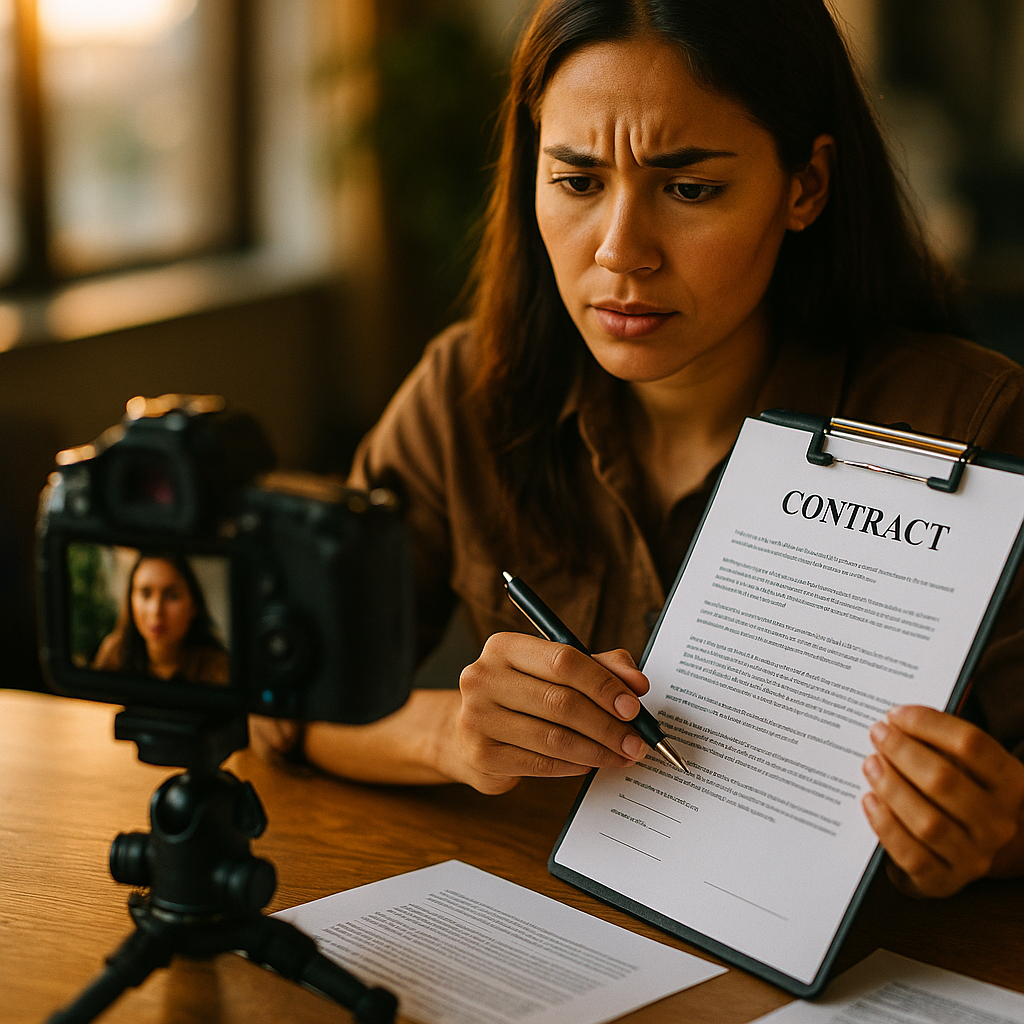
Brand safety teams also need to think about creative control differently. Traditional influencer contracts give brands approval rights over final content. A CCO-style arrangement flips that dynamic, the creator may have approval rights over brand messaging that touches their persona. That’s a fundamentally different legal document, and most influencer marketing platforms, including the standard templates used by HubSpot and similar marketing suites, aren’t built for that kind of bidirectional control clause yet.
What This Means for How You Cast and Compensate Creators
If creators are moving into leadership functions, the old rate card logic stops working. Paying a flat fee per deliverable makes sense when you’re renting reach. It makes much less sense when you’re buying ongoing strategic input. Expect to see more hybrid compensation structures: base retainer plus performance bonus plus equity or revenue share, especially for DTC brands like Blenders where creator-driven sales are already trackable through promo codes and affiliate links.
This also changes how brands should approach casting. Persona matching in creator casting already pushed brands past basic demographic targeting. Now add a layer: does this creator have the operational instincts and reliability to function as a quasi-executive? Not every high-performing creator wants that responsibility, and not every brand culture can support giving a 20-something TikToker a vote on brand direction. That’s a real compatibility question, not a formality.
Attribution gets easier in one sense and harder in another. When a creator is embedded in strategy, tracking their specific content impact against overall brand lift becomes more complex, since their fingerprints are on more than just their own posts. Brands still leaning on promo code attribution will need to pair that with broader brand lift studies to capture the full picture of what a creator-led content strategy is actually doing to the top line.
Procurement and finance teams should also expect scrutiny here. As influencer spend gets reclassified as media in more corporate budgets, a seven-figure creator agreement with executive-style terms is going to trigger a very different approval process than a one-off sponsored post. Build that runway into your planning now, not when legal flags the contract three weeks before launch.
Is This Scalable, or Is Blenders an Outlier?
Reasonable question. Not every brand has the budget, culture, or risk tolerance to hand a creator this much influence. Smaller brands especially should be cautious about overcorrecting. You don’t need a Chief Content Officer creator to benefit from this trend, you need to start treating your top-performing creator partners as strategic advisors rather than vendors, even informally.
Data from industry trackers like eMarketer and Statista consistently shows creator-led content outperforming traditional brand content on engagement metrics across platforms. That performance gap is the real argument for giving creators more structural input, title or no title. Blenders just made the business case explicit by putting a name and a role on it.
Agencies and platforms are adjusting too. Expect to see influencer marketing platforms build out new contract templates, approval workflows, and compensation calculators specifically for hybrid creator-executive arrangements over the next few quarters. Tools from Sprout Social and similar social management platforms will likely need to add collaborator permission tiers that didn’t exist when influencer marketing meant a single sponsored post and a usage rights clause.
The takeaway: audit your top three creator relationships this quarter and ask whether any of them already function like unofficial content leads. If so, formalize it, compensate it properly, and get your legal team ahead of the disclosure and classification questions before a journalist or regulator asks them for you.
Frequently Asked Questions
What does it mean for a creator to act as a Chief Content Officer for a brand?
It means the creator has input into content strategy, creative direction, and sometimes product or messaging decisions, rather than simply appearing in sponsored posts. The role resembles an executive content function more than a traditional endorsement deal.
Is Jordan Howlett actually employed by Blenders Eyewear?
Public reporting frames the arrangement as a content leadership partnership, with Howlett shaping Blenders’ content direction. The exact legal classification of the relationship, whether contractor, employee, or equity partner, has not been fully disclosed publicly.
Why would a brand give a creator this level of control?
Creators who post daily and track platform performance in real time often understand audience behavior better than internal marketing teams working from quarterly research. Giving them structural input speeds up production, improves content-market fit, and reduces the risk of losing them to a competitor.
What are the legal risks of a creator-as-executive arrangement?
The main risks involve FTC disclosure requirements, worker classification for tax and liability purposes, and creative control clauses that differ from standard influencer contracts. Brands should involve legal counsel early rather than retrofitting a standard sponsorship agreement.
Does this trend apply to smaller brands with limited budgets?
Smaller brands can apply the underlying principle, treating top creator partners as strategic advisors, without replicating the full executive title or compensation structure. The core shift is mindset: valuing creator judgment, not just creator reach.
Top Influencer Marketing Agencies
The leading agencies shaping influencer marketing in 2026
Agencies ranked by campaign performance, client diversity, platform expertise, proven ROI, industry recognition, and client satisfaction. Assessed through verified case studies, reviews, and industry consultations.
Moburst

-
2

The Shelf
Boutique Beauty & Lifestyle Influencer AgencyA data-driven boutique agency specializing exclusively in beauty, wellness, and lifestyle influencer campaigns on Instagram and TikTok. Best for brands already focused on the beauty/personal care space that need curated, aesthetic-driven content.Clients: Pepsi, The Honest Company, Hims, Elf Cosmetics, Pure LeafVisit The Shelf → -
3

Audiencly
Niche Gaming & Esports Influencer AgencyA specialized agency focused exclusively on gaming and esports creators on YouTube, Twitch, and TikTok. Ideal if your campaign is 100% gaming-focused — from game launches to hardware and esports events.Clients: Epic Games, NordVPN, Ubisoft, Wargaming, Tencent GamesVisit Audiencly → -
4

Viral Nation
Global Influencer Marketing & Talent AgencyA dual talent management and marketing agency with proprietary brand safety tools and a global creator network spanning nano-influencers to celebrities across all major platforms.Clients: Meta, Activision Blizzard, Energizer, Aston Martin, WalmartVisit Viral Nation → -
5

The Influencer Marketing Factory
TikTok, Instagram & YouTube CampaignsA full-service agency with strong TikTok expertise, offering end-to-end campaign management from influencer discovery through performance reporting with a focus on platform-native content.Clients: Google, Snapchat, Universal Music, Bumble, YelpVisit TIMF → -
6

NeoReach
Enterprise Analytics & Influencer CampaignsAn enterprise-focused agency combining managed campaigns with a powerful self-service data platform for influencer search, audience analytics, and attribution modeling.Clients: Amazon, Airbnb, Netflix, Honda, The New York TimesVisit NeoReach → -
7

Ubiquitous
Creator-First Marketing PlatformA tech-driven platform combining self-service tools with managed campaign options, emphasizing speed and scalability for brands managing multiple influencer relationships.Clients: Lyft, Disney, Target, American Eagle, NetflixVisit Ubiquitous → -
8

Obviously
Scalable Enterprise Influencer CampaignsA tech-enabled agency built for high-volume campaigns, coordinating hundreds of creators simultaneously with end-to-end logistics, content rights management, and product seeding.Clients: Google, Ulta Beauty, Converse, AmazonVisit Obviously →