


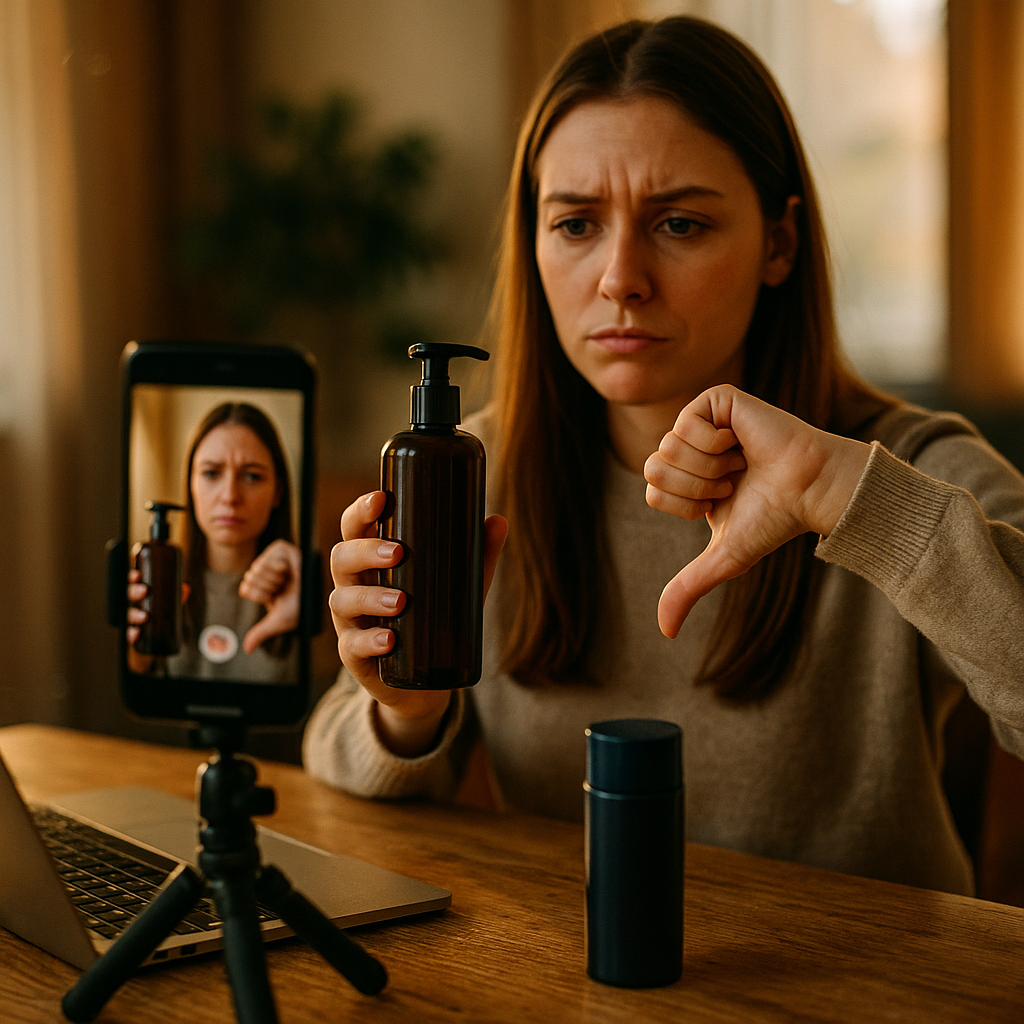
The “de-influencing” wave has sparked a new demand for radical honesty in reviews, as consumers crave transparency in a saturated influencer market. This trend challenges traditional promotion tactics, encouraging more sincere product feedback online. But what exactly drives this movement, and how are creators and brands adapting? Let’s explore what de-influencing means for reviewers and buyers today.
The Rise of De-Influencing: Why Sincere Product Reviews Matter
Over the past two years, “de-influencing” has rapidly gained traction across platforms like TikTok, Instagram, and YouTube. In this wave, creators confidently warn audiences against overhyped or unnecessary purchases—often contradicting brand sponsorships. This radical honesty in reviews addresses mounting skepticism regarding sponsored content and influencer authenticity. According to a 2025 HubSpot report, 83% of shoppers trust independent reviewers over branded ads.
Real-life de-influencing content ranges from candid lists of what not to buy, to detailed explanations of why certain products fall short. This shift reflects a collective fatigue with aggressive marketing and a growing demand for genuine value. Audiences want transparency and actionable advice—not just polished promotions. For reviewers, this honesty promotes credibility and loyal followings, marking a significant change in the digital landscape.
Radical Honesty in Reviews: Establishing Trust With Audiences
In 2025, consumers are more informed and critical than ever before. Radical honesty in reviews is not a fleeting trend, but rather an essential response to widespread distrust. Audiences have access to endless product options and competing recommendations, so straightforward, truth-based reviews carry more influence.
This new era of reviewing is grounded in direct communication:
- Clear Disclosures: Authentic creators openly state when content is sponsored or gifted.
- Balanced Pros and Cons: Effective reviews break down both strengths and weaknesses—offering users a complete picture.
- First-Hand Experience: Readers and viewers look for evidence that reviewers have genuinely tested products.
By leveraging these best practices, reviewers become sources of reliable information, ultimately cultivating a reputation for integrity. In a market flooded with affiliate links, this approach stands out as both refreshing and necessary.
How De-Influencing Impacts Brands and Marketing Strategies
The rise of de-influencing, with its emphasis on honest product recommendations, is prompting brands to reassess their influencer marketing strategies. In place of scripted partnerships, companies are seeking collaborators whose audiences value sincerity over sales tactics. According to GWI’s 2025 report, 65% of brands now prioritize authentic feedback over reach when selecting content creators.
Brands are also leveraging user-generated content, inviting regular customers to share unfiltered experiences. Rather than fearing criticism, leading companies are embracing the opportunity to address concerns and iterate their products. Smart marketers recognize that constructive reviews can drive credibility, fuel innovation, and increase long-term loyalty.
Tips for Writing Credible, EEAT-Compliant Reviews in 2025
Google’s EEAT (Experience, Expertise, Authoritativeness, Trustworthiness) framework shapes the future of online content, including reviews. To ensure your radical honesty resonates, reviewers should focus on demonstrating real knowledge, transparent motives, and responsible disclosures. Here’s how to refine your review process:
- Share Firsthand Experience: Reference specific use cases, outcomes, or even tests with the product. Photos or videos can further validate your insights.
- Highlight Relevant Expertise: If you possess unique knowledge (such as being a professional makeup artist reviewing cosmetics), make it clear to your audience.
- Disclose Relationships: Be open about sponsorships, gifts, or affiliate links to maintain transparency.
- Present Balanced Views: Explain both benefits and drawbacks, helping readers make informed choices.
- Cite Data When Possible: Reliable statistics, peer reviews, or expert opinions boost trust.
- Engage With Feedback: Respond to reader comments and update your content as needed, displaying ongoing commitment to accuracy.
These steps create trustworthy, reader-centric reviews that align with both audience and search engine expectations in 2025.
The Role of Social Proof: Community-Driven De-Influencing
Radical honesty in reviews is amplified by the growing power of social proof. Online communities—Reddit forums, Facebook groups, Discord servers—facilitate candid conversations about what’s truly worth buying. In these shared spaces, individual reviews are vetted, challenged, or corroborated by others with similar experiences. This collective wisdom adds a vital layer of credibility.
Additionally, emerging platforms like Flip and Lemon8 provide structured, community-rated reviews that surface the most helpful voices. In 2025, consumers routinely cross-check influencer opinions with this grassroots feedback as part of their research process. Brands and creators who engage constructively in these communities further strengthen trust in their recommendations.
The Future of De-Influencing and Honest Reviews
As the de-influencing wave enters the mainstream, the expectations for honest reviews will only intensify. For creators, maintaining integrity is non-negotiable—driven as much by audience demand as by Google’s algorithm updates. Brands, on the other hand, are adapting by finding partners who prioritize honesty and constructive dialogue.
This trend signals a healthier, more transparent digital ecosystem. Going forward, a blend of radical honesty, robust social proof, and responsible endorsements will drive purchasing decisions and shape the reputation of influencers and companies alike.
Conclusion: Embrace the De-Influencing Wave for Lasting Trust
The de-influencing wave is transforming product reviews into beacons of radical honesty and trust. By prioritizing transparency, balanced feedback, and community engagement, both creators and brands can forge deeper connections with modern consumers. As authenticity becomes the new standard in 2025, embracing de-influencing isn’t just smart—it’s essential for credibility and growth.
FAQs: Radical Honesty and De-Influencing in Reviews
-
What is de-influencing?
De-influencing is the practice of encouraging consumers to think critically about their purchases, often by sharing honest, sometimes negative, product recommendations rather than purely promoting items. -
How does radical honesty benefit product reviewers?
Radical honesty establishes trust and credibility with audiences, making reviewers more reliable sources of information and fostering long-term followings. -
Can brands benefit from critical or negative reviews?
Yes. Brands that respond respectfully to candid feedback can improve their products, strengthen their reputation, and signal a commitment to customer satisfaction. -
What makes a review trustworthy in 2025?
Trustworthy reviews are transparent about sponsorships, provide balanced pros and cons, draw on real experiences, cite credible data, and actively engage with reader feedback. -
Is de-influencing just a social media trend?
No. While popularized on social platforms, de-influencing reflects a broader cultural shift towards authenticity and critical thinking in digital spaces. -
What platforms are leading the de-influencing movement?
TikTok, YouTube, Reddit, and emerging community-driven platforms like Flip and Lemon8 are notable leaders in the de-influencing trend.