


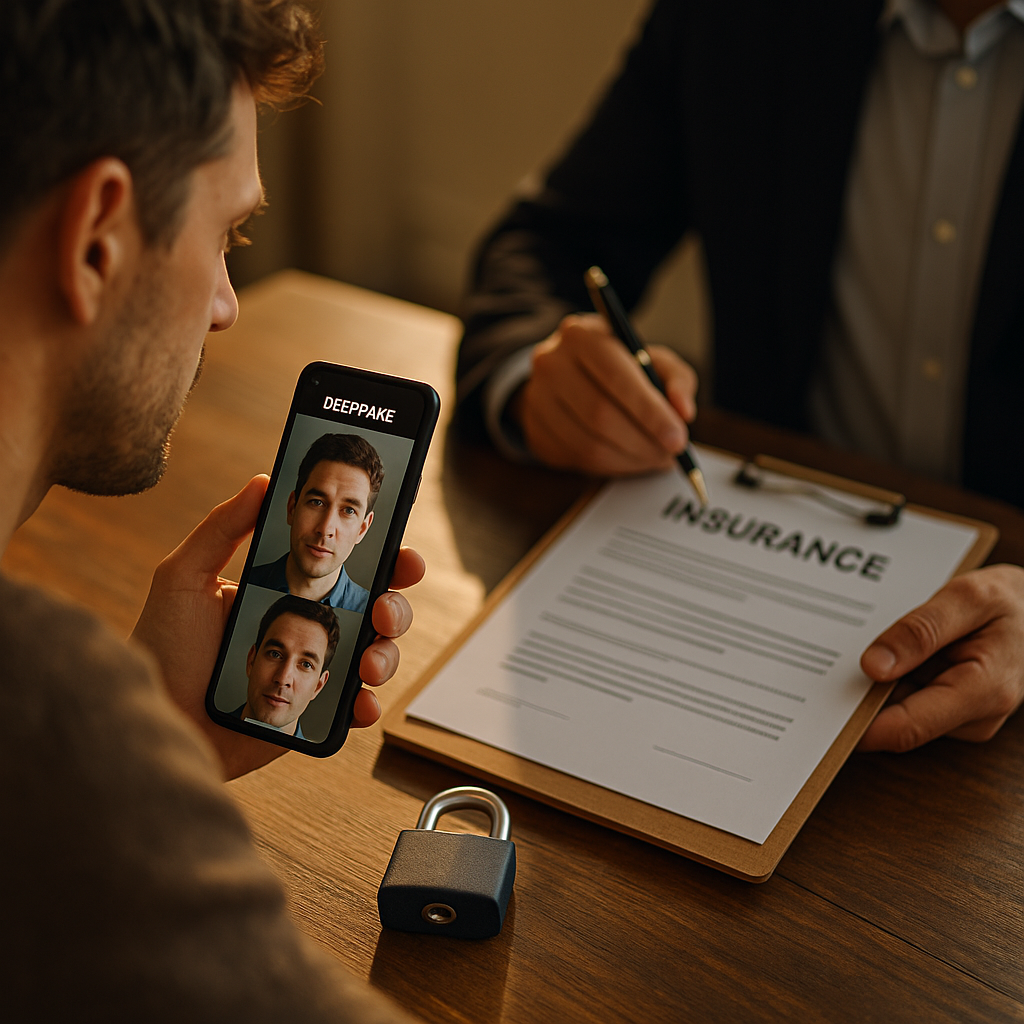
One underwriter at Lloyd’s of London now estimates that creator-related liability claims, covering everything from deepfake impersonation to FTC disclosure fines, have tripled in volume over the past two years. That is not a rounding error. It is the data point that convinced a cluster of insurance carriers to start building dedicated creator economy insurance products from scratch, and it should make every brand marketer running an influencer program ask a harder question: who actually eats the cost when a sponsored post goes wrong?
Why Creator Deals Suddenly Look Like Liability Magnets
For years, influencer marketing lived in a legal gray zone. Contracts were thin, insurance was an afterthought, and most brands assumed general commercial liability policies would quietly cover whatever went sideways. That assumption is collapsing.
Three forces are driving the shift. First, regulators are no longer issuing warnings, they are issuing fines. The Federal Trade Commission has escalated enforcement against undisclosed sponsorships, and agencies in the UK under the Information Commissioner’s Office framework face similar scrutiny around data and endorsement practices. Second, AI-generated likeness and deepfake content have turned creator identity itself into an insurable asset, since a cloned voice or face in a fraudulent ad can trigger defamation and fraud claims against both the creator and the brand that hired them. Third, contract disputes are multiplying as programs scale past a handful of names into rosters of fifty or more, a shift we covered in brands scaling creator rosters to cut cost per impression.
Put those together and you get a market that insurers can finally price. Risk that used to be anecdotal is now actuarial.
What Creator Economy Insurance Actually Covers
This is not a single product. It is a bundle of coverage types being stitched together by specialty carriers and a handful of insurtech startups chasing the creator economy as a growth category. The core lines emerging so far include:
- Disclosure and compliance liability: covers fines and legal costs tied to FTC or regional regulator action over undisclosed paid partnerships.
- Deepfake and likeness misuse: protects against unauthorized AI replication of a creator’s face, voice, or persona in fraudulent or unapproved content.
- Contract breach and non-delivery: reimburses brands when a creator fails to deliver contracted deliverables, a growing concern as deals shift from one-off posts to multi-quarter creator contracts.
- Reputational crisis response: funds rapid PR and legal support if a creator’s off-platform behavior drags a sponsoring brand into controversy.
- Platform dependency coverage: a newer, still-experimental line that compensates creators and their brand partners if a sudden algorithm change or account suspension tanks agreed-upon deliverable reach.
None of this is standardized yet. Pricing varies wildly depending on creator follower count, content category, and whether the brand or the creator is the policyholder.
Carriers underwriting these policies report that disclosure violations and deepfake impersonation claims now account for the majority of creator-related liability filings, a reversal from five years ago when most disputes were simple non-payment issues.
Who’s Underwriting These Policies?
Traditional commercial insurers have been slow to move, which has opened a lane for specialty managing general agents and a few insurtech players building risk models specifically for digital talent. Some are partnering with talent agencies directly, bundling coverage into representation deals the way sports agencies have long bundled disability insurance for athletes.
Brand-side, the buyers are often the same procurement and legal teams already renegotiating vendor agreements in response to tighter brand safety contract requirements. It makes sense. If your legal team is already rewriting influencer contracts to spell out disclosure obligations and content rights, adding an insurance rider is a short conversation, not a new workstream.
Agencies are watching closely too. As full-cycle agencies merge talent, content, and media buying under one roof, insurance becomes a service line they can resell, adding margin while reducing the client’s exposure. Expect agency pitch decks in the next cycle to include “included liability coverage” as a differentiator, the same way production studios once pitched turnkey content packages.
The Compliance Gap Insurers Are Pricing For
Here’s the uncomfortable truth underwriters keep running into: most brands still cannot produce clean documentation of who disclosed what, when, and how. Nearly four in ten marketers admit they cannot even prove influencer ROI, let alone produce an audit trail of disclosure compliance across a hundred-creator campaign.
That gap is exactly what insurance underwriters price into premiums. A brand with a standardized disclosure template, centralized contract repository, and documented approval workflow pays less than one running influencer deals off scattered email threads and DMs. In practice, getting insurance-ready is forcing brands to do the operational cleanup they should have done years ago: centralized contract management, standardized UGC rights language (a trend already reshaping how UGC creator value gets set), and documented FTC compliance checklists attached to every brief.
Industry data from eMarketer and benchmarking work from Sprout Social both point to the same trend: brands that formalize creator operations see fewer disputes and faster resolution when something does go wrong. Insurers are simply monetizing that correlation.
Should Your Brand Require Creators to Carry Coverage?
This is the question legal and procurement teams are wrestling with right now, and the answer depends on deal size and risk exposure. For low-dollar UGC deals, requiring a creator to hold independent liability coverage is overkill, most creators working on a per-asset basis simply won’t absorb the cost, a dynamic already visible in how UGC pricing has shifted to per-asset fees.
For larger, multi-quarter ambassador deals or campaigns involving regulated categories like finance, health, or alcohol, requiring proof of insurance is becoming standard practice, mirroring how brands already treat production vendors. The logic is simple: if a creator is effectively functioning as a contracted vendor, as we’ve argued in coverage of UGC creators going pro, they should carry the same liability protections any other vendor would.
A practical middle ground many brands are adopting: the brand carries a master policy covering its entire creator roster, with individual creators named as additional insureds on a per-campaign basis. This centralizes cost control while still giving creators protection, and it simplifies claims since there’s one policy to administer instead of dozens.
Brands that still treat creator contracts as informal handshake deals are the ones most exposed when an insurance claim, regulatory fine, or deepfake scandal lands, because there’s no paper trail to fall back on.
What This Means for Budget Planning
Insurance premiums are a new line item, but they’re small relative to the downside they prevent. Early pricing from specialty carriers suggests premiums running in the low single-digit percentage of total campaign spend for standard disclosure and contract-breach coverage, climbing higher for deepfake and reputational crisis riders. For brands already tightening influencer ROI tracking, as outlined in coverage of short-form attention plateaus and unproven ROI, insurance costs are easiest to justify when framed as risk-adjusted spend rather than a sunk cost.
Expect this category to professionalize fast. Within a couple of cycles, RFPs for creator agency partners will likely include insurance verification as a standard line item, the same way they already ask about data privacy compliance.
Next step: audit your current creator contracts for disclosure language, content rights, and liability allocation before you shop for a policy. Insurers will price you based on how clean that paperwork already is, so fix the documentation first and the coverage conversation gets a lot cheaper.
FAQs
What is creator economy insurance?
It is a category of liability coverage designed specifically for risks tied to influencer marketing, including undisclosed sponsorship fines, deepfake or likeness misuse, contract non-delivery, and reputational fallout from a creator partnership.
Who typically buys creator economy insurance, the brand or the creator?
Both sides are entering the market. Brands often buy master policies covering their entire creator roster, while individual creators or their agencies sometimes carry independent coverage, especially for high-value or long-term deals.
Does general commercial liability insurance already cover influencer campaigns?
Usually not fully. Standard commercial policies often exclude digital endorsement disputes, regulatory disclosure fines, and AI-related likeness misuse, which is exactly the gap specialty creator economy insurance products are built to fill.
How much does creator economy insurance cost?
Pricing varies by creator reach, content category, and coverage type, but early market pricing suggests premiums in the low single digits as a percentage of campaign spend for basic disclosure and breach coverage, rising for deepfake and crisis response riders.
Should smaller brands bother with creator insurance?
If campaigns involve regulated categories, high-value multi-quarter contracts, or significant paid amplification, yes. For small, low-budget UGC deals, the administrative cost of requiring coverage usually outweighs the benefit.
Top Influencer Marketing Agencies
The leading agencies shaping influencer marketing in 2026
Agencies ranked by campaign performance, client diversity, platform expertise, proven ROI, industry recognition, and client satisfaction. Assessed through verified case studies, reviews, and industry consultations.
Moburst

-
2

The Shelf
Boutique Beauty & Lifestyle Influencer AgencyA data-driven boutique agency specializing exclusively in beauty, wellness, and lifestyle influencer campaigns on Instagram and TikTok. Best for brands already focused on the beauty/personal care space that need curated, aesthetic-driven content.Clients: Pepsi, The Honest Company, Hims, Elf Cosmetics, Pure LeafVisit The Shelf → -
3

Audiencly
Niche Gaming & Esports Influencer AgencyA specialized agency focused exclusively on gaming and esports creators on YouTube, Twitch, and TikTok. Ideal if your campaign is 100% gaming-focused — from game launches to hardware and esports events.Clients: Epic Games, NordVPN, Ubisoft, Wargaming, Tencent GamesVisit Audiencly → -
4

Viral Nation
Global Influencer Marketing & Talent AgencyA dual talent management and marketing agency with proprietary brand safety tools and a global creator network spanning nano-influencers to celebrities across all major platforms.Clients: Meta, Activision Blizzard, Energizer, Aston Martin, WalmartVisit Viral Nation → -
5

The Influencer Marketing Factory
TikTok, Instagram & YouTube CampaignsA full-service agency with strong TikTok expertise, offering end-to-end campaign management from influencer discovery through performance reporting with a focus on platform-native content.Clients: Google, Snapchat, Universal Music, Bumble, YelpVisit TIMF → -
6

NeoReach
Enterprise Analytics & Influencer CampaignsAn enterprise-focused agency combining managed campaigns with a powerful self-service data platform for influencer search, audience analytics, and attribution modeling.Clients: Amazon, Airbnb, Netflix, Honda, The New York TimesVisit NeoReach → -
7

Ubiquitous
Creator-First Marketing PlatformA tech-driven platform combining self-service tools with managed campaign options, emphasizing speed and scalability for brands managing multiple influencer relationships.Clients: Lyft, Disney, Target, American Eagle, NetflixVisit Ubiquitous → -
8

Obviously
Scalable Enterprise Influencer CampaignsA tech-enabled agency built for high-volume campaigns, coordinating hundreds of creators simultaneously with end-to-end logistics, content rights management, and product seeding.Clients: Google, Ulta Beauty, Converse, AmazonVisit Obviously →