


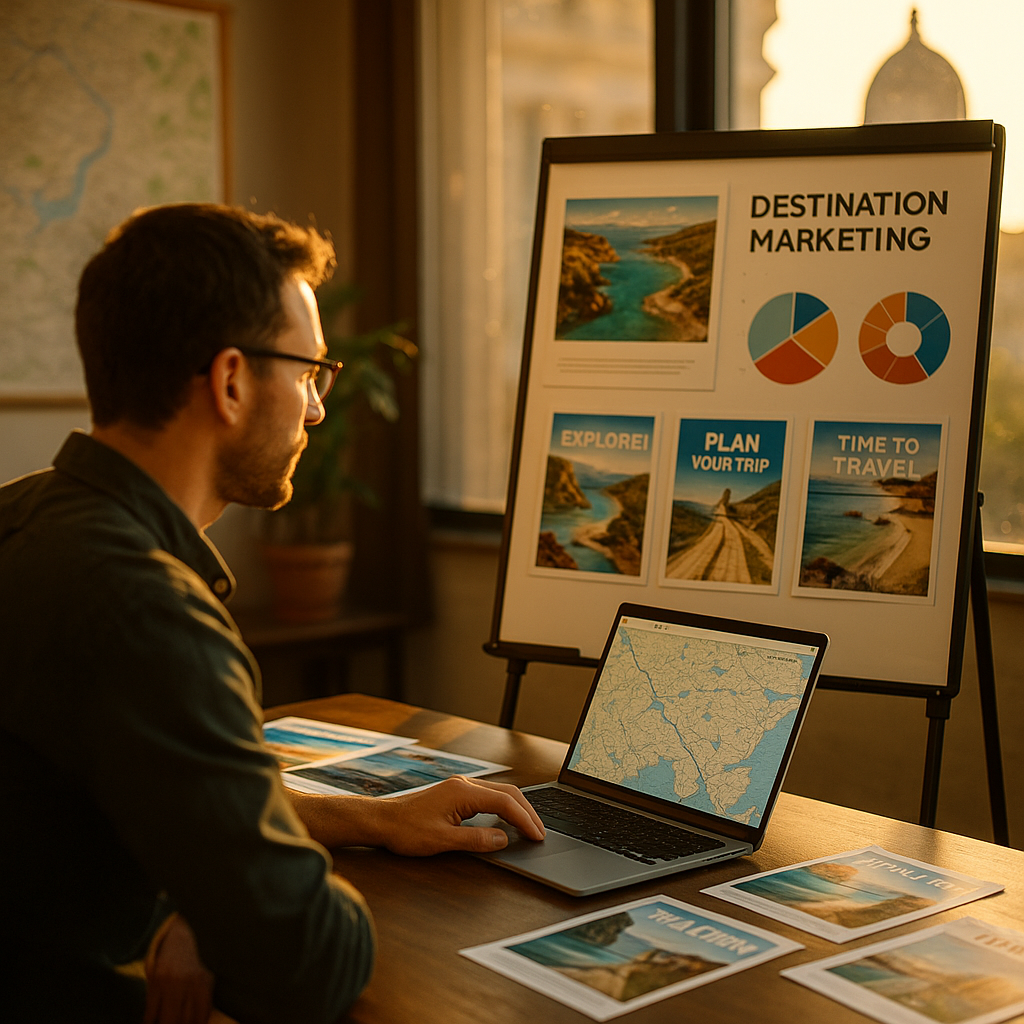
The travel industry has undergone transformative changes in the wake of global disruptions, making post-pandemic destination marketing more pivotal than ever. With evolving traveler priorities and digital innovation, marketers must adapt strategies to stand out in 2025. How can destinations leverage emerging trends to thrive in the competitive landscape? Let’s explore essential tactics for success in today’s world.
Understanding Traveler Preferences in the Post-Pandemic Era
The pandemic reshaped how people approach travel, with safety, flexibility, and unique experiences now influencing decisions more than ever. Recent studies from 2024 show that 68% of travelers consider health protocols and local transparency vital when choosing destinations. Furthermore, there’s increased interest in off-the-beaten-path locations, wellness retreats, and sustainable tourism.
Destination marketers must deeply understand these evolving preferences. Promoting new experiences, safety measures, and local partnerships can help build trust and attract discerning travelers. Listening to social media conversations and analyzing booking trends will reveal actionable insights into shifting demands.
Leveraging Digital Storytelling for Destination Appeal
Compelling digital storytelling remains a cornerstone of effective travel marketing in 2025. According to a recent Google industry insight, 82% of travelers are inspired by online content before making their trip. High-quality visuals, immersive videos, and real-time stories give destinations a distinctive edge.
- User-Generated Content: Encouraging guests to share their experiences builds authenticity and trust.
- Virtual Reality (VR) Tours: Letting potential visitors “experience” destinations remotely can convert interest into bookings.
- Localized Content: Highlighting local stories, food, and people nurtures a deeper connection with audiences.
Successful destination marketing now hinges on blending informative content with storytelling that resonates emotionally.
Embracing Sustainability as a Core Destination Marketing Theme
Sustainability is no longer optional—it’s a necessity for competitive post-pandemic destination marketing. Research from the World Tourism Organization in early 2025 indicates that 74% of travelers prioritize sustainably managed destinations. They seek eco-friendly accommodations, community engagement, and transparent supply chains.
Marketers should spotlight:
- Eco-certifications: Displaying recognized sustainability labels and awards.
- Local collaboration: Promoting partnerships with regional businesses and artisans.
- Carbon offset initiatives: Highlighting ways tourists can minimize their environmental impact.
Messaging authenticity is crucial. Stories of genuine local initiatives and real-world environmental impact foster credibility, attracting conscientious travelers.
Personalization and Data-Driven Campaigns in Destination Marketing
With advanced analytics and AI, personalization has reached new heights in 2025. Travelers expect relevant offers—86% are more likely to book from brands that tailor communications to their interests, according to Expedia’s annual report.
- Behavioral Targeting: Using browsing and booking data to recommend relevant experiences.
- Automated Messaging: Dynamic email sequences and chatbots guide users through planning and booking.
- Custom Offers: Personalized packages and exclusive perks for loyal customers.
When travelers feel understood and valued, destinations increase loyalty and positive reviews. Data privacy remains crucial: always communicate how you safeguard visitor information and comply with regulations.
Partnering with Influencers and Local Ambassadors
Influencers and local ambassadors drive authentic engagement in post-pandemic destination marketing. In 2025, micro-influencers and passionate locals outpace celebrity partnerships for ROI and consumer trust. A recent Skift report notes that 63% of Gen Z travelers discover destinations through social media influencers or local content creators.
To maximize results, select ambassadors who embody your destination’s values and unique appeal. Encourage content co-creation and facilitate immersive visits, ensuring all partnerships are transparent and measurable. The authentic word-of-mouth buzz these figures generate can cut through market noise and spark viral interest.
Maximizing Results With Omnichannel Strategies
Destination marketing today demands a cohesive, omnichannel approach. Audiences engage across multiple touchpoints—from mobile apps and review platforms to streaming media and in-person events. Integrating these channels ensures consistent brand messages and a seamless traveler experience.
- Social Media Campaigns: Share real-time updates, behind-the-scenes stories, and user interactions.
- Email & Mobile Marketing: Nurture leads with targeted notifications and itinerary suggestions.
- In-Destination Tech: Deploy QR codes, AR, and AI-powered apps for on-the-ground engagement.
Monitor metrics across platforms to refine messaging and deliver higher ROI. Flexible, responsive campaigns adapt to global developments while meeting travelers wherever they are.
Conclusion:
Post-pandemic destination marketing in 2025 is defined by adaptability, authenticity, and innovation. By prioritizing traveler preferences, embracing sustainability, leveraging data, and unifying channels, industry leaders can thrive. Destinations that personalize experiences and spotlight their unique values will build loyal, engaged communities ready to explore the world again.
FAQs About Post-Pandemic Destination Marketing
-
How has destination marketing changed since the pandemic?
Marketers now prioritize traveler safety, flexibility, sustainability, and personalized engagement. Digital storytelling, local partnerships, and data-driven strategies have become essential to stand out in the competitive, rapidly changing market.
-
Why is sustainability important in destination marketing?
Travelers in 2025 are highly conscious of their impact. Highlighting eco-friendly practices, certifications, and community-based tourism showcases responsibility and attracts modern travelers seeking meaningful, sustainable experiences.
-
What digital tools are essential for modern destination marketing?
Advanced analytics, AI-powered personalizations, VR/AR experiences, engaging social media, and omnichannel communication platforms are now standard for effective destination marketing.
-
How can small destinations compete with larger ones post-pandemic?
Small destinations can excel by emphasizing niche experiences, authentic storytelling, hyper-local partnerships, and agility in adopting digital and sustainable trends. Personal connections and unique offerings often resonate more than mass appeal.
-
What role do influencers play in post-pandemic marketing?
Influencers—especially local ambassadors and micro-influencers—offer authentic storytelling that connects with diverse travelers. Their content builds trust and can organically spark interest, outperforming traditional ads in effectiveness.
Top Influencer Marketing Agencies
The leading agencies shaping influencer marketing in 2026
Agencies ranked by campaign performance, client diversity, platform expertise, proven ROI, industry recognition, and client satisfaction. Assessed through verified case studies, reviews, and industry consultations.
Moburst

-
2

The Shelf
Boutique Beauty & Lifestyle Influencer AgencyA data-driven boutique agency specializing exclusively in beauty, wellness, and lifestyle influencer campaigns on Instagram and TikTok. Best for brands already focused on the beauty/personal care space that need curated, aesthetic-driven content.Clients: Pepsi, The Honest Company, Hims, Elf Cosmetics, Pure LeafVisit The Shelf → -
3

Audiencly
Niche Gaming & Esports Influencer AgencyA specialized agency focused exclusively on gaming and esports creators on YouTube, Twitch, and TikTok. Ideal if your campaign is 100% gaming-focused — from game launches to hardware and esports events.Clients: Epic Games, NordVPN, Ubisoft, Wargaming, Tencent GamesVisit Audiencly → -
4

Viral Nation
Global Influencer Marketing & Talent AgencyA dual talent management and marketing agency with proprietary brand safety tools and a global creator network spanning nano-influencers to celebrities across all major platforms.Clients: Meta, Activision Blizzard, Energizer, Aston Martin, WalmartVisit Viral Nation → -
5

The Influencer Marketing Factory
TikTok, Instagram & YouTube CampaignsA full-service agency with strong TikTok expertise, offering end-to-end campaign management from influencer discovery through performance reporting with a focus on platform-native content.Clients: Google, Snapchat, Universal Music, Bumble, YelpVisit TIMF → -
6

NeoReach
Enterprise Analytics & Influencer CampaignsAn enterprise-focused agency combining managed campaigns with a powerful self-service data platform for influencer search, audience analytics, and attribution modeling.Clients: Amazon, Airbnb, Netflix, Honda, The New York TimesVisit NeoReach → -
7

Ubiquitous
Creator-First Marketing PlatformA tech-driven platform combining self-service tools with managed campaign options, emphasizing speed and scalability for brands managing multiple influencer relationships.Clients: Lyft, Disney, Target, American Eagle, NetflixVisit Ubiquitous → -
8

Obviously
Scalable Enterprise Influencer CampaignsA tech-enabled agency built for high-volume campaigns, coordinating hundreds of creators simultaneously with end-to-end logistics, content rights management, and product seeding.Clients: Google, Ulta Beauty, Converse, AmazonVisit Obviously →