


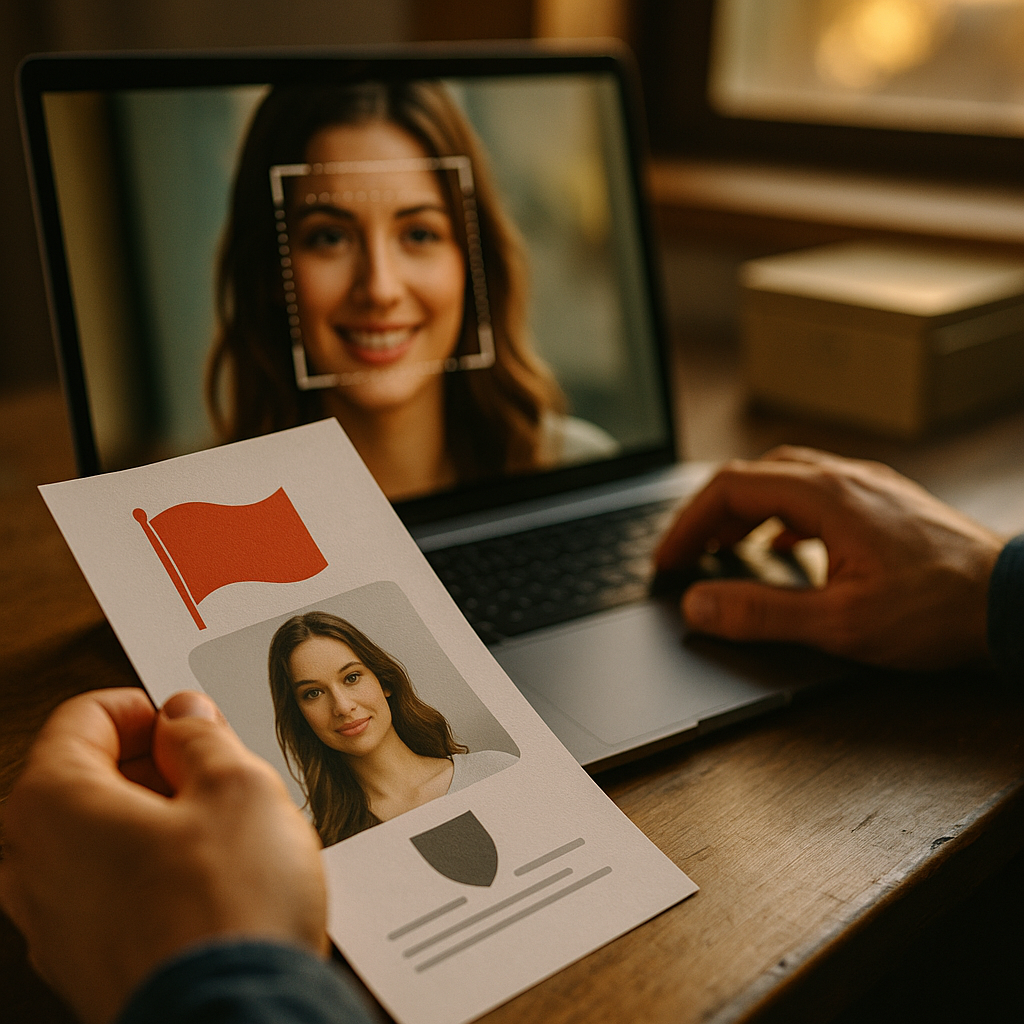
Sixty percent of marketers say they cannot reliably tell AI generated creator content from human shot footage without specialized tools, according to internal benchmarking cited across the Sprout Social influencer research community. If your brand safety team is still eyeballing videos for “that AI look,” you are already behind. The real question for 2026: can your detection stack scale faster than the generation tools it’s chasing?
Why This Problem Got Urgent, Fast
Two years ago, AI generated influencer content was a novelty, a few uncanny avatars pitching skincare on TikTok. Now it’s infrastructure. Tools like Synthesia, HeyGen, and Google’s Veo produce creator style video that passes casual inspection. Add voice cloning and synthetic B roll, and you have content that looks, sounds, and performs like a real creator post, minus the creator.
For brands, this isn’t an abstract ethics debate. It’s a budget allocation problem. If you’re paying creator rates for content that was partially or fully synthesized, you need to know, because disclosure requirements, usage rights, and even campaign performance benchmarks differ wildly between human shot and AI assisted work.
Detection at scale isn’t about catching every fake. It’s about building enough friction that undisclosed synthetic content becomes a liability for the creator, not just a risk for the brand.
What “Detection at Scale” Actually Means
Manual review works for a hundred pieces of content. It collapses at ten thousand. Scaled detection requires three layers working together:
- Automated classifiers that flag statistical artifacts in pixels, audio waveforms, and metadata consistent with generative models.
- Provenance tracking using standards like C2PA content credentials, which embed tamper evident origin data at the point of capture.
- Behavioral signals, meaning posting cadence, engagement patterns, and historical creator baselines that flag sudden stylistic shifts.
No single layer catches everything. Classifiers miss well laundered synthetic content. Provenance only works if the creator’s device and platform support it. Behavioral signals flag anomalies but can’t confirm cause. You need overlap, the same way fraud detection in fintech never relies on one model alone.
The Metadata Trail Still Matters Most
Despite the hype around neural detection models, the most reliable signal remains boring: metadata. Camera make and model, GPS data, compression artifacts consistent with real sensor capture, these are hard to fully fake without leaving traces. Adobe, Microsoft, and the Coalition for Content Provenance and Authenticity have pushed C2PA adoption specifically because cryptographic signing at capture is more durable than after the fact classification.
The catch? Adoption is uneven. Most creators still shoot on phones that don’t embed content credentials by default, and platforms strip metadata on upload anyway. This is why brands relying solely on provenance standards get a false sense of security. You need the classifier layer as a backstop, something our multimodal AI tagging coverage breaks down in more operational detail.
Where Current Detection Tools Fall Short
Let’s be honest about the state of the art. Detection accuracy on fully synthetic video sits somewhere between 85 and 95 percent in controlled lab conditions, according to benchmarks referenced by eMarketer coverage of synthetic media. In the wild, with compression, filters, and platform re-encoding, accuracy drops meaningfully. Partial AI content, where a human creator uses AI for voice touch up or background generation, is far harder to flag because the classifiers were trained on fully synthetic examples, not hybrid workflows.
This hybrid category is actually where most risk lives right now. A creator films themselves, then uses AI to clean up lighting, extend a background, or dub a line in a different language for localization. Is that AI generated content? Technically yes, partially. Does it need disclosure under FTC guidance? That’s murkier, and it’s exactly the gray zone brands get burned in.
The gray zone, not the fully synthetic influencer, is where most brand risk actually sits. Partial AI assistance is common, underdisclosed, and poorly covered by current detection tooling.
Building a Practical Vetting Workflow
Here’s what a defensible, scalable process looks like for a mid to large brand running creator programs across dozens or hundreds of partners:
- Pre-contract disclosure. Require creators to declare any AI tool use in content production as a contract clause, not a vague brand guideline. This shifts legal exposure and creates a paper trail.
- Intake screening. Run submitted content through a classifier layer (vendors like Reality Defender, Hive, or Sensity AI offer API access) before it enters your asset library.
- Metadata capture at upload. Where platforms allow it, preserve C2PA credentials instead of stripping them during your own CMS ingestion.
- Behavioral baselines. Track each creator’s historical posting patterns so sudden shifts in output volume or style trigger a manual review flag.
- Spot audits. Even with automation, sample a percentage of approved content monthly for human review. Automation drifts; audits catch drift.
This is the same logic applied to other creator ops risk categories. Our breakdown of creator ops compliance risk covers how automation without audit trails creates blind spots across an entire program, not just the content authenticity piece.
Why Contracts Need to Catch Up
Most influencer agreements still treat “content” as a monolithic deliverable. That’s outdated. Contracts need separate clauses for AI assisted editing, fully synthetic elements, and voice cloning, each with its own disclosure and usage rights implications. If a creator licenses a voice clone from an AI vendor, who owns that likeness long term? What happens if the voice model gets retrained? These aren’t hypotheticals, they’re already in dispute at several agencies. Our piece on how AI drafted creator contracts still need lawyer review covers this exact gap.
The ROI Case for Investing in Detection
Skeptical this is worth the operational overhead? Consider the downside math. The FTC has signaled increasing enforcement interest in undisclosed AI generated endorsements, treating them under the same material connection rules as paid sponsorships. A brand that unknowingly ran fully synthetic “testimonial” content without disclosure isn’t just facing a PR problem, it’s facing a regulatory one.
There’s also a trust dimension that’s harder to quantify but shows up in performance data anyway. Audiences report lower trust scores for content they later learn was AI generated without disclosure, even when they couldn’t detect it themselves at first viewing. That erosion compounds. One flagged creator can damage trust across an entire campaign roster if audiences start assuming the whole program is synthetic.
Detection tooling isn’t cheap at scale, enterprise API access to classifier platforms runs into five figures annually depending on volume. But compare that to the cost of a single regulatory inquiry, a creator contract dispute, or a viral “this was AI the whole time” callout post. The math favors prevention.
Where This Is Headed
Expect platform level detection to improve as TikTok, Meta, and YouTube face pressure to label synthetic content automatically, following patterns already seen with political ad disclosure requirements. Meta’s business tools have started testing AI content labels, and that infrastructure will likely extend to creator content more broadly over the next cycle.
For brands, the move is to stop treating detection as a one time vetting checkpoint and start treating it as continuous monitoring, the same way you’d monitor for brand safety violations or fraud. The tools that win will be the ones that integrate directly into existing creator management platforms rather than requiring a separate manual export and review workflow. That operational integration challenge is similar to what we’ve covered in on device AI vetting models, where speed and data privacy both matter as much as accuracy.
Frequently Asked Questions
Can detection tools reliably catch partially AI edited creator content?
Not consistently yet. Most classifiers are trained on fully synthetic examples, so hybrid content, where a human creator uses AI only for touch ups, voice cleanup, or background edits, often slips through. This is the highest risk gray zone for brands right now.
What is C2PA and does it actually stop fake influencer content?
C2PA, or Content Credentials, is a cryptographic standard that embeds origin data at the point of capture, showing whether an image or video came from a real camera sensor or a generative model. It helps significantly but only works when the capturing device and the distribution platform both support it, which isn’t yet universal.
Should brands require AI disclosure clauses in creator contracts?
Yes. Contracts that treat all content as equivalent, without separating fully synthetic, AI assisted, and fully human shot categories, leave brands exposed to both regulatory risk and disputes over usage rights and likeness ownership.
How much does enterprise level content detection typically cost?
Pricing varies by volume and vendor, but enterprise API access to classifier platforms for synthetic media detection commonly runs into five figures annually for brands running high volume creator programs.
Is AI generated creator content illegal if undisclosed?
It depends on jurisdiction and context, but the FTC has signaled that undisclosed AI generated endorsements can fall under the same material connection disclosure rules as traditional paid sponsorships, making non-disclosure a compliance risk rather than just an ethical gray area.
Next step: audit your current creator intake process this week. If content enters your asset library without passing through a classifier layer or metadata check, you have a gap that scales with every new partner you onboard.
Top Influencer Marketing Agencies
The leading agencies shaping influencer marketing in 2026
Agencies ranked by campaign performance, client diversity, platform expertise, proven ROI, industry recognition, and client satisfaction. Assessed through verified case studies, reviews, and industry consultations.
Moburst

-
2

The Shelf
Boutique Beauty & Lifestyle Influencer AgencyA data-driven boutique agency specializing exclusively in beauty, wellness, and lifestyle influencer campaigns on Instagram and TikTok. Best for brands already focused on the beauty/personal care space that need curated, aesthetic-driven content.Clients: Pepsi, The Honest Company, Hims, Elf Cosmetics, Pure LeafVisit The Shelf → -
3

Audiencly
Niche Gaming & Esports Influencer AgencyA specialized agency focused exclusively on gaming and esports creators on YouTube, Twitch, and TikTok. Ideal if your campaign is 100% gaming-focused — from game launches to hardware and esports events.Clients: Epic Games, NordVPN, Ubisoft, Wargaming, Tencent GamesVisit Audiencly → -
4

Viral Nation
Global Influencer Marketing & Talent AgencyA dual talent management and marketing agency with proprietary brand safety tools and a global creator network spanning nano-influencers to celebrities across all major platforms.Clients: Meta, Activision Blizzard, Energizer, Aston Martin, WalmartVisit Viral Nation → -
5

The Influencer Marketing Factory
TikTok, Instagram & YouTube CampaignsA full-service agency with strong TikTok expertise, offering end-to-end campaign management from influencer discovery through performance reporting with a focus on platform-native content.Clients: Google, Snapchat, Universal Music, Bumble, YelpVisit TIMF → -
6

NeoReach
Enterprise Analytics & Influencer CampaignsAn enterprise-focused agency combining managed campaigns with a powerful self-service data platform for influencer search, audience analytics, and attribution modeling.Clients: Amazon, Airbnb, Netflix, Honda, The New York TimesVisit NeoReach → -
7

Ubiquitous
Creator-First Marketing PlatformA tech-driven platform combining self-service tools with managed campaign options, emphasizing speed and scalability for brands managing multiple influencer relationships.Clients: Lyft, Disney, Target, American Eagle, NetflixVisit Ubiquitous → -
8

Obviously
Scalable Enterprise Influencer CampaignsA tech-enabled agency built for high-volume campaigns, coordinating hundreds of creators simultaneously with end-to-end logistics, content rights management, and product seeding.Clients: Google, Ulta Beauty, Converse, AmazonVisit Obviously →