


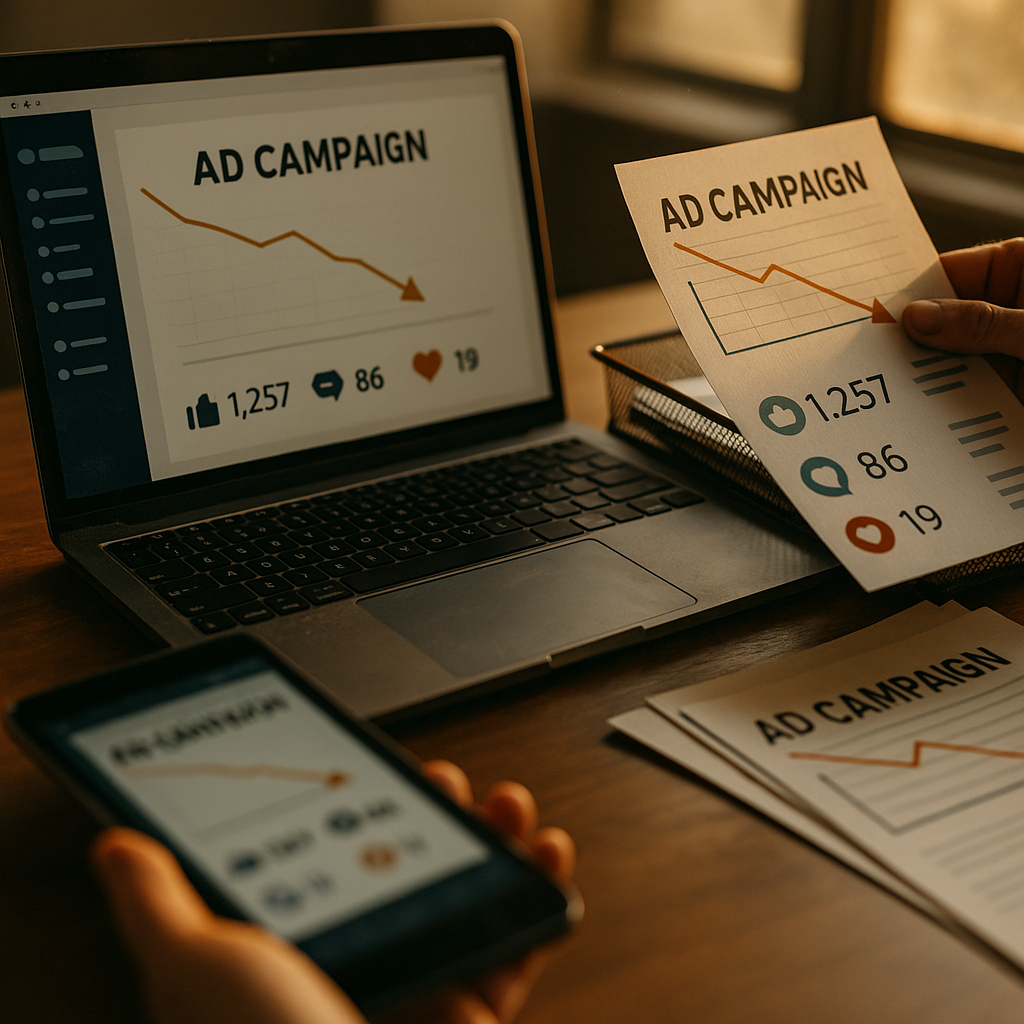
Organic Reach Is Shrinking. The Spend Required to Replace It Is Not Sustainable.
Established creators with millions of followers are now seeing organic impression rates drop 30–50% compared to two years ago, according to data tracked across Meta, TikTok, and YouTube. The discoverability crisis in creator content is real, it is accelerating, and brands that keep funding the same creation-heavy campaign model without rethinking distribution are quietly bleeding budget.
This is not a content quality problem. The content is often excellent. The problem is structural: platform algorithms have matured into closed monetization ecosystems that systematically deprioritize organic reach to push brands toward paid amplification. Knowing that dynamic exists is the first step. Building a campaign architecture that works around it is the job.
Why Algorithms Stopped Working for You
The interest-graph shift changed everything. Platforms like TikTok and Instagram no longer distribute content primarily to a creator’s existing followers. They run every post through an engagement-velocity test on a cold audience slice, and if it does not clear the threshold within the first hour or two, distribution is throttled. For a creator who built their audience on consistent posting cadence, this model punishes even minor dips in hook performance. For a branded integration post, which almost always underperforms organic content in that first-hour test, the ceiling is structurally lower from the moment of publication.
Meta’s own advertising data confirms that organic reach on Facebook Pages has been in long-term decline, hovering near 2–5% of total page followers for most business and creator accounts. Meta’s business tools have evolved precisely to monetize that gap. TikTok’s algorithm is more generous with cold discovery, but branded content labels suppress distribution further, a fact TikTok acknowledges in its own TikTok for Business documentation. YouTube’s recommended feed is increasingly weighted toward watch-time signals that longer-form brand integrations struggle to generate. Every platform has a version of this problem.
The algorithm is not broken. It is working exactly as designed — to monetize the distribution gap between what organic reach used to deliver and what brands now have to pay to replace it.
For a deeper look at how algorithmic reach and creator discoverability interact at the campaign level, the framing in creator discoverability and distribution ROI is worth reviewing before building your next brief.
The Budget Allocation Error Most Brands Are Still Making
The average influencer campaign still allocates 70–80% of its budget to creator fees and content production, leaving 20–30% for distribution and amplification. That ratio made sense when organic reach was robust. It no longer does. The uncomfortable math: a creator charging $50,000 for a single sponsored post may generate 200,000 organic impressions on a good day. A $10,000 paid amplification spend behind that same post, properly targeted, can generate 800,000 to 1.2 million additional impressions at CPMs that undercut most traditional digital display. The content cost is fixed. The distribution leverage is variable and scalable.
Brands are overspending on creation and underspending on distribution. This is not a new observation, but the gap between knowing it and acting on it remains wide. The operational piece is harder than the insight: it requires restructuring agency scopes, renegotiating creator contracts to secure usage rights for paid amplification, and building an internal approval workflow fast enough to boost content within the critical 24–48 hour post-publication window.
If you want the full budget reallocation argument, the breakdown on why brands underspend on distribution lays out the specific reallocation model with numbers.
Distribution-First Campaign Architecture: What It Actually Looks Like
Distribution-first is not “boost everything.” It is a pre-planned amplification strategy that treats distribution as a campaign input, not an afterthought. Here is what the architecture requires:
- Usage rights secured at contract stage. You cannot amplify creator content as a paid ad without whitelisting rights. Negotiate these before signing, not after the post goes live. This also affects rate negotiations, so factor it into your creator procurement process from the start.
- Platform-native format variants. One piece of hero content should produce 3–5 format variants optimized for different placement types: feed, Stories, Reels, Shorts, pre-roll. Each format serves a different distribution channel with different algorithm behavior.
- Clipping and derivative content layers. Long-form creator content (YouTube videos, podcasts, livestreams) should be systematically clipped into short-form assets for cross-platform distribution. Clipping networks have matured enough to handle this at programmatic scale, dramatically reducing the cost-per-additional-impression from existing content assets.
- Paid amplification windows mapped to content lifecycle. Most content earns 60–70% of its total organic reach within 48 hours of publication. Paid amplification should front-load into that same window to compound the algorithm’s own momentum, not rescue underperforming posts three days later.
- UGD (user-generated distribution) as a force multiplier. Encouraging and incentivizing audience resharing, remixing, and clipping of brand-adjacent content extends reach without proportional spend increases. UGD networks consistently beat paid CPMs for reach efficiency when structured correctly.
Nano and Micro Creators as Distribution Infrastructure
Here is something most brand teams underweight: a coordinated network of nano and micro creators can outperform a single mega-creator on total organic reach, at a fraction of the cost, because the interest-graph algorithm rewards niche relevance over raw follower count. A beauty brand running 40 nano creators across specific skincare interest communities will see higher aggregate engagement rates and more algorithm-friendly first-hour velocity than a single post from a 5-million-follower generalist.
This is not speculation. Nano creators and interest-graph algorithms produce measurably better distribution outcomes within tightly defined audience segments. The operational challenge is management at scale, which is where creator management platforms like Grin, CreatorIQ, and Aspire become critical infrastructure rather than optional tools.
The tradeoff is real: managing 40 creator relationships requires more coordination than managing one. But the discoverability math increasingly favors breadth over depth, particularly on TikTok and Instagram where the algorithm actively seeks to match content to new interest clusters.
AI Search Is Changing the Discoverability Equation, Too
Algorithmic feed suppression is the immediate problem. But there is a second discoverability layer that brands are just beginning to grapple with: AI-powered search. As tools like Google‘s AI Overviews and other generative search interfaces reshape how users discover content and products, creator content that is not structured for retrieval by AI systems will be invisible in that channel entirely.
This means campaign architecture increasingly needs to account for content discoverability in both algorithmic feed environments and AI search environments simultaneously. These are different optimization problems. Feed algorithms reward velocity and engagement signals. AI search rewards structured, authoritative, semantically clear content. Creator briefs and distribution strategies need to address both.
Brands that plan for feed distribution only are building for half the discoverability surface. AI-driven search is already a meaningful traffic source for product discovery, and creator content that ignores it is leaving reach on the table.
The broader implications for content strategy are covered in how AI search is reshaping creator content strategy, and they are worth integrating into your distribution planning now.
Measurement Has to Change, Too
A distribution-first architecture requires a measurement framework that tracks reach and impressions across the full distribution stack, not just the creator’s native post analytics. That means unified reporting across organic performance, paid amplification, clipped derivative content, UGD reshares, and AI search-driven referral traffic. Most brand teams are measuring these in separate dashboards, which makes it impossible to see the compounded reach or optimize the distribution mix intelligently.
Tools like Sprout Social and HubSpot‘s social reporting suite have made cross-channel attribution more accessible, but the real gap is in connecting creator content performance data with paid amplification outcomes in a single reporting view. This is where investing in a creator marketing platform with native paid integration (CreatorIQ’s paid amplification module, for example) pays for itself in optimization speed.
Start by auditing your current campaign’s distribution cost-per-impression across organic, paid, and derivative channels. The benchmark should inform every future budget allocation decision, not instinct or historical precedent.
The Concrete Next Step
Before your next campaign launches, rewrite the distribution plan before you finalize the content plan. Map every asset to a distribution channel, confirm usage rights are in the contract, and set a paid amplification budget at minimum equal to 40% of creator fees. That single ratio shift will deliver more incremental reach than any content optimization you can make.
Frequently Asked Questions
Why is organic reach declining even for large, established creators?
Platform algorithms now prioritize content that passes an engagement-velocity test within the first one to two hours of publication. Branded integrations typically underperform organic content in this test, causing distribution to be throttled regardless of the creator’s follower count. Additionally, platforms like Meta have structurally reduced organic reach to drive paid amplification revenue, a trend documented across Facebook, Instagram, and TikTok.
What is a distribution-first campaign architecture?
It is a campaign structure where distribution planning precedes or is developed simultaneously with content production. This includes pre-negotiating usage rights for paid amplification, mapping content assets to platform-specific format variants, scheduling paid boosts within the first 48 hours of publication, and integrating clipping networks and UGD (user-generated distribution) strategies to extend reach without proportional paid spend increases.
How much budget should brands allocate to distribution versus content creation?
Current best practice suggests allocating at minimum 40% of creator fees to paid amplification and distribution. The legacy model of 70–80% creation and 20–30% distribution no longer reflects the organic reach environment. The exact ratio depends on campaign objectives and platform mix, but brands consistently see better cost-per-impression outcomes by shifting budget toward distribution rather than incrementally increasing creator fees.
Can nano and micro creators solve the discoverability problem?
Partially, yes. Networks of nano and micro creators benefit from the interest-graph algorithm’s preference for niche relevance, which generates stronger first-hour engagement velocity than mega-creator posts in many categories. However, they require more operational management and work best when combined with paid amplification and UGD strategies rather than relied upon as a standalone reach solution.
How does AI search affect creator content discoverability?
AI-powered search interfaces like Google’s AI Overviews surface content based on semantic relevance and authority signals, which are different from feed algorithm engagement signals. Creator content that is not structured for retrieval in AI search environments will be invisible in that growing discovery channel. Brands need distribution strategies that account for both algorithmic feed distribution and AI search discoverability simultaneously.
Top Influencer Marketing Agencies
The leading agencies shaping influencer marketing in 2026
Agencies ranked by campaign performance, client diversity, platform expertise, proven ROI, industry recognition, and client satisfaction. Assessed through verified case studies, reviews, and industry consultations.
Moburst

-
2

The Shelf
Boutique Beauty & Lifestyle Influencer AgencyA data-driven boutique agency specializing exclusively in beauty, wellness, and lifestyle influencer campaigns on Instagram and TikTok. Best for brands already focused on the beauty/personal care space that need curated, aesthetic-driven content.Clients: Pepsi, The Honest Company, Hims, Elf Cosmetics, Pure LeafVisit The Shelf → -
3

Audiencly
Niche Gaming & Esports Influencer AgencyA specialized agency focused exclusively on gaming and esports creators on YouTube, Twitch, and TikTok. Ideal if your campaign is 100% gaming-focused — from game launches to hardware and esports events.Clients: Epic Games, NordVPN, Ubisoft, Wargaming, Tencent GamesVisit Audiencly → -
4

Viral Nation
Global Influencer Marketing & Talent AgencyA dual talent management and marketing agency with proprietary brand safety tools and a global creator network spanning nano-influencers to celebrities across all major platforms.Clients: Meta, Activision Blizzard, Energizer, Aston Martin, WalmartVisit Viral Nation → -
5

The Influencer Marketing Factory
TikTok, Instagram & YouTube CampaignsA full-service agency with strong TikTok expertise, offering end-to-end campaign management from influencer discovery through performance reporting with a focus on platform-native content.Clients: Google, Snapchat, Universal Music, Bumble, YelpVisit TIMF → -
6

NeoReach
Enterprise Analytics & Influencer CampaignsAn enterprise-focused agency combining managed campaigns with a powerful self-service data platform for influencer search, audience analytics, and attribution modeling.Clients: Amazon, Airbnb, Netflix, Honda, The New York TimesVisit NeoReach → -
7

Ubiquitous
Creator-First Marketing PlatformA tech-driven platform combining self-service tools with managed campaign options, emphasizing speed and scalability for brands managing multiple influencer relationships.Clients: Lyft, Disney, Target, American Eagle, NetflixVisit Ubiquitous → -
8

Obviously
Scalable Enterprise Influencer CampaignsA tech-enabled agency built for high-volume campaigns, coordinating hundreds of creators simultaneously with end-to-end logistics, content rights management, and product seeding.Clients: Google, Ulta Beauty, Converse, AmazonVisit Obviously →