


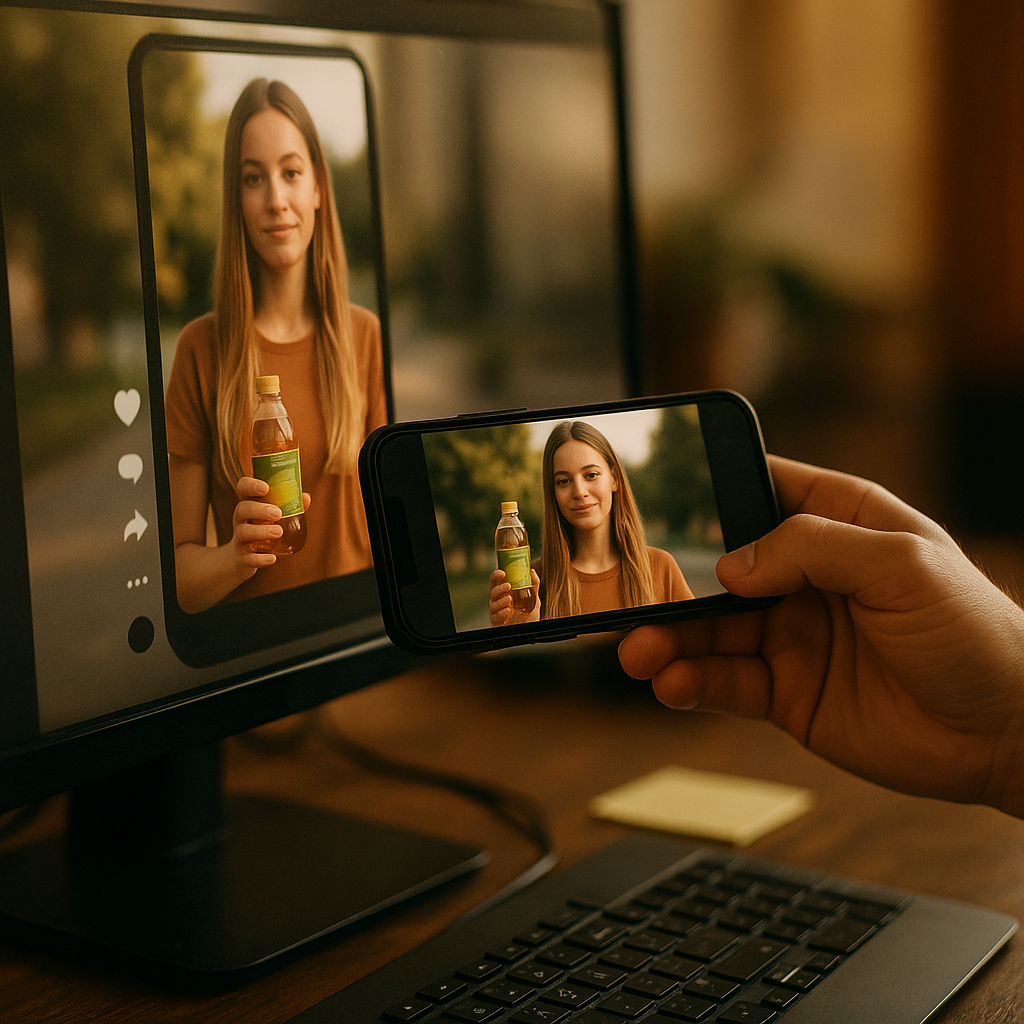
Roughly 71% of marketers say proving influencer ROI is their biggest campaign challenge, according to eMarketer research. Yet most brands still sign creator deals before they’ve tested a single piece of creative. A distribution-first platform flips that sequence: post the content, measure the audience response, then decide who gets paid. It sounds obvious once you say it out loud. So why has the industry done it backwards for a decade?
The Old Model Was Built for Scarcity, Not Speed
Creator marketing inherited its structure from celebrity endorsement deals. You negotiate a fee, sign a contract, brief the talent, and pray the content performs. That workflow made sense when reach was scarce and creators were gatekeepers to audiences brands couldn’t otherwise access. It makes far less sense now, when a brand can post directly into native app feeds and get real signal within hours.
The scarcity model also front-loads risk. You’re paying for a creator’s reputation and audience size before you know if the specific piece of content will resonate. Anyone who has run a $15,000 campaign that flopped because the hook didn’t land in the first three seconds knows this pain intimately. The creative was the variable that mattered most, and it was the one thing nobody tested before money changed hands.
Distribution-first platforms treat creative testing as a pre-negotiation step, not a post-mortem exercise — which means brands stop paying to find out what doesn’t work.
What “Distribution-First” Actually Means
Platforms like TokPortal separate two things that traditional creator deals bundle together: content production and content distribution. Instead of hiring a creator, briefing them, and hoping the final asset performs, brands can push variations of native-style content directly into app placements, measure engagement and conversion signals, and only then decide which creative — and which creator relationship — is worth scaling.
This isn’t influencer marketing in the traditional sense. It’s closer to programmatic testing borrowed from performance advertising, applied to creator-style content. The creative might feature a real creator, a UGC actor, or an in-house team mimicking creator aesthetics. What matters is that it looks and feels native to the platform, and that the brand can iterate fast without a fresh negotiation every time.
For a deeper comparison of how this model stacks up against paying creators upfront, see this testing framework comparison, which breaks down cost-per-learning versus cost-per-post economics.
Why Brands Are Making the Switch Now
Three things converged to make this shift practical rather than theoretical.
- Native ad infrastructure matured. Platforms now support in-feed placements that look indistinguishable from organic creator content, which means test creative doesn’t feel like an ad unit bolted onto a testing tool.
- Attribution got harder, not easier. With iOS privacy changes and cookie deprecation, brands need faster, cheaper signal loops. Waiting six weeks for a creator campaign to prove itself is a luxury fewer teams can afford.
- Creator fees kept climbing. Mid-tier creators on TikTok and Instagram are commanding rates that would have seemed absurd three years ago. Nobody wants to pay premium rates for an unproven hook.
The result is a budget allocation shift: spend a small, controlled amount on creative testing infrastructure, then commit the larger dollars to creators once you know which angle, pacing, and format actually convert. This mirrors the logic in real-time A/B testing infrastructure for native in-app creative, where speed of iteration matters more than the polish of any single asset.
The ROI Math Brands Are Actually Running
Here’s the practical calculation marketing leads are making. A traditional creator deal might run $5,000 to $25,000 depending on tier, with a single piece of content and no guarantee of performance. A distribution-first testing cycle might cost a fraction of that per variant, allow ten or fifteen creative concepts to run simultaneously, and surface a winner in days rather than weeks.
That’s not a marginal efficiency gain. It’s a different risk posture entirely. Instead of betting the full budget on one creator’s instincts, brands are betting small amounts across many creative hypotheses, then scaling the ones with data behind them. It’s the same logic that reshaped paid social buying a decade ago, now applied to creator-style content.
The buy-versus-build question also matters here. Some brands assume they need custom infrastructure to run this kind of testing, but the ROI math on native app posting tools tells a different story — most teams are better off buying access to distribution infrastructure than building it internally. The buy vs build ROI breakdown is worth reading before any internal build proposal gets greenlit.
Where This Model Still Has Gaps
It’s not a free lunch. A few honest caveats worth flagging before you pitch this internally:
- Relationship equity still matters. A creator with genuine audience trust brings something a test-and-learn workflow can’t fully replicate — long-term brand affinity built over dozens of authentic mentions.
- Disclosure and compliance don’t disappear. Whether content is creator-made or brand-made in a creator style, FTC endorsement guidelines still apply if there’s any implied endorsement. Legal teams need to weigh in early, not after a variant goes viral.
- Attribution still needs rigor. Testing volume doesn’t help if you can’t tie engagement back to actual conversion. This is where server-side identity resolution becomes relevant — cheap testing is worthless without clean measurement underneath it.
Platforms racing to automate creator discovery and outreach, like the ones covered in this look at automated influencer platforms, are solving an adjacent but different problem: finding the right creator faster. Distribution-first testing solves for finding the right creative faster. Increasingly, brands need both.
How This Changes the Brief-to-Budget Workflow
The operational shift is bigger than most teams expect. Traditional workflows go: brief, negotiate, produce, post, measure. Distribution-first workflows go: hypothesize, produce cheaply, test, measure, then negotiate. That reordering has ripple effects across the entire martech stack.
Marketing ops teams now need creative brief generation that’s fast enough to keep pace with testing cycles — waiting a week for a brief while paying for platform placements defeats the purpose. Tools built for rapid brief creation, like those examined in this review of AI content brief generators, are becoming part of the same workflow stack as distribution testing platforms.
Budget approval processes need to adapt too. Finance teams accustomed to approving a single $20,000 creator contract now need frameworks for approving smaller, recurring testing spend that scales unpredictably based on what wins. This is less a technology problem than a process one — and it’s exactly the kind of friction covered in broader martech stack rationalization conversations happening across marketing orgs right now.
The brands winning with this model aren’t the ones with the biggest testing budgets — they’re the ones who rebuilt their approval workflows to move at the speed of the data.
What Good Creative Testing Discipline Looks Like
Not every brand running distribution-first tests is doing it well. The teams getting real value tend to follow a few consistent practices:
- Test one variable at a time — hook, pacing, or CTA — rather than changing everything at once and guessing why a variant won.
- Set a minimum sample size or spend threshold before declaring a winner, to avoid chasing statistical noise.
- Feed results back into creator briefs, so the creators eventually hired are working from evidence, not opinion.
- Track fatigue signals on winning creative, since even proven hooks degrade over time. This is where creative fatigue detection tools earn their keep.
None of this replaces creative judgment. It just delays the expensive commitment until judgment has data behind it. According to Sprout Social’s ongoing research into social content performance, hook variation alone can swing engagement rates by double digits — which is exactly the kind of variable cheap testing is built to isolate.
Is This Right for Every Brand?
Not necessarily. Enterprise brands with strict brand safety requirements and long creator vetting cycles may find the speed of distribution-first testing at odds with their compliance workflows. Smaller DTC brands and performance-driven marketers, on the other hand, are the ones adopting this fastest, because their tolerance for iteration is higher and their creator budgets are tighter.
The honest answer: this model works best as a layer on top of existing creator relationships, not a replacement for them. Test the concept cheaply, then bring your best-performing creators in to execute the validated idea with their authentic voice. That’s a very different pitch to a creator than “we want to test your content before we pay you,” and framing matters enormously for relationship management.
FAQs
Frequently Asked Questions
What does “distribution-first” mean in influencer marketing?
It means testing creative through paid or native app distribution before committing to a full creator contract, so brands validate performance with real audience data first.
How is TokPortal different from a traditional influencer platform?
Traditional platforms focus on creator discovery and outreach. Distribution-first platforms focus on pushing creative into native placements and measuring performance before any creator deal is finalized.
Does this reduce the need for creator relationships?
No. It changes the sequence, not the necessity. Brands still benefit from long-term creator partnerships; testing simply informs which creative concepts and creators are worth investing in.
What are the compliance risks with this approach?
Endorsement disclosure rules still apply if content implies a creator relationship. Brands should involve legal review early, particularly when testing creator-style content that wasn’t produced by an actual creator.
How much can brands save using creative testing before creator deals?
Savings vary by category, but the core benefit isn’t just cost, it’s risk reduction: brands avoid committing full creator budgets to unproven concepts, shifting spend toward validated winners instead.
Visible FAQ (HTML)
Frequently Asked Questions
What does “distribution-first” mean in influencer marketing?
It means testing creative through paid or native app distribution before committing to a full creator contract, so brands validate performance with real audience data first.
How is TokPortal different from a traditional influencer platform?
Traditional platforms focus on creator discovery and outreach. Distribution-first platforms focus on pushing creative into native placements and measuring performance before any creator deal is finalized.
Does this reduce the need for creator relationships?
No. It changes the sequence, not the necessity. Brands still benefit from long-term creator partnerships; testing simply informs which creative concepts and creators are worth investing in.
What are the compliance risks with this approach?
Endorsement disclosure rules still apply if content implies a creator relationship. Brands should involve legal review early, particularly when testing creator-style content that wasn’t produced by an actual creator.
How much can brands save using creative testing before creator deals?
Savings vary by category, but the core benefit isn’t just cost, it’s risk reduction: brands avoid committing full creator budgets to unproven concepts, shifting spend toward validated winners instead.
The next campaign brief you write should include a testing budget line separate from creator fees — even a small one. Validate the hook before you validate the talent, and let the data decide who gets the bigger check.
Top Influencer Marketing Agencies
The leading agencies shaping influencer marketing in 2026
Agencies ranked by campaign performance, client diversity, platform expertise, proven ROI, industry recognition, and client satisfaction. Assessed through verified case studies, reviews, and industry consultations.
Moburst

-
2

The Shelf
Boutique Beauty & Lifestyle Influencer AgencyA data-driven boutique agency specializing exclusively in beauty, wellness, and lifestyle influencer campaigns on Instagram and TikTok. Best for brands already focused on the beauty/personal care space that need curated, aesthetic-driven content.Clients: Pepsi, The Honest Company, Hims, Elf Cosmetics, Pure LeafVisit The Shelf → -
3

Audiencly
Niche Gaming & Esports Influencer AgencyA specialized agency focused exclusively on gaming and esports creators on YouTube, Twitch, and TikTok. Ideal if your campaign is 100% gaming-focused — from game launches to hardware and esports events.Clients: Epic Games, NordVPN, Ubisoft, Wargaming, Tencent GamesVisit Audiencly → -
4

Viral Nation
Global Influencer Marketing & Talent AgencyA dual talent management and marketing agency with proprietary brand safety tools and a global creator network spanning nano-influencers to celebrities across all major platforms.Clients: Meta, Activision Blizzard, Energizer, Aston Martin, WalmartVisit Viral Nation → -
5

The Influencer Marketing Factory
TikTok, Instagram & YouTube CampaignsA full-service agency with strong TikTok expertise, offering end-to-end campaign management from influencer discovery through performance reporting with a focus on platform-native content.Clients: Google, Snapchat, Universal Music, Bumble, YelpVisit TIMF → -
6

NeoReach
Enterprise Analytics & Influencer CampaignsAn enterprise-focused agency combining managed campaigns with a powerful self-service data platform for influencer search, audience analytics, and attribution modeling.Clients: Amazon, Airbnb, Netflix, Honda, The New York TimesVisit NeoReach → -
7

Ubiquitous
Creator-First Marketing PlatformA tech-driven platform combining self-service tools with managed campaign options, emphasizing speed and scalability for brands managing multiple influencer relationships.Clients: Lyft, Disney, Target, American Eagle, NetflixVisit Ubiquitous → -
8

Obviously
Scalable Enterprise Influencer CampaignsA tech-enabled agency built for high-volume campaigns, coordinating hundreds of creators simultaneously with end-to-end logistics, content rights management, and product seeding.Clients: Google, Ulta Beauty, Converse, AmazonVisit Obviously →