


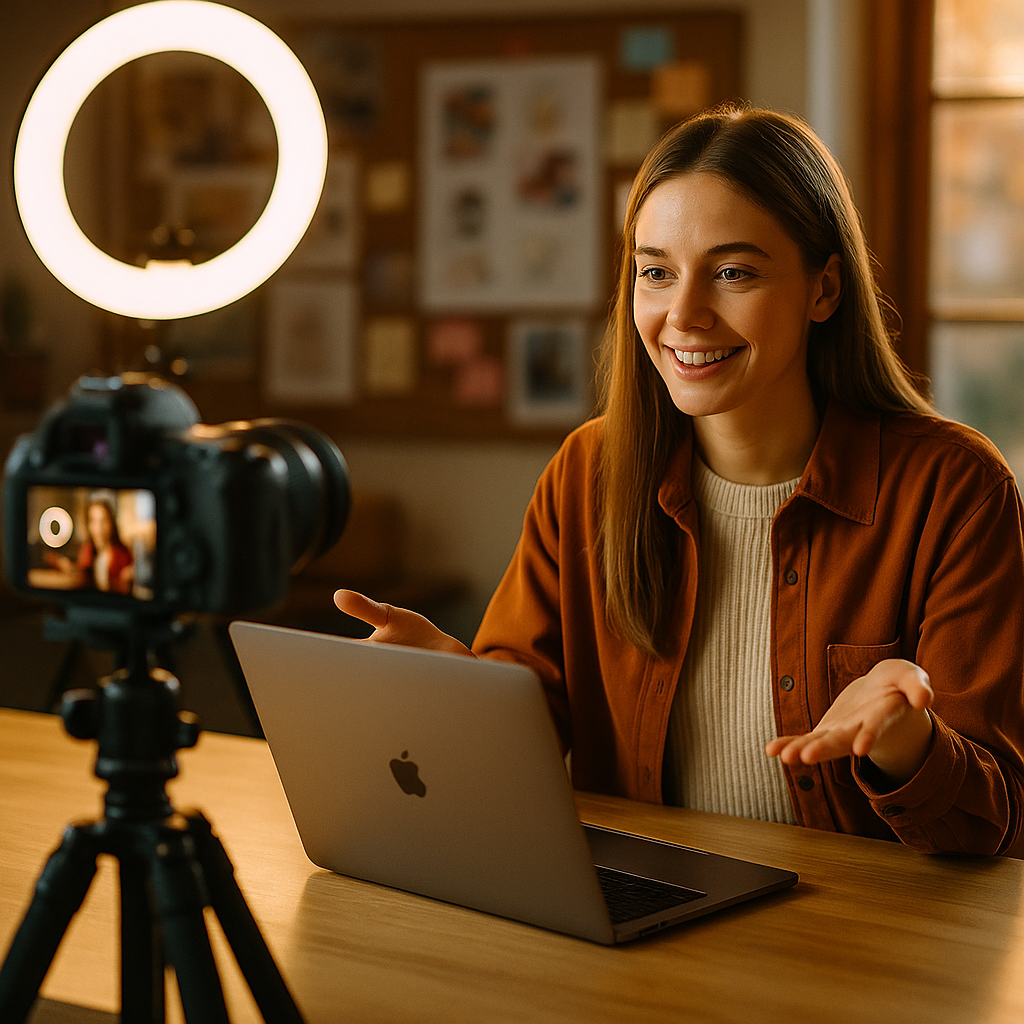
The rise of the Creator-in-Residence program signals a transformative shift in brand marketing, allowing influencers to embed deeply within company culture and strategy. This innovative approach drives authentic content, fosters trust with customers, and delivers measurable ROI. But what are the unique advantages—and crucial considerations—of making creators a core part of your brand team in 2025?
What Is a Creator-in-Residence Program? Defining the Brand-Influencer Partnership
In a Creator-in-Residence program, brands partner with select influencers not just for one-off campaigns but as integrated members of the brand team. Unlike standard influencer collaborations or ambassadorships, creators-in-residence work closely with internal teams, participate in strategy sessions, and contribute to content ideation and development on a long-term basis.
This strategy goes far beyond transactional content. According to a 2024 Sprout Social report, long-term partnerships between creators and brands yield a 32% higher engagement rate than single sponsored posts. By embedding creators into the organizational fabric, brands ensure consistent messaging and benefit from the influencer’s authenticity and creative insights.
Brands such as Nike, Fenty Beauty, and emerging tech companies have embraced this model, citing not only improved content performance but also deeper consumer trust and increased innovation in their campaigns.
The Benefits of Embedding Influencers: How Creator-in-Residence Supercharges Brand Engagement
Integrating influencers through a Creator-in-Residence program unlocks tangible benefits for brand growth and audience connection. The long-term nature of these partnerships leads to:
- Deeper brand integration: Resident creators understand and embody company values, making content more genuine and impactful.
- Authenticity and trust: According to Edelman’s Trust Barometer 2025, 68% of consumers say they trust recommendations from creators who have an ongoing, visible relationship with brands over one-time endorsements.
- Content agility: With a creator on board, brands can quickly respond to trends, launching timely campaigns without lengthy onboarding.
- Audience expansion: Creators bring their established, loyal audiences into the brand community, compounding organic reach.
- Measurable ROI: Consistent collaboration enables brands to analyze and optimize influencer-driven campaigns, leading to a higher marketing return.
As creator-driven strategies redefine social influence, brands that embed influencers see sustained engagement and a loyal customer base that feels truly seen.
Structuring a Successful Creator-in-Residence Program: Best Practices for Brands
Launching an effective Creator-in-Residence program requires careful planning, transparent communication, and a commitment to mutual growth. Here’s how to structure a residency that delivers value for both creators and your brand:
- Define clear objectives and roles: Outline the creator’s scope—from content creation to participation in product development or real-time campaigns. Set KPIs such as engagement rates, conversion metrics, and qualitative measures like brand sentiment.
- Prioritize cultural fit: Select creators whose values, style, and audience align closely with the brand. Invite candidates to interact with your team to assess chemistry before formal engagement.
- Offer creative autonomy: Empower creators to express their unique voice while ensuring brand guidelines are respected. Freedom fosters innovative and authentic content.
- Provide resources and support: Equip resident creators with exclusive access to products, insider information, and production tools to produce high-quality, behind-the-scenes or exclusive content.
- Maintain open communication: Regular meetings, feedback loops, and cross-team collaboration strengthen the bond and ensure objectives are consistently met.
- Flexible compensation: Combine retainer fees, performance-based incentives, and experiential perks such as event invitations, skill development opportunities, or profit-sharing models.
A well-structured Creator-in-Residence program not only amplifies your brand’s voice but also attracts innovative creators eager for meaningful partnerships beyond single campaigns.
Case Studies: Leading Brands with Successful Creator-in-Residence Strategies
Real-world examples underscore how Creator-in-Residence programs elevate brands and creators alike. Consider the following recent successes:
- Fenty Beauty’s Residency Model: Fenty Beauty embedded diverse beauty creators into its product teams to co-create new shades and marketing content. The initiative led to a notable 45% jump in social engagement rates and made product launches more inclusive, directly informed by creator feedback and audience data.
- Nike’s Athlete Creators: Nike invited select athlete creators to join cross-functional development teams, producing authentic training content and real-time product insights, resulting in higher conversion and a fresher brand narrative that resonated on platforms like TikTok and Instagram.
- Tech Startups and Micro-Creators: In 2025, several emerging tech brands launched Creator-in-Residence programs with niche influencers, sparking viral product demos and outperforming traditional advertising in customer acquisition cost.
These cases show that successful residency programs are adaptable—scaling from global launches to niche brand-building, always with transparency and a shared vision.
Measuring Success: Analyzing the Impact of Creator-in-Residence Programs
For a Creator-in-Residence program to justify investment, brands must establish precise methods for measuring both tangible and intangible impacts. Critical metrics and approaches include:
- Engagement and reach: Monitor likes, shares, comments, and reach across all creator-produced content, benchmarking against previous campaigns.
- Brand sentiment: Use social listening tools to gauge shifts in audience perception and brand trust over the duration of the residency.
- Sales and conversions: Track creator-influenced purchase journeys, using affiliate links, UTM codes, or first-party data to attribute conversions accurately.
- Content performance: Evaluate the longevity and shareability of creator content compared to standard marketing assets.
- Internal feedback: Solicit input from marketing, product, and leadership teams to assess how the residency influences creativity, innovation, and team morale.
According to HubSpot’s 2025 Influencer Report, brands running long-term creator programs see average revenue lifts of 18% compared to those running only short-lived campaigns. Careful measurement ensures your Creator-in-Residence program continues to evolve and deliver optimal value.
Common Pitfalls—and How to Avoid Them in Your Creator-in-Residence Initiative
While Creator-in-Residence programs offer immense upside, they also require careful navigation. Common mistakes brands should avoid include:
- Over-scripted content: Don’t stifle creativity by dictating every detail. Balance guidelines with autonomy to keep content fresh and engaging.
- Poor alignment: Selecting creators purely for reach rather than shared values can lead to mismatched messaging and audience disinterest.
- Lack of internal integration: Failing to involve relevant departments or siloing the creator can limit impact and lead to missed opportunities.
- Insufficient measurement: Not setting clear KPIs or tracking results can make it hard to demonstrate ROI and course-correct as needed.
Careful planning, open communication, and mutual respect are vital to preventing these pitfalls and making your Creator-in-Residence program a sustainable, mutually beneficial partnership.
FAQs: Everything You Need to Know About Creator-in-Residence Programs
-
What differentiates a Creator-in-Residence program from influencer marketing?
A Creator-in-Residence program embeds influencers into your brand’s culture and operations. Unlike short-term influencer campaigns, these creators participate in strategy and produce ongoing, long-form, and platform-specific content. -
How do brands find the right resident creator?
Brands should search for creators whose content style, values, and audience overlap with their mission. Vetting involves social listening, content analysis, and mutual meetings to ensure chemistry and alignment. -
What is the ideal duration for a Creator-in-Residence agreement?
Residencies typically last from six months to two years, allowing enough time for content development, integration, and measurable impact without risking burnout or stagnation. -
Are Creator-in-Residence programs only for large brands?
No. Startups, DTC brands, and even nonprofits benefit by partnering with niche or micro-influencers, tailoring the residency scope and compensation structure as appropriate. -
What legal considerations are important?
Brands should formalize residency agreements with NDAs, IP clauses, clear deliverables, and mutual exit options to protect both parties’ interests and ensure compliance.
Integrating influencers through a Creator-in-Residence program in 2025 redefines brand marketing—fostering authentic connections, inspiring innovation, and driving measurable ROI. Early adopters who center creators in their strategy will lead with trust, creativity, and sustained audience growth in an ever-evolving digital landscape.
Top Influencer Marketing Agencies
The leading agencies shaping influencer marketing in 2026
Agencies ranked by campaign performance, client diversity, platform expertise, proven ROI, industry recognition, and client satisfaction. Assessed through verified case studies, reviews, and industry consultations.
Moburst

-
2

The Shelf
Boutique Beauty & Lifestyle Influencer AgencyA data-driven boutique agency specializing exclusively in beauty, wellness, and lifestyle influencer campaigns on Instagram and TikTok. Best for brands already focused on the beauty/personal care space that need curated, aesthetic-driven content.Clients: Pepsi, The Honest Company, Hims, Elf Cosmetics, Pure LeafVisit The Shelf → -
3

Audiencly
Niche Gaming & Esports Influencer AgencyA specialized agency focused exclusively on gaming and esports creators on YouTube, Twitch, and TikTok. Ideal if your campaign is 100% gaming-focused — from game launches to hardware and esports events.Clients: Epic Games, NordVPN, Ubisoft, Wargaming, Tencent GamesVisit Audiencly → -
4

Viral Nation
Global Influencer Marketing & Talent AgencyA dual talent management and marketing agency with proprietary brand safety tools and a global creator network spanning nano-influencers to celebrities across all major platforms.Clients: Meta, Activision Blizzard, Energizer, Aston Martin, WalmartVisit Viral Nation → -
5

The Influencer Marketing Factory
TikTok, Instagram & YouTube CampaignsA full-service agency with strong TikTok expertise, offering end-to-end campaign management from influencer discovery through performance reporting with a focus on platform-native content.Clients: Google, Snapchat, Universal Music, Bumble, YelpVisit TIMF → -
6

NeoReach
Enterprise Analytics & Influencer CampaignsAn enterprise-focused agency combining managed campaigns with a powerful self-service data platform for influencer search, audience analytics, and attribution modeling.Clients: Amazon, Airbnb, Netflix, Honda, The New York TimesVisit NeoReach → -
7

Ubiquitous
Creator-First Marketing PlatformA tech-driven platform combining self-service tools with managed campaign options, emphasizing speed and scalability for brands managing multiple influencer relationships.Clients: Lyft, Disney, Target, American Eagle, NetflixVisit Ubiquitous → -
8

Obviously
Scalable Enterprise Influencer CampaignsA tech-enabled agency built for high-volume campaigns, coordinating hundreds of creators simultaneously with end-to-end logistics, content rights management, and product seeding.Clients: Google, Ulta Beauty, Converse, AmazonVisit Obviously →