


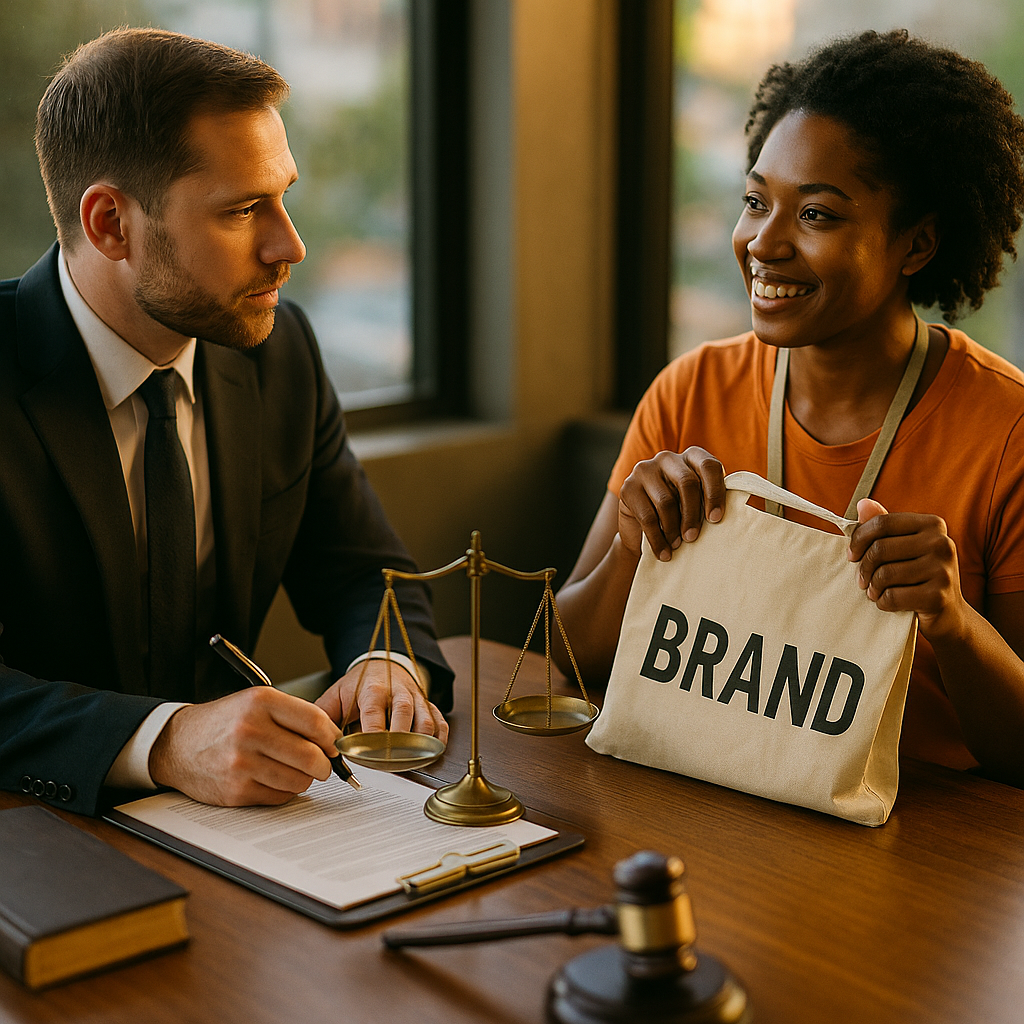
Employment law considerations for full-time brand ambassadors are more complex in 2025 as new workplace trends reshape the marketing landscape. Understanding employment classification, contracts, benefits, and compliance requirements is essential for brands and ambassadors alike. If you’re hiring or working as a full-time brand ambassador, discover the legal essentials to ensure a healthy, compliant working relationship.
Employment Classification and Brand Ambassador Roles
Properly classifying a full-time brand ambassador is a crucial first step. According to employment law, classification determines tax responsibilities, benefits eligibility, and legal protections. Misclassification—such as treating an employee as an independent contractor—can result in significant fines and legal challenges for brands. In 2025, regulators are intensifying scrutiny on influencer and brand ambassador arrangements, making proper documentation vital.
- Employee vs. Contractor: A full-time brand ambassador typically works set hours, follows company guidelines, and uses organization-provided resources. These factors usually point toward employee status.
- Risks of Misclassification: Brands may face penalties, back pay claims, and damage to reputation if ambassadors are misclassified.
- Best Practice: Consult legal counsel when drafting contracts and always issue written employment agreements specifying terms, job duties, and reporting structures.
Key Contract Considerations for Full-Time Brand Ambassadors
Well-crafted contracts are foundational in protecting both parties in a full-time brand ambassador relationship. These agreements should outline job responsibilities, payment structure, social media and content guidelines, confidentiality clauses, and termination conditions. In 2025, with ambassadors representing brands on various platforms, clarity and compliance have become non-negotiable.
- Scope of Work: Define day-to-day duties, content creation specifics, expected appearance at events, and brand messaging parameters.
- Compensation & Benefits: Clearly state salary, bonuses, commissions, and eligibility for healthcare and paid leave.
- Moral Clauses: Address conduct both online and offline to protect brand image and mitigate risk from reputational harm.
- Intellectual Property: Specify ownership of content and use of brand assets to avoid legal disputes.
Compliance with Wage, Hour, and Benefit Laws
Compliance with labor laws is a top priority for brands employing full-time ambassadors. Employment law ensures fair wages, appropriate scheduling, overtime pay, and access to benefits. Regulators in 2025 expect brands to document compliance meticulously and offer the same protections to ambassadors as to other employees.
- Minimum Wage and Overtime: Full-time ambassadors must receive at least minimum wage, with overtime pay for additional hours worked, as applicable by federal and state laws.
- Benefits Inclusion: Eligibility for health insurance, retirement plans, and paid time off should align with internal company policies for similar roles.
- Leave Policies: Ambassadors should be informed of their rights under family and medical leave laws, including parental leave where applicable.
Social Media & Content Compliance Requirements
Brand ambassadors are at the forefront of online marketing, making compliance with advertising and endorsement rules essential. In 2025, enforcement of disclosure regulations by agencies like the FTC (Federal Trade Commission) has increased. Full-time ambassadors and brands must remain updated on evolving guidelines to avoid fines or reputational risks.
- Disclosure Obligations: Clearly label sponsored or brand-related content as such, using explicit hashtags or platform-native features.
- Truthful Representation: All claims made by ambassadors must be accurate and not misleading, following advertising standards.
- Platform-Specific Policies: Stay up to date on the advertising and engagement policies of each social network used.
Workplace Rights and Inclusivity for Brand Ambassadors
Promoting workplace rights and inclusivity is not just a legal responsibility—it builds trust and brand value. In 2025, employment law continues to evolve, strengthening requirements for nondiscrimination, reasonable accommodations, and safe workplaces. Full-time brand ambassadors should receive training in workplace policies and know how to report concerns.
- Equal Opportunity: Employment decisions regarding hiring, promotion, and termination must be free from discrimination based on race, gender, disability, or other protected classes.
- Harassment Prevention: Establish clear anti-harassment protocols and reporting channels, ensuring prompt and confidential responses to complaints.
- Diversity Initiatives: Consider programs that actively support ambassadors from underrepresented communities to boost inclusivity and compliance.
Regular Review and Legal Consultation
Employment law is dynamic. Brands should regularly review their employment policies, ambassador contracts, and compliance efforts in light of new legislative developments. Consulting with employment law specialists or HR professionals ensures that brand ambassador programs remain compliant and risk-mitigated. Staying informed is the only way to future-proof your brand’s talent strategy in 2025.
Employment law considerations for full-time brand ambassadors are critical to long-term business and career success. Both brands and ambassadors must prioritize compliant contracts, wage laws, content policies, and workplace protections to thrive in the evolving marketing landscape of 2025.
FAQs: Employment Law and Full-Time Brand Ambassadors
-
Are full-time brand ambassadors considered employees or contractors?
Most full-time brand ambassadors are classified as employees due to set hours, company oversight, and use of brand resources. Consult legal advice for proper classification. -
Do brand ambassadors have to follow advertising disclosure laws?
Yes. Ambassadors must comply with FTC guidelines, clearly disclosing brand partnerships and paid content to avoid penalties. -
What benefits are brand ambassadors entitled to in 2025?
If hired full-time as employees, ambassadors are generally entitled to health insurance, leave, retirement plans, and other standard employee benefits per company policy and law. -
How can brands avoid misclassification risks?
Use written contracts, follow employment laws closely, and provide benefits consistent with employee status. When in doubt, seek legal counsel. -
What workplace protections are required for ambassadors?
Standard workplace protections—equal opportunity, anti-harassment policies, and reasonable accommodations—apply to full-time brand ambassadors under employment law in 2025.
Top Influencer Marketing Agencies
The leading agencies shaping influencer marketing in 2026
Agencies ranked by campaign performance, client diversity, platform expertise, proven ROI, industry recognition, and client satisfaction. Assessed through verified case studies, reviews, and industry consultations.
Moburst

-
2

The Shelf
Boutique Beauty & Lifestyle Influencer AgencyA data-driven boutique agency specializing exclusively in beauty, wellness, and lifestyle influencer campaigns on Instagram and TikTok. Best for brands already focused on the beauty/personal care space that need curated, aesthetic-driven content.Clients: Pepsi, The Honest Company, Hims, Elf Cosmetics, Pure LeafVisit The Shelf → -
3

Audiencly
Niche Gaming & Esports Influencer AgencyA specialized agency focused exclusively on gaming and esports creators on YouTube, Twitch, and TikTok. Ideal if your campaign is 100% gaming-focused — from game launches to hardware and esports events.Clients: Epic Games, NordVPN, Ubisoft, Wargaming, Tencent GamesVisit Audiencly → -
4

Viral Nation
Global Influencer Marketing & Talent AgencyA dual talent management and marketing agency with proprietary brand safety tools and a global creator network spanning nano-influencers to celebrities across all major platforms.Clients: Meta, Activision Blizzard, Energizer, Aston Martin, WalmartVisit Viral Nation → -
5

The Influencer Marketing Factory
TikTok, Instagram & YouTube CampaignsA full-service agency with strong TikTok expertise, offering end-to-end campaign management from influencer discovery through performance reporting with a focus on platform-native content.Clients: Google, Snapchat, Universal Music, Bumble, YelpVisit TIMF → -
6

NeoReach
Enterprise Analytics & Influencer CampaignsAn enterprise-focused agency combining managed campaigns with a powerful self-service data platform for influencer search, audience analytics, and attribution modeling.Clients: Amazon, Airbnb, Netflix, Honda, The New York TimesVisit NeoReach → -
7

Ubiquitous
Creator-First Marketing PlatformA tech-driven platform combining self-service tools with managed campaign options, emphasizing speed and scalability for brands managing multiple influencer relationships.Clients: Lyft, Disney, Target, American Eagle, NetflixVisit Ubiquitous → -
8

Obviously
Scalable Enterprise Influencer CampaignsA tech-enabled agency built for high-volume campaigns, coordinating hundreds of creators simultaneously with end-to-end logistics, content rights management, and product seeding.Clients: Google, Ulta Beauty, Converse, AmazonVisit Obviously →