


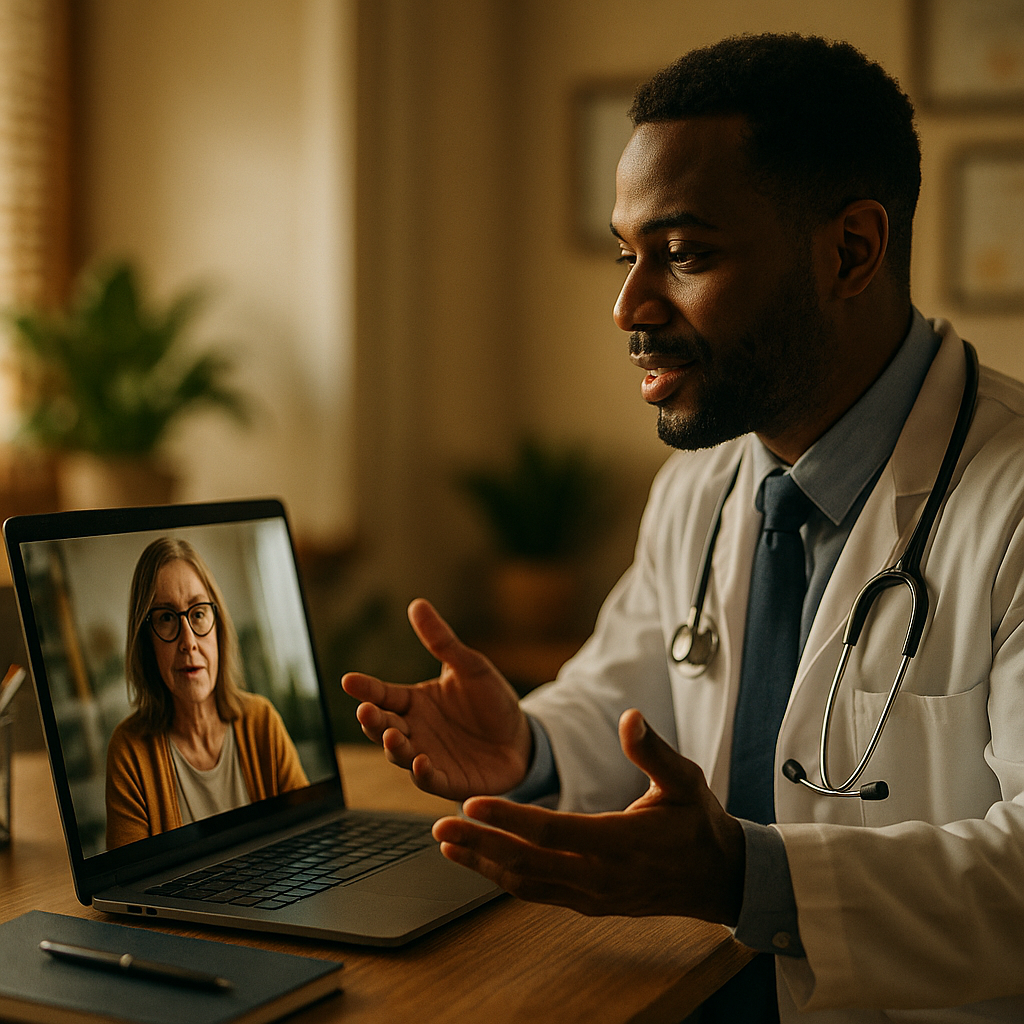
In 2025, the rise of the telemedicine app is transforming healthcare delivery, making access to trusted medical advice more convenient than ever before. However, building trust in virtual care remains a challenge—this is where doctor creators play a defining role. Discover how empowering real clinicians as digital leaders strengthens credibility and inspires patient confidence.
Understanding the Importance of Trust in Telemedicine Apps
Trust is the foundation of any healthcare interaction, whether in-person or virtual. Patients need reassurance that their medical concerns are evaluated by qualified, reputable professionals. Unfortunately, the anonymity of many telemedicine apps can create hesitation. Inconsistent provider information or vague credentials make patients question their care’s legitimacy.
A recent survey by the American Telehealth Association reported that only 54% of users trust online consultations as much as face-to-face care. Clearly, telemedicine platforms must bridge this gap to deliver genuine value.
Empowering Doctor Creators: The Key to Authenticity
Introducing doctor creators—practicing clinicians who produce authoritative educational content, participate in app moderation, and appear as the faces of care. Their visible presence on telemedicine apps offers several decisive benefits:
- Human connection: Videos, bios, Q&A sessions, and interactive profiles provide a personable touch, helping users relate to real doctors.
- Transparency: Verified credentials, public reviews, and direct communication boost accountability and openness.
- Up-to-date expertise: Doctor creators ensure that resources, FAQs, and health tips reflect the latest scientific evidence and guidelines of 2025.
A study published by JAMA Network found that patients who could view their clinician’s qualifications and media content were 33% more likely to follow medical advice given during a telemedicine session. Clearly, doctor creators contribute directly to better engagement and compliance.
Designing Telemedicine Platforms With Real Clinicians in Mind
To maximize trust, telemedicine app developers must integrate doctor creators from the earliest stages of design. Here’s how platforms are raising the standard:
- Rigorous vetting: Adopting credential verification protocols ensures only licensed, up-to-date clinicians serve as creators and telemedicine providers.
- Visibility: Building features like live AMA (Ask Me Anything) sessions, doctor-led webinars, and short medical explainer videos communicates approachability and credibility.
- Personalized experiences: Allowing patients to select or follow their preferred doctor creators fosters loyalty and comfort with virtual care environments.
- Continuous training: Providing education on best digital communication practices ensures clinicians are as effective online as they are in person.
By aligning with Google’s EEAT guidelines—emphasizing Experience, Expertise, Authoritativeness, and Trustworthiness—these platforms further reinforce their health content’s reliability and integrity.
The Impact of Doctor-Led Content on Patient Education and Confidence
Healthcare misinformation remains widespread online, especially in rapidly trending topics like mental wellness, nutrition, and preventive care. Telemedicine apps that showcase doctor creator content can counteract this trend by offering:
- Reliable answers to common concerns, from symptom checkers to medication side effects and aftercare advice.
- Myth-busting videos to dispel falsehoods circulating on social media.
- Personalized resources addressing the unique needs of different patients—women’s health, pediatrics, chronic disease management, and more.
In 2025, 72% of users report feeling more confident in health decisions after consuming doctor-led educational material, according to the Pew Research Center’s digital health study.
Building Long-Term Relationships and Retention Through Digital Empathy
Trust in a telemedicine app goes beyond accurate information. It’s also about empathy and continuity. Visible doctor creators can:
- Foster ongoing support by engaging with patients through check-ins and follow-up content.
- Encourage users to stay connected with the app by offering a community feel—not just one-off consultations.
- Model professional online bedside manner, setting a gold standard for digital interactions.
Apps that invest in these long-term relationships consistently maintain higher retention rates and drive positive word-of-mouth: patients recommend platforms where they feel personally valued by their care teams.
Future Trends: How Doctor Creators Will Shape Telemedicine in 2025 and Beyond
The next wave of telemedicine will see even greater integration of doctor creators:
- AI-powered support tools will work alongside real clinicians to enhance, not replace, the human touch.
- Specialist networks will let users access niche expertise—pediatrics, mental health, oncology—led by visible doctor leaders.
- Personalized preventative care plans, delivered via doctor-driven channels, will further empower patients to take control of their health journeys.
In the coming years, the most trusted telemedicine apps will be those that balance cutting-edge technology with the authentic presence of real, engaged clinicians.
FAQs on Telemedicine App Trust and Doctor Creators
-
How do doctor creators increase trust in telemedicine apps?
Doctor creators put a human face to remote care, offering credible, accessible information and direct interaction. Their verified credentials and participation boost both patient engagement and confidence in the platform’s quality. -
How can patients verify a doctor’s credentials in an app?
Look for visible licensing details, links to professional profiles, and user reviews within the app. Trusted telemedicine platforms require thorough verification before listing any clinician. -
Why does personalization matter in telemedicine?
Personalized care—like the option to follow specific doctor creators—fosters a sense of relationship, improving satisfaction, compliance, and retention within virtual healthcare environments. -
What role does doctor-led content play in patient education?
Educational content created by real doctors counters misinformation, builds practical health knowledge, and empowers patients to make informed healthcare decisions. -
Will telemedicine apps replace in-person visits?
Telemedicine apps complement traditional care by increasing accessibility and efficiency, but in-person visits remain essential for certain examinations, procedures, and complex diagnoses.
In summary, telemedicine app success in 2025 hinges on building genuine trust. Featuring visible, engaged doctor creators is the most effective way to establish credibility, deliver accurate education, and foster lasting patient relationships. Choose telemedicine platforms that go beyond technology—believe in the doctors behind your digital care journey.
Top Influencer Marketing Agencies
The leading agencies shaping influencer marketing in 2026
Agencies ranked by campaign performance, client diversity, platform expertise, proven ROI, industry recognition, and client satisfaction. Assessed through verified case studies, reviews, and industry consultations.
Moburst

-
2

The Shelf
Boutique Beauty & Lifestyle Influencer AgencyA data-driven boutique agency specializing exclusively in beauty, wellness, and lifestyle influencer campaigns on Instagram and TikTok. Best for brands already focused on the beauty/personal care space that need curated, aesthetic-driven content.Clients: Pepsi, The Honest Company, Hims, Elf Cosmetics, Pure LeafVisit The Shelf → -
3

Audiencly
Niche Gaming & Esports Influencer AgencyA specialized agency focused exclusively on gaming and esports creators on YouTube, Twitch, and TikTok. Ideal if your campaign is 100% gaming-focused — from game launches to hardware and esports events.Clients: Epic Games, NordVPN, Ubisoft, Wargaming, Tencent GamesVisit Audiencly → -
4

Viral Nation
Global Influencer Marketing & Talent AgencyA dual talent management and marketing agency with proprietary brand safety tools and a global creator network spanning nano-influencers to celebrities across all major platforms.Clients: Meta, Activision Blizzard, Energizer, Aston Martin, WalmartVisit Viral Nation → -
5

The Influencer Marketing Factory
TikTok, Instagram & YouTube CampaignsA full-service agency with strong TikTok expertise, offering end-to-end campaign management from influencer discovery through performance reporting with a focus on platform-native content.Clients: Google, Snapchat, Universal Music, Bumble, YelpVisit TIMF → -
6

NeoReach
Enterprise Analytics & Influencer CampaignsAn enterprise-focused agency combining managed campaigns with a powerful self-service data platform for influencer search, audience analytics, and attribution modeling.Clients: Amazon, Airbnb, Netflix, Honda, The New York TimesVisit NeoReach → -
7

Ubiquitous
Creator-First Marketing PlatformA tech-driven platform combining self-service tools with managed campaign options, emphasizing speed and scalability for brands managing multiple influencer relationships.Clients: Lyft, Disney, Target, American Eagle, NetflixVisit Ubiquitous → -
8

Obviously
Scalable Enterprise Influencer CampaignsA tech-enabled agency built for high-volume campaigns, coordinating hundreds of creators simultaneously with end-to-end logistics, content rights management, and product seeding.Clients: Google, Ulta Beauty, Converse, AmazonVisit Obviously →