


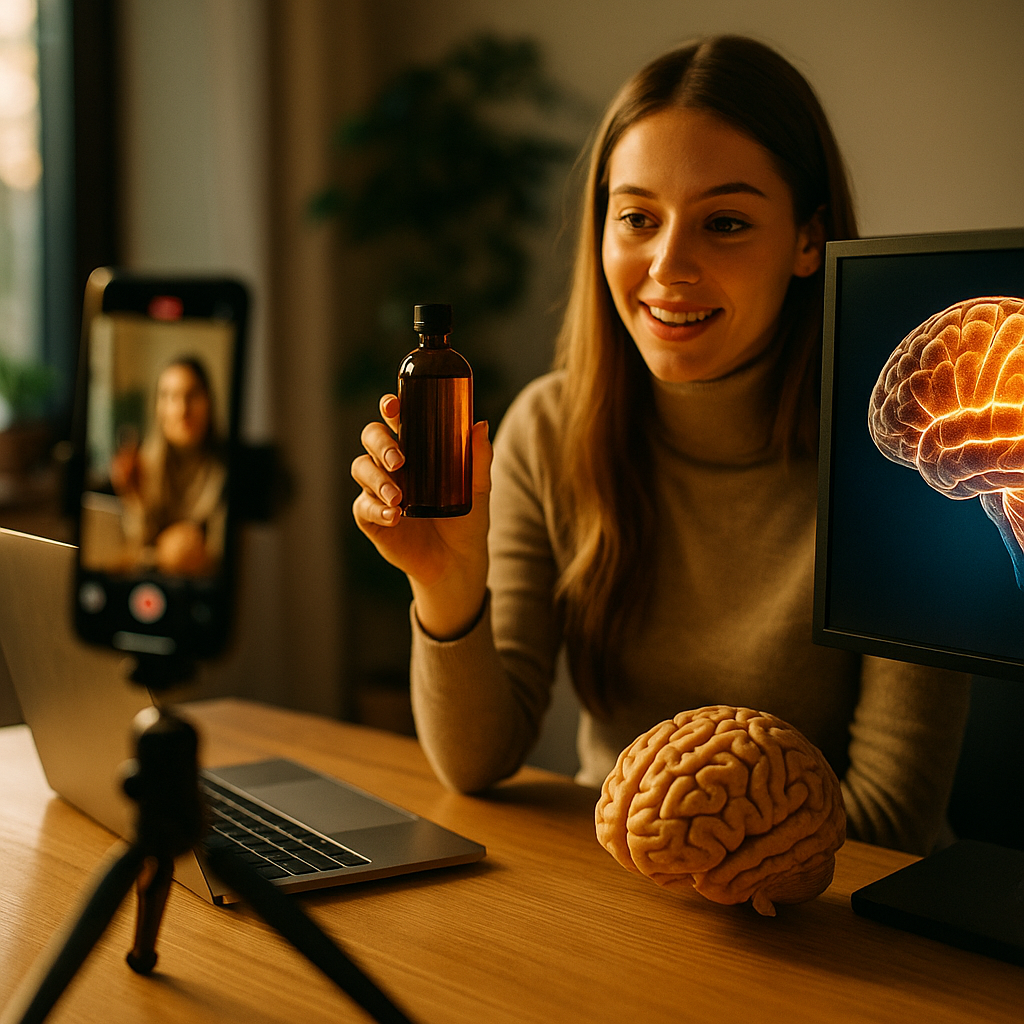
The ethics of using neuromarketing in influencer campaigns is more relevant than ever in 2025, as brands seek deeper consumer insights. With neuromarketing unlocking the secrets of attention and emotion, ethical questions surface about manipulation and consent. Are influencer collaborations crossing a line, or responsibly advancing advertising? Let’s examine this evolving frontier in digital marketing ethics.
Understanding Neuromarketing in Influencer Strategies
Neuromarketing blends neuroscience and marketing to decode how consumers respond to ads on a subconscious level. In the context of influencer campaigns, neuromarketing involves measuring neural and physiological responses–from eye tracking to galvanic skin response–to tailor content for maximum impact. By leveraging influencers’ authenticity, brands integrate neural insights to make campaigns more persuasive, but also potentially more intrusive. Since influencers excel at building trusted relationships, applying neuromarketing in their content raises unique questions about transparency and consumer autonomy.
Benefits of Neuromarketing for Influencer Campaigns
In today’s crowded digital space, influencer marketing faces growing challenges around engagement and authenticity. Neuromarketing offers the following benefits:
- Enhanced Message Resonance: Brands can craft influencer content that taps directly into audience emotions and attention patterns, increasing engagement.
- Data-Driven Creativity: By analyzing biometrics, campaigns can be optimized with real-time feedback, ensuring influencer messaging resonates as intended.
- Reduced Ad Fatigue: Neuromarketing helps influencers avoid off-putting repetition, focusing on triggers that genuinely capture audience interest.
- Targeted Authenticity: Neural data reveals which influencer behaviors are most trusted, enabling more authentic connections.
These advantages make neuromarketing a powerful tool for brands in 2025, driving ROI and deepening consumer engagement. Yet benefits must be weighed against ethical concerns, particularly around manipulation and privacy.
Ethical Challenges in Neuromarketing Practices
As neuromarketing gains traction in influencer campaigns, several ethical dilemmas surface:
- Informed Consent: Do followers know when their neural responses are being measured, even indirectly through optimized content?
- Transparency: Should influencers disclose the use of neuromarketing strategies in their collaborations?
- Manipulation: At what point does using subconscious triggers cross the line from persuasion to manipulation, undermining consumer autonomy?
- Data Privacy: If follower data (such as engagement metrics linked to neural predictors) is analyzed, how is it stored and protected?
The European Union, through GDPR and pending digital consumer laws, is pushing for mandatory transparency in neuromarketing practices. Industry leaders are advocating policy frameworks that prioritize not just results, but also user understanding and empowerment.
Best Practices for Ethical Neuromarketing in Influencer Campaigns
Balancing effectiveness with responsibility, brands and influencers must adopt robust ethical standards for neuromarketing:
- Clear Disclosure: Influencers should communicate when neuromarketing tactics inform campaign design, in line with the latest advertising regulations.
- Obtaining Genuine Consent: When biometric or behavioral data is collected, explicit permission is essential—passive data scraping is discouraged.
- Limiting Intrusiveness: Brands should avoid “over-optimization” that targets vulnerabilities, focusing instead on mutually beneficial storytelling.
- Data Stewardship: All neural or engagement data must be unambiguously anonymized and stored according to the latest cybersecurity protocols.
- Continual Training: Influencers and brand teams should undergo regular education on neuromarketing ethics, privacy, and emerging regulatory standards.
Independent audits and third-party oversight bodies are increasingly standard, ensuring that brands’ neuromarketing applications adhere to both legal and ethical benchmarks.
Legal Considerations and Regulatory Trends
Regulation is catching up to neuromarketing’s capabilities. As of 2025, the European Union is finalizing guidelines specifically targeting algorithmic influence in influencer marketing, requiring:
- Clear consent for any neural data utilized or inferred in personalized ad delivery
- Prompt and understandable consumer notifications about neuromarketing use
- Restrictions on targeting minors or vulnerable groups with neural optimization
In the United States, the Federal Trade Commission (FTC) is advancing disclosure requirements for neuromarketing-powered influencer campaigns, while privacy laws like the American Data Privacy and Protection Act (ADPPA) now cover biometric and behavioral insights. Brands operating globally must stay abreast of these rapidly evolving statutes and err on the side of maximum consumer protection.
Building Trust and Value With Ethical Neuromarketing
Effective neuromarketing in influencer campaigns is about more than boosting clicks—it’s about genuine connection anchored in trust. Brands prioritizing transparency, consent, and clear communication foster deeper consumer loyalty. Leading influencers are proactively educating audiences on neuromarketing’s positives and potential risks, framing partnerships as co-created value. Ultimately, the future belongs to brands and creators willing to champion ethical innovation, investing in audience trust as their most valuable asset.
As neuromarketing technologies evolve, responsible use in influencer campaigns is the difference between sustainable growth and lost trust. Brands and influencers that prioritize ethics, transparency, and consumer choice not only foster loyalty—they future-proof their reputations in 2025’s competitive landscape.
FAQs: The Ethics of Using Neuromarketing in Influencer Campaigns
-
What is neuromarketing in influencer campaigns?
Neuromarketing in influencer campaigns uses neuroscience to optimize content by triggering subconscious emotional responses, aiming for higher engagement and effectiveness. -
Are there laws about neuromarketing in influencer campaigns?
Yes. In 2025, the EU and US enforce regulations around transparency, consent, and data privacy for campaigns using neuromarketing tools, especially regarding biometric or neural insights. -
Is neuromarketing ethical in influencer marketing?
It can be, if practiced transparently, with informed consent and robust privacy protection. Ethical issues arise when there’s manipulation, lack of disclosure, or intrusive data collection. -
Should influencers disclose neuromarketing techniques?
Yes. Regulatory standards and ethical best practices require influencers to disclose when neuromarketing influences their campaign content or strategy. -
How can brands use neuromarketing responsibly?
Brands should prioritize honest communication, obtain explicit consent for data use, prevent manipulative practices, and comply with both the spirit and letter of data protection laws.
Top Influencer Marketing Agencies
The leading agencies shaping influencer marketing in 2026
Agencies ranked by campaign performance, client diversity, platform expertise, proven ROI, industry recognition, and client satisfaction. Assessed through verified case studies, reviews, and industry consultations.
Moburst

-
2

The Shelf
Boutique Beauty & Lifestyle Influencer AgencyA data-driven boutique agency specializing exclusively in beauty, wellness, and lifestyle influencer campaigns on Instagram and TikTok. Best for brands already focused on the beauty/personal care space that need curated, aesthetic-driven content.Clients: Pepsi, The Honest Company, Hims, Elf Cosmetics, Pure LeafVisit The Shelf → -
3

Audiencly
Niche Gaming & Esports Influencer AgencyA specialized agency focused exclusively on gaming and esports creators on YouTube, Twitch, and TikTok. Ideal if your campaign is 100% gaming-focused — from game launches to hardware and esports events.Clients: Epic Games, NordVPN, Ubisoft, Wargaming, Tencent GamesVisit Audiencly → -
4

Viral Nation
Global Influencer Marketing & Talent AgencyA dual talent management and marketing agency with proprietary brand safety tools and a global creator network spanning nano-influencers to celebrities across all major platforms.Clients: Meta, Activision Blizzard, Energizer, Aston Martin, WalmartVisit Viral Nation → -
5

The Influencer Marketing Factory
TikTok, Instagram & YouTube CampaignsA full-service agency with strong TikTok expertise, offering end-to-end campaign management from influencer discovery through performance reporting with a focus on platform-native content.Clients: Google, Snapchat, Universal Music, Bumble, YelpVisit TIMF → -
6

NeoReach
Enterprise Analytics & Influencer CampaignsAn enterprise-focused agency combining managed campaigns with a powerful self-service data platform for influencer search, audience analytics, and attribution modeling.Clients: Amazon, Airbnb, Netflix, Honda, The New York TimesVisit NeoReach → -
7

Ubiquitous
Creator-First Marketing PlatformA tech-driven platform combining self-service tools with managed campaign options, emphasizing speed and scalability for brands managing multiple influencer relationships.Clients: Lyft, Disney, Target, American Eagle, NetflixVisit Ubiquitous → -
8

Obviously
Scalable Enterprise Influencer CampaignsA tech-enabled agency built for high-volume campaigns, coordinating hundreds of creators simultaneously with end-to-end logistics, content rights management, and product seeding.Clients: Google, Ulta Beauty, Converse, AmazonVisit Obviously →