


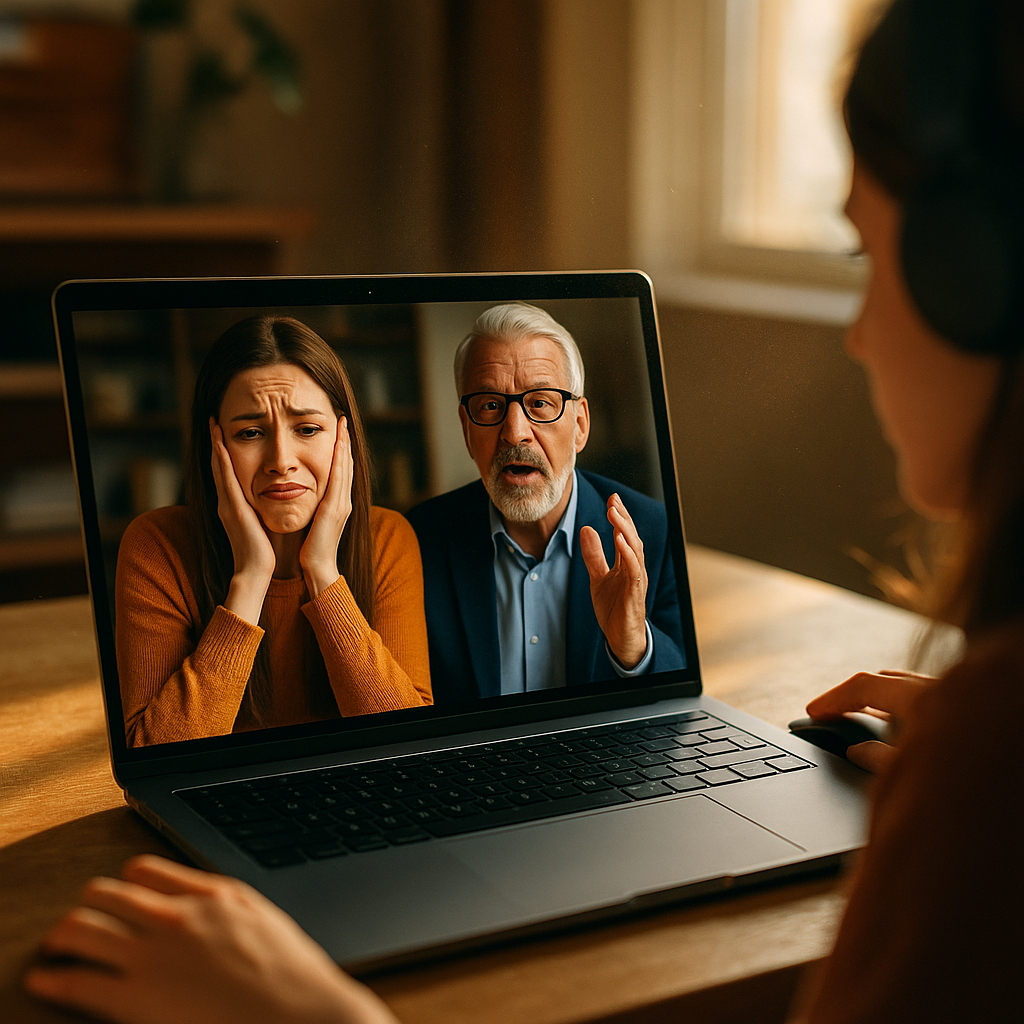
A dermatologist reviewing a skincare serum on camera converts at rates studio ads can’t touch. Why? Because expert reacts videos solve the one problem influencer marketing has struggled with for years: credibility fatigue. Audiences have learned to discount a pretty face holding a product. They have not learned to discount a licensed professional explaining why the formula works. That gap is where smart brands are now spending.
Why Borrowed Authority Beats Borrowed Reach
Traditional influencer deals rent an audience. Expert reacts deals rent something harder to fake: domain authority. A nurse practitioner reacting to a wound care product, a CPA breaking down a budgeting app, a licensed electrician reviewing a smart home device. These creators bring fewer followers on average than lifestyle influencers, but their recommendation carries a different weight because it’s backed by credentials the viewer can verify.
This matters more now than it did three years ago. Consumers have grown numb to generic enthusiasm. A 2024 HubSpot survey on trust in marketing found that audiences consistently rank expertise and perceived honesty above production polish when deciding whether to believe a product claim. Reaction content built around a credentialed expert checks both boxes at once.
Expert reacts content doesn’t just borrow reach, it transfers trust that would take a brand years and a large ad budget to build on its own.
The Format, Stripped Down
Strip away the production value and expert reacts videos follow a simple beat sheet: the expert is shown a product cold, reacts in real time, explains the mechanism or claim in plain language, then renders a verdict. No script reading. No forced enthusiasm. The entire value proposition rests on the reaction feeling unscripted, even when it’s lightly directed behind the scenes.
This is a close cousin of the split screen reaction demo format that’s been eating into unboxing’s market share. The difference is who’s on screen. Split screen demos pair a creator with footage of the product in use. Expert reacts videos pair a credentialed professional with their own unscripted commentary, and that credential is the entire hook.
Where Experts Actually Move the Needle
Not every category benefits equally. Expert reacts works best where the audience has a real information gap and a reason to distrust marketing copy.
- Health and beauty: Dermatologists, dentists, and physical therapists reacting to claims that would otherwise sound like marketing fluff.
- Financial services: CFPs and CPAs reacting to fintech apps, insurance products, or investment platforms where regulatory scrutiny is high.
- Home and trade services: Licensed contractors, electricians, and HVAC techs reacting to DIY tools and smart home products.
- B2B software: Former operators or industry veterans reacting to new tools in their former domain, a tactic that overlaps heavily with founder led video strategies.
Categories with low trust friction, think snack foods or phone cases, see less lift from expert framing. Save the credential-heavy approach for products where skepticism is the default consumer posture.
Picking the Right Expert (Not Just the Right Follower Count)
This is where most brands get it wrong. Marketing teams default to the vetting process they already know: audience size, engagement rate, past brand deals. None of that tells you whether the expert’s credentials are current, relevant, or verifiable.
Run a credentials check before you run a reach check. Is the license active? Does the specialty actually match the product category? A general practitioner reacting to a specialized orthopedic brace is a weaker pairing than a physical therapist, even if the GP has triple the following. Agencies building expert reacts programs at scale are starting to maintain vetted rosters by license type and jurisdiction, similar to how production teams build hook taxonomy systems to standardize creative briefs.
Also check for exclusivity conflicts. An expert who’s reacted favorably to three competing products in the same quarter dilutes their own authority, and yours by extension.
Scripting Without Sounding Scripted
The brief for an expert reacts video should never read like a standard influencer brief. You’re not writing talking points. You’re setting boundaries and letting expertise fill the gaps.
Good briefs for this format include:
- A short list of claims the expert must address (not phrases they must say)
- Any regulatory language the brand is legally required to include
- A clear note on what happens if the expert’s honest reaction is mixed or negative
That last point trips up a lot of brand teams. If you’re not prepared for an expert to say “this works, but it’s overpriced for what it does,” you shouldn’t be running this format. The entire value of expert reacts comes from perceived independence. Scripting it into submission kills the format’s one competitive advantage, the same way over-editing can flatten the authenticity that makes vox pop interviews work.
Compliance Isn’t Optional
Expert reacts videos sit in a regulatory gray zone that brand and legal teams need to understand before launch. Because the creator holds professional credentials, viewers may interpret their reaction as independent clinical or professional advice rather than sponsored content. That interpretation gap is exactly what regulators watch for.
The FTC’s endorsement guidelines require clear and conspicuous disclosure of any material connection between the brand and the expert, regardless of how the expert’s credentials are framed on screen. “Paid partnership” tags are not optional window dressing here, they’re the line between a legitimate campaign and a deceptive one. If the expert is licensed in a regulated field (medicine, law, finance), check whether their professional board has its own advertising or endorsement restrictions on top of FTC rules.
A credentialed expert who fails to disclose a paid relationship exposes your brand to more reputational risk than a standard influencer would, precisely because their endorsement carries more perceived weight.
UK brands running these campaigns should also review ICO guidance on data handling if the content involves any personal health or financial information shared during filming, which happens more often than legal teams expect when an expert reacts candidly to a real product.
Measuring What the Credential Is Actually Worth
Standard influencer KPIs (views, engagement rate, follower growth) don’t capture what makes expert reacts videos valuable. You need metrics that isolate the trust effect.
Track these instead:
- Comment sentiment around credibility language, phrases like “finally a real doctor” or “I trust this more now” signal the format is working as intended
- Click-through rate on claim-heavy product pages, since expert reacts content tends to drive traffic to pages with detailed ingredient or spec information rather than generic landing pages
- Return visitor rate, trust-driven traffic often comes back to re-watch or re-read before converting, unlike impulse-driven lifestyle content
Finance and leadership teams increasingly want this tied to hard numbers before approving budget, which is pushing marketing teams toward frameworks similar to the product explainer KPIs now standard for other long-form creator formats. Pair expert reacts data with a comparison video test against a standard influencer post running the same offer. The delta tells you exactly what the credential is worth in dollars, not just sentiment.
Industry benchmarking from eMarketer continues to show that trust-driven creative outperforms reach-driven creative on conversion rate even when impressions are lower, a pattern that holds especially true in regulated or high-consideration categories.
Where This Is Headed
Expect platforms to formalize expert verification the way LinkedIn has leaned into credential signaling for B2B creators. As that infrastructure matures, brands that built vetted expert rosters early will move faster than competitors scrambling to find a credible voice after the trend has already peaked. Start small: one category, one credentialed partner, one clear disclosure standard, and measure the trust delta before scaling the roster.
FAQs
What is an expert reacts video?
An expert reacts video features a credentialed professional, such as a doctor, contractor, or financial advisor, giving an unscripted, on-camera reaction to a product or claim within their field of expertise.
How do expert reacts videos differ from standard influencer UGC?
Standard influencer UGC relies on audience size and relatability, while expert reacts videos rely on verifiable professional credentials to lend credibility to a product claim that a general creator couldn’t convincingly make.
How much does an expert reacts campaign typically cost?
Costs vary widely by profession and audience size, but expect to pay a premium over standard creator rates because you’re compensating for professional credibility, licensing risk, and often limited availability of qualified experts in a given niche.
What disclosure rules apply to expert reacts content?
FTC endorsement guidelines require clear and conspicuous disclosure of any paid relationship regardless of the creator’s credentials, and experts in regulated fields may face additional restrictions from their professional licensing boards.
How do you measure ROI on expert reacts videos?
Track credibility-focused engagement signals like comment sentiment, click-through rate on detailed product pages, and return visitor behavior, then compare conversion lift against a standard influencer post running the same offer.
Top Influencer Marketing Agencies
The leading agencies shaping influencer marketing in 2026
Agencies ranked by campaign performance, client diversity, platform expertise, proven ROI, industry recognition, and client satisfaction. Assessed through verified case studies, reviews, and industry consultations.
Moburst

-
2

The Shelf
Boutique Beauty & Lifestyle Influencer AgencyA data-driven boutique agency specializing exclusively in beauty, wellness, and lifestyle influencer campaigns on Instagram and TikTok. Best for brands already focused on the beauty/personal care space that need curated, aesthetic-driven content.Clients: Pepsi, The Honest Company, Hims, Elf Cosmetics, Pure LeafVisit The Shelf → -
3

Audiencly
Niche Gaming & Esports Influencer AgencyA specialized agency focused exclusively on gaming and esports creators on YouTube, Twitch, and TikTok. Ideal if your campaign is 100% gaming-focused — from game launches to hardware and esports events.Clients: Epic Games, NordVPN, Ubisoft, Wargaming, Tencent GamesVisit Audiencly → -
4

Viral Nation
Global Influencer Marketing & Talent AgencyA dual talent management and marketing agency with proprietary brand safety tools and a global creator network spanning nano-influencers to celebrities across all major platforms.Clients: Meta, Activision Blizzard, Energizer, Aston Martin, WalmartVisit Viral Nation → -
5

The Influencer Marketing Factory
TikTok, Instagram & YouTube CampaignsA full-service agency with strong TikTok expertise, offering end-to-end campaign management from influencer discovery through performance reporting with a focus on platform-native content.Clients: Google, Snapchat, Universal Music, Bumble, YelpVisit TIMF → -
6

NeoReach
Enterprise Analytics & Influencer CampaignsAn enterprise-focused agency combining managed campaigns with a powerful self-service data platform for influencer search, audience analytics, and attribution modeling.Clients: Amazon, Airbnb, Netflix, Honda, The New York TimesVisit NeoReach → -
7

Ubiquitous
Creator-First Marketing PlatformA tech-driven platform combining self-service tools with managed campaign options, emphasizing speed and scalability for brands managing multiple influencer relationships.Clients: Lyft, Disney, Target, American Eagle, NetflixVisit Ubiquitous → -
8

Obviously
Scalable Enterprise Influencer CampaignsA tech-enabled agency built for high-volume campaigns, coordinating hundreds of creators simultaneously with end-to-end logistics, content rights management, and product seeding.Clients: Google, Ulta Beauty, Converse, AmazonVisit Obviously →