


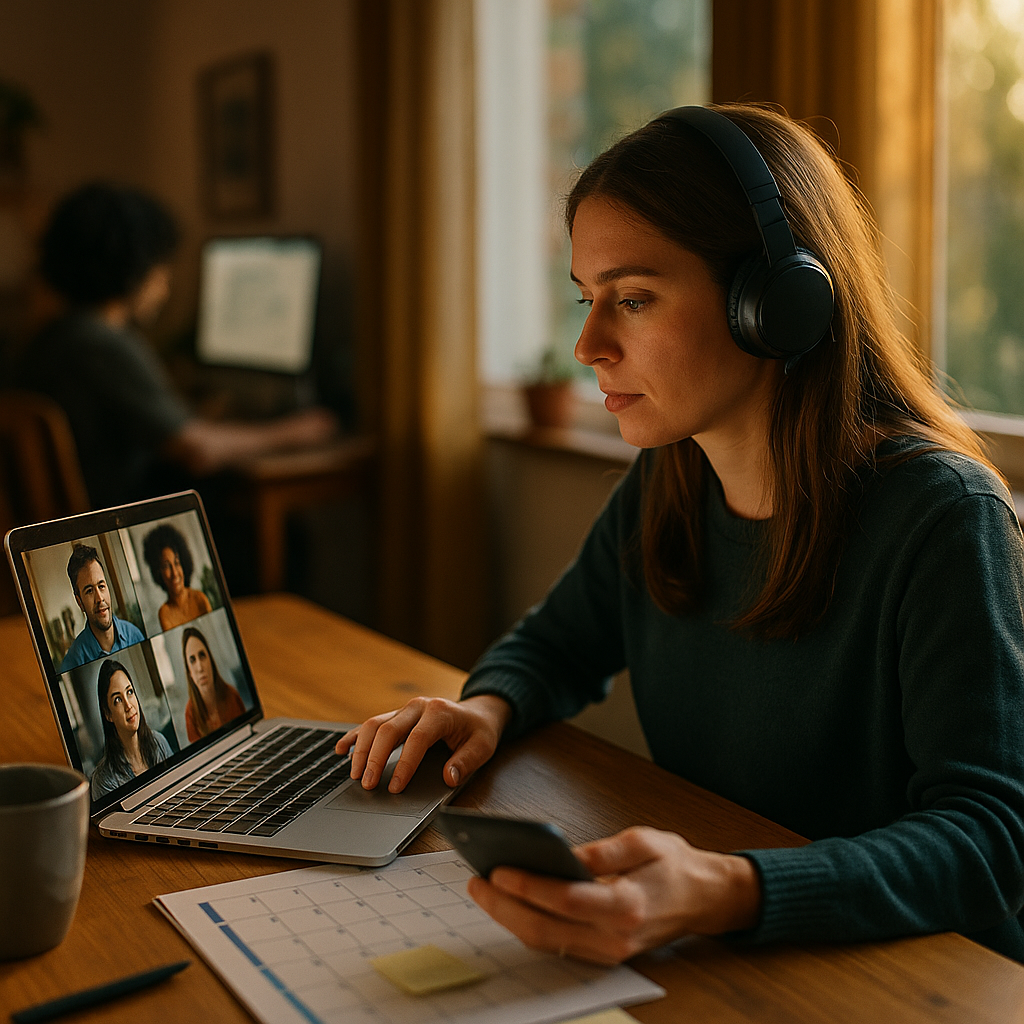
The future of work for marketers is rapidly evolving, as businesses navigate remote, hybrid, and asynchronous models. These flexible arrangements are transforming team dynamics, productivity, and how marketing professionals collaborate globally. Discover what lies ahead for marketers in 2025, and how your organization can thrive by embracing these innovative work environments.
Remote Work in Marketing: Embracing Flexibility and Global Talent
Remote work for marketers has shifted from a temporary solution to a lasting strategy. By 2025, an estimated 70% of marketing teams include fully remote members, allowing companies to access a diverse pool of talent regardless of geography.
Advantages of remote work in marketing:
- Broader Talent Pools: Companies can hire skilled marketers from across the globe, enhancing creativity and campaign relevance with varied perspectives.
- Cost Savings: Reducing overhead expenses allows organizations to reallocate budgets toward marketing innovation and technology.
- Enhanced Productivity: Recent surveys show that 80% of marketers report higher output when working remotely due to fewer office distractions and personalized workspaces.
However, remote work also brings challenges. Managing time zones, ensuring clear communication, and maintaining brand consistency require deliberate policies and robust technology tools. Organizations investing in remote work must prioritize trust, establish clear workflows, and provide ongoing professional development.
Hybrid Work Model in Marketing: Blending the Best of Both Worlds
The hybrid work model in marketing, combining remote and in-person collaboration, continues to gain traction in 2025. This approach empowers marketers to enjoy face-to-face brainstorming while benefitting from the autonomy of remote work.
Key benefits of the hybrid model for marketers:
- Improved Collaboration: In-person strategy sessions foster stronger team bonds, creativity, and real-time feedback, crucial for campaign success.
- Work-Life Balance: Flexibility in choosing office or remote days leads to healthier work-life harmony, decreased burnout, and higher job satisfaction among marketing professionals.
- Adaptability: Marketers respond rapidly to changing client needs, trends, and crises by leveraging both digital and physical resources.
To succeed with a hybrid model, marketing leaders must balance scheduling, optimize office space for collaboration, and invest in technologies that unify virtual and in-person workflows. Regular feedback loops ensure the hybrid format continues meeting both team and organizational goals.
Asynchronous Work for Marketers: Maximizing Efficiency Across Time Zones
Asynchronous work in marketing is shifting how teams operate, especially those distributed globally. Rather than relying on real-time meetings, marketers deliver tasks, feedback, and updates efficiently, often using shared platforms and project management tools.
Why asynchronous work is gaining ground:
- Continuous Productivity: Projects progress around the clock, as team members contribute when they are most focused—eliminating dependency on overlapping schedules.
- Documentation and Transparency: Marketers benefit from clear written communication, reducing misunderstandings and providing a trackable record of ideas, revisions, and approvals.
- Personalized Work Routines: Team members customize their hours to boost job satisfaction and accommodate personal obligations, producing better creative output.
Yet, the success of asynchronous models hinges on managers setting clear expectations, deadlines, and robust communication standards. Investing in intuitive project management systems and asynchronous feedback tools ensures timely delivery and sustained team cohesion.
The Role of Technology in the Future of Marketing Work Models
Technology is the backbone supporting remote, hybrid, and asynchronous work models in marketing. In 2025, artificial intelligence, real-time analytics, cloud-based tools, and creative collaboration platforms are ubiquitous across leading teams.
Pivotal technologies driving the marketing workplace revolution:
- AI-Powered Project Management: These systems automatically assign tasks, track progress, and predict campaign bottlenecks, optimizing team performance.
- Collaboration Platforms: Tools like Miro, Slack, and Figma provide shared spaces for brainstorming, campaign design, and feedback, reducing reliance on email and in-person meetings.
- Remote Onboarding & Training Solutions: Virtual reality and personalized e-learning modules accelerate the ramp-up time for new marketing hires, regardless of location.
These technologies also support data-driven decision-making, which is essential for modern marketing success. Security protocols, regular tool audits, and team training on best practices are crucial to maximize efficiency and protect sensitive information.
Cultivating Company Culture and Employee Well-Being in Distributed Marketing Teams
Adopting flexible work models requires marketers to rethink company culture and how to sustain employee engagement. In 2025, the most successful marketing teams actively nurture inclusive communities, even when largely remote or asynchronous.
Strategies to sustain culture and well-being:
- Regular Virtual Social Events: Online gatherings, team challenges, and recognition ceremonies build camaraderie and prevent feelings of isolation among marketers.
- Clear Values and Shared Purpose: Documented mission statements and communication of team goals keep marketers aligned, regardless of working hours or location.
- Proactive Mental Health Support: Access to mental health resources, flexible schedules, and open forums empower marketers to manage stress and bring their best creative selves to work.
Ultimately, a strong company culture relies not on physical proximity but on transparency, respect, and a deep sense of belonging. Ongoing listening sessions and anonymous feedback channels help leadership remain responsive to marketers’ changing needs.
Upskilling for the Evolving Marketing Workplace
As marketing roles adapt to remote, hybrid, and asynchronous models, upskilling is essential. In 2025, continuous learning is not optional but a core competitive advantage for marketing professionals.
Critical skills for the modern marketer include:
- Digital Fluency: Mastery of collaboration apps, marketing automation, and content distribution technologies.
- Effective Written Communication: Especially vital for asynchronous environments, concise messaging ensures understanding across cultures and time zones.
- Self-Management: Remote and hybrid marketers must demonstrate discipline, initiative, and accountability to meet deadlines without close supervision.
- Cross-Cultural Competence: With global teams, sensitivity to cultural differences in campaigns and communication enhances performance and brand reputation.
Progressive organizations invest in tailored training programs and encourage marketers to pursue certifications and peer learning opportunities. This approach ensures teams remain agile amid evolving work structures and market trends.
In summary, the future of work for marketers in 2025 is defined by flexibility, technology, and a renewed focus on well-being. By embracing remote, hybrid, and asynchronous models, marketing teams can unlock innovation, attract top talent, and achieve sustainable growth in a changing world.
FAQs: Navigating Remote, Hybrid, and Asynchronous Work in Marketing
- What is the biggest advantage of remote work for marketers?
The primary advantage is access to a wider talent pool, allowing organizations to hire skilled professionals globally, resulting in more creative campaigns and diverse perspectives. - How can marketing teams stay productive in an asynchronous model?
By using clear communication protocols, robust project management tools, and defined expectations for deliverables, marketers can ensure tasks progress efficiently without real-time meetings. - What tools support effective hybrid marketing teams?
Collaboration platforms like Slack, Miro, Figma, and AI-powered project management solutions facilitate seamless communication and project tracking across both in-person and remote team members. - How do organizations maintain company culture with distributed marketing teams?
Through intentional virtual social events, transparent goal setting, employee recognition, continuous feedback, and proactive mental health resources, organizations build strong culture independent of physical location. - Why is upskilling important for marketers in 2025?
As technology and work models rapidly evolve, ongoing upskilling ensures marketing professionals remain competitive, adaptable, and capable of leveraging new tools and strategies for maximum impact.
Top Influencer Marketing Agencies
The leading agencies shaping influencer marketing in 2026
Agencies ranked by campaign performance, client diversity, platform expertise, proven ROI, industry recognition, and client satisfaction. Assessed through verified case studies, reviews, and industry consultations.
Moburst

-
2

The Shelf
Boutique Beauty & Lifestyle Influencer AgencyA data-driven boutique agency specializing exclusively in beauty, wellness, and lifestyle influencer campaigns on Instagram and TikTok. Best for brands already focused on the beauty/personal care space that need curated, aesthetic-driven content.Clients: Pepsi, The Honest Company, Hims, Elf Cosmetics, Pure LeafVisit The Shelf → -
3

Audiencly
Niche Gaming & Esports Influencer AgencyA specialized agency focused exclusively on gaming and esports creators on YouTube, Twitch, and TikTok. Ideal if your campaign is 100% gaming-focused — from game launches to hardware and esports events.Clients: Epic Games, NordVPN, Ubisoft, Wargaming, Tencent GamesVisit Audiencly → -
4

Viral Nation
Global Influencer Marketing & Talent AgencyA dual talent management and marketing agency with proprietary brand safety tools and a global creator network spanning nano-influencers to celebrities across all major platforms.Clients: Meta, Activision Blizzard, Energizer, Aston Martin, WalmartVisit Viral Nation → -
5

The Influencer Marketing Factory
TikTok, Instagram & YouTube CampaignsA full-service agency with strong TikTok expertise, offering end-to-end campaign management from influencer discovery through performance reporting with a focus on platform-native content.Clients: Google, Snapchat, Universal Music, Bumble, YelpVisit TIMF → -
6

NeoReach
Enterprise Analytics & Influencer CampaignsAn enterprise-focused agency combining managed campaigns with a powerful self-service data platform for influencer search, audience analytics, and attribution modeling.Clients: Amazon, Airbnb, Netflix, Honda, The New York TimesVisit NeoReach → -
7

Ubiquitous
Creator-First Marketing PlatformA tech-driven platform combining self-service tools with managed campaign options, emphasizing speed and scalability for brands managing multiple influencer relationships.Clients: Lyft, Disney, Target, American Eagle, NetflixVisit Ubiquitous → -
8

Obviously
Scalable Enterprise Influencer CampaignsA tech-enabled agency built for high-volume campaigns, coordinating hundreds of creators simultaneously with end-to-end logistics, content rights management, and product seeding.Clients: Google, Ulta Beauty, Converse, AmazonVisit Obviously →