


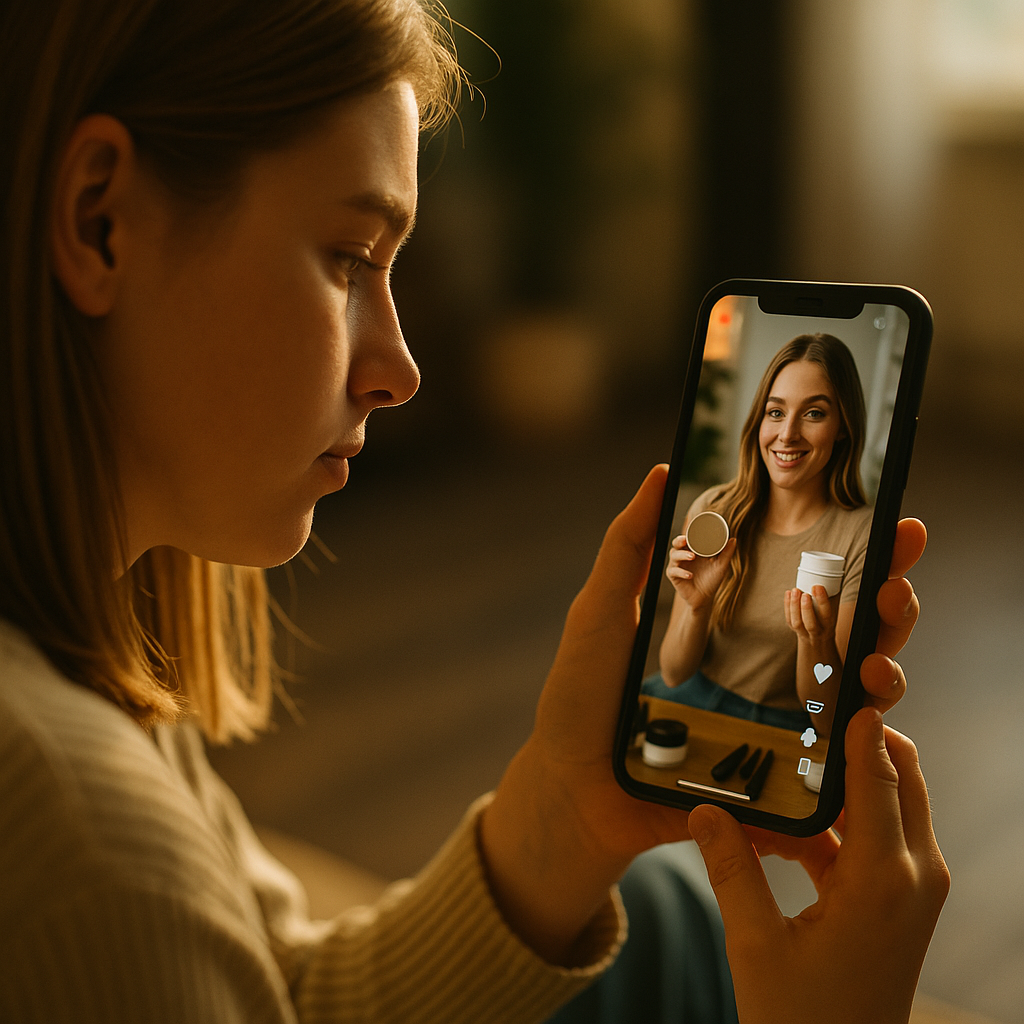
Consumer trust in influencers just hit a number that should make every brand safety team sit up: 92 percent among Gen Z. That’s higher than trust in friends’ recommendations in some surveys. So why do most brands still vet creators with a follower count and a vibe check?
The gap between how much audiences trust creators and how rigorously brands evaluate them has never been wider. That mismatch is the real story behind the headline stat, and it’s one that marketing leaders can’t afford to ignore heading into next year’s budget cycles.
What the New Research Actually Says
The research, drawn from a combination of consumer sentiment surveys and platform engagement data, found that 92 percent of Gen Z respondents say they trust influencer recommendations over traditional advertising. That’s not a fringe statistic. It tracks with broader industry data from eMarketer showing creator content consistently outperforming branded ads on engagement and purchase intent metrics.
What’s notable is the breakdown by category. Trust was highest for beauty, wellness, and personal finance creators, areas where audiences feel brands have historically talked down to them or oversimplified complex decisions. Trust dropped meaningfully for categories involving big-ticket purchases like automotive and real estate, where Gen Z respondents said they still cross-reference creator opinions with independent research.
That nuance matters. A 92 percent headline number hides a lot of texture, and brands that treat all creator trust as uniform are setting themselves up for misallocated budget.
Trust in influencers isn’t a blanket endorsement of anyone with a ring light. It’s category-specific, platform-specific, and increasingly tied to perceived independence from brand pressure.
Why Gen Z Trusts Creators More Than Brands
This isn’t new behavior, exactly. It’s an acceleration of something that’s been building for years. Gen Z grew up watching legacy advertising get more polished and, paradoxically, less believable. Creator content fills that trust vacuum because it looks unscripted, even when it’s technically paid.
Our earlier coverage on creator clips outperforming polished ads found the same pattern at the performance level, not just the sentiment level. Audiences don’t just say they trust creator content more. They act on it, clicking through and converting at higher rates than they do with brand-produced creative.
There’s also a structural piece here. Micro and nano creators, who make up a growing share of brand budgets, carry a trust premium precisely because their audiences perceive them as less transactional. We covered this shift in detail in our piece on the micro influencer trust premium, and it’s worth revisiting alongside this new Gen Z data. The two trends reinforce each other: smaller, more niche creators plus higher baseline trust in influencer content equals a very specific opportunity for brands willing to decentralize their creator rosters.
The Vetting Problem Nobody’s Solving
Here’s the uncomfortable part. High trust scores don’t mean low risk. If anything, they raise the stakes. When 92 percent of your target demographic takes a creator’s word at face value, a single bad actor, a disclosure failure, or a poorly vetted brand fit can do outsized damage.
Most brands still vet creators the same way they did five years ago: follower count, engagement rate, maybe a quick scroll through recent posts. That approach was never great, and it’s now badly mismatched to the actual risk profile.
We’ve written before about how creator marketing fires share one root cause, and it almost always traces back to inadequate upfront vetting rather than bad luck. Brands skip background checks on brand safety history, political commentary, past sponsorship conflicts, and audience authenticity because it’s slower and more expensive than a quick metrics pull.
That shortcut gets more expensive every quarter. Platforms like Sprout Social and others now offer audience quality tools that flag bot engagement and follower churn, but even those tools only catch part of the picture. They won’t tell you whether a creator has a history of undisclosed sponsorships or a controversial statement buried three years deep in their content archive.
Follower Floors Are Dead Weight
The shift away from follower-count gatekeeping is already underway in adjacent corners of the industry. UGC vetting has moved toward proof of skill and portfolio review rather than audience size, as we detailed in our piece on UGC creator vetting ditching follower floors. Influencer vetting needs the same evolution. Trust, not reach, is the asset brands are actually buying now, so vetting criteria should measure trust signals, not vanity metrics.
Building a Vetting Framework That Matches the Trust
So what does a vetting process look like when it’s calibrated to a 92 percent trust environment? A few things change.
- Audience authenticity audits become non-negotiable. Bot followers and engagement pods don’t just waste spend, they actively erode the trust premium you’re paying for.
- Content history reviews extend further back. A creator’s last six months of posts tell you less than their full archive when it comes to spotting disclosure habits or controversy risk.
- Disclosure compliance gets checked, not assumed. The FTC’s endorsement guidelines are clear, but enforcement has tightened, and relying on a creator’s word that they’ll tag #ad isn’t a compliance strategy.
- Category fit gets weighted more heavily. Given the Gen Z data showing trust varies sharply by vertical, a creator who’s trusted in beauty isn’t automatically trusted in fintech.
- Performance history replaces follower tiers as the primary filter. This dovetails with the industry’s broader shift toward performance briefs over awareness KPIs, which gives vetting teams actual conversion data to evaluate rather than just reach.
None of this is radical. It’s closer to the due diligence brands already apply to any other media partner. The difference is that influencer marketing has historically been treated as a looser, more relationship-driven category, and that era is ending as budgets scale.
Risk Mitigation: When Trust Becomes Liability
There’s a counterintuitive risk hiding inside high trust numbers. The more audiences trust creators, the more damage a trust violation does, and the faster it spreads. A deepfake endorsement or a fabricated review doesn’t just hurt the creator’s credibility. It drags the brand down with it, often before legal or comms teams even know what’s happening.
That’s part of why we’ve seen rising interest in creator-specific insurance products, covered in our reporting on deepfakes and FTC fines pushing brands toward creator insurance. When trust is this high, the downside of a breach scales right alongside it.
A 92 percent trust score isn’t just an opportunity metric. It’s a liability multiplier if your vetting process can’t keep pace with how much weight audiences now place on creator credibility.
Attribution is the other half of the risk equation. If a creator’s content is driving the kind of trust-fueled conversions this data suggests, but your measurement stack can’t properly credit it, you’re underinvesting in exactly the channel audiences say they believe most. Our analysis on how attribution models miss two thirds of influencer driven sales is relevant here. High trust without accurate measurement just means you’re flying blind on your best-performing channel.
What This Means for Budget Allocation
Marketing leaders reading this data should treat it as a prompt to rebalance, not just reassure. Benchmarking tools from HubSpot and sentiment data from Statista both point the same direction: creator-led content is capturing a growing share of marketing budgets, a trend we’ve tracked closely in our coverage of how a quarter of marketing budgets now flow to creators. The Gen Z trust data gives that shift a stronger evidentiary basis, but it also raises the cost of getting vetting wrong.
Brands that scale creator spend without scaling vetting rigor in parallel are essentially betting that nothing goes wrong. Given how fast creator controversies move through social feeds now, that’s not a bet most CMOs should be comfortable making with next year’s budget on the line.
The practical next step: audit your current creator vetting checklist against the five criteria above, and flag any gaps before your next campaign brief goes out. Trust at 92 percent is an asset only if your due diligence can match it.
Frequently Asked Questions
What does the 92 percent Gen Z trust statistic actually measure?
It reflects the share of Gen Z survey respondents who said they trust influencer recommendations more than traditional advertising, with trust levels varying by content category such as beauty, wellness, and finance.
Does higher consumer trust in influencers reduce brand risk?
No. Higher trust actually raises the stakes of a vetting failure, since audiences are more likely to act on a creator’s endorsement, which means a disclosure violation or brand mismatch can cause faster and wider reputational damage.
How should brands update their influencer vetting process in light of this data?
Brands should move beyond follower count and engagement rate to include audience authenticity audits, full content history reviews, disclosure compliance checks, and category-specific trust evaluation.
Why does trust vary so much by content category?
Gen Z respondents reported higher trust in categories like beauty and personal finance where creators are seen as relatable alternatives to brand messaging, and lower trust in high-consideration categories like automotive, where independent research still plays a larger role.
What role does disclosure compliance play in vetting?
Proper sponsorship disclosure, in line with FTC endorsement guidelines, protects both the creator’s credibility and the brand’s legal standing, making it a baseline requirement rather than an optional check.
FAQs
What does the 92 percent Gen Z trust statistic actually measure?
It reflects the share of Gen Z survey respondents who said they trust influencer recommendations more than traditional advertising, with trust levels varying by content category such as beauty, wellness, and finance.
Does higher consumer trust in influencers reduce brand risk?
No. Higher trust actually raises the stakes of a vetting failure, since audiences are more likely to act on a creator’s endorsement, which means a disclosure violation or brand mismatch can cause faster and wider reputational damage.
How should brands update their influencer vetting process in light of this data?
Brands should move beyond follower count and engagement rate to include audience authenticity audits, full content history reviews, disclosure compliance checks, and category-specific trust evaluation.
Why does trust vary so much by content category?
Gen Z respondents reported higher trust in categories like beauty and personal finance where creators are seen as relatable alternatives to brand messaging, and lower trust in high-consideration categories like automotive, where independent research still plays a larger role.
What role does disclosure compliance play in vetting?
Proper sponsorship disclosure, in line with FTC endorsement guidelines, protects both the creator’s credibility and the brand’s legal standing, making it a baseline requirement rather than an optional check.
Top Influencer Marketing Agencies
The leading agencies shaping influencer marketing in 2026
Agencies ranked by campaign performance, client diversity, platform expertise, proven ROI, industry recognition, and client satisfaction. Assessed through verified case studies, reviews, and industry consultations.
Moburst

-
2

The Shelf
Boutique Beauty & Lifestyle Influencer AgencyA data-driven boutique agency specializing exclusively in beauty, wellness, and lifestyle influencer campaigns on Instagram and TikTok. Best for brands already focused on the beauty/personal care space that need curated, aesthetic-driven content.Clients: Pepsi, The Honest Company, Hims, Elf Cosmetics, Pure LeafVisit The Shelf → -
3

Audiencly
Niche Gaming & Esports Influencer AgencyA specialized agency focused exclusively on gaming and esports creators on YouTube, Twitch, and TikTok. Ideal if your campaign is 100% gaming-focused — from game launches to hardware and esports events.Clients: Epic Games, NordVPN, Ubisoft, Wargaming, Tencent GamesVisit Audiencly → -
4

Viral Nation
Global Influencer Marketing & Talent AgencyA dual talent management and marketing agency with proprietary brand safety tools and a global creator network spanning nano-influencers to celebrities across all major platforms.Clients: Meta, Activision Blizzard, Energizer, Aston Martin, WalmartVisit Viral Nation → -
5

The Influencer Marketing Factory
TikTok, Instagram & YouTube CampaignsA full-service agency with strong TikTok expertise, offering end-to-end campaign management from influencer discovery through performance reporting with a focus on platform-native content.Clients: Google, Snapchat, Universal Music, Bumble, YelpVisit TIMF → -
6

NeoReach
Enterprise Analytics & Influencer CampaignsAn enterprise-focused agency combining managed campaigns with a powerful self-service data platform for influencer search, audience analytics, and attribution modeling.Clients: Amazon, Airbnb, Netflix, Honda, The New York TimesVisit NeoReach → -
7

Ubiquitous
Creator-First Marketing PlatformA tech-driven platform combining self-service tools with managed campaign options, emphasizing speed and scalability for brands managing multiple influencer relationships.Clients: Lyft, Disney, Target, American Eagle, NetflixVisit Ubiquitous → -
8

Obviously
Scalable Enterprise Influencer CampaignsA tech-enabled agency built for high-volume campaigns, coordinating hundreds of creators simultaneously with end-to-end logistics, content rights management, and product seeding.Clients: Google, Ulta Beauty, Converse, AmazonVisit Obviously →