


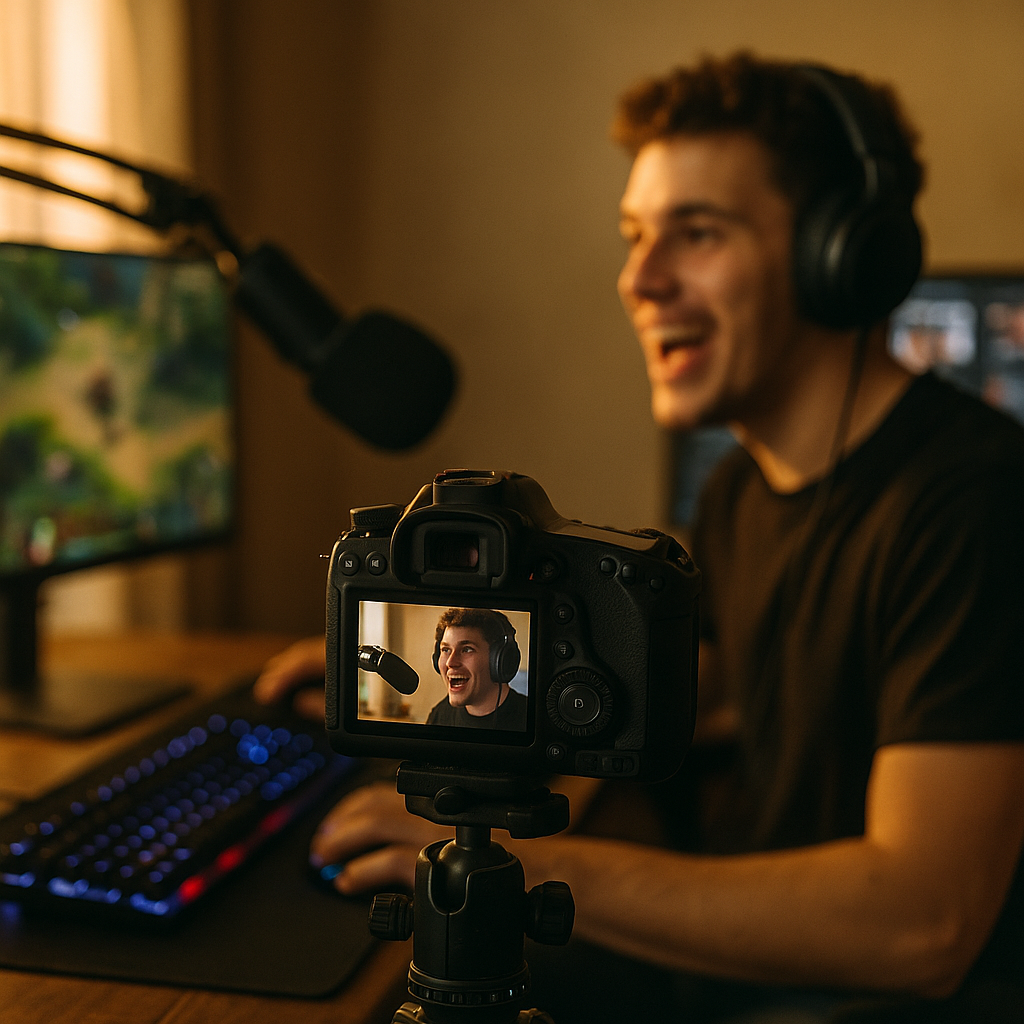
Only 12% of gaming brands segment creator budgets by genre, according to internal benchmarking from talent agencies working across shooter, sports, and mobile titles. Everyone else is spraying budget across “gaming influencers” like it’s one homogenous audience. It isn’t. A content strategy built around genre trends is the difference between a creator program that compounds and one that just burns cash.
Genre matters because player communities don’t behave the same way. A speedrunner audience wants precision and proof. A live-service shooter audience wants meta breakdowns before the patch even drops. A cozy-sim audience wants vibes, not vibes-adjacent brand deals shoehorned into a farming montage. Treating them identically is why so many gaming influencer campaigns underperform despite decent reach numbers.
Why Genre-Blind Creator Strategy Is Costing You
Most influencer briefs still get written around a game title, a launch date, and a follower threshold. That’s a title-first approach, and it ignores the fact that genre conventions shape what audiences expect from creators — and what they’ll tolerate from brands.
Think about it from the player’s side. A battle royale audience is conditioned to trust creators who post daily, chase meta shifts, and react fast to balance patches. A narrative RPG audience follows creators who post rarely but produce deep, spoiler-conscious content. If your incentive structure pays both creator types the same way — say, flat fee per video regardless of cadence — you’re either overpaying the RPG creator for low output or underpaying the shooter creator for the grind their audience demands.
Genre isn’t a content category. It’s a behavioral contract between creators and the communities that trust them — and brands that ignore that contract pay for reach they can’t convert.
This is the same governance gap our team flagged in NetEase’s hiring wave, where genre-based creator rewards were being built into org structure, not bolted on as an afterthought. That’s the signal worth watching: publishers with the biggest live-service portfolios are already restructuring compensation around genre logic, not title logic.
Map Genre Trends Before You Map Creators
Start with the trend cycle of the genre itself, not the creator roster. Every genre has its own rhythm:
- Competitive shooters and MOBAs run on patch cycles. Content spikes around balance changes, esports events, and season resets. Creator relevance is tied to how fast they can produce credible takes.
- Live-service looter games run on content-drought cycles. Engagement dips between seasons and spikes hard at content drops. Incentives should flex with that curve, not stay flat year-round.
- Narrative and single-player titles run on a launch-window curve. Almost all creator value is front-loaded into the first six to eight weeks post-release, with a long tail driven by sales and completionist content.
- Mobile and hyper-casual run on evergreen, always-on cycles. There’s no “season,” so creator programs need continuous low-cost, high-frequency activation rather than event-driven spikes.
- Sim and cozy genres run on community-driven micro-trends — a mod, a seasonal update, a TikTok sound — that are nearly impossible to forecast but cheap to jump on with nano and micro creators.
Once you’ve mapped the trend cycle, you can reverse-engineer a creator incentive model that actually matches when and how the audience wants to hear from creators. This is the piece most briefs skip. They pick creators first, then wonder why cadence and payment terms feel like a mismatch three weeks in.
The Framework: Four Steps to Genre-Aligned Content Strategy
Here’s the operating model we’d recommend to any brand team running more than one title or genre vertical:
- Segment your titles by genre behavior, not internal org chart. If your publishing slate spans a shooter, a mobile puzzler, and a narrative RPG, they need three separate creator strategies, three separate cadences, and arguably three separate budget lines. For guidance on how to actually size those budgets, the breakdown in genre-specific creator incentive budgets is a solid starting model for finance conversations.
- Build a genre-specific content calendar tied to real trend triggers. Patch notes, seasonal battle passes, esports majors, community mod drops — these are your actual campaign triggers, not your marketing calendar’s arbitrary quarterly beats.
- Align creator incentives to genre cadence, not flat fees. Shooter and live-service creators should be paid on a retainer-plus-performance model that rewards speed and consistency. Narrative game creators are better served by a launch-window bonus structure. Mobile creators do best on a volume-based commission model, similar to what’s outlined in zero-based budgeting for creator pay.
- Instrument measurement by genre, not by campaign. A shooter creator’s value shows up in D7 retention and squad-fill data. A narrative game creator’s value shows up in wishlist conversion and review sentiment. Collapsing these into one blended ROAS number hides which genre strategy is actually working.
Where Incentive Design Actually Breaks
The uncomfortable truth: most gaming brands don’t have a genre problem, they have a finance problem. Flat creator budgets get approved because they’re easy to model, not because they’re effective. That’s the exact tension explored in flat creator budgets: people-first vs volume-first framework — and it applies directly here. A volume-first budget optimizes for reach across genres. A people-first, genre-aware budget optimizes for retention and community trust within each genre. Guess which one a CFO actually wants to see a year later when churn numbers come in?
If you’re building the business case internally, don’t lead with creativity. Lead with retention economics. Genre-aligned creator spend correlates with better D30 retention because the content matches what the community was already primed to trust. That’s a retention argument, not a marketing argument, and it lands very differently in a budget review.
A Quick Gut Check on Genre Fit
Before locking a creator brief, ask three questions:
- Does this creator’s normal posting cadence match the genre’s natural trend cycle?
- Is the incentive structure rewarding the behavior the audience actually values (speed, depth, consistency, humor)?
- Would this content still make sense to the community if there were no brand deal attached?
If the answer to any of these is no, you’re not running a genre strategy. You’re running a title strategy with genre wallpaper.
Measuring What Genre Alignment Actually Buys You
Engagement rate is a vanity metric here. What you want is genre-specific signal: watch-through rate on patch-note breakdowns, squad invite conversions from shooter content, wishlist-to-purchase lag on narrative title creator drops. According to eMarketer, creator-driven content increasingly outperforms branded content on conversion intent, but that gap widens or narrows dramatically depending on genre fit — a stat that should make every brand rethink blended reporting.
Cross-reference this against player sentiment data from your community platforms. If Discord chatter and Reddit threads reference a creator’s content unprompted, that’s your genre-fit signal working. If creator content only gets discussed in paid-partnership disclosure threads, something’s off — either the incentive is too heavy-handed or the creator isn’t a genre-native voice to begin with. FTC disclosure guidance still applies regardless of genre, so don’t let cadence pressure push creators into skipping proper disclosure — that’s a compliance risk no genre trend is worth.
For brands running multiple regions on top of multiple genres, the complexity compounds fast. The operating model in cross-regional creator operating structures is worth reviewing alongside your genre framework, since regional platform preferences (TikTok dominance in some markets, YouTube long-form in others) often overlay genre behavior in ways that complicate a single global playbook.
Build the Roadmap, Not Just the Campaign
A single campaign built around genre trends is a nice case study. A roadmap is what actually protects budget. Map your genre-specific creator incentives against a 12-month content calendar the way you’d map a hero-content roadmap — with clear checkpoints for patch cycles, seasonal drops, and live-service content droughts already built in. That turns genre alignment from a one-off creative bet into a repeatable operating system finance can actually forecast against.
Start small if you need to. Pick your two highest-spend genres, rebuild their creator incentive structures around actual trend cycles, and measure retention lift over one full season before rolling the framework across your entire slate.
Frequently Asked Questions
What does “genre trend” mean in the context of gaming creator strategy?
It refers to the recurring content and engagement patterns specific to a game genre — like patch-driven spikes in shooters or launch-window spikes in narrative titles — that determine when and how player communities want to consume creator content.
How is a genre-based creator strategy different from a title-based one?
A title-based strategy builds creator briefs around a specific game regardless of genre conventions. A genre-based strategy builds cadence, incentive structure, and content format around the behavioral norms of the genre’s audience, which often applies across multiple titles in a publisher’s portfolio.
Which genres benefit most from performance-based creator incentives?
Live-service, competitive shooters, and mobile titles benefit most from performance-based or commission-linked incentives because their content value is tied to speed, frequency, and volume rather than one-time launch coverage.
How do we measure ROI on genre-aligned creator content?
Use genre-specific signals rather than blended engagement metrics: retention lift (D7/D30) for live-service genres, wishlist conversion for narrative titles, and squad-fill or install-to-play rates for competitive and mobile genres respectively.
Does genre-based strategy require a bigger creator budget?
Not necessarily. It requires reallocating existing budget more precisely rather than increasing total spend. Many brands find genre segmentation actually reduces waste by cutting spend on mismatched creator-cadence pairings.
Next Step
Pull your last two quarters of creator spend, tag every campaign by genre instead of by title, and check whether payment cadence actually matched the genre’s natural trend cycle. If it didn’t, that mismatch is your first budget line to fix.
Frequently Asked Questions
What does “genre trend” mean in the context of gaming creator strategy?
It refers to the recurring content and engagement patterns specific to a game genre — like patch-driven spikes in shooters or launch-window spikes in narrative titles — that determine when and how player communities want to consume creator content.
How is a genre-based creator strategy different from a title-based one?
A title-based strategy builds creator briefs around a specific game regardless of genre conventions. A genre-based strategy builds cadence, incentive structure, and content format around the behavioral norms of the genre’s audience, which often applies across multiple titles in a publisher’s portfolio.
Which genres benefit most from performance-based creator incentives?
Live-service, competitive shooters, and mobile titles benefit most from performance-based or commission-linked incentives because their content value is tied to speed, frequency, and volume rather than one-time launch coverage.
How do we measure ROI on genre-aligned creator content?
Use genre-specific signals rather than blended engagement metrics: retention lift (D7/D30) for live-service genres, wishlist conversion for narrative titles, and squad-fill or install-to-play rates for competitive and mobile genres respectively.
Does genre-based strategy require a bigger creator budget?
Not necessarily. It requires reallocating existing budget more precisely rather than increasing total spend. Many brands find genre segmentation actually reduces waste by cutting spend on mismatched creator-cadence pairings.
Top Influencer Marketing Agencies
The leading agencies shaping influencer marketing in 2026
Agencies ranked by campaign performance, client diversity, platform expertise, proven ROI, industry recognition, and client satisfaction. Assessed through verified case studies, reviews, and industry consultations.
Moburst

-
2

The Shelf
Boutique Beauty & Lifestyle Influencer AgencyA data-driven boutique agency specializing exclusively in beauty, wellness, and lifestyle influencer campaigns on Instagram and TikTok. Best for brands already focused on the beauty/personal care space that need curated, aesthetic-driven content.Clients: Pepsi, The Honest Company, Hims, Elf Cosmetics, Pure LeafVisit The Shelf → -
3

Audiencly
Niche Gaming & Esports Influencer AgencyA specialized agency focused exclusively on gaming and esports creators on YouTube, Twitch, and TikTok. Ideal if your campaign is 100% gaming-focused — from game launches to hardware and esports events.Clients: Epic Games, NordVPN, Ubisoft, Wargaming, Tencent GamesVisit Audiencly → -
4

Viral Nation
Global Influencer Marketing & Talent AgencyA dual talent management and marketing agency with proprietary brand safety tools and a global creator network spanning nano-influencers to celebrities across all major platforms.Clients: Meta, Activision Blizzard, Energizer, Aston Martin, WalmartVisit Viral Nation → -
5

The Influencer Marketing Factory
TikTok, Instagram & YouTube CampaignsA full-service agency with strong TikTok expertise, offering end-to-end campaign management from influencer discovery through performance reporting with a focus on platform-native content.Clients: Google, Snapchat, Universal Music, Bumble, YelpVisit TIMF → -
6

NeoReach
Enterprise Analytics & Influencer CampaignsAn enterprise-focused agency combining managed campaigns with a powerful self-service data platform for influencer search, audience analytics, and attribution modeling.Clients: Amazon, Airbnb, Netflix, Honda, The New York TimesVisit NeoReach → -
7

Ubiquitous
Creator-First Marketing PlatformA tech-driven platform combining self-service tools with managed campaign options, emphasizing speed and scalability for brands managing multiple influencer relationships.Clients: Lyft, Disney, Target, American Eagle, NetflixVisit Ubiquitous → -
8

Obviously
Scalable Enterprise Influencer CampaignsA tech-enabled agency built for high-volume campaigns, coordinating hundreds of creators simultaneously with end-to-end logistics, content rights management, and product seeding.Clients: Google, Ulta Beauty, Converse, AmazonVisit Obviously →