


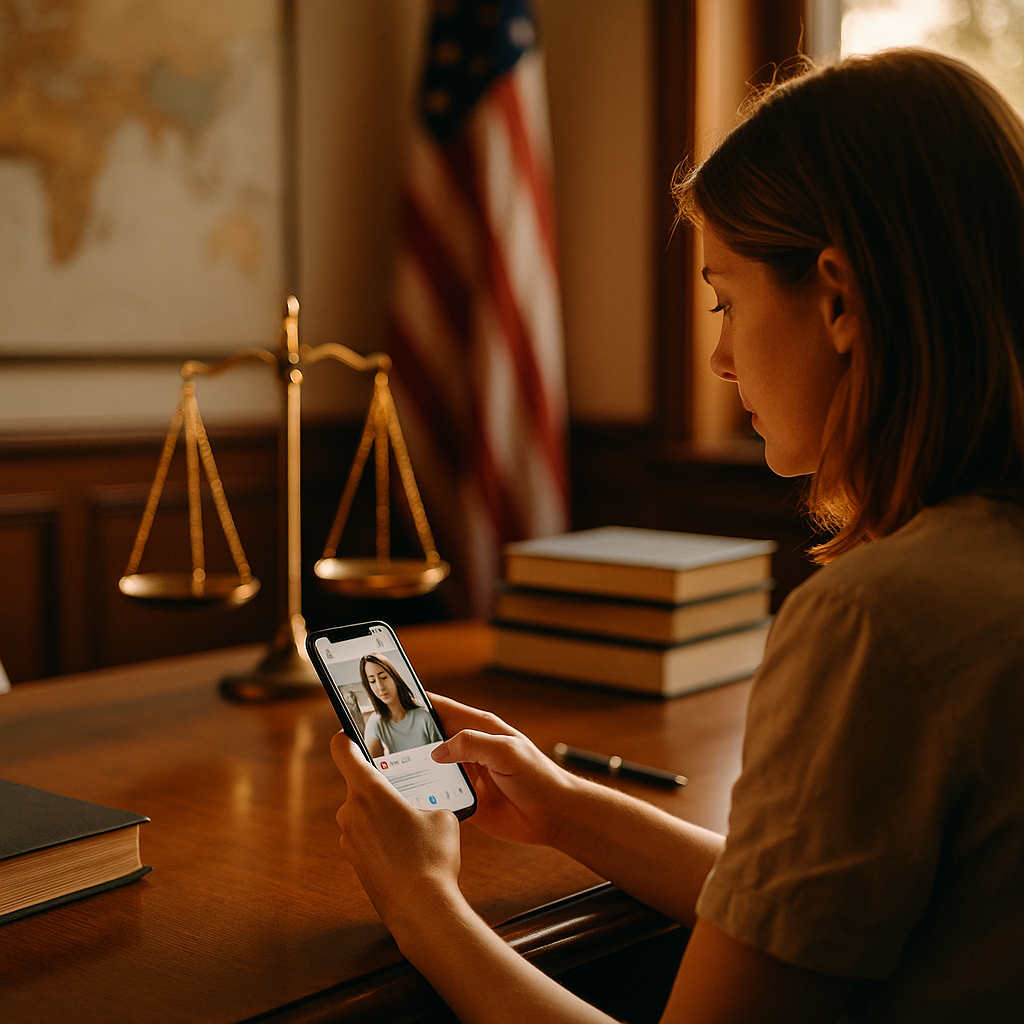
New global regulations are reshaping influencer marketing in 2025, introducing far-reaching changes for brands, agencies, and digital creators alike. These evolving standards impact transparency, disclosure, and accountability worldwide. Are you prepared to navigate this new regulatory landscape? Read on to discover what businesses and influencers must know to stay compliant and competitive—while maintaining trust and credibility with audiences.
Understanding the New Landscape of Global Influencer Marketing Laws
The influencer marketing industry is no stranger to rapid change, but 2025’s wave of global regulations is a turning point. As governments respond to the explosive growth of digital content, varying international guidelines now dictate how influencers must disclose partnerships, sponsorships, and gifted products. The European Union, United States, and several Asian nations have adopted stricter, harmonized disclosure rules, requiring influencers to present commercial content as advertising—prominently and unambiguously.
Key global standards focus on:
- Mandatory disclosure of material connections (such as sponsorships and affiliate marketing)
- Platform responsibility for monitoring and removing undisclosed or deceptive sponsored content
- Clear labeling with standardized hashtags or banners recognizable across borders (such as #ad, #sponsored, or their multilingual equivalents)
- Accountability for both brands and creators for any violations
These rule shifts aim to protect consumers from deceptive practices and misinformation, while fostering ethical partnerships between creators and companies worldwide.
Compliance Requirements for Brands and Content Creators
The advent of comprehensive influencer marketing regulations now holds both brands and influencers to rigorous standards. In 2025, compliance is not just best practice—it’s non-negotiable. Legal obligations now dictate how sponsored content must be disclosed, and failing to comply can result in fines, platform bans, or legal action.
For brands:
- Draft clear influencer contracts specifying disclosure requirements aligned with each target country’s laws
- Monitor influencer content for ongoing adherence to disclosure policies
- Maintain documentation and evidence of compliance efforts
For influencers:
- Disclose all paid, gifted, or sponsored relationships in the first lines of captions or videos
- Avoid ambiguous language; use official disclosure tags or platform tools
- Stay informed as regulations evolve and differ by region or platform
Following these steps builds transparency and preserves trust, which is crucial now that regulatory oversight extends to user-generated content globally.
The Rise of Platform-Level Enforcement
One of the most impactful developments in 2025 is the active role that social platforms—Instagram, TikTok, YouTube, and others—now play in enforcing influencer marketing regulations. Automated detection tools and content flagging systems identify posts that lack proper disclosure or appear deceptive. Platforms are also introducing standardized “paid partnership” labels, visible in any country and supporting multiple languages.
How platforms are stepping in:
- Algorithm-driven scanning of posts and videos for required hashtags and banners
- Instant notifications to creators if disclosure is missing or inadequate
- Publicly accessible compliance dashboards for brands to monitor influencer adherence
- Swift removal of non-compliant content or temporary suspension of offending accounts
This centralized, technology-powered oversight increases consistency and efficiency in upholding global advertising laws—making it vital for marketers and influencers to understand, anticipate, and adapt to each platform’s current and future requirements.
Building Trust Through Authentic Influencer Partnerships
Transparency is the cornerstone of effective influencer marketing in this new regulatory age. As consumer skepticism towards undisclosed ads grows, audiences reward authenticity and openness. Forward-thinking brands now prioritize long-term, genuine partnerships with influencers, rather than quick, transactional collaborations.
Key strategies include:
- Curating relationships with creators whose values align with brand missions
- Encouraging honest reviews, even if they contain critical feedback
- Focusing on value-driven content rather than product placement alone
- Co-developing campaigns that prioritize the creator’s authentic voice
When compliance meets authenticity, brands benefit from deeper customer engagement and lasting brand loyalty. In turn, influencers safeguard their credibility and future earning potential.
Navigating Challenges and Opportunities in a Regulated Influencer Ecosystem
While increased regulation introduces new challenges—additional compliance costs, slower campaign approvals, and ongoing education—savvy marketers recognize the opportunities. Stricter standards help level the playing field, reducing the prevalence of “bad actors” and fraudulent endorsements. This positions reputable brands and creators as industry leaders.
Adaptation tips for 2025:
- Leverage third-party compliance tools to automate review and reporting
- Invest in influential voices who prioritize transparency and social responsibility
- Stay informed about emerging legislation across multiple countries and platforms
- Participate in industry groups that advocate for sensible, creator-friendly regulation
By viewing compliance as a competitive differentiator, brands and influencers can future-proof their digital strategies and thrive in an increasingly transparent marketplace.
Conclusion: Embracing the Future of Influencer Marketing Compliance
Global regulations are reshaping influencer marketing in 2025, setting new standards for trust and responsibility. By embracing transparency, aligning with evolving disclosure laws, and building authentic creator relationships, brands and influencers can grow audience trust and achieve long-term success in the regulated digital landscape.
Frequently Asked Questions: Influencer Marketing Regulations in 2025
-
What are the main new influencer marketing regulations in 2025?
Laws now require clear disclosure of sponsored posts, accountability for both brands and influencers, and active participation by platforms to monitor and enforce transparency worldwide. -
Do these regulations apply to micro-influencers and nano-influencers?
Yes. Rules apply to any influencer, regardless of audience size, whenever there’s a paid or sponsored relationship affecting content. -
How are social platforms enforcing the new rules?
Platforms use automated detection tools, mandatory “paid partnership” labels, and algorithmic monitoring to detect non-compliance and enforce penalties or content removal. -
What happens if a brand or influencer fails to comply?
Penalties can include fines, content takedowns, suspension of accounts, and damage to reputation or future business opportunities. -
What’s the best way for brands and creators to stay compliant?
Stay educated on current regulations in all relevant markets, use platform tools for disclosure, automate compliance checks when possible, and always prioritize candor and clarity in sponsored content.
Top Influencer Marketing Agencies
The leading agencies shaping influencer marketing in 2026
Agencies ranked by campaign performance, client diversity, platform expertise, proven ROI, industry recognition, and client satisfaction. Assessed through verified case studies, reviews, and industry consultations.
Moburst

-
2

The Shelf
Boutique Beauty & Lifestyle Influencer AgencyA data-driven boutique agency specializing exclusively in beauty, wellness, and lifestyle influencer campaigns on Instagram and TikTok. Best for brands already focused on the beauty/personal care space that need curated, aesthetic-driven content.Clients: Pepsi, The Honest Company, Hims, Elf Cosmetics, Pure LeafVisit The Shelf → -
3

Audiencly
Niche Gaming & Esports Influencer AgencyA specialized agency focused exclusively on gaming and esports creators on YouTube, Twitch, and TikTok. Ideal if your campaign is 100% gaming-focused — from game launches to hardware and esports events.Clients: Epic Games, NordVPN, Ubisoft, Wargaming, Tencent GamesVisit Audiencly → -
4

Viral Nation
Global Influencer Marketing & Talent AgencyA dual talent management and marketing agency with proprietary brand safety tools and a global creator network spanning nano-influencers to celebrities across all major platforms.Clients: Meta, Activision Blizzard, Energizer, Aston Martin, WalmartVisit Viral Nation → -
5

The Influencer Marketing Factory
TikTok, Instagram & YouTube CampaignsA full-service agency with strong TikTok expertise, offering end-to-end campaign management from influencer discovery through performance reporting with a focus on platform-native content.Clients: Google, Snapchat, Universal Music, Bumble, YelpVisit TIMF → -
6

NeoReach
Enterprise Analytics & Influencer CampaignsAn enterprise-focused agency combining managed campaigns with a powerful self-service data platform for influencer search, audience analytics, and attribution modeling.Clients: Amazon, Airbnb, Netflix, Honda, The New York TimesVisit NeoReach → -
7

Ubiquitous
Creator-First Marketing PlatformA tech-driven platform combining self-service tools with managed campaign options, emphasizing speed and scalability for brands managing multiple influencer relationships.Clients: Lyft, Disney, Target, American Eagle, NetflixVisit Ubiquitous → -
8

Obviously
Scalable Enterprise Influencer CampaignsA tech-enabled agency built for high-volume campaigns, coordinating hundreds of creators simultaneously with end-to-end logistics, content rights management, and product seeding.Clients: Google, Ulta Beauty, Converse, AmazonVisit Obviously →