


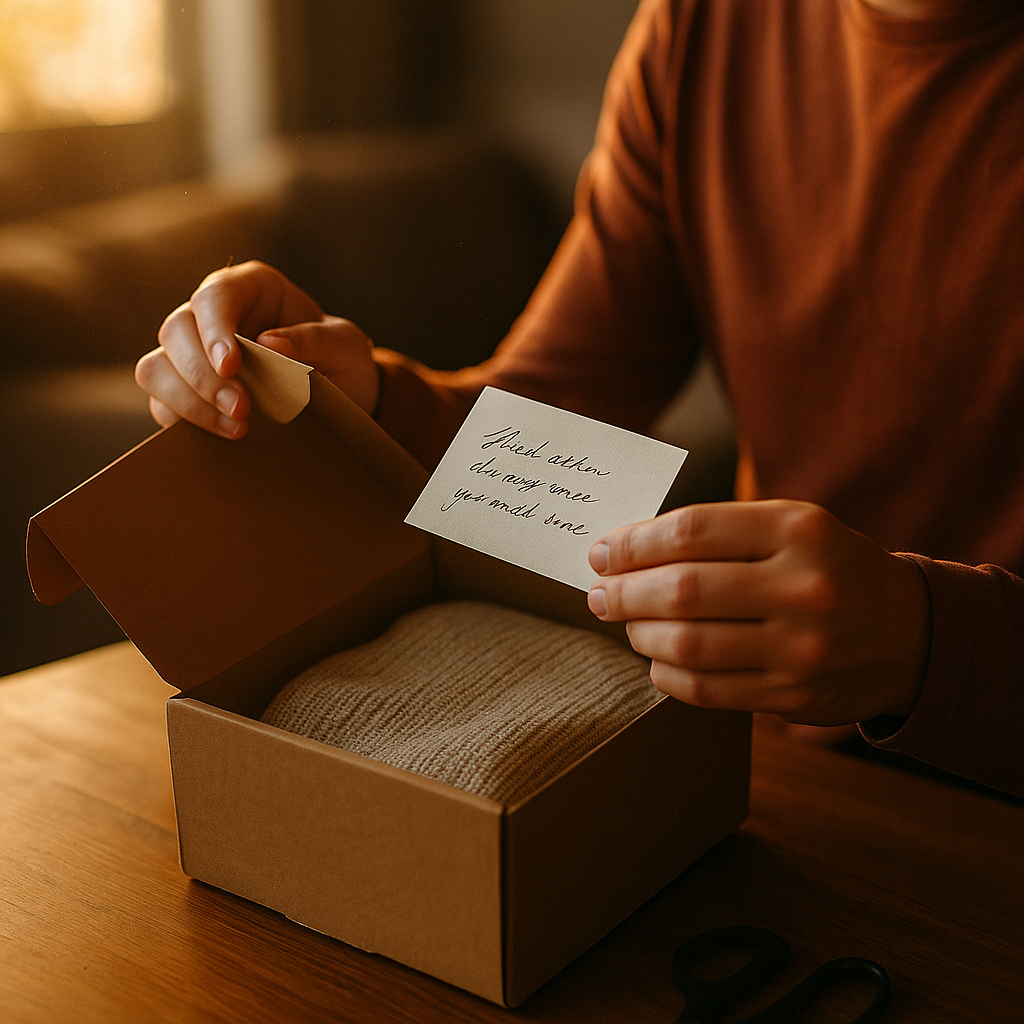
Save rates on unboxing content have plateaued. Everyone’s filming the same box-opening, same tissue-paper reveal, same “oh my gosh” reaction. So what’s the fix? A five-dollar pen and a note card. Brands testing the handwritten note format alongside product unboxings are seeing save rates climb because handwriting signals something algorithms and audiences both reward: effort that can’t be faked at scale.
This isn’t a nostalgia play. It’s a data-backed response to save-rate fatigue, and it’s cheap enough to test this quarter.
Why Saves Matter More Than Likes Right Now
Platforms have made no secret of it: saves and shares now carry more weight in distribution algorithms than likes. Meta and TikTok both treat saves as a stronger signal of content value because a save implies future intent, someone wants to reference this later, buy from it, or show a friend. A like is a reflex. A save is a decision.
Unboxing content generates plenty of likes. It’s satisfying to watch, low-effort to consume, and easy to scroll past just as fast. The problem is retention. Once a viewer has seen forty identical “ASMR unboxing” clips, the format stops earning saves because there’s nothing left to remember. The handwritten note changes that. It inserts a personal artifact into a transactional moment, and personal artifacts get saved, screenshotted, and referenced back to.
A handwritten note inside an unboxing doesn’t just add warmth — it adds a reason to save the content for later, which is the exact signal platform algorithms are optimizing to reward.
What the Handwritten Note Format Actually Looks Like
The format is simple on the surface: a creator receives a PR box, and tucked inside (or revealed mid-unboxing) is a handwritten note from the brand, the founder, or occasionally the creator themselves, written to their future self or their audience. The note might explain why the product was made, thank the creator specifically, or pose a question the rest of the video answers.
Brands briefing this format successfully tend to structure it in three parts:
- The reveal: Standard unboxing beats, but the note is positioned as the first thing found, not an afterthought at the end.
- The read: Creator reads the note aloud, on camera, unscripted reaction included. This is the emotional beat that drives comments and saves.
- The tie-back: The video closes by connecting the note’s message to the product’s actual function or the brand’s origin story, avoiding a purely sentimental dead end.
Compare this to the origin-story-first approach used in origin-to-launch micro-documentaries, where founder narrative carries the whole video. The handwritten note format borrows that same trust-building instinct but compresses it into a fifteen-second insert inside a format audiences already watch on repeat.
The Psychology Behind Why It Works
Handwriting is processed differently than typed text, both cognitively and emotionally. Research on handwritten communication consistently shows it increases perceived sincerity and effort compared to printed or digital messages. Marketers have known this for decades in direct mail; response rates on handwritten envelopes routinely beat printed ones. The creator economy is just catching up.
There’s also a scarcity signal at play. A typed insert card is obviously templated, one of ten thousand identical prints. A handwritten note implies someone touched this specific box. Whether or not that’s literally true (often it isn’t, brands batch-write these), the perception of individual attention is what triggers the emotional response, and that response is what gets translated into a save.
Compare this to silent, text-driven formats. The silent subtitle story format works because it slows viewers down and forces reading. The handwritten note works for a similar reason, it interrupts autoplay-scroll momentum by requiring a beat of attention most video content doesn’t ask for.
Briefing Creators Without Making It Feel Staged
The single biggest risk with this format is inauthenticity. If a note reads like copy, or a creator’s reaction feels performed, the whole format collapses and audiences call it out in comments almost immediately. Gen Z and millennial audiences are fluent in spotting manufactured sincerity.
Brands should brief creators with guardrails, not scripts. Give creators:
- A short handwritten note (2-4 sentences max) that leaves room for genuine reaction
- Context on why the note exists (founder wrote it, team wrote it, it’s tied to a specific milestone) so the creator can speak to it honestly
- Freedom to react in real time, including negative or neutral reactions if the note doesn’t land for them
- A clear disclosure requirement, since this is still sponsored content regardless of how personal it feels
That last point matters more than brands often assume. The FTC’s endorsement guidance doesn’t carve out an exception for emotionally resonant formats. A handwritten note doesn’t make a paid partnership less commercial, and disclosure still needs to be clear and conspicuous per FTC guidelines. Brands that skip this step because “it’s just a nice note” are taking on unnecessary compliance risk for a format that doesn’t require it. For a deeper look at keeping emotionally driven UGC compliant, the same principles from FTC-safe UGC briefing apply directly here.
Where This Format Underperforms
Not every product category benefits. Handwritten notes work best for products with a founder story, a gifting angle, or an emotional use case, skincare, wellness, specialty food, indie beauty, home goods. They tend to fall flat for commoditized categories where the note feels disconnected from the product itself. A note tucked into a phone charger unboxing reads as gimmicky. A note tucked into a first postpartum skincare box reads as considered.
Volume is another constraint. This format doesn’t scale the way templated PR mailers do. Writing (or convincingly simulating) a personal note for five hundred creators requires either a real operational process or an admission that it’s not actually individual, which some audiences will forgive and others won’t. Brands running large-scale seeding programs should decide upfront whether they’re doing this for a select group of high-tier creators or attempting it at volume, because the execution standard differs significantly.
Measuring Whether It’s Actually Working
Save rate is the headline metric, but it shouldn’t be the only one. Brands testing this format should track:
- Save rate vs. baseline unboxing content from the same creator or category
- Average watch time, since the note-reading beat should extend dwell time if it’s landing
- Comment sentiment, specifically whether comments reference the note itself (a strong signal it registered) versus generic product comments
- Share-to-DM rate where platform data is available, since personal content tends to get sent to friends rather than publicly shared
According to Sprout Social’s engagement benchmarking work, save-and-share behavior correlates more strongly with purchase intent than like-based engagement, which is exactly why this format deserves a real testing budget rather than a one-off creator gift. If the data holds after ten to fifteen creator executions, it’s worth building into standard seeding kits going forward.
It’s also worth comparing performance against other tactile-adjacent formats. The two-truths-and-a-lie brief and the multi-angle replay format both drive engagement through a different mechanism, structured curiosity rather than emotional warmth. Running these formats in parallel gives brands a clearer read on which engagement lever their specific audience responds to.
Operational Notes for Brand Teams
Getting this right at scale requires coordination most brands underestimate. Someone has to actually write the notes, or train a small team to write them in a consistent voice. Someone has to slot them into fulfillment without delaying shipping. And someone has to brief creators on disclosure without killing the spontaneity that makes the format work in the first place.
A practical approach: designate one person (founder, community manager, or a trained brand voice lead) to write all notes for a given campaign wave. Keep a simple tracker of which creators received which note variant, since this data becomes useful for identifying which note angles (gratitude, origin story, direct question) drive the strongest reaction. Treat it like any other creative variable worth testing, because that’s exactly what it is.
Test one note format, one creator tier, one product category at a time. Measure save rate against your unboxing baseline before scaling the format across your whole seeding program.
Frequently Asked Questions
Does the handwritten note need to be real handwriting?
Yes, for authenticity purposes it should be genuine handwriting, not a printed font styled to look handwritten. Audiences increasingly notice the difference, and a fake handwritten aesthetic can undermine the exact trust signal the format is designed to build.
Does this format require FTC disclosure like any other sponsored post?
Yes. A handwritten note doesn’t change the commercial nature of the content. Creators still need clear, conspicuous disclosure per FTC endorsement guidelines, regardless of how personal or emotional the format feels.
What creator tiers work best for this format?
Mid-tier and nano creators tend to perform well because their audiences already expect a personal, less polished tone. Top-tier creators can still make it work, but it requires more careful direction to avoid the note feeling like a prop rather than a genuine touchpoint.
How is save rate different from like rate in measuring success?
Saves indicate a viewer wants to reference the content later, often correlating with purchase intent or future consideration. Likes are a lower-effort, in-the-moment signal. Platforms increasingly weight saves more heavily in distribution, making it a more actionable metric for this format specifically.
Can this format work outside of beauty and wellness categories?
It can, but it performs best where there’s an emotional or gifting angle to lean on. Categories without a natural personal story tend to see the note read as disconnected from the product, which weakens rather than strengthens engagement.
Frequently Asked Questions
Does the handwritten note need to be real handwriting?
Yes, for authenticity purposes it should be genuine handwriting, not a printed font styled to look handwritten. Audiences increasingly notice the difference, and a fake handwritten aesthetic can undermine the exact trust signal the format is designed to build.
Does this format require FTC disclosure like any other sponsored post?
Yes. A handwritten note doesn’t change the commercial nature of the content. Creators still need clear, conspicuous disclosure per FTC endorsement guidelines, regardless of how personal or emotional the format feels.
What creator tiers work best for this format?
Mid-tier and nano creators tend to perform well because their audiences already expect a personal, less polished tone. Top-tier creators can still make it work, but it requires more careful direction to avoid the note feeling like a prop rather than a genuine touchpoint.
How is save rate different from like rate in measuring success?
Saves indicate a viewer wants to reference the content later, often correlating with purchase intent or future consideration. Likes are a lower-effort, in-the-moment signal. Platforms increasingly weight saves more heavily in distribution, making it a more actionable metric for this format specifically.
Can this format work outside of beauty and wellness categories?
It can, but it performs best where there’s an emotional or gifting angle to lean on. Categories without a natural personal story tend to see the note read as disconnected from the product, which weakens rather than strengthens engagement.
Top Influencer Marketing Agencies
The leading agencies shaping influencer marketing in 2026
Agencies ranked by campaign performance, client diversity, platform expertise, proven ROI, industry recognition, and client satisfaction. Assessed through verified case studies, reviews, and industry consultations.
Moburst

-
2

The Shelf
Boutique Beauty & Lifestyle Influencer AgencyA data-driven boutique agency specializing exclusively in beauty, wellness, and lifestyle influencer campaigns on Instagram and TikTok. Best for brands already focused on the beauty/personal care space that need curated, aesthetic-driven content.Clients: Pepsi, The Honest Company, Hims, Elf Cosmetics, Pure LeafVisit The Shelf → -
3

Audiencly
Niche Gaming & Esports Influencer AgencyA specialized agency focused exclusively on gaming and esports creators on YouTube, Twitch, and TikTok. Ideal if your campaign is 100% gaming-focused — from game launches to hardware and esports events.Clients: Epic Games, NordVPN, Ubisoft, Wargaming, Tencent GamesVisit Audiencly → -
4

Viral Nation
Global Influencer Marketing & Talent AgencyA dual talent management and marketing agency with proprietary brand safety tools and a global creator network spanning nano-influencers to celebrities across all major platforms.Clients: Meta, Activision Blizzard, Energizer, Aston Martin, WalmartVisit Viral Nation → -
5

The Influencer Marketing Factory
TikTok, Instagram & YouTube CampaignsA full-service agency with strong TikTok expertise, offering end-to-end campaign management from influencer discovery through performance reporting with a focus on platform-native content.Clients: Google, Snapchat, Universal Music, Bumble, YelpVisit TIMF → -
6

NeoReach
Enterprise Analytics & Influencer CampaignsAn enterprise-focused agency combining managed campaigns with a powerful self-service data platform for influencer search, audience analytics, and attribution modeling.Clients: Amazon, Airbnb, Netflix, Honda, The New York TimesVisit NeoReach → -
7

Ubiquitous
Creator-First Marketing PlatformA tech-driven platform combining self-service tools with managed campaign options, emphasizing speed and scalability for brands managing multiple influencer relationships.Clients: Lyft, Disney, Target, American Eagle, NetflixVisit Ubiquitous → -
8

Obviously
Scalable Enterprise Influencer CampaignsA tech-enabled agency built for high-volume campaigns, coordinating hundreds of creators simultaneously with end-to-end logistics, content rights management, and product seeding.Clients: Google, Ulta Beauty, Converse, AmazonVisit Obviously →