


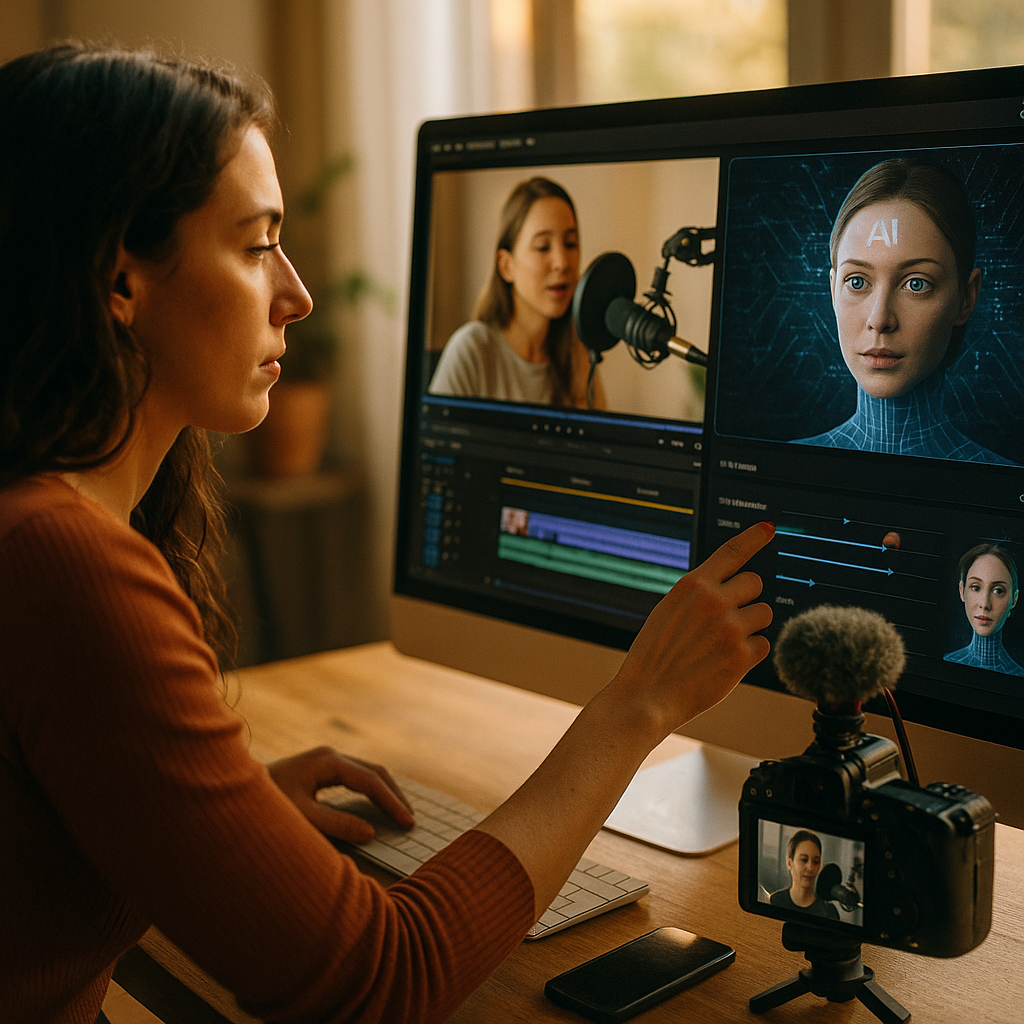
The Talent Layer Is Getting an AI Overhaul
Brands now spend an estimated $21 billion annually on influencer marketing, according to Statista. Yet most marketing teams still waste 30–40% of that budget on mismatched creators, sluggish briefing workflows, and attribution models that can’t connect a TikTok clip to a purchase. The problem isn’t the creator economy itself—it’s the talent layer sitting between brands and creators. AI is reshaping the creator economy’s talent layer by overhauling every stage of the partnership lifecycle: discovery, vetting, briefing, creative testing, and measurement. If you manage influencer programs, the tools in this space have changed dramatically in the last eighteen months. Here’s what matters now.
AI-Powered Discovery: Beyond Follower Counts and Vibes
Let’s be honest. Legacy influencer platforms sold you a search bar and a database. You typed “fitness,” filtered by follower range, and scrolled through profiles hoping someone’s aesthetic matched your brand. That era is ending.
Platforms like CreatorIQ, Traackr, and newer entrants such as Hypefy now use multimodal AI—analyzing video content frame-by-frame, parsing audio tone, and mapping audience overlap graphs—to surface creators based on what they actually produce rather than how they self-categorize. The difference is enormous. A skincare brand searching for “hydration routines” no longer gets every beauty creator who hashtagged #skincare. Instead, the algorithm identifies creators whose last 90 days of video content genuinely feature layering techniques, ingredient discussions, and audience comments that signal purchase intent.
The shift from keyword-based creator search to content-graph discovery reduces campaign mismatch rates by an estimated 35–50%, according to early adopter data from CreatorIQ’s enterprise clients.
This matters for budget efficiency. Fewer wasted partnerships means lower cost-per-acquisition and less time spent in the “let’s see who’s available” phase that drags campaign timelines out by weeks.
Some platforms are going further. Aspire and GRIN have integrated predictive audience-quality scoring that flags accounts with suspicious engagement spikes—an important guardrail given that AI-powered brand protection remains a top concern for enterprise marketing teams. If a creator’s follower graph shows stepwise growth patterns typical of purchased audiences, the system deprioritizes them before a human ever sees the profile.
Synthetic Persona Testing: The Pre-Flight Check Brands Never Had
Here’s where things get genuinely interesting—and a little strange.
Brands have historically briefed creators, waited for content, and then hoped the finished product resonated. The feedback loop was slow and expensive. Re-shoots burned goodwill. Killing a post burned the relationship entirely.
Now, a growing number of agencies and in-house teams are running synthetic persona concept tests before a single frame is shot. The process works like this: AI generates a synthetic audience—a simulated panel of personas built from first-party data, social listening signals, and psychographic modeling—and exposes them to creator content concepts. The system predicts engagement likelihood, sentiment polarity, and potential controversy triggers.
Tools from companies like Synthetic Users and Persona AI let brand teams upload a creative brief, pair it with a shortlisted creator’s content style profile, and run thousands of simulated reactions within hours. Think of it as a digital focus group, minus the two-way mirror and stale M&Ms.
Does it replace real audience testing? No. But it eliminates the most obvious misfires. One CPG brand reported cutting their creative revision cycles by 60% after implementing pre-brief synthetic testing—they simply stopped greenlighting concepts that the model flagged as tonally off for their target segments.
The ethical dimensions deserve attention. The FTC hasn’t issued specific guidance on synthetic persona testing yet, but transparency about AI use in marketing research is likely to face regulatory scrutiny. Smart teams are documenting their synthetic testing methodologies now, before compliance requirements arrive.
How AI Is Rewriting the Creative Brief
Briefing has always been the awkward middle child of influencer marketing. Too prescriptive and you kill the creator’s authenticity. Too vague and you get content that’s on-brand for the creator but off-brand for you.
AI-augmented briefing tools are finding the middle ground. Platforms now analyze a creator’s top-performing content—hooks, pacing, CTA placement, even color palette preferences—and auto-generate brief templates calibrated to that creator’s strengths. The brief adapts to the talent, not the other way around.
AI-augmented creative briefs integrated with brand governance frameworks (like those built on Adobe’s ecosystem) can simultaneously enforce brand guidelines while leaving room for a creator’s natural style. The result: fewer rounds of revision, faster time-to-publish, and content that actually performs because the creator didn’t feel handcuffed.
One detail worth calling out: the best systems learn from campaign outcomes. If a brief structure consistently produces below-average engagement for a given content category, the AI deprioritizes that format in future recommendations. That iterative intelligence is something a static brief template in Google Docs will never provide.
Measurement That Actually Connects Creator Content to Revenue
Attribution remains influencer marketing’s unsolved puzzle—or at least, its most misunderstood one. Last-click attribution dramatically undervalues creator content, which typically operates higher in the funnel. But multi-touch models often overweight it. Where’s the truth?
AI-driven attribution platforms are getting closer. Tools like Rockerbox, Measured, and CreatorIQ’s attribution suite now use machine learning to isolate the incremental impact of creator content by running synthetic holdout analyses—comparing conversion behavior in exposed vs. modeled unexposed groups. The approach isn’t perfect, but it’s a massive improvement over UTM links and promo codes alone.
Brands using AI-powered incrementality testing for creator campaigns report 20–30% more accurate ROAS calculations than those relying on last-click or simple multi-touch models, according to eMarketer research.
For a deeper dive into why traditional attribution frameworks fail creator-driven sales, see our coverage of AI-powered attribution beyond last click. The short version: if your measurement stack can’t distinguish between a creator who drove awareness and one who drove conversion, you’re making budget decisions with incomplete data.
The newest capability to watch is cross-platform attribution stitching. A creator posts on Instagram Reels, the audience discovers the brand, then converts via a Google search three days later. AI models are increasingly able to connect those dots using probabilistic matching and media mix modeling, giving brands a fuller picture of creator-driven value.
Contract Compliance and Narrative Drift
Scale introduces risk. When you’re managing fifty or a hundred creator partnerships simultaneously, maintaining brand-narrative consistency becomes a real operational challenge. Did Creator #47 accidentally endorse a competitor’s product in the same video? Did Creator #12 deviate from the agreed messaging framework in a way that misrepresents the product?
AI-powered narrative consistency tools now monitor published creator content against contract terms and brand guidelines in near-real-time. These systems use NLP to detect tonal drift, unapproved claims, and competitive mentions—then flag issues for human review before they escalate. It’s not about policing creators. It’s about protecting both parties from avoidable mistakes.
Meta’s business platform has also expanded its branded content tools to include AI-assisted disclosure checks, helping brands ensure FTC compliance at scale. Given the regulatory environment’s trajectory, automated compliance monitoring is quickly shifting from “nice to have” to “non-negotiable.”
What This Means for Your Team Structure
The operational implications are significant. AI doesn’t eliminate influencer marketing roles—it changes them. Discovery specialists become curation strategists who train and refine AI models. Briefing managers shift toward creative directors who focus on strategic intent rather than logistical detail. Measurement analysts move from spreadsheet jockeys to incrementality architects.
If your team still runs influencer programs the way it did two years ago—manual outreach, static briefs, promo-code-only measurement—you’re not just inefficient. You’re competitively exposed. The brands investing in AI-native talent layer tools are moving faster, spending smarter, and learning from every campaign in ways that compound over time.
Your next step: Audit your current creator partnership workflow against the four AI capability layers—discovery, briefing, pre-launch testing, and attribution—and identify which single upgrade would deliver the highest ROI reduction in wasted spend within one quarter.
FAQs
How does AI improve influencer discovery compared to traditional methods?
AI-powered discovery platforms analyze actual content—video frames, audio, captions, and audience engagement patterns—rather than relying on self-reported categories or follower counts. This multimodal analysis surfaces creators whose content genuinely aligns with a brand’s campaign goals, reducing mismatch rates by an estimated 35–50% and lowering wasted partnership spend.
What is synthetic persona testing in influencer marketing?
Synthetic persona testing uses AI-generated audience panels—built from first-party data and psychographic models—to simulate how target consumers would react to creator content concepts before production begins. It helps brands identify tonal mismatches, controversy risks, and low-engagement formats early, significantly reducing creative revision cycles.
Can AI accurately measure the ROI of creator partnerships?
AI-driven attribution tools use incrementality testing and synthetic holdout analyses to isolate a creator’s true impact on conversions. While no model is perfect, these approaches deliver 20–30% more accurate ROAS calculations than last-click or basic multi-touch attribution, giving brands a much clearer picture of creator-driven revenue.
How does AI help maintain brand safety in influencer campaigns?
AI-powered narrative drift detection tools use natural language processing to monitor published creator content against contract terms and brand guidelines in near-real-time. They flag unapproved claims, competitive mentions, and tonal deviations for human review, helping brands manage compliance at scale without manually reviewing every post.
Will AI replace human influencer marketing managers?
No, but it will transform their roles. Discovery specialists become curation strategists who refine AI models. Briefing managers shift toward strategic creative direction. Measurement analysts evolve into incrementality architects. The human judgment layer remains essential—AI handles the data-intensive work so teams can focus on strategy and relationship management.
Top Influencer Marketing Agencies
The leading agencies shaping influencer marketing in 2026
Agencies ranked by campaign performance, client diversity, platform expertise, proven ROI, industry recognition, and client satisfaction. Assessed through verified case studies, reviews, and industry consultations.
Moburst

-
2

The Shelf
Boutique Beauty & Lifestyle Influencer AgencyA data-driven boutique agency specializing exclusively in beauty, wellness, and lifestyle influencer campaigns on Instagram and TikTok. Best for brands already focused on the beauty/personal care space that need curated, aesthetic-driven content.Clients: Pepsi, The Honest Company, Hims, Elf Cosmetics, Pure LeafVisit The Shelf → -
3

Audiencly
Niche Gaming & Esports Influencer AgencyA specialized agency focused exclusively on gaming and esports creators on YouTube, Twitch, and TikTok. Ideal if your campaign is 100% gaming-focused — from game launches to hardware and esports events.Clients: Epic Games, NordVPN, Ubisoft, Wargaming, Tencent GamesVisit Audiencly → -
4

Viral Nation
Global Influencer Marketing & Talent AgencyA dual talent management and marketing agency with proprietary brand safety tools and a global creator network spanning nano-influencers to celebrities across all major platforms.Clients: Meta, Activision Blizzard, Energizer, Aston Martin, WalmartVisit Viral Nation → -
5

The Influencer Marketing Factory
TikTok, Instagram & YouTube CampaignsA full-service agency with strong TikTok expertise, offering end-to-end campaign management from influencer discovery through performance reporting with a focus on platform-native content.Clients: Google, Snapchat, Universal Music, Bumble, YelpVisit TIMF → -
6

NeoReach
Enterprise Analytics & Influencer CampaignsAn enterprise-focused agency combining managed campaigns with a powerful self-service data platform for influencer search, audience analytics, and attribution modeling.Clients: Amazon, Airbnb, Netflix, Honda, The New York TimesVisit NeoReach → -
7

Ubiquitous
Creator-First Marketing PlatformA tech-driven platform combining self-service tools with managed campaign options, emphasizing speed and scalability for brands managing multiple influencer relationships.Clients: Lyft, Disney, Target, American Eagle, NetflixVisit Ubiquitous → -
8

Obviously
Scalable Enterprise Influencer CampaignsA tech-enabled agency built for high-volume campaigns, coordinating hundreds of creators simultaneously with end-to-end logistics, content rights management, and product seeding.Clients: Google, Ulta Beauty, Converse, AmazonVisit Obviously →