


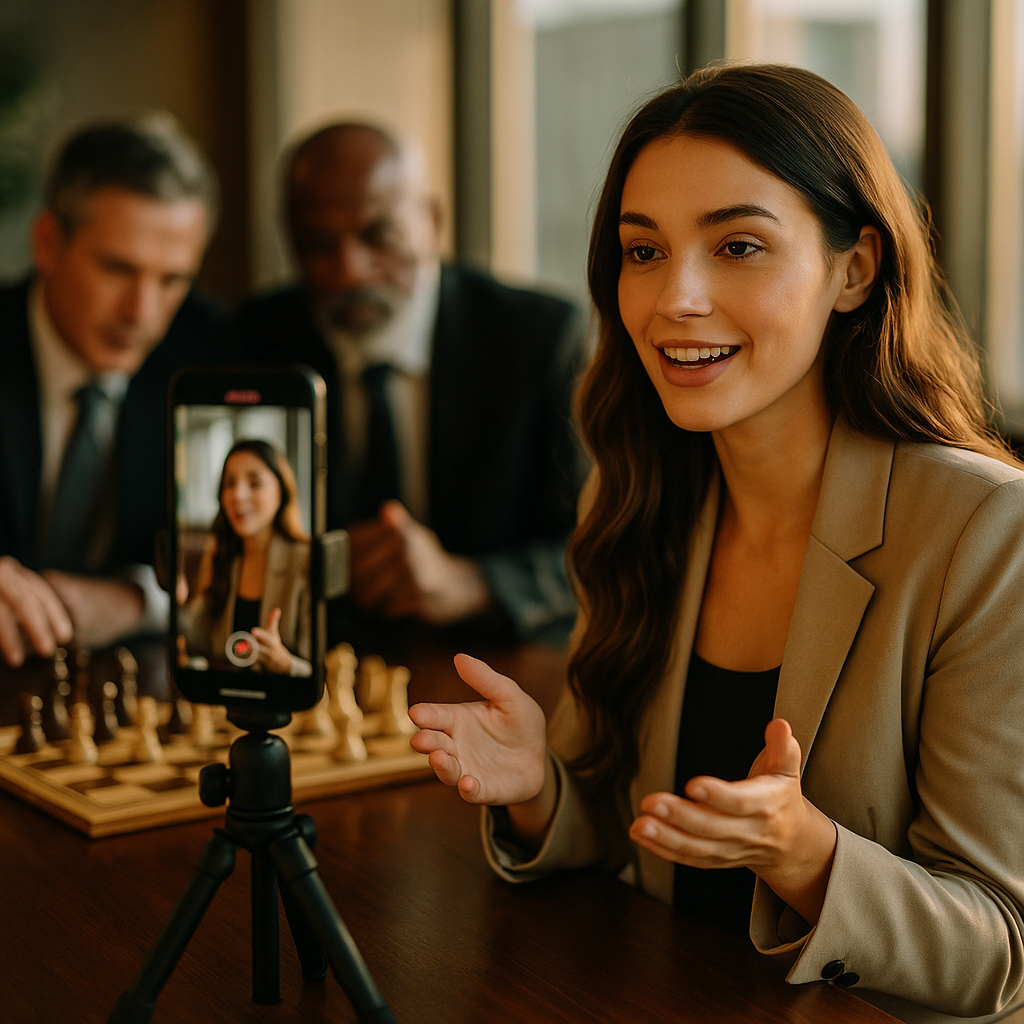
When brands face a hostile takeover, creative defense strategies can define their survival. In this case study of how a brand used influencers in a “hostile takeover” defense, we uncover the tactical brilliance powering reputational resilience and stakeholder loyalty. Discover how harnessing influencer marketing can be a game-changer in corporate crises.
Understanding Hostile Takeover Strategies in 2025
A hostile takeover occurs when an acquiring company attempts to seize control of a target brand against its wishes. As recently as 2025, such corporate maneuvers have become more nuanced, with acquirers leveraging social media narratives and rapid-fire communications to sway shareholders. Brands countering these tactics must think beyond traditional legal and financial defenses to safeguard their autonomy.
With shareholders heavily influenced by online sentiment, hostile takeovers no longer play out solely in boardrooms—they are contested publicly. Digital perception can tip the scales. Thus, forward-thinking brands now integrate influencer engagement into their crisis management arsenal. Understanding this landscape is essential to building a robust hostile takeover defense.
The Role of Influencer Marketing in Hostile Takeover Defense
Influencer marketing has evolved into a powerful force for swaying opinion and driving engagement. During a hostile takeover, genuine influencers can serve as trusted allies for a targeted brand, amplifying its narrative and values to critical audiences, including employees, customers, and especially shareholders.
Research by Influencer Marketing Hub in late 2024 reported that 56% of investors now consult online brand sentiment before making pivotal decisions. Activating credible voices lends EEAT (Experience, Expertise, Authority, and Trustworthiness) to the brand story, countering misinformation and rallying public and stakeholder support. Influencers can humanize company leadership, clarify the potential risks of a takeover, and spotlight the brand’s intrinsic worth beyond financials.
Case Study Breakdown: Brand X’s Influencer-Driven Defense
In early 2025, Brand X, a well-known consumer technology company, became the focus of an aggressive takeover attempt by a competing conglomerate. Recognizing the power of digital discourse, Brand X mobilized a strategic group of influencers—industry experts, tech reviewers, and loyal brand advocates—to defend its reputation and mission in real time.
Brand X’s influencer strategy centered on three core elements:
- Transparency: Influencers received background on why the hostile takeover was deemed harmful for the brand’s future and for customers.
- Authenticity: Only longstanding, genuine supporters were chosen, ensuring each endorsement felt organic and trustworthy.
- Engagement: Influencers interacted directly with concerned customers and investors, publicly answering questions about the brand’s direction, culture, and values.
The result was a groundswell of positive sentiment on social platforms. Public hashtags supporting Brand X trended for several days, while investor forums reported a 22% surge in pro-Brand X commentary. The takeover ultimately failed as key shareholders rejected the bid, citing the “visible loyalty and unique value” displayed throughout the crisis.
Best Practices for Leveraging Influencers in Corporate Crises
Brand X’s successful defense offers a blueprint for leveraging influencer marketing in high-stakes corporate scenarios. To maximize impact and maintain credibility, brands should observe the following best practices:
- Select Influencers with Relevant Expertise: Choose advocates whose experience aligns with your industry, ensuring arguments carry authority.
- Maintain Open Communication: Equip influencers with clear, accurate information and regular updates to prevent inconsistencies and foster transparency.
- Prioritize Ethics and Disclosure: Ensure that influencer partnerships are fully disclosed in accordance with advertising regulations, preserving trust with stakeholders and the public.
- Act Fast, But Never Rashly: The speed of social media means delays can be costly; rapid coordination is essential, but messages must be well-considered and consistent.
- Facilitate Two-Way Dialogue: Encourage influencers to address genuine risks, not just highlight positives. This nuanced engagement demonstrates EEAT and authenticity.
Brands that follow these steps can fortify their positions and win over both the public and their critical investor base during turbulent periods.
Measuring the Impact: How Influencer Defense Shapes Outcomes
Measuring the success of influencer-driven hostile takeover defenses requires clear, real-time metrics. Key Performance Indicators (KPIs) should track:
- Sentiment Analysis: Tools analyzing public and investor sentiment on social channels reveal shifts in support before and after influencer campaigns.
- Shareholder Feedback: Engagement rates on shareholder forums and direct feedback signal whether influential voices are swaying key stakeholders.
- Brand Trust Indices: Surveys and brand trust indexes, updated weekly or bi-weekly, mirror how public perception evolves amid the crisis.
- Media Coverage: A higher volume of positive, influencer-cited stories in business media comes as a strong indicator of campaign reach and resonance.
Brand X, post-crisis, documented a measurable 17% uplift in Net Promoter Score (NPS). Shareholders referenced influencer-driven narratives when voting to reject the takeover. Such metrics demonstrate how influencer marketing transcends advertising, directly influencing real-world business outcomes.
Lessons Learned: Core Takeaways from Influencer Marketing in Takeover Defense
The Brand X case study reinforces that influencer marketing, steeped in transparency and expertise, can be a decisive factor in hostile takeover defenses. Strategic influencer alliances empower brands to:
- Humanize corporate communications in moments of uncertainty
- Refute misinformation and clarify the broader impact of a takeover
- Win tangible, public displays of support from customers, employees, and investors
- Strengthen post-crisis brand loyalty and advocacy
However, long-term influencer relationships, built before any crisis, are key. Brands investing in ongoing authentic influencer partnerships are better prepared to mount a rapid, credible defense when a hostile takeover looms.
FAQs About Influencer Marketing During Hostile Takeover Defenses
-
Q: Can influencer marketing really sway investor decisions in takeover scenarios?
A: Yes. In 2025, investor sentiment is closely tied to online and social media narratives. Influencer advocacy can shape perceptions, clarify brand value, and move public and investor opinion, as recent case studies prove. -
Q: What types of influencers are most effective in corporate crises?
A: Industry experts, respected analysts, and authentic brand advocates tend to be most impactful, as their expertise and credibility resonate with both shareholders and consumers. -
Q: Are there risks in using influencers during a takeover defense?
A: Yes. Risks include inconsistent messaging, regulatory compliance issues, and the potential for backlash if influencer posts appear inauthentic. Careful selection and full disclosure are essential. -
Q: How can brands prepare for possible hostile takeovers?
A: Building long-term, transparent relationships with relevant influencers, ongoing scenario planning, and rapid response protocols are vital preparation steps for any brand.
In summary, this case study demonstrates that influencer marketing—when executed with expertise, transparency, and real-time engagement—can serve as a decisive lever in the defense against a hostile takeover. Brands that proactively build these alliances empower themselves for any challenge ahead.
Top Influencer Marketing Agencies
The leading agencies shaping influencer marketing in 2026
Agencies ranked by campaign performance, client diversity, platform expertise, proven ROI, industry recognition, and client satisfaction. Assessed through verified case studies, reviews, and industry consultations.
Moburst

-
2

The Shelf
Boutique Beauty & Lifestyle Influencer AgencyA data-driven boutique agency specializing exclusively in beauty, wellness, and lifestyle influencer campaigns on Instagram and TikTok. Best for brands already focused on the beauty/personal care space that need curated, aesthetic-driven content.Clients: Pepsi, The Honest Company, Hims, Elf Cosmetics, Pure LeafVisit The Shelf → -
3

Audiencly
Niche Gaming & Esports Influencer AgencyA specialized agency focused exclusively on gaming and esports creators on YouTube, Twitch, and TikTok. Ideal if your campaign is 100% gaming-focused — from game launches to hardware and esports events.Clients: Epic Games, NordVPN, Ubisoft, Wargaming, Tencent GamesVisit Audiencly → -
4

Viral Nation
Global Influencer Marketing & Talent AgencyA dual talent management and marketing agency with proprietary brand safety tools and a global creator network spanning nano-influencers to celebrities across all major platforms.Clients: Meta, Activision Blizzard, Energizer, Aston Martin, WalmartVisit Viral Nation → -
5

The Influencer Marketing Factory
TikTok, Instagram & YouTube CampaignsA full-service agency with strong TikTok expertise, offering end-to-end campaign management from influencer discovery through performance reporting with a focus on platform-native content.Clients: Google, Snapchat, Universal Music, Bumble, YelpVisit TIMF → -
6

NeoReach
Enterprise Analytics & Influencer CampaignsAn enterprise-focused agency combining managed campaigns with a powerful self-service data platform for influencer search, audience analytics, and attribution modeling.Clients: Amazon, Airbnb, Netflix, Honda, The New York TimesVisit NeoReach → -
7

Ubiquitous
Creator-First Marketing PlatformA tech-driven platform combining self-service tools with managed campaign options, emphasizing speed and scalability for brands managing multiple influencer relationships.Clients: Lyft, Disney, Target, American Eagle, NetflixVisit Ubiquitous → -
8

Obviously
Scalable Enterprise Influencer CampaignsA tech-enabled agency built for high-volume campaigns, coordinating hundreds of creators simultaneously with end-to-end logistics, content rights management, and product seeding.Clients: Google, Ulta Beauty, Converse, AmazonVisit Obviously →