


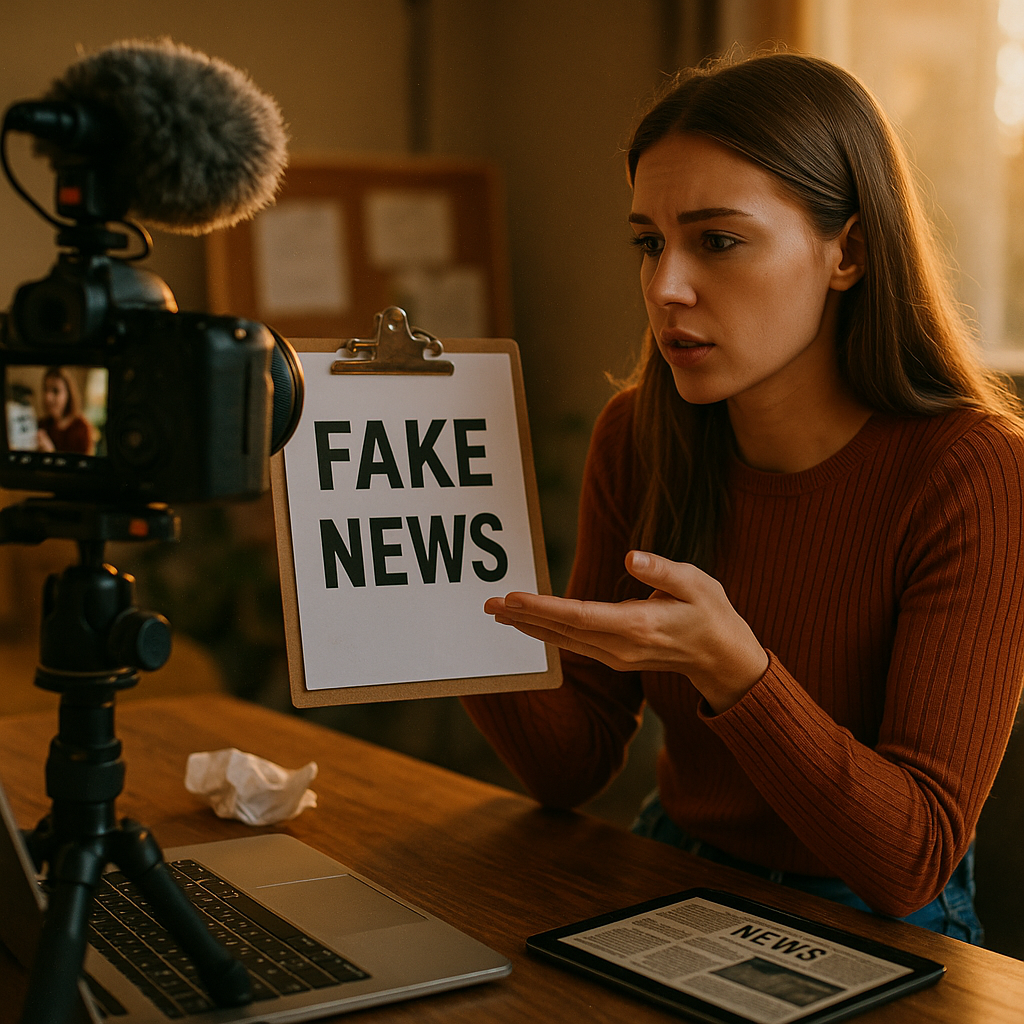
The role of influencers in combating disinformation has rapidly evolved in today’s digital era, as brands face growing scrutiny around the content they help amplify. Understanding how influencers can help or hinder a responsible online ecosystem is now essential for forward-thinking marketing leaders—so what steps can brands take to support truth and transparency online?
Understanding Disinformation: The Challenge Brands Must Address
Disinformation—deliberately misleading or false content—poses a significant threat to digital trust, consumer well-being, and public discourse. In 2025, Pew Research estimates that nearly 79% of adults in the United States are concerned about the spread of online disinformation, and many see it as a growing societal problem. For global brands, even indirect association with falsehoods risks not only reputation but also consumer loyalty and long-term revenue.
Traditionally, brands have invested in fact-checking campaigns and crisis management. However, the amplification power of influencers now means that a single voice can spark worldwide conversation—or controversy—with a simple post. This shift creates both risk and opportunity for brands who must now decide: are they inadvertently supporting disinformation, or helping to shape credible narratives that resonate with informed consumers?
Influencer Marketing’s Power: A Double-Edged Sword for Brand Responsibility
Influencer marketing continues to be one of the most effective channels for digital engagement, with 85% of marketers in 2025 reporting positive ROI from collaborations. Yet this effectiveness amplifies the importance of ethical partnerships. Influencers—trusted by their followers for authentic recommendations—often drive conversations that shape purchasing decisions, public health, and even election outcomes. As brand partners, they have unprecedented authority and reach.
However, not all influencers exercise this responsibility with care. The dissemination of disinformation can occur intentionally or by accident. For instance, during global health crises, influencers spreading misinformation about products or remedies caused confusion and consumer harm, prompting regulatory interventions.
Brands must recognize the dual nature of influencer marketing: while influencers can foster trust, they can also, intentionally or not, amplify falsehoods. Recognizing this is the foundation for creating ethical, long-term influencer partnerships.
Identifying Reliable Influencers: Key Steps for Brands
The core of combating disinformation lies in robust influencer vetting. Brands need to move beyond follower counts or surface-level engagement rates. In 2025, effective vetting encompasses comprehensive background checks and the use of AI-powered monitoring tools to evaluate:
- Previous Content Authenticity: Review past posts for accuracy, sourcing, and tone.
- Causes and Partnerships: Assess alignment with credible organizations and consistent advocacy for evidence-based information.
- Audience Interaction: Understand how influencers respond to misinformation within their communities and foster productive dialogue.
Platforms such as Influencity and Traackr now offer in-depth influencer analytics, including authenticity scores and red-flag alerts for problematic content. By integrating these tools, brands reduce their risk and can cultivate partnerships with creators dedicated to truth and transparency.
Brand Guidelines and Collaboration: Setting Clear Expectations
After selecting credible partners, brands must implement clear influencer guidelines. These should cover content accuracy, source attribution, compliance with evolving platform policies, and rapid response protocols for misinformation incidents. In 2025, leading brands increasingly require influencers to:
- Cite Verified Sources: Back up claims with credible industry studies or authoritative organizations.
- Disclose Partnerships: Maintain clear transparency in sponsored and organic content to build consumer trust.
- Participate in Training: Attend brand-led education sessions about identifying and avoiding disinformation, tailored for their audience’s concerns.
- Engage Responsibly: Proactively correct or flag any mistaken information within their communities.
Such guidelines serve a dual purpose: protecting brand reputation and empowering influencers to become active participants in a healthy digital dialogue.
Monitoring & Rapid Response: Protecting Brand and Audience Trust
Active monitoring is now an industry best practice. Even with strict guidelines and high-quality creators, mistakes or misjudgments can occur. Brands should implement:
- Real-Time Social Listening Tools: Tools like Brandwatch and Sprout Social alert marketing teams to potential misinformation quickly, allowing for immediate response.
- Crisis Management Protocols: Prepare detailed plans, clarifying partner and brand responsibilities in retracting or correcting misinformation if identified.
- Collaboration with Fact-Checkers: Build relationships with reputable fact-checking organizations and integrate feedback workflows.
This vigilant approach not only limits reputational fallout but demonstrates a brand’s ongoing commitment to audience safety and societal well-being. According to a GlobalWebIndex study, 68% of consumers say they trust a brand more if it actively addresses and corrects misleading content, regardless of fault.
Ethical Leadership: How Brands and Influencers Can Foster a Truthful Digital Environment
The influence brands wield now extends well beyond product promotion—into shaping public awareness, attitudes, and behaviors. In 2025, consumers expect brands to lead on values, not just business objectives. Established companies are finding that investing in truth—and empowering their influencer partners to do the same—yields measurable brand loyalty.
Some of the most effective strategies for ethical leadership include:
- Promoting Media Literacy: Offering resources that educate followers about verifying online claims and identifying disinformation.
- Participating in Industry Collaboration: Joining cross-sector initiatives to share best practices, train creators, and standardize accurate messaging.
- Rewarding Accuracy: Recognizing and celebrating influencers who maintain high standards of transparency and source credibility.
By prioritizing these approaches—and sharing progress with customers—brands position themselves as credible, trustworthy leaders in an era where truth online is a shared responsibility between companies, creators, and their communities.
Conclusion: Responsible Influencer Partnerships Build Trust and Combat Disinformation
Brands have a clear responsibility to ensure influencer partnerships champion truth and transparency in digital communications. By investing in robust vetting, clear guidance, proactive monitoring, and ethical leadership, companies not only protect their reputation—they also help create a more informed, resilient, and trusting online community for everyone.
FAQs: The Role of Influencers in Combating Disinformation
-
Why is combating disinformation important for brands in 2025?
Brand reputation hinges on trust, which can be destroyed by the spread of disinformation. Today’s consumers demand transparency, and brands associated with misinformation face potential revenue and loyalty losses.
-
What steps can brands take to ensure influencers share truthful information?
Brands should conduct thorough vetting, establish clear content guidelines, provide regular training, and implement real-time monitoring to quickly address any instances of misinformation.
-
How can influencers help educate their audiences about misinformation?
Influencers can share verified sources, promote media literacy resources, directly address and correct common myths, and foster open, evidence-based dialogue within their communities.
-
What tools are recommended for monitoring influencer content quality?
Platforms such as Brandwatch, Sprout Social, Influencity, and Traackr now offer real-time monitoring, authenticity analysis, and alerts for potentially problematic or misleading content.
-
Can ethical influencer partnerships boost brand loyalty?
Absolutely. Research in 2025 shows that consumers are more likely to shop with brands that visibly prioritize truth, accuracy, and ethical digital communication through influencer collaborations.
Top Influencer Marketing Agencies
The leading agencies shaping influencer marketing in 2026
Agencies ranked by campaign performance, client diversity, platform expertise, proven ROI, industry recognition, and client satisfaction. Assessed through verified case studies, reviews, and industry consultations.
Moburst

-
2

The Shelf
Boutique Beauty & Lifestyle Influencer AgencyA data-driven boutique agency specializing exclusively in beauty, wellness, and lifestyle influencer campaigns on Instagram and TikTok. Best for brands already focused on the beauty/personal care space that need curated, aesthetic-driven content.Clients: Pepsi, The Honest Company, Hims, Elf Cosmetics, Pure LeafVisit The Shelf → -
3

Audiencly
Niche Gaming & Esports Influencer AgencyA specialized agency focused exclusively on gaming and esports creators on YouTube, Twitch, and TikTok. Ideal if your campaign is 100% gaming-focused — from game launches to hardware and esports events.Clients: Epic Games, NordVPN, Ubisoft, Wargaming, Tencent GamesVisit Audiencly → -
4

Viral Nation
Global Influencer Marketing & Talent AgencyA dual talent management and marketing agency with proprietary brand safety tools and a global creator network spanning nano-influencers to celebrities across all major platforms.Clients: Meta, Activision Blizzard, Energizer, Aston Martin, WalmartVisit Viral Nation → -
5

The Influencer Marketing Factory
TikTok, Instagram & YouTube CampaignsA full-service agency with strong TikTok expertise, offering end-to-end campaign management from influencer discovery through performance reporting with a focus on platform-native content.Clients: Google, Snapchat, Universal Music, Bumble, YelpVisit TIMF → -
6

NeoReach
Enterprise Analytics & Influencer CampaignsAn enterprise-focused agency combining managed campaigns with a powerful self-service data platform for influencer search, audience analytics, and attribution modeling.Clients: Amazon, Airbnb, Netflix, Honda, The New York TimesVisit NeoReach → -
7

Ubiquitous
Creator-First Marketing PlatformA tech-driven platform combining self-service tools with managed campaign options, emphasizing speed and scalability for brands managing multiple influencer relationships.Clients: Lyft, Disney, Target, American Eagle, NetflixVisit Ubiquitous → -
8

Obviously
Scalable Enterprise Influencer CampaignsA tech-enabled agency built for high-volume campaigns, coordinating hundreds of creators simultaneously with end-to-end logistics, content rights management, and product seeding.Clients: Google, Ulta Beauty, Converse, AmazonVisit Obviously →