


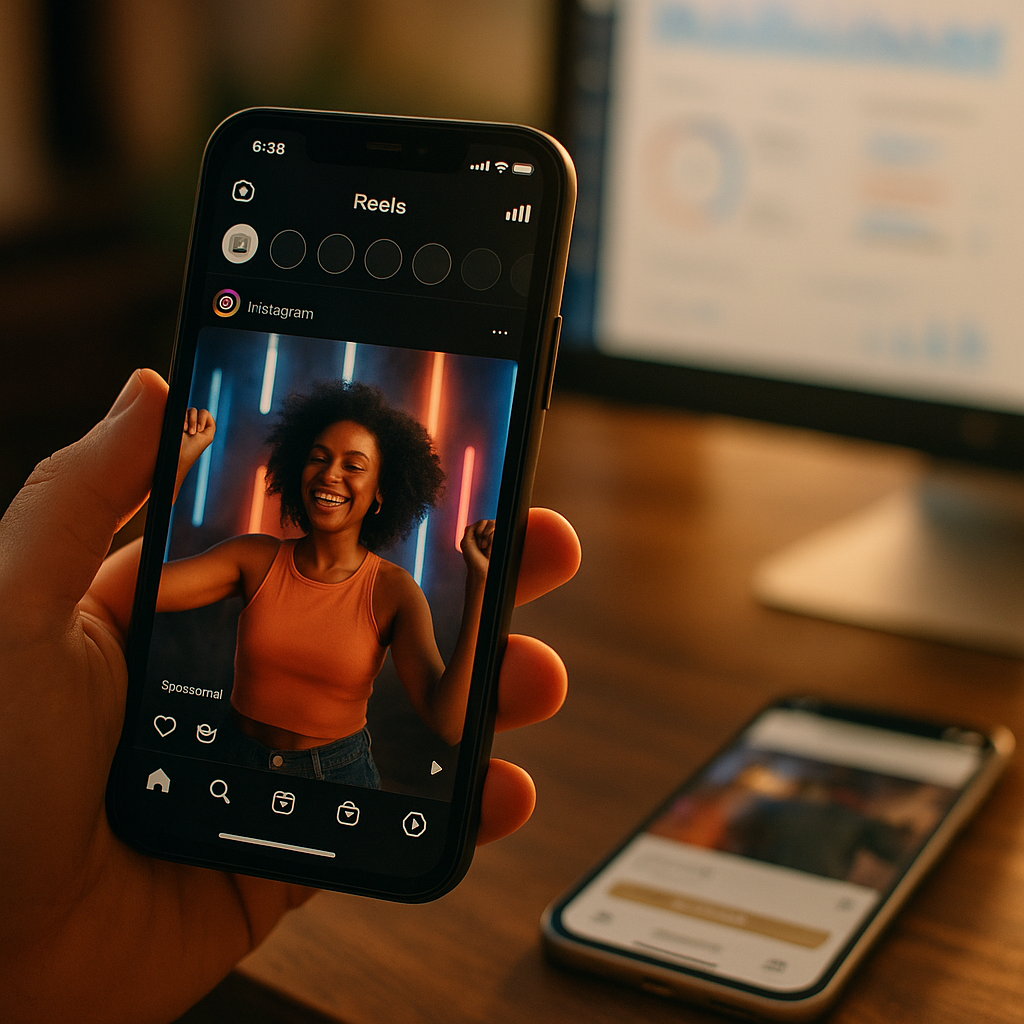
Sponsored Reels Just Lost Their Safety Net
Here’s a number that should rattle every media buyer: sponsored Reels that relied on broad interest-based targeting saw a 22% drop in non-follower reach after Instagram rolled out its personalized recommendation signal update in Q1. The algorithm no longer treats “boosted” and “organic” as loosely overlapping buckets. It now evaluates every piece of content — paid partnership label or not — through a hyper-individualized relevance lens before deciding who sees it. For brands spending six and seven figures on creator-led Reels, this isn’t a minor tweak. It’s a structural shift in how Instagram’s personalized recommendation signal update determines distribution, and it demands a different playbook for partnership structure, creative briefs, and amplification strategy.
What Actually Changed Under the Hood
Instagram’s recommendation engine has always used signals like watch time, shares, and profile visits. What’s new is the weighting hierarchy. Meta’s engineering blog confirmed that the system now prioritizes what it calls “predicted individual value” — a composite score derived from a user’s recent interaction patterns, content format preferences, and even the velocity at which they engage with specific visual styles.
Previously, a sponsored Reel from a fitness creator could ride the wave of general “fitness interest” targeting and land in Explore feeds broadly. Now the algorithm asks a sharper question: does this specific user engage with this specific type of fitness content, from this tier of creator, in this format cadence?
The result is tighter, more selective distribution. Content that genuinely matches viewer behavior gets amplified. Content that doesn’t — regardless of spend — gets throttled earlier in the recommendation pipeline.
The algorithm no longer asks “is this person interested in fitness?” It asks “does this person watch 45-second tutorial Reels from mid-tier creators on weekday mornings?” Broad targeting is dead. Behavioral specificity is the new currency.
This matters enormously for brands because it collapses the gap between organic and paid recommendation logic. Meta has been moving toward this convergence for years, but this update makes it operational. You can check Meta’s business resources for their latest creator and partnership documentation, though the real signal is in the performance data brands are seeing right now.
How This Reshapes Creator-Brand Partnership Structure
If the algorithm rewards behavioral specificity, then casting the “right” creator is no longer primarily about follower count or even engagement rate. It’s about audience-behavior alignment at a granular level.
Think about what this means practically. A skincare brand partnering with a 500K-follower beauty creator might underperform compared to a partnership with a 70K creator whose audience demonstrably watches ingredient-breakdown Reels, saves product comparison content, and clicks through to shopping tags. The smaller creator’s audience has the behavioral fingerprint the algorithm rewards.
Several structural changes follow:
- Vetting must include behavioral audience data, not just demographics. Tools like CreatorIQ, Phyllo, and Meta’s own Creator Marketplace now surface audience interaction patterns. Use them. Ask for saves-to-views ratios and share rates, not just impressions.
- Briefs need to match the creator’s existing content cadence. If a creator’s audience engages most with 30-second talking-head Reels, don’t brief a 60-second cinematic product showcase. The algorithm will notice the mismatch before your audience does.
- Multi-creator campaigns need behavioral segmentation, not just audience segmentation. Allocate creators to behavioral clusters — “watchers who save,” “watchers who share,” “watchers who click” — and tailor creative format accordingly.
Brands already running authentic creator partnerships at scale have a head start here. The infrastructure for matching creators to audience behavior already exists in mature programs. What’s new is the algorithmic penalty for ignoring it.
Does Paid Amplification Still Buy Organic-Looking Reach?
Short answer: yes, but the rules have changed dramatically.
The old model was straightforward. A brand partners with a creator, the creator posts a Reel with a paid partnership label, and then the brand boosts it through Ads Manager to extend reach beyond the creator’s followers. The boosted Reel would show up in feeds and Explore, looking almost indistinguishable from organic content aside from the small “Sponsored” tag.
That still technically works. But the recommendation signal update means the boosted Reel now competes in the same relevance-scoring pipeline as organic Reels. If the content doesn’t match the predicted individual value score for a target user, the algorithm deprioritizes it — even with spend behind it.
What we’re seeing in practice:
- CPMs are rising for poorly matched content. When the algorithm scores a Reel as low-relevance for a user segment, Meta’s auction system requires higher bids to force distribution. Brands report 15-30% CPM increases on Reels that don’t align with audience behavioral patterns.
- High-relevance sponsored Reels are actually getting more organic spillover. The flip side is real. Sponsored Reels that score well on predicted individual value are being recommended beyond the paid audience — essentially earning free organic reach on top of paid distribution.
- The “organic-looking” aesthetic alone isn’t enough. Plenty of brands invested in making sponsored Reels look organic — handheld footage, casual tone, native text overlays. That still matters for viewer trust. But the algorithm doesn’t care about aesthetics. It cares about behavioral match signals.
For teams optimizing Reels cultural moment ads, this is actually good news — if your content genuinely taps into what audiences are engaging with right now, the algorithm will reward you with cheaper reach and organic amplification on top of paid.
Paid amplification hasn’t lost its power — it’s lost its ability to compensate for mediocre content-audience fit. Spend now accelerates relevance rather than replacing it.
The Cross-Platform Ripple Effect
Instagram isn’t operating in a vacuum. TikTok has been running a similar individualized recommendation model for years, and brands managing multi-platform creator programs need to recognize the convergence.
The strategic implication: creator selection frameworks that work on TikTok — where behavioral audience matching has always been essential — now transfer directly to Instagram. If you’ve built robust processes for TikTok sponsored content amplification, adapt those frameworks for Instagram rather than starting from scratch.
Meanwhile, the rise of AI-driven content discovery across platforms means brands also need to think about how creator content surfaces in search and conversational AI contexts. The creator strategy for AI product discovery is becoming inseparable from social distribution strategy.
One practical note: Instagram’s update also affects how Reels perform in the Google search ecosystem, since Google increasingly indexes and surfaces short-form video in search results. Reels that earn strong engagement signals on Instagram are more likely to appear in Google’s video carousels, creating a compounding visibility effect.
Operational Playbook: What to Change This Quarter
Enough theory. Here’s what brand and agency teams should actually do:
- Audit your current creator roster against behavioral audience data. Pull saves, shares, and completion rates — not just reach and likes. Flag partnerships where the creator’s audience behavior doesn’t match your campaign objectives. Tools like CreatorIQ and HypeAuditor can surface this data.
- Restructure creative briefs around format-behavior fit. Stop dictating creative format in the brief. Instead, specify the desired audience action (save, share, click, comment) and let the creator choose the format that historically drives that behavior from their audience.
- Shift paid amplification budgets toward high-relevance content. Implement a “test and boost” model: let a Reel run organically for 24-48 hours, measure its engagement velocity against the creator’s baseline, and only boost content that’s already showing strong algorithmic traction.
- Renegotiate partnership contracts to include performance flexibility. Build in clauses for bonus compensation when a Reel outperforms organically, and reduce guaranteed minimums for boosted reach. Align creator incentives with algorithmic performance.
- Monitor CPM trends weekly, not monthly. The recommendation signal update means distribution efficiency can shift rapidly. Weekly CPM monitoring lets you reallocate spend before inefficiency compounds.
Brands already investing in micro-influencer syndicates may find this transition smoother — smaller creators often have tighter behavioral alignment with their audiences, which is exactly what the updated algorithm rewards.
The FTC’s endorsement guidelines still require clear disclosure on sponsored content, and nothing about this algorithm change reduces that obligation. But the operational reality is that well-disclosed sponsored content that earns genuine engagement now gets better algorithmic treatment than poorly disclosed content that triggers user complaints — another convergence of compliance and performance.
The Bottom Line
Rebuild your creator selection process around behavioral audience data, restructure briefs to let format follow function, and treat paid amplification as an accelerator for already-resonant content — not a substitute for relevance. The brands that adapt fastest will find that Instagram’s personalized recommendation signal update actually lowers their cost per engaged viewer. The ones that don’t will watch CPMs climb while reach shrinks.
Frequently Asked Questions
How does Instagram’s personalized recommendation signal update affect sponsored Reels?
The update evaluates sponsored Reels through the same hyper-individualized relevance scoring as organic content. Sponsored Reels that match a user’s specific behavioral patterns — watch history, engagement cadence, format preferences — earn broader distribution. Those that don’t align face throttled reach and higher CPMs, regardless of the paid budget behind them.
Can paid amplification still make sponsored Reels look organic?
Paid amplification still extends reach, but it no longer compensates for poor content-audience fit. The algorithm scores boosted Reels on behavioral relevance before distributing them. High-relevance sponsored Reels can actually earn organic spillover beyond the paid audience, while low-relevance content requires increasingly expensive bids to maintain distribution.
What creator metrics matter most after this algorithm change?
Saves-to-views ratio, share rate, and completion rate are now more important than follower count or surface-level engagement rate. These behavioral signals indicate how deeply a creator’s audience interacts with their content, which directly maps to the algorithm’s predicted individual value scoring.
Should brands change how they structure creator briefs?
Yes. Instead of dictating specific creative formats, brands should specify the desired audience action — save, share, click, or comment — and let creators choose the format that historically drives that behavior from their audience. This approach aligns with the algorithm’s preference for content that matches existing viewer interaction patterns.
Does this update impact cross-platform influencer strategy?
Significantly. Instagram’s recommendation logic now closely mirrors TikTok’s individualized content scoring. Brands can adapt behavioral audience-matching frameworks from TikTok to Instagram. Additionally, Reels that earn strong engagement signals on Instagram are more likely to surface in Google’s video search results, creating compounding visibility.
Top Influencer Marketing Agencies
The leading agencies shaping influencer marketing in 2026
Agencies ranked by campaign performance, client diversity, platform expertise, proven ROI, industry recognition, and client satisfaction. Assessed through verified case studies, reviews, and industry consultations.
Moburst

-
2

The Shelf
Boutique Beauty & Lifestyle Influencer AgencyA data-driven boutique agency specializing exclusively in beauty, wellness, and lifestyle influencer campaigns on Instagram and TikTok. Best for brands already focused on the beauty/personal care space that need curated, aesthetic-driven content.Clients: Pepsi, The Honest Company, Hims, Elf Cosmetics, Pure LeafVisit The Shelf → -
3

Audiencly
Niche Gaming & Esports Influencer AgencyA specialized agency focused exclusively on gaming and esports creators on YouTube, Twitch, and TikTok. Ideal if your campaign is 100% gaming-focused — from game launches to hardware and esports events.Clients: Epic Games, NordVPN, Ubisoft, Wargaming, Tencent GamesVisit Audiencly → -
4

Viral Nation
Global Influencer Marketing & Talent AgencyA dual talent management and marketing agency with proprietary brand safety tools and a global creator network spanning nano-influencers to celebrities across all major platforms.Clients: Meta, Activision Blizzard, Energizer, Aston Martin, WalmartVisit Viral Nation → -
5

The Influencer Marketing Factory
TikTok, Instagram & YouTube CampaignsA full-service agency with strong TikTok expertise, offering end-to-end campaign management from influencer discovery through performance reporting with a focus on platform-native content.Clients: Google, Snapchat, Universal Music, Bumble, YelpVisit TIMF → -
6

NeoReach
Enterprise Analytics & Influencer CampaignsAn enterprise-focused agency combining managed campaigns with a powerful self-service data platform for influencer search, audience analytics, and attribution modeling.Clients: Amazon, Airbnb, Netflix, Honda, The New York TimesVisit NeoReach → -
7

Ubiquitous
Creator-First Marketing PlatformA tech-driven platform combining self-service tools with managed campaign options, emphasizing speed and scalability for brands managing multiple influencer relationships.Clients: Lyft, Disney, Target, American Eagle, NetflixVisit Ubiquitous → -
8

Obviously
Scalable Enterprise Influencer CampaignsA tech-enabled agency built for high-volume campaigns, coordinating hundreds of creators simultaneously with end-to-end logistics, content rights management, and product seeding.Clients: Google, Ulta Beauty, Converse, AmazonVisit Obviously →